Listen to this article
The Geminid meteor shower, renowned for its stunning displays of shooting stars, is set to peak this December, offering skywatchers an opportunity to witness one of nature’s most breathtaking phenomena. This year, the anticipation is particularly heightened with predictions of clear conditions, making it an ideal time to observe the Geminid meteors. For those wondering how to see Geminid meteors, the best advice is to find a location away from city lights and enjoy the view after midnight when the skies darken further, especially in the UK where a waning crescent Moon creates optimal viewing conditions. With reports indicating up to 100 meteors per hour under perfect circumstances, the Geminids viewing tips suggest that patience and comfort are key—grab a blanket and recline back to fully appreciate the cosmic show. Whether you’re a seasoned astronomer or a curious first-timer, this soft glowing display promises to captivate anyone looking up this weekend.
As the calendar moves toward mid-December, night sky enthusiasts should prepare for the annual celestial event known as the Geminids, where the heavens come alive with brilliant streaks of light. This meteor shower is unique as it originates not from a comet, but from an asteroid, making it a captivating focus for both amateur and professional observers alike. With its peak occurring around this time, understanding the best time for Geminid meteors becomes essential for those seeking to capture the spectacle, especially amidst the varying weather conditions experienced across the UK. Clear, dark skies with minimal moonlight significantly enhance the visibility of these meteors, leading to an unforgettable experience under the stars. For anyone keen to experience this cosmic event, it would be beneficial to keep an eye on local forecasts, ensuring you’re equipped to catch the stunning display of the Geminids.
Understanding the Geminid Meteor Shower
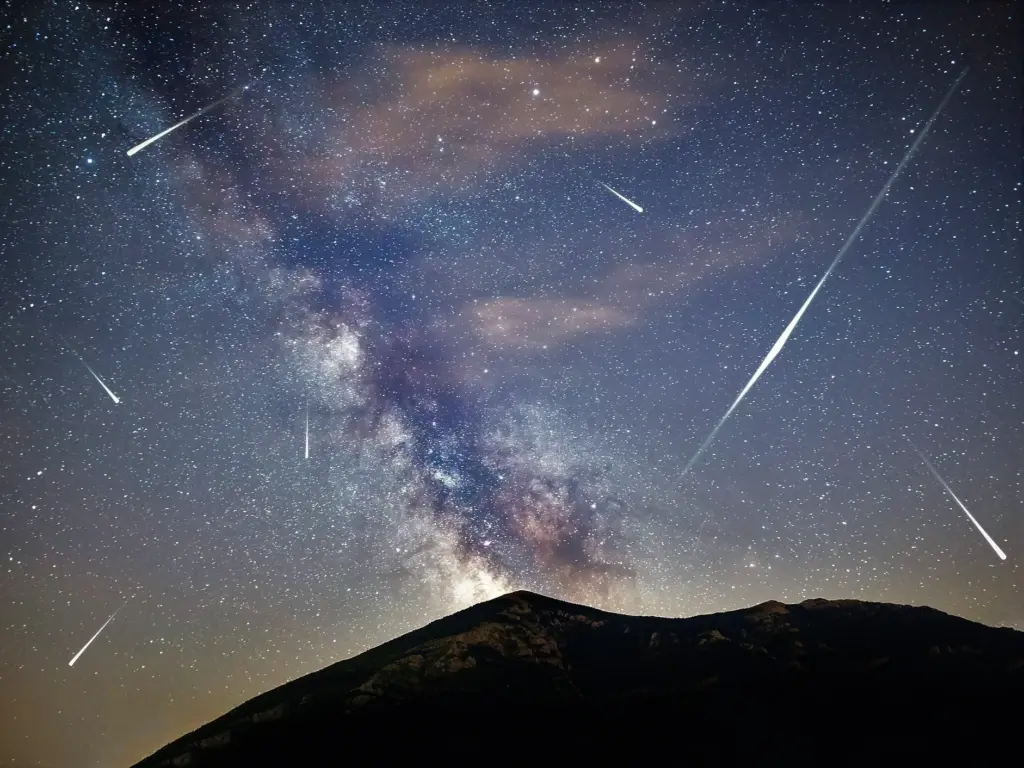
The Geminid meteor shower is an annual celestial event that captivates stargazers around the world. Occurring each December, this meteor shower is renowned for its high volume of meteors — often reaching up to 120 per hour during its peak. The Geminids are unique as they originate from an asteroid named 3200 Phaethon, unlike most meteor showers that stem from comets. This distinction sets the Geminids apart, making them one of the most anticipated astronomical events of the year. As Earth passes through the debris trail of Phaethon, the particles enter our planet’s atmosphere at incredible speeds, generating streaks of light that we see as shooting stars.
With a blend of speed and luminosity, the Geminids are particularly striking. When you gaze up into the night sky during this event, you can often spot meteors appearing in various colors due to the elements they’re composed of. For instance, sodium creates bright yellow flashes, while magnesium and calcium can produce red and blue hues. The sheer volume of visible meteors combined with their brightness makes the Geminid meteor shower a favorite among amateur astronomers and casual observers alike.
To witness the Geminid meteor shower at its peak, understanding the best viewing conditions is crucial. As mentioned earlier, the shower typically peaks around December 14, and during this time, one can expect an incredible display if the weather cooperates. The best time for observing the meteors is typically after midnight when the skies are the darkest, and the radiant point, located in the Gemini constellation, is high in the sky. For optimal viewing, it’s recommended to find a location far from city lights, where light pollution is minimal. Furthermore, despite being visible from across the globe, viewers in the Northern Hemisphere often report the most spectacular views.
Best Viewing Tips for the Geminid Meteor Shower
As you prepare for the Geminid meteor shower, there are several tips and strategies to maximize your viewing experience. First and foremost, ensure that you choose a location with minimal light pollution. High elevations or places far away from urban environments often provide the clearest views. In the UK, areas like national parks or quiet rural spots tend to offer excellent opportunities for stargazing. Also, it’s advisable to arrive at your chosen location early, allowing your eyes to acclimate to the darkness; this can enhance your ability to spot even the faintest meteors.
Another key tip is to dress warmly and bring comfortable seating, such as a reclining chair or blanket. Observing the meteor shower can take time, so being physically comfortable is essential. During the peak, simply lie back and keep your gaze upwards, watching as the meteors light up the night sky. Remember, while the meteors radiate from the Gemini constellation, looking slightly away from this point will yield a broader perspective and might increase your chances of spotting more meteors.
Additionally, don’t forget to check local weather forecasts before heading out. The visibility of the Geminids can be severely impacted by overcast skies or rain, which is particularly relevant during the winter months. The optimal conditions for viewing include a clear night and a waning crescent moon, as this provides dark skies that enhance the experience. Even if the forecast doesn’t look promising, keep an eye out for sudden changes in conditions that could allow for glimpses of the meteor shower later in the night. Websites such as The Met Office’s UK Cloud Cover Map can offer real-time updates on potential cloud breaks.
Geminid Meteor Shower Peak 2023: What to Expect
As astronomers eagerly anticipate the peak of the Geminid meteor shower in 2023, forecasts suggest that viewers may expect a fantastic display. Set to peak on December 14, stargazers in the UK should prepare for a potentially breathtaking spectacle. Despite some adverse conditions such as cloud cover or rain earlier in the weekend, forecasters indicate that there may be opportunities to catch sight of the meteors after midnight. The waning crescent moon will assist observers by not overwhelming the night sky with light, thus facilitating better visibility of the meteors.
It’s important to arrive at your viewing location equipped with the right knowledge and tools. The more prepared you are, the more likely you’ll have a successful viewing experience. Local astrophysics groups may also host events where you can observe the shower with fellow enthusiasts, contributing to a deeper appreciation of this cosmic event.
Moreover, during the peak night, it is advisable to monitor the weather conditions closely. Regions in northern Scotland and parts of East Anglia are likely to have the best viewing conditions, but check for local updates as conditions can change quickly. Take into account the need for a clear view of the sky that is unobstructed by trees or buildings. On peak nights like this, anticipation builds, making it a perfect occasion to gather with friends or family while enjoying the wonders of nature.
How to See Geminid Meteors: A Guide for Stargazers
If you’re new to meteor showers, witnessing the Geminids can be a spectacular introduction to the wonders of astronomy. One of the best ways to see the Geminid meteors is with the naked eye; binoculars or telescopes are not necessary and may even hinder your view of the broader sky. When viewing, find a comfortable position where you can keep your eyes fixed on the sky for an extended period, as this will enhance your chances of spotting meteors. Make sure to pick a spot that is dark and remote from artificial lights, as city lights can dilute the brightness of the meteors.
While the meteors are best viewed in open fields or parks, it’s also critical to understand their radiant origin. The Geminids appear to radiate from the constellation Gemini, which will be one of your focal points, but bear in mind that meteors can appear anywhere in the night sky. By focusing your gaze around the radiant, you might discover a more stunning array of ‘shooting stars’ darting across the night.
As you prepare to enjoy the meteor shower, don’t forget to encourage others to join you! Sharing this experience can elevate the joy of watching as friends and family marvel at the swift streaks of light across the sky. Before heading out, consider putting together some hot drinks and snacks to create a cozy atmosphere. As you engage in conversation and anticipation of the show, you’ll bond over the beauty of the universe while learning about the science behind the meteors. With these tips, you should be ready for an unforgettable evening under the stars during the Geminid meteor shower 2023.
The Impact of Weather on Viewing the Geminids
Weather can be the deciding factor in whether observers can experience the wonder of the Geminid meteor shower. Ideal viewing conditions are when the sky is clear, meaning minimal clouds and low humidity levels. Unfortunately, forecasts for this year’s peak might indicate less favorable conditions in some areas of the UK, with predictions of cloudy skies and rain. Proper planning is crucial, and it’s advisable to keep checking the local weather forecast as the date approaches to find any potential breaks in the clouds that may allow for glimpses of the meteors.
If the weather isn’t ideal in your immediate area, consider traveling to a nearby region that may have clearer skies. Even a short drive can lead to significantly better viewing conditions. Bring along weather-appropriate clothing and gear, as variable winter temperatures can sometimes drop rapidly after sunset, affecting the overall experience. Preparation will enhance your chances of witnessing the stunning displays of the Geminids.
Before setting out, check specific apps and websites that specialize in real-time weather tracking or astronomy. Services such as The Met Office or BBC Weather can provide good insights into the cloud cover for your area on the peak night. In addition to cloud cover, be mindful of local forecasts calling for expected winds and precipitation that can also hinder viewing. A clear and dark sky makes all the difference when trying to catch the mesmerizing trails of the Geminid meteors glowing across the darkness above.
Geminid Meteor Shower UK: Best Locations to View
For stargazers in the UK looking to catch the Geminid meteor shower, selecting the right location is critical to ensure an enjoyable experience. Areas with low light pollution, such as national parks, offer some of the best views of the meteor shower. Popular spots include the North York Moors National Park and Snowdonia, where visitors can often find a dark ascending horizon free from city lights. Engaging with local astronomy clubs can also lead you to organized events or recommendations for optimal viewing locations that provide both safety and comfort.
Many locations often host meteor shower viewings and set up telescopes, which can enhance the experience for participants. Joining a group of fellow meteors watchers can make the event even more interactive, allowing enthusiasts to share tips and knowledge while observing the celestial display together.
Moreover, when scouting for the best viewing spots, aim for locations close to the countryside or hilly areas that grant you an unobstructed view of the sky. Before venturing out, it’s advisable to plan your evening, keeping in mind the moon’s phase and any weather forecasts that could impact visibility. Review distance and travel times to these locations, ensuring you arrive well before peak viewing hours. By carefully selecting a location, you enhance your chances of experiencing the awe-inspiring beauty of the Geminid meteor shower.
Frequently Asked Questions
When is the Geminid meteor shower peak in 2023?
The Geminid meteor shower peak in 2023 is expected to occur on December 14, making it one of the best nights to observe this spectacular celestial event.
What are the best viewing tips for the Geminid meteor shower?
To maximize your chances of seeing the Geminid meteor shower, find a dark location away from light pollution, allow your eyes to adjust to the dark, and view slightly away from the constellation Gemini where the meteors seem to radiate from. Dress warmly and consider bringing a blanket or reclining chair for comfort.
How can I see the Geminid meteors from the UK?
In the UK, the Geminid meteors can be best observed after midnight when the waning crescent Moon rises, allowing for several hours of dark sky. Find a clear, dark area with unobstructed views of the sky for the best experience.
What is the best time for observing Geminid meteors?
The best time for observing the Geminid meteors is after midnight when the sky is darkest. During the peak, you could see about 100 meteors per hour if conditions are ideal.
Will moonlight interfere with the Geminid meteor shower viewing this year?
This year, the moonlight may not significantly interfere with viewing the Geminid meteor shower, as the crescent Moon will rise later in the night when conditions could be favorable for sighting meteors.
What should I check regarding the weather for the Geminid meteor shower?
Check your local weather forecast for cloud cover and conditions on the night of the peak, as clear skies in areas like Northern Scotland and East Anglia may provide the best opportunities for viewing the Geminid meteor shower.
What causes the Geminid meteor shower?
The Geminid meteor shower is caused by the Earth passing through debris left by the asteroid 3200 Phaethon. This debris, when it enters the atmosphere, burns up and produces the shooting stars we see.
Do I need special equipment to see the Geminid meteor shower?
No special equipment is needed to see the Geminid meteor shower. It is best viewed with the naked eye, making it accessible for everyone to enjoy.
| Key Point | Details |
|---|---|
| What are the Geminids? | The Geminid meteor shower originates from debris of asteroid 3200 Phaethon, providing brilliant shooting stars as dust and gas burn up in Earth’s atmosphere. |
| Viewing Conditions | Best views are in the Northern Hemisphere, with the UK offering good opportunities especially during the early hours when the crescent Moon won’t interfere much. |
| Viewing Tips | To maximize chances, find a dark location away from light pollution, and allow your eyes to adjust to the darkness. No special equipment needed. |
| Expected Weather | Forecasts indicate windy and cloudy conditions, particularly in the UK, but some clearer skies may occur on December 14, offering potential glimpses. |
Summary
The Geminid meteor shower is one of the most anticipated astronomical events of the year, offering spectacular views of shooting stars this weekend. While viewing conditions may vary, with the best chances in the Northern Hemisphere and particularly in the UK, enthusiasts are encouraged to seek dark skies and be prepared for potential cloud cover. With proper planning and patience, observers can enjoy one of nature’s most magnificent spectacles.