Listen to this article
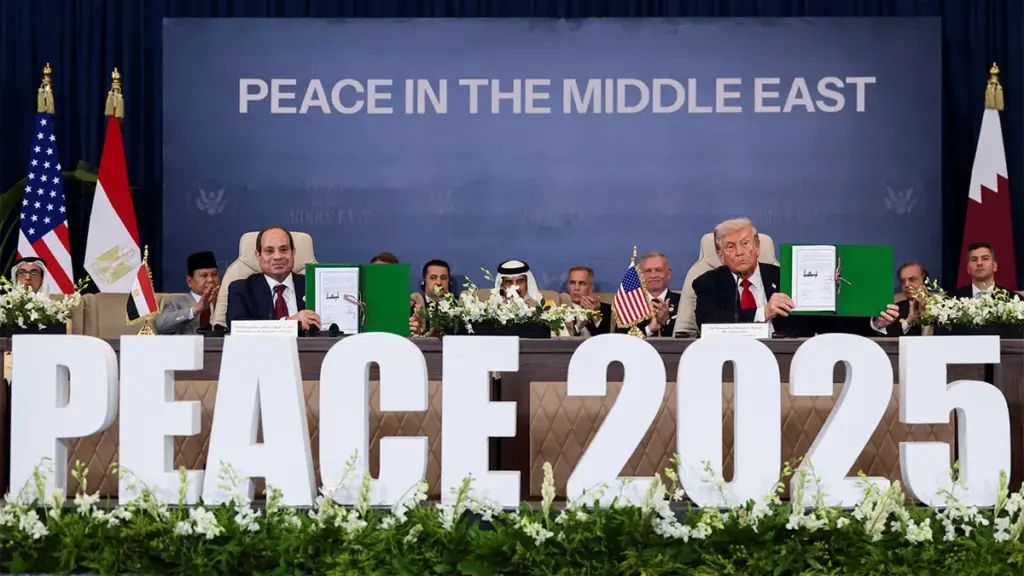
The Gaza peace plan, spearheaded by Donald Trump, aims to catalyze a resolution to the long-standing Israel Palestine conflict through a multi-faceted approach. This plan, which includes critical requirements such as Hamas disarmament, has been framed as a pathway to stability in a region often marred by violence. In recent remarks made alongside Israeli Prime Minister Benjamin Netanyahu, Trump emphasized the urgency of progress, warning Hamas of dire consequences if they do not comply with disarmament measures. As international stakeholders closely monitor the Middle East peace process, the implications of this plan extend beyond Gaza, intertwining with broader concerns including Iran’s nuclear threat and regional security dynamics. With the stakes so high, the unfolding developments will be pivotal in determining whether a lasting peace can be achieved in this turbulent region.
Initiatives for establishing peace in Gaza have become increasingly relevant as global tensions continue to escalate. The ongoing dispute between Israel and Hamas has prompted various diplomatic efforts aimed at promoting stability and reconciliation in the area. Key elements of these strategies, including the need for disarmament, underscore the complexity of achieving a negotiated settlement. With adversarial forces like Iran potentially playing a role in the broader geopolitical landscape, finding a viable solution to the Gaza situation is critical for the future of the entire region. As discussions evolve, the impact of international agreements on local governance and security remains a focal point in the international arena.
The Urgent Need for Hamas Disarmament
In the context of the enduring Israel Palestine conflict, the disarmament of Hamas has emerged as a crucial priority in President Trump’s Gaza peace plan. Trump firmly believes that Hamas’s disarmament is not only essential for the stability of the region but also a prerequisite for any substantial progress in the peace process. During his meeting with Israeli Prime Minister Netanyahu, he reiterated this stance, warning that failure to disarm would come with dire consequences for the militants. This emphasis on disarmament highlights the broader dynamics of Middle East politics, where militant groups like Hamas often complicate peace initiatives.
The challenge of disarming Hamas is laden with intricacies tied to the historical grievances between Israelis and Palestinians. Critics argue that calling for disarmament must be paired with movements towards establishing a Palestinian state, to ensure a balanced approach to peace. Without addressing these fundamental issues, there is a risk that disarmament efforts could backfire, leading to further antagonism rather than reconciliation. In this climate, the future of the Gaza peace plan hangs in the balance, as international stakeholders seek to navigate the tumultuous waters of regional security.
Progressing the Gaza Peace Plan
The Gaza peace plan proposed by Trump outlines a systematic approach to revitalizing a war-torn region. Central to this roadmap is the formation of a technocratic government in Gaza, coupled with the anticipated disarmament of Hamas and the withdrawal of Israeli forces. As Trump stated, quick progression to phase two is vital – a sentiment echoed in the international community’s growing impatience for a resolution to the long-standing Israel Palestine conflict. The timeline for these changes, however, remains contentious, with critics hinting that Netanyahu may deliberately slow the process.
In light of ongoing tensions, one must consider the implications of a stalled peace process not just for Gaza but for the entire Middle Eastern landscape. Reconstruction efforts cannot commence unless Hamas disarms and Israel pulls back its military presence. Each delay prolongs suffering for civilians and undermines faith in diplomacy. Thus, stakeholders must insist on accountable actions from both sides to fulfill their commitments in the Gaza peace plan, fostering a sustainable resolution that could ultimately lead to broader regional stability.
Iran’s Role in the Peace Equation
Iran’s involvement complicates the Middle East peace process significantly, as Trump cautioned against any nuclear ambitions from the country. Should Iran resume its ballistic missile program or nuclear weapons initiatives, the U.S. may reconsider its military stance in the region. The presence of Iranian influence, particularly through its support for groups like Hamas, raises questions about how robust a peace agreement can be in Gaza if it does not account for external threats that undermine stability. This dynamic is pivotal in understanding the larger geopolitical factors affecting the Israel Palestine conflict.
Furthermore, Iran’s assertive posture has led to rising tensions, as seen in their response to Trump’s rhetoric. Following his warnings, Iranian officials have made it clear that any aggression towards their country would prompt a fierce retaliation. These tensions must be managed effectively to create an environment conducive to peace in Gaza. A successful Gaza peace plan will need to navigate not only local actors but also the strategic calculations of Iranian leaders, emphasizing the need for comprehensive diplomatic engagements that include all major stakeholders.
Trump’s Vision for Reconstruction Efforts
Reconstruction efforts in Gaza are pivotal for any sustainable peace agreement, ushering in a sense of normalcy for its residents. President Trump’s optimism about initiating these efforts soon hinges on the successful disarmament of Hamas and adherence to the Gaza peace plan. The restoration of infrastructure will not only help alleviate humanitarian crises but also symbolize a new chapter free from the ongoing cycles of violence, fostering hope amongst the Palestinian populace. Nevertheless, actualizing these efforts demand immense international cooperation and funding to rebuild a war-torn society.
However, concerns linger regarding whether the reconstruction can truly commence without a solid foundation of trust between Israelis and Palestinians. Critics argue that any reconstruction should be contingent on genuine progress in peace talks, stressing the importance of a dual commitment to stability across both Israeli and Palestinian territories. Without such mutual investments in peace, the efforts might be perceived as superficial, perpetuating skepticism and undermining the long-term vision of a peaceful coexistence in a reconstituted Gaza.
Challenges Facing Netanyahu’s Leadership
Netanyahu’s leadership has faced scrutiny, particularly regarding his commitment to progressing the Gaza peace plan. Many observers argue that his insistence on disarming Hamas before pulling back Israeli troops demonstrates a reluctance to engage with broader Palestinian political aspirations. Critics contend that this approach risks stalling the peace process, undermining the urgency required to ensure lasting stability in Gaza and the entire region. Consequently, the tension between military priorities and political realities must be expertly navigated to achieve a breakthrough.
Moreover, Netanyahu’s balancing act of maintaining security while addressing the humanitarian needs in Gaza presents a complex dilemma. Should he prioritize military authority over potential diplomatic gains, it may hinder the collaborative spirit necessary for rebuilding relationships with Palestinian representatives. The international community remains hopeful that leadership within Israel will pivot towards genuine negotiations that reflect the aspirations of both Israelis and Palestinians, fostering a path forward amidst strife.
Future Implications of the Gaza Peace Plan
The ramifications of the Gaza peace plan extend beyond immediate military outcomes, shaping the future of the Israel Palestine conflict for generations to come. If executed successfully, the plan could establish a framework for conflict resolution that other regions embroiled in turmoil might emulate. However, the path to peace is fraught with setbacks as both sides grapple with entrenched narratives and deep-rooted grievances. Trump’s proposal seeks to transform these age-old disputes into actionable frameworks that transcend traditional hostilities, emphasizing the need for a shift in geopolitical paradigms.
Additionally, the plan’s success will depend on external factors, including the geopolitical landscape of the Middle East, particularly with Iran’s ongoing nuclear threat adding layers of complexity to diplomatic relations. Engaging with regional allies and adversaries alike will be crucial to facilitate an environment conducive to lasting peace. Each step taken or delayed has broader consequences, not only for Israel and Palestine but for the stability of the Middle East, urging all stakeholders to remain invested in a collective quest for a peaceful resolution.
International Reactions to the Gaza Peace Plan
The reaction to Trump’s Gaza peace plan from the international community has been mixed, as nations weigh the implications for Middle East stability. Allies like Israel welcome a supportive U.S. stance, while many Arab nations express concern, viewing the plan as potentially reinforcing existing power imbalances in the region. This dichotomy in responses underscores the necessity of diplomacy that prioritizes equitable solutions for both Palestinians and Israelis while navigating the broader geopolitical currents of the Middle East.
Condemnation of the peace plan from Palestinian factions, particularly regarding disarmament demands, further complicates the landscape. Many argue that true peace cannot emerge from enforced disarmament without addressing the underlying issues of sovereignty and statehood. The international community must balance these perspectives, cultivating dialogue that acknowledges the legitimate rights and aspirations of all parties involved. Only through open, inclusive negotiations can a viable path toward peace be forged that resonates across the diverse constituencies in the region.
Security Concerns and Military Operations
Security serves as a fundamental pillar of both Trump’s Gaza peace plan and the longstanding Israel Palestine conflict. Trump’s assertions regarding potential military strikes against Iran underscore the interconnectedness of regional security dynamics. As Hamas continues to launch attacks from Gaza, Israel’s military responses remain a focal point, highlighting the delicate balance required to maintain peace while addressing immediate threats. Efforts to disarm Hamas hinge on credible security assurances that both parties can trust, a challenging proposition amidst ongoing violence.
Critics argue that mere military operations are insufficient for long-term stability; rather, they must be paired with comprehensive peace initiatives that address grievances on both sides. A sustainable approach involves critical examination of military and political strategies, redirecting efforts toward constructive engagement rather than exacerbation of conflict. Heightened security concerns, including Iran’s influence, necessitate collaboration on both local and international levels to foster conditions that prioritize mutual security and trust.
Long-Term Strategies for Middle East Peace
Achieving long-lasting peace in the Middle East demands more than just immediate ceasefire agreements or unilateral peace plans. A more comprehensive strategy recognizing the multifaceted nature of the Israel Palestine conflict is necessary. This entails engaging with various stakeholders, including moderate voices within Palestinian leadership and regional allies, to cultivate an environment prompting dialogue and reconciliation. It is through such collaborative frameworks that the nuanced interests and aspirations of both Israelis and Palestinians can be genuinely addressed.
Furthermore, international cooperation is paramount for long-term strategies to hold weight. Efforts to rebuild Gaza and promote a prosperous future hinge on external support from global powers seeking to stabilize the region. Reinforcing foundations of governance, economic opportunity, and coexistence not only responds to immediate recovery needs but builds resilience against extremist ideologies. As uncertainties loom large over the Gaza peace plan’s implementation, a holistic approach could sow the seeds for enduring peace across the Middle East.
Frequently Asked Questions
What are the main components of the Trump Gaza peace plan?
The Trump Gaza peace plan outlines 20 key points, which include requiring Hamas to disarm, allowing for the establishment of a technocratic government in Gaza, and organizing Israeli troop withdrawals to facilitate reconstruction efforts in the region.
How does the Gaza peace plan address Hamas disarmament?
The Gaza peace plan stipulates that Hamas must disarm in a specified timeframe to progress to the next phase. This is crucial for the plan’s success, as it aims to ensure security and pave the way for rebuilding Gaza.
What is the significance of the Iran nuclear threat in the context of the Gaza peace plan?
The Iran nuclear threat is significant as U.S. support for the Gaza peace plan is intertwined with broader Middle East security concerns. Trump has indicated that the U.S. may respond with military action against Iran should it engage in nuclear weapons development, which could impact regional stability during the peace negotiations.
How does the Gaza peace plan relate to the Israel Palestine conflict?
The Gaza peace plan seeks to address core issues of the Israel Palestine conflict by proposing a framework for negotiations that includes disarmament of Hamas, reconstruction of Gaza, and potential pathways for Palestinian statehood, thereby aiming for a sustainable peace.
What role does the United States play in advancing the Gaza peace plan?
The United States, under Trump, is playing a pivotal role by facilitating dialogue between Israel and Hamas, urging rapid progress on disarmament, and showing willingness to support military action to counteract threats from Iran, all of which are considered crucial actions for the implementation of the Gaza peace plan.
What concerns have been raised about the implementation of the Gaza peace plan?
Critics have raised concerns that Israeli Prime Minister Netanyahu may delay the execution of the Gaza peace plan’s phases, particularly by insisting on Hamas disarmament before any Israeli military withdrawal, which could obstruct the process and hinder Palestinian aspirations.
How has the ongoing violence affected perceptions of the Gaza peace plan?
The ongoing violence and casualties during the ceasefire period have led to skepticism regarding the feasibility of the Gaza peace plan, raising questions about Israel’s commitment and Hamas’ willingness to disarm, which are critical for achieving lasting peace.
Can the Gaza peace plan influence US-Iran relations?
Yes, the Gaza peace plan could influence US-Iran relations by necessitating a stable Middle East environment. Any aggression from Iran or destabilizing actions could provoke a U.S. response that complicates the peace process, thus intertwining diplomatic efforts on both fronts.
What is the expected outcome if Hamas does not comply with the Gaza peace plan?
If Hamas does not comply with the Gaza peace plan by failing to disarm, Trump has warned of severe consequences for the group, which could include increased military action from Israel and further international isolation, jeopardizing the peace process.
How does the Gaza peace plan aim to change the governance in Gaza?
The Gaza peace plan aims to establish a technocratic government in Gaza, which would facilitate better governance and stability in the region, ideally leading to improved conditions for the Palestinian populace and advancing the peace process.
| Key Point | Details |
|---|---|
| Gaza Peace Plan Overview | The plan consists of 20 points focusing on disarmament of Hamas and reconstruction efforts in Gaza. |
| Trump’s Remarks | Trump emphasized quick progression to phase two of the peace plan, warning of consequences for Hamas if they do not disarm. |
| Israel’s Compliance | Trump stated that Israel has adhered fully to the plan amidst ongoing military operations in Gaza. |
| Consequences for Hamas | Trump warned of serious repercussions for Hamas if they fail to disarm as agreed. |
| Iran’s Response | Iran’s top political adviser threatened immediate retaliation against any aggression from the U.S. |
| Criticism of Netanyahu | Critics suggest Netanyahu may delay withdrawal of Israeli troops until Hamas disarms. |
| Current Situation in Gaza | Reports indicate that at least 414 Palestinians have been killed since the ceasefire would began. |
| Broader Regional Issues | Discussions also included tensions with Syria and Hezbollah, with hopes for peaceful relations. |
Summary
The Gaza peace plan aims to establish a framework for lasting peace in the region and facilitates critical steps towards disarmament of Hamas, reconstruction efforts, and ultimately a peaceful coexistence. With strong statements from Donald Trump about disarming Hamas and potential consequences for delays, the importance of rapid action can’t be underestimated. The international community is watching closely, and progress on this front is vital for stability in Gaza and surrounding areas.