Listen to this article
Gaza heritage restoration is more than just a rebuilding effort; it’s a vital mission to preserve the profound cultural identity of Palestine. Amid the rubble of iconic Gaza heritage sites, including the storied Great Omari Mosque, dedicated workers are tirelessly striving to recover and restore what remains of their historical legacy. International support, alongside local initiatives focused on cultural preservation Gaza, has become essential as the region navigates the aftermath of war. Initiatives like manuscript recovery Gaza highlight the resilience of Palestinian heritage amid immense challenges. As the restoration process unfolds, the commitment to safeguarding these invaluable Palestinian heritage sites reflects a deep determination to honor a history that exceeds 5,000 years.
The preservation of Gaza’s cultural legacy has entered a critical phase, as efforts to restore its historical landmarks become increasingly urgent. Known for its ancient roots, Gaza is home to various significant sites, including the majestic Great Omari Mosque, which has faced devastating damage. Local initiatives, often supported by global organizations, focus on reviving and maintaining the region’s rich heritage amidst ongoing conflicts. Efforts to save fragmented manuscripts and artifacts symbolize a broader dedication to cultural preservation within Gaza’s borders. This endeavor not only aims to recover lost treasures but also seeks to foster a renewed sense of identity and hope among the Palestinian people.
The Urgent Need for Gaza Heritage Restoration
In the aftermath of intense conflict, Gaza’s heritage faces unprecedented threats, prompting urgent restoration efforts. The destruction of key sites, such as the Great Omari Mosque, underscores the critical need for cultural preservation in Gaza. These heritage sites are not merely architectural landmarks; they represent the collective memory and identity of the Palestinian people. Engineers and conservationists are hard at work, both in clearing debris and initiating the first stages of restoration. However, they are hampered by a severe shortage of resources, including construction materials and equipment.
The challenges of Gaza heritage restoration are compounded by political and logistical constraints. With the ongoing restrictions on the movement of goods into Gaza, the actual restoration work remains largely on hold. Preservationists emphasize that every piece of rubble cleared is a step toward reclaiming an irreplaceable part of Palestinian culture. Despite these obstacles, local organizations are committed to safeguarding the remnants of Gaza’s storied past, seeking international support to continue these efforts.
The Role of Manuscript Recovery in Cultural Preservation
Amid the broader efforts to recuperate heritage sites, the recovery of ancient manuscripts stands as a testament to Gaza’s rich literary history. Conservationists like Hanin al-Amsi are undertaking a meticulous process to salvage and restore manuscripts that date back centuries. This initiative not only addresses the physical restoration of documents but also aims to preserve the intellectual and cultural legacies embedded within these writings. The International support, particularly from organizations such as the British Council, plays a critical role in expediting these efforts, allowing for the systematic recovery and restoration of numerous manuscripts.
By employing cutting-edge conservation techniques, experts are working to stabilize and restore manuscripts that survived the chaos. Each recovered piece offers unique insights into Gaza’s past civilizations, highlighting the importance of these artifacts in understanding the region’s shared history. In this context, manuscript recovery in Gaza becomes more than a task of preservation; it symbolizes a cultural renaissance for the Palestinian people, reinforcing their identity and heritage against the backdrop of conflict.
Challenges Faced in Restoring the Great Omari Mosque
The Great Omari Mosque, with its remarkable octagonal minaret and historical significance, stands as a vital symbol of Palestinian heritage. However, the mosque’s condition following the recent conflicts has prompted extensive restoration efforts. The destruction inflicted upon this landmark reflects broader patterns of cultural targetting that grievances have brought to light. Engineers and workers are reported to face immense challenges, from the manual clearance of rubble to the need for securing essential construction materials.
Moreover, these restoration activities often unfold in precarious conditions, balancing between operational requirements and ongoing threats from surrounding conflicts. The need for adequate planning and international support becomes clear as teams strive to restore the mosque while preserving its historical integrity. Efforts to restore the Great Omari Mosque will require innovative approaches and resilience, underscoring how heritage restoration can serve as a pathway towards healing and cultural reaffirmation within Gaza.
UNESCO and International Support for Gaza’s Cultural Sites
In recognition of the extensive damage to cultural properties during the recent conflict, UNESCO has embarked on verifying destruction at over 145 historical and religious sites in Gaza. Their involvement signals a global acknowledgment of the importance of preserving cultural heritage, even amidst warfare. This international focus on cultural preservation is crucial, as it often catalyzes funding and resources that are essential for restoration efforts. Local groups collaborating with UNESCO report findings on the ground, helping to provide a clearer picture of the true extent of damage sustained.
As the recovery efforts progress, the international community’s support is indispensable. Funding from global organizations, especially for emergency restorations, ensures that sites will not only be salvaged but revitalized once more. The collaboration fosters a network of solidarity for cultural preservation in Gaza, as practitioners from various backgrounds come together with a shared goal of restoring Palestinian heritage. By prioritizing these cultural efforts, stakeholders reinforce the notion that heritage and identity must endure, even in challenging circumstances.
Palestinian Heritage Sites: The Heart of Gaza’s Cultural Identity
The myriad historic sites scattered throughout Gaza encapsulate its rich cultural tapestry, weaving a complex narrative of civilization that spans over 5,000 years. From ancient Roman ruins to the Ottoman architecture of the Great Omari Mosque, these locations are invaluable not just as tourist attractions but as critical components of Palestinian identity. The present conflict has endangered these sites, resulting in significant losses that can ultimately affect not only archaeological narratives but also community relationships and cultural continuity.
Activists and experts stress the necessity of safeguarding these heritage sites as conduits of cultural transmission. They represent the stories and values that resonate through generations, serving as reminders of resilience and history. Future efforts should thus prioritize comprehensive plans for both restoring these sites and establishing educational programs aimed at fostering cultural appreciation. The fight to preserve Palestinian heritage stands as a testament to the enduring spirit of the people, placing cultural resilience at the forefront of national identity.
Collective Memory and the Importance of Cultural Heritage
Cultural heritage goes beyond material artifacts; it embodies collective memory and historical consciousness. In Gaza, heritage sites and manuscripts serve as focal points for community identity, reinforcing a sense of belonging among Palestinians. The destruction of these symbols can inflict deep psychological wounds, making the restoration and preservation efforts not just practical tasks, but essential acts of cultural affirmation. By engaging local and international stakeholders in these initiatives, these contested narratives can be actively promoted and preserved.
Moreover, fostering a culture of remembrance through the preservation of heritage sites establishes a space for dialogue and reconciliation. As adequate resources are mobilized to restore these significant sites and artifacts, they become platforms for sharing stories of resilience, unity, and hope. Ultimately, the restoration of cultural heritage in Gaza serves as a fundamental effort towards healing and understanding in a region grappling with the repercussions of conflict.
International Collaboration for Gaza Heritage Recovery
The recovery of Gaza’s heritage is intrinsically linked to international collaboration, with various organizations stepping up to support restoration efforts. By pooling resources and expertise, local teams are better equipped to tackle the immense challenges posed by the destruction of cultural sites, especially under the constraints of ongoing conflict. This collaborative spirit fosters a sense of community among cultural practitioners and historians, all working towards a common goal of salvaging the past for future generations.
In light of the recent ceasefire, the role of international organizations becomes even more critical as they provide the necessary funding and technical support needed for comprehensive restoration. The partnerships formed between local groups and global entities pave the way for new damage assessments and rehabilitation programs aimed at ensuring the longevity of Gaza’s cultural treasures. Stakeholders remain hopeful that through continued collaboration, a robust framework for cultural heritage preservation can emerge, facilitating both recovery and resilience.
The Future of Gaza’s Cultural Heritage: Reconstruction and Hope
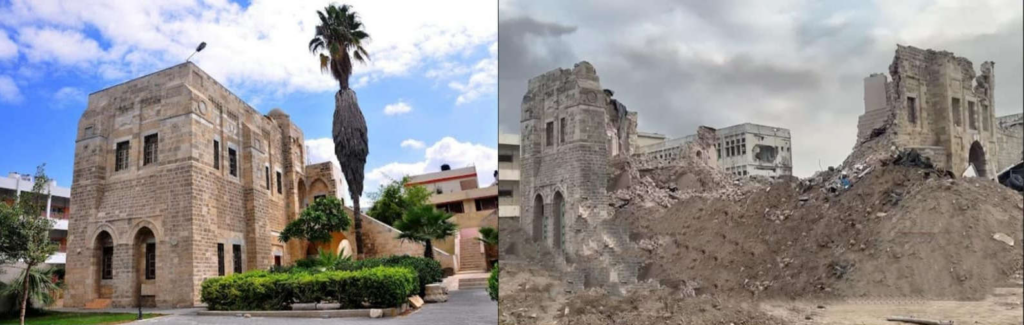
As Gaza begins the process of recovering from the warfare, a renewed focus on the future of its cultural heritage emerges as a beacon of hope. The ability to restore and reconstruct sites like the Great Omari Mosque and Pasha’s Palace signifies not just physical rebuilding, but the reinstatement of identity and pride for the Palestinian people. For many, these heritage sites are symbols of resilience, embodying the spirit of a community that has survived adversity.
Looking ahead, initiatives focusing on cultural preservation must be prioritized in reconstruction efforts to ensure that the lessons learned during times of conflict lead to sustainable strategies for the future. Rebuilding not just infrastructures, but also cultural landmarks, serves to reinforce the importance of heritage in creating a cohesive social fabric. The path to restoration and recovery remains fraught with obstacles, yet the commitment to preserving Gaza’s heritage instills hope for generations yet to come.
Challenges and Innovations in Heritage Restoration
The challenges faced in restoring heritage sites like the Great Omari Mosque highlight the need for innovation in conservation techniques. With limited access to modern tools and materials, local workers are often forced to devise creative solutions that adhere to traditional building practices. This ingenuity underscores the resilience of the Palestinian people, who view these conservation efforts as both a duty and a form of resistance against cultural erasure.
As experts examine new methods and collaborate with international conservators, there is hope that the heritage restoration process can also foster sustainable development. Integrating traditional craftsmanship with contemporary conservation techniques may not only yield better results but also create opportunities for economic growth and cultural engagement. This innovative spirit suggests that while the journey may be steep, the path toward restoring Gaza’s rich heritage is filled with potential.
Frequently Asked Questions
What efforts are being made for Gaza heritage restoration post-war?
Following the recent conflicts, efforts for Gaza heritage restoration are underway, focusing on clearing rubble from damaged sites such as the Great Omari Mosque and the Pasha’s Palace. Palestinian workers, supported by cultural organizations like Riwaq and the British Council, are mobilizing to recover and restore Gaza’s invaluable heritage sites, even amidst challenges such as limited resources and access.
How is the restoration of the Great Omari Mosque being approached?
The restoration of the Great Omari Mosque, Gaza’s oldest mosque, has commenced with the careful clearing of rubble and sorting of historical stones. Engineers and workers are using primitive tools due to the scarcity of construction materials, all while preserving the ancient integrity of the structure as they plan for future restoration efforts once resources become available.
What cultural preservation initiatives are in place for Gaza’s manuscripts?
Cultural preservation initiatives for Gaza’s manuscripts include efforts led by conservationists like Hanin al-Amsi, who are working to recover and restore rare Islamic manuscripts from the Great Omari Mosque’s library. These initiatives, supported by international funding, focus on performing delicate ‘first aid’ to damaged manuscripts, ensuring that historical records of Palestinian heritage are safeguarded for future generations.
What has UNESCO reported regarding damage to Gaza’s heritage sites?
UNESCO has confirmed damage to 145 religious, historic, and cultural sites in Gaza due to the recent conflicts. This extensive assessment highlights the catastrophic losses incurred by invaluable Palestinian heritage sites, prompting calls for urgent restoration efforts to preserve what’s left of Gaza’s rich history.
How are local and international organizations contributing to Gaza heritage restoration?
Local and international organizations, including the Geneva-based Aliph Foundation and the British Council, are playing crucial roles in Gaza heritage restoration efforts. They are providing financial support and coordination for emergency assessments, while local workers on the ground focus on clearing debris and recovering artifacts, demonstrating a committed approach to cultural preservation amidst ongoing challenges.
What challenges does Gaza heritage restoration face after recent conflicts?
Gaza heritage restoration faces significant challenges, including the scarcity of essential construction materials, access issues due to military presence, and the extensive damage to numerous sites. Despite these hurdles, cultural organizations and local volunteers persist in their commitment to rescue and restore Gaza’s historic sites and artifacts.
How does the recovery of manuscripts relate to Gaza’s cultural preservation?
The recovery of manuscripts is a vital aspect of Gaza’s cultural preservation efforts, as these works represent a rich tapestry of Islamic heritage. Conservationists are striving to recover these important documents and perform restoration work to protect the history they embody, thereby contributing significantly to the overall heritage restoration initiatives underway in Gaza.
Why is the restoration of the Pasha’s Palace significant for Palestinian heritage?
The restoration of the Pasha’s Palace holds great significance for Palestinian heritage as it symbolizes the identity and memory of the Palestinian people. Efforts led by experts to preserve this historic landmark highlight the importance of safeguarding cultural artifacts that embody the legacy and history of Gaza, demonstrating a commitment to cultural nationalism through heritage preservation.
| Key Points | Details |
|---|---|
| Damage to Heritage Sites | 145 religious, historic, and cultural sites verified by UNESCO as damaged, with significant losses reported. |
| Current Recovery Efforts | Dozens of Palestinian workers are clearing ruins with limited resources due to the blockade preventing construction materials from entering Gaza. |
| Manuscript Recovery | Efforts led by Hanin al-Amsi to salvage manuscripts, many dating back to the 13th Century, with some surviving thanks to previous preservation efforts. |
| International Support | Organizations like the British Council and Aliph Foundation are providing funding and expertise for restoration work. |
| Historical Significance | Gaza has a 5,000-year history with many civilizations contributing to its rich cultural heritage, which is now at risk. |
| Ongoing Challenges | Despite ceasefires, recovery efforts are hampered by resource scarcity, safety concerns, and continued military presence affecting access. |
Summary
Gaza heritage restoration is crucial as it highlights the ongoing efforts to salvage the remnants of the region’s rich history, significantly impacted by recent conflicts. The restoration work aims not only to recover physical structures but also to preserve the cultural identity of the Palestinian people, which has been deeply intertwined with these heritage sites for millennia.