Listen to this article
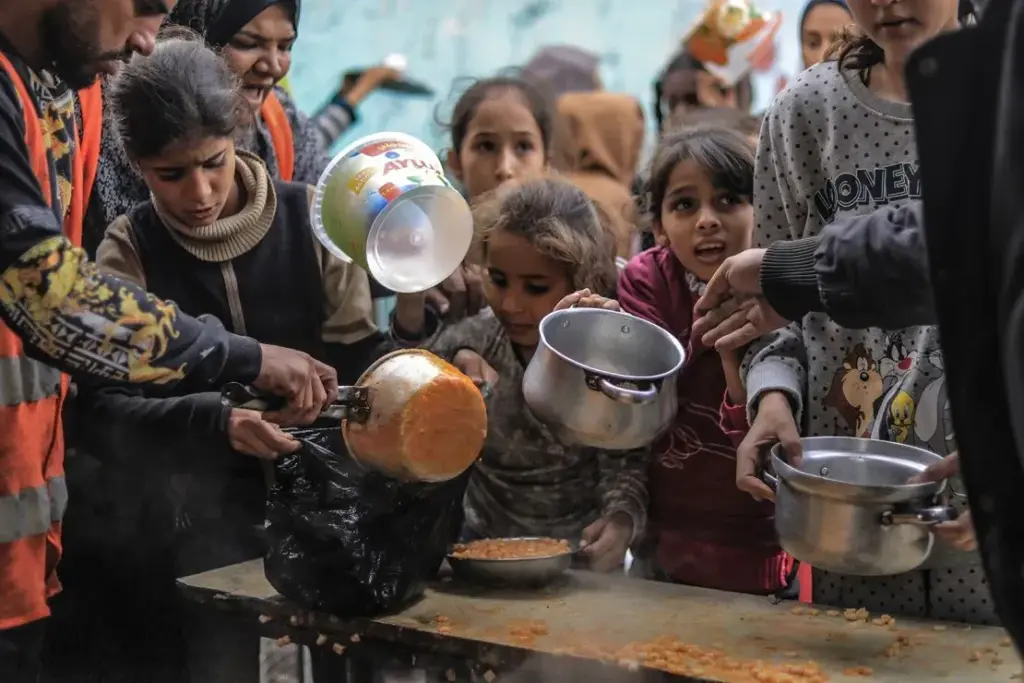
Gaza food insecurity continues to plague the region, affecting hundreds of thousands despite recent efforts to stabilize the situation. Following a ceasefire, UN-backed experts have reported improvements in nutrition and food supplies; however, an alarming 100,000 individuals remain in dire “catastrophic conditions.” The Integrated Food Security Phase Classification (IPC) indicates that approximately half a million people—about 25% of Gaza’s population—still deal with critical hunger issues. While the UN humanitarian aid to Gaza has increased, controversies regarding the IPC hunger report raise questions about the accuracy of the data being used. As local experts and humanitarian organizations navigate this complex landscape, the need for food supply improvements in Gaza remains paramount to avert a worsening crisis.
The ongoing dilemma of hunger and malnutrition in the Gaza Strip highlights a humanitarian crisis of substantial proportions. Many inhabitants face severe shortages as the impacts of conflict and economic instability linger. While some reports suggest that conditions have improved since the cessation of hostilities, the reality is that significant portions of the population still endure severe food scarcity. Continuous international scrutiny and assessments, such as those conducted by UN agencies, reveal the underlying struggles faced by Gazans. As alternative means of support are discussed, it becomes crucial to prioritize and facilitate effective aid channels to advance food security solutions in the region.
Current State of Food Insecurity in Gaza
Despite notable improvements in nutrition and food supplies in Gaza since the recent ceasefire, the reality remains grim for many residents. A troubling report by the Integrated Food Security Phase Classification (IPC) indicates that around 100,000 individuals are still enduring ‘catastrophic conditions.’ This represents an urgent call for international attention and assistance as approximately half a million people grapple with extreme food insecurity, which the IPC categorizes under Phase 5, signifying famine conditions. The ongoing challenges emphasize the fragility of the humanitarian situation, suggesting that while aid increases are present, they are insufficient to meet the overwhelming need.
The complexity of Gaza’s food insecurity is further emphasized by the continued criticism of the IPC’s findings by Israeli authorities, who argue that the reports do not accurately reflect the reality on the ground. Nevertheless, humanitarian efforts have intensified since the ceasefire, with the UN and various agencies boosting food shipments significantly. However, conditions remain critical in regions like Gaza City and Khan Younis, where acute malnutrition rates are alarming. The IPC’s findings serve as a stark reminder of the precariousness of food access and nutrition in the territory, necessitating ongoing vigilance and support from the international community.
Impact of the Ceasefire on Food Supplies
Following the ceasefire between Israel and Hamas, there has been a notable uptick in food aid entering Gaza. The UN and other humanitarian organizations have reported that food supply improvements in the region are beginning to base a foundation of recovery; however, this increase is overshadowed by ongoing concerns about safety and accessibility amidst tensions. Reports state that the quantity of aid trucks surpasses UN estimates, prompting Israel to question the accuracy of the IPC data collection methods. The ongoing debate around the effectiveness of humanitarian aid is crucial as Gaza transitions from emergency conditions toward recovery.
While the sheer volume of shipments has improved, the IPC continues to caution that the situation remains ‘highly fragile.’ The optimism surrounding the increased food supplies may be short-lived if the underlying causes of food insecurity—such as restricted access and the destruction of livelihoods—remain unaddressed. Future prospects depend on sustained humanitarian access and resolution of the underlying conflict dynamics to ensure that food supplies can reach those in need, creating a genuine path to improved food security for the people of Gaza.
UN Humanitarian Aid Efforts in Gaza
United Nations humanitarian aid in Gaza has become a focal point in addressing the critical needs of Palestinians facing dire living conditions. Organizations such as Unwra have taken steps to address these issues, although considerable challenges remain. The recent IPC report indicates that, although Gaza is no longer classified as being in famine, the overall situation is still dire, exacerbated by winter and persistent economic hardships. The call for “sustained, expanded, and consistent humanitarian and commercial access” highlights the necessity of a multifaceted approach to alleviate the suffering of Gaza’s population.
International aid efforts have seen some success in improving food and nutrition access, but these initiatives must be complemented by political stability and long-term developmental support. The conflicting narratives around the efficacy of aid reveal a critical need for improved communication between agencies and local authorities. Collaborative efforts that involve key stakeholders in the region, alongside transparent methodologies, will be essential to ensure that aid reaches the most vulnerable populations effectively and efficiently.
Future Projections of Food Security in Gaza
Looking ahead, the Integrated Food Security Phase Classification has made projections about food security in Gaza, indicating a potential decrease in the number of individuals facing extreme insecurity in the coming months. However, the projection remains contingent on various factors, such as ongoing hostilities and further humanitarian access. With current estimates suggesting that the number suffering in IPC Phase 5 may drop significantly, the situation’s precariousness indicates that any setbacks could quickly reverse these gains, plunging the population back into crisis.
The fragility of food security in Gaza necessitates continuous monitoring and proactive measures to avert a return to famine conditions. By addressing the key factors that contribute to food insecurity, such as displacement and barrier to agricultural activities, there is an opportunity for significant improvement. Strategic planning that incorporates both immediate humanitarian needs and long-term agricultural recovery will be vital to ensure that food supply improvements are sustainable and that a new humanitarian crisis does not emerge.
Hunger and Malnutrition: A Continuing Crisis
Malnutrition continues to be a severe issue in Gaza, despite food supply improvements. The IPC report highlights critical levels of acute malnutrition in areas such as Gaza City and severe situations in Deir al-Balah and Khan Younis. As conditions remain dire, public health and nutrition programs must be prioritized to help ameliorate the suffering of those most affected. Comprehensive strategies that include nutritional education alongside food distribution could contribute significantly to improving health outcomes.
Moreover, the effects of malnutrition in children are particularly alarming, as they can have lingering impacts on development and health. Tackling malnutrition not only requires immediate food provisions but also support for local agriculture and dietary education to cultivate long-term resilience in the community. As international and local aid organizations work together, it is crucial to ensure that programs are tailored to meet the unique needs of the population to effectively combat hunger and malnutrition.
The Role of International Aid Organizations
International aid organizations play a pivotal role in stabilizing the situation in Gaza, working tirelessly to provide essential resources and support. Agencies such as the UN and the International Red Cross are crucial in delivering not just food and medical supplies but also critical information to inform local populations about available resources. These organizations often act as intermediaries, ensuring that humanitarian aid reaches those in need amid complex political and logistical challenges.
As the humanitarian landscape evolves in Gaza, there is a pressing need for international agencies to adapt and innovate their approaches. By leveraging new technologies and methodologies for data collection, these organizations can better assess needs and allocate resources effectively. Collaboration and communication among international entities, coupled with local insights, will be essential for creating effective responses that address the root causes of food insecurity and support the long-term recovery of the Gazan community.
Food Supply Logistics Challenges in Gaza
Logistical challenges pose significant barriers to the efficient delivery of humanitarian aid in Gaza. Issues such as border restrictions, bureaucratic hurdles, and infrastructure limitations hinder the timely distribution of food and essential supplies. The ongoing debate regarding the volume of aid entering Gaza underscores the complexity of operational logistics and necessitates streamlined processes to improve access. The more effectively logistical challenges are addressed, the more improved conditions can be facilitated for the people affected by continuous humanitarian crises.
The critical role of organizations responsible for managing aid delivery cannot be overstated. With the responsibility of facilitating food and medical supplies reaching the most vulnerable populations, these organizations must explore alternative logistics strategies that can adapt to the volatile situation. Investments in infrastructure and collaboration with local agencies are key components that could enhance the capacity to deliver aid in a timely manner while minimizing the impact of external barriers that affect operations.
Coordination Between Humanitarian Agencies and Authorities
Effective coordination between humanitarian agencies and local authorities is crucial for tackling food insecurity in Gaza. As various stakeholders work to alleviate the humanitarian crisis, aligning efforts to optimize resource distribution will enhance the efficiency of aid delivery. Miscommunication and misunderstandings can lead to redundancies or gaps in aid, ultimately affecting those in desperate need. A well-coordinated approach ensures that resources are allocated based on the most urgent needs identified through proper data collection and assessments.
Furthermore, strengthening partnerships with local communities can empower residents to voice their needs and establish a better understanding of the ongoing humanitarian conditions. Engaging community leaders in the planning and execution of programs ensures that aid efforts are culturally sensitive and more effectively address the root causes of food insecurity. This engagement is vital to building trust between humanitarian agencies and local authorities, fostering an environment conducive to sustained support.
Addressing the Economic Factors Influencing Food Insecurity
Economic instability plays a substantial role in food insecurity in Gaza, where unemployment rates remain critically high and resources are scarce. The destruction of livelihoods and infrastructure, exacerbated by ongoing conflict, has left a significant portion of the population in dire straits. To alleviate food insecurity effectively, economic opportunities must be prioritized, fostering job creation and sustainable development. Measures towards economic redevelopment, restoration of agricultural activities, and support for local industries are pivotal in combatting hunger.
Addressing economic factors also requires comprehensive international support aimed at rebuilding Gaza’s economy. Collaborations between international financial institutions and local stakeholders can help facilitate investments in infrastructure and business development. By fostering an environment conducive to economic growth, it would not only provide immediate relief to food insecurity but also work toward establishing long-term stability and resilience among the population.
Frequently Asked Questions
What is the current state of food insecurity in Gaza, following the recent ceasefire?
Following the Gaza ceasefire, food insecurity remains a pressing issue. Although there have been improvements in nutrition and food supplies since the ceasefire, as reported by UN-backed experts, approximately 100,000 individuals are still facing ‘catastrophic conditions’. The latest Integrated Food Security Phase Classification (IPC) highlighted that around half a million people, about a quarter of Gaza’s population, are living under emergency food conditions. The situation, while showing potential for improvement, is still considered highly fragile.
How does the IPC classify food insecurity in Gaza?
The Integrated Food Security Phase Classification (IPC) classifies food insecurity on a scale from Phase 1 (minimal) to Phase 5 (famine). According to the latest IPC hunger report, there are still significant concerns in Gaza, as over 100,000 people are categorized in IPC Phase 5, experiencing catastrophic food insecurity. This classification underscores the critical need for ongoing humanitarian assistance and highlights the precarious conditions many Gazans are enduring.
What role does UN humanitarian aid play in improving food security in Gaza?
UN humanitarian aid is crucial in improving food security in Gaza, especially since the ceasefire between Israel and Hamas. The UN and various humanitarian agencies have significantly increased food shipments into the region, addressing the dire needs of those affected by food insecurity. Despite these efforts, challenges remain, as highlighted by reports indicating that approximately half a million people still face emergency food situations. Continued support from the international community is essential for sustained improvements in food supply.
What are the main factors contributing to food insecurity in Gaza?
The main factors contributing to food insecurity in Gaza include restricted humanitarian access, the displacement of over 730,000 people due to conflict, and the destruction of livelihoods, significantly affecting food production. Reports indicate that over 96% of Gaza’s farmland has been damaged or rendered inaccessible. These conditions, exacerbated by the blockade and the situation’s fragility, underline the urgent need for humanitarian aid and long-term solutions to address food supply improvements in Gaza.
Is Gaza currently experiencing famine according to the latest reports?
As per the latest IPC analysis, Gaza is not currently classified as experiencing famine. The IPC report indicated that while many people suffer from high levels of food insecurity, there are no areas in Gaza classified as being in famine. However, the situation is serious, with significant portions of the population—over 100,000 people—still facing catastrophic food conditions. Continued monitoring and support from humanitarian agencies remain critical to prevent future escalation.
How has the ceasefire impacted food security in Gaza?
The ceasefire has led to improvements in food security in Gaza, primarily through increased food shipments facilitated by UN humanitarian aid. However, despite these improvements, the IPC reported that around half a million people still live in emergency food conditions, indicating that while the ceasefire has provided some relief, the underlying issues of food insecurity remain unaddressed and fragile.
What is the significance of the IPC hunger report for Gaza’s food crisis?
The IPC hunger report serves as a critical assessment of food security in Gaza, providing insights into the scale and severity of the food crisis. It classifies the population’s food security status, indicating that while improvements have occurred since the ceasefire, roughly 100,000 people are still under IPC Phase 5, experiencing catastrophic conditions. This report emphasizes the need for sustained humanitarian access and interventions to alleviate the ongoing crisis.
What measures are needed to address food supply improvements in Gaza?
To effectively address food supply improvements in Gaza, it is essential to ensure unrestricted humanitarian access, address the needs of displaced populations, and restore livelihoods impacted by the conflict. A sustained and coordinated effort by humanitarian agencies, alongside international support, is crucial to facilitate food distribution, improve agricultural infrastructure, and ultimately enhance food security for the Gazan population.
| Key Point | Details |
|---|---|
| Current Food Insecurity Status | 100,000 people in Gaza faced catastrophic conditions as of last month, with half a million living in areas experiencing famine. |
| Impact of Ceasefire | Since the ceasefire, humanitarian agencies have increased food shipments, yet the situation remains highly fragile. |
| Critical Malnutrition Levels | Acute malnutrition is at critical levels in Gaza City, with severe conditions in other areas. |
| Response to IPC Reports | Israel’s foreign ministry criticized the IPC report, claiming it does not reflect the reality on the ground and citing data gaps. |
| Factors Contributing to Food Insecurity | Contributing factors include restricted humanitarian access, displacement of people, and destruction of farmland. |
| Long-Term Projections | While the number of individuals in extreme food insecurity is projected to drop by April, the situation could worsen if hostilities resume. |
| Overall Living Conditions | The overall living conditions in Gaza remain critical, exacerbated by winter, and require sustained humanitarian access. |
Summary
Gaza food insecurity remains a pressing issue, despite the reported improvements in nutrition and food supplies following the ceasefire. Recent reports highlight that a significant portion of the population continues to endure life-threatening food shortages and malnutrition, necessitating urgent humanitarian action.