Listen to this article
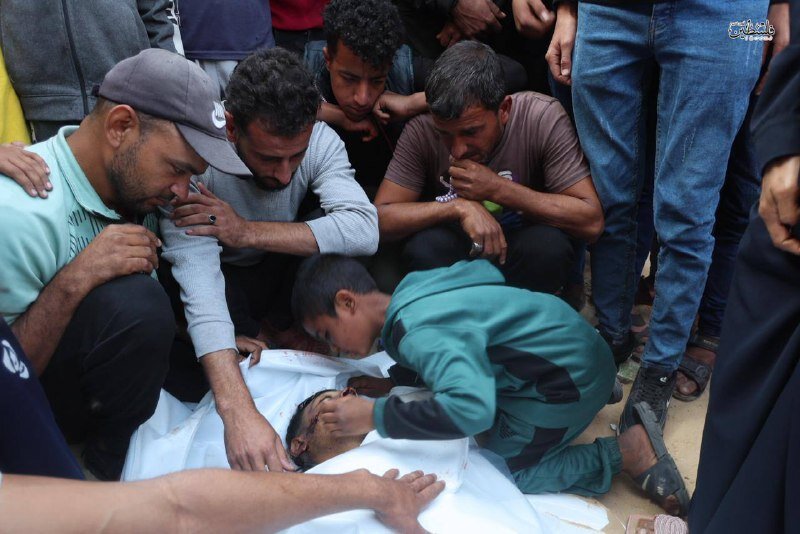
The Gaza death toll has reached a staggering 70,100 Palestinians, a number that reflects the devastating impact of Israel’s ongoing military campaign in the region. As reported by the Gaza Ministry of Health, the casualties continue to escalate even after a ceasefire took effect on October 10, highlighting the complex and volatile nature of the conflict. Recent Israel air strikes have been categorized as violations of the truce, provoking outrage and sorrow among Palestinian families throughout the territory. Among the heavy losses is the tragic story of two brothers, Fadi and Juma Abu Assi, whose lives were cut short while they were simply gathering firewood. This harrowing situation underscores the urgent need for a lasting peace and a comprehensive end to the hostilities that have claimed countless innocent lives.
In light of the recent conflict, the human cost in Gaza has become a focal point of international discourse, drawing attention to the soaring number of casualties among the Palestinian population. The recent military operations conducted by Israel, alongside the ongoing tension in the region, have resulted in immense suffering, as families mourn the loss of their loved ones amidst a backdrop of air strikes and military engagements. Following the ceasefire established to diffuse hostilities, the situation remains precarious as reports indicate that deaths continue to rise due to renewed violence. The ongoing humanitarian crisis has left many questioning the future of peace in the region, especially after the unsettling reports from health authorities regarding the number of fatalities. As the global community looks on, the narrative surrounding the impact of military actions on civilians remains crucial in shaping perceptions and responses to this prolonged crisis.
Gaza Death Toll: A Rising Tragedy
The Gaza death toll has reached a staggering 70,100 according to the Gaza Ministry of Health, a figure that underscores the brutal reality of the ongoing conflict. This alarming statistic reflects more than just numbers; it represents the profound human suffering and loss experienced by Palestinian communities. Families are devastated, and the psychological toll on children growing up amid such violence is incalculable. In addition to the rising death toll, the Ministry reports that at least 350 of these fatalities occurred after a ceasefire was instituted on October 10, raising concerns over the continued attacks despite agreed terms.
The international response to the Gaza death toll has been mixed, with significant outcry from humanitarian organizations urging for a thorough investigation and accountability for these losses. Reports of heavily affected areas, such as Khan Younis where young lives like those of Fadi and Juma Abu Assi were lost, highlight the tragic and ongoing nature of the crisis. This situation calls for urgent international attention and an earnest dialogue aimed at establishing lasting peace, as the lives of so many depend on the resolution of this deeply entrenched conflict.
Israel Air Strikes: Continuing Violence Amid Ceasefire
Despite a ceasefire that was hoped to usher in relief for the war-torn region, Israel has continued its air strikes in Gaza, claiming they target those who violate the truce. The Israel Defense Forces (IDF) maintain that their military actions are necessary to ensure national security, yet these operations have only escalated the humanitarian crisis. Reports from the Gaza Ministry of Health indicate that air strikes have not only contributed to the rising death toll but have left countless individuals injured and in dire need of medical assistance, further straining the already overburdened healthcare system.
The complexity of the situation is underscored by the differing narratives from both the Israeli government and Gaza’s authorities. While the IDF asserts that they are responding to threats from Hamas, Palestinians argue that these strikes indiscriminately harm civilians. This disparity complicates the international community’s ability to respond adequately, as those who report from within Gaza face significant challenges and barriers. The ongoing violence is a poignant reminder of the fragile state of the ceasefire and the urgent need for comprehensive diplomacy to resolve underlying tensions.
Palestinian Casualties: The Human Impact of Conflict
The staggering number of Palestinian casualties is not merely a statistic, but a testimony to the human cost of the conflict. Each report from the Gaza Ministry of Health reveals heart-wrenching stories of families torn apart and communities devastated. The loss of innocent lives, especially children like Fadi and Juma, raises profound ethical questions about the conduct of the war and the responsibility of both local and international leaders to protect civilians. As international scrutiny increases, the impact of these casualties weighs heavily on the narrative of the conflict.
In addition to the immediate physical consequences, the long-term effects of these casualties cannot be underestimated. Survivors of the conflict often face psychological trauma, leading to lasting mental health issues. Access to basic services, including medical care and psychological support, has been severely compromised due to ongoing military actions and blockades. This situation creates an environment where recovery is tremendously challenging, highlighting the urgent need for humanitarian aid and diplomatic interventions aimed at cessation of hostilities and support for rebuilding affected communities.
Hamas Military Campaign: Catalyst for Current Conflict
The Hamas military campaign, which began with a surprise attack on October 7, 2023, was a significant catalyst for the current conflict escalating tensions in the region. This operation was marked by fatalities on both sides, with Israel reporting around 1,200 deaths among its citizens, alongside a large number of hostages taken. The aftermath saw the Israeli military launch a sustained offensive against Gaza, justifying their actions as retaliation against Hamas’ provocations. This cycle of violence continues to perpetuate the cycle of conflict and suffering for numerous civilians caught in the crossfire.
As the international community watches closely, it becomes increasingly clear that the military campaigns initiated by Hamas and responded to by Israel have created a highly volatile situation. This has implications far beyond Gaza and Israel, affecting regional stability and international relations. Understanding the nuances of Hamas’ military strategy and the repercussions of such aggressive tactics is essential for crafting solutions that address the root causes of these hostilities, as well as ensuring the safety and dignity of all individuals involved.
Gaza Ceasefire: A Fragile Hope
The ceasefire established on October 10 was initially heralded as a beacon of hope for the beleaguered residents of Gaza. Yet, within days, reports of Israeli air strikes undermined those hopes, sparking fears that the ceasefire might be merely a temporary reprieve rather than a stepping stone towards lasting peace. The intricate nature of local and international politics complicates the validity of such a ceasefire, leaving many Palestinians feeling uncertain about their security and future. The ongoing hostilities have often overshadowed the potential for dialogue and reconciliation.
While the ceasefire aimed to reduce hostilities and allow for humanitarian assistance to reach those in need, escalating violence has had the opposite effect. The Gaza Ministry of Health’s reports of rising casualties underscore the reality that true peace is far from being realized. The situation remains highly unpredictable, requiring sustained international engagement to ensure that ceasefires are respected and that efforts are made towards achieving a lasting resolution that addresses both the humanitarian needs and political aspirations of the Palestinian people.
International Response to the Gaza Conflict
The international response to the Gaza conflict has been marked by a mix of condemnation and calls for action, with humanitarian organizations urging for immediate ceasefires and protection for civilians. Various nations and international bodies, including the United Nations, have called for investigations into the reported Palestinian casualties and the conduct of military operations. However, the division of opinions among major powers often complicates cohesive action, and as a result, many victims of the conflict are left without justice or support.
The inability to facilitate independent journalism in Gaza further exacerbates the crisis, as the lack of verified reporting leads to skepticism about the accuracy of casualty figures from both sides of the conflict. As international journalists remain barred from entering Gaza, the world is often left in the dark regarding the true extent of the humanitarian situation. The need for accountability, transparency, and humanitarian assistance has never been more critical, emphasizing the importance of political will to end hostilities and facilitate credible dialogue towards a sustainable peace process.
The Humanitarian Crisis in Gaza
The humanitarian crisis in Gaza continues to deepen as the region grapples with the consequences of ongoing military engagements. The United Nations has echoed concerns about the conditions faced by civilians, which include severe shortages of food, water, and medical supplies. As the casualties climb, particularly among vulnerable populations such as children and the elderly, the voices calling for humanitarian assistance grow louder. Efforts to provide relief have been complicated by violent clashes and blockades, leaving many households desperately in need of aid.
The humanitarian response must be robust and coordinated to address the extensive needs of those impacted by the conflict. Organizations working within the territory face immense challenges due to the ongoing violence, making it essential for the international community to mobilize support and facilitate safe passages for aid workers. Only through a comprehensive understanding of the humanitarian circumstances on the ground can effective solutions be devised, ensuring that the civilian population in Gaza receives the support they so desperately need.
The Role of International Organizations in Conflict Resolution
International organizations play a crucial role in conflict resolution, particularly in crisis situations such as the ongoing situation in Gaza. Their functions include monitoring ceasefires, providing humanitarian aid, and facilitating dialogue among conflicting parties. As various bodies call for immediate action to address the surge in Palestinian casualties, their presence can help bridge the gap between conflicting narratives and promote accountability for actions taken during the conflict.
Moreover, the involvement of international organizations is essential in shaping policies that could lead to a sustainable resolution in Gaza. By advocating for peace negotiations and promoting human rights, these entities can provide a platform for collaboration amongst differing stakeholders. However, their effectiveness often hinges on the support and cooperation of regional governments, highlighting the need for a unified approach to ensure that humanitarian principles are upheld and the voices of the affected populations are heard.
Future Prospects for Peace in Gaza and Israel
The future prospects for peace between Gaza and Israel remain ambiguous, marked by a history of fragility and distrust. Many experts advocate for a renewed commitment to dialogue, suggesting that addressing the root causes of conflict, including territorial disputes and mutual security concerns, is essential for a lasting resolution. The humanitarian crisis and the staggering death toll serve as a stark reminder of the urgent need for effective mediation and intervention by international actors.
To forge a pathway toward peace, it is imperative that both sides engage in meaningful discussions, supported by the international community. Building trust will require tangible actions, not only on the political front but also in humanitarian efforts that address the dire needs of affected populations. Only through collaborative actions that prioritize the well-being of all individuals can there be hope for a future free from violence and filled with the promise of coexistence.
Frequently Asked Questions
What is the current Gaza death toll according to the Gaza Ministry of Health?
As of now, the Gaza death toll stands at over 70,100 Palestinians, according to the Gaza Ministry of Health. This figure has been corroborated by various international organizations but has been disputed by Israel.
How have the recent Israel air strikes affected the Gaza death toll?
The continued Israel air strikes, especially after the ceasefire on October 10, have contributed significantly to raising the Gaza death toll, with over 350 deaths reported since then.
What role has the Hamas military campaign played in the Gaza death toll?
The Hamas military campaign initiated on October 7 led to a large-scale response from Israel, resulting in the current high Gaza death toll as the conflict escalated dramatically following initial attacks.
What is known about the Gaza ceasefire and its impact on the death toll?
The Gaza ceasefire, brokered over seven weeks ago, aimed to halt hostilities. However, violations have been reported, leading to additional casualties and an increase in the Gaza death toll since the ceasefire took effect.
Why does the Gaza death toll reported by the Gaza Ministry of Health differ from Israeli reports?
The Gaza death toll reported by the Gaza Ministry of Health is often higher than Israeli figures due to differing methodologies and the challenges Israel has placed on independent verification, leading to ongoing disputes over Palestinian casualties.
What incidents have contributed to the Gaza death toll amid the conflict?
Incidents such as recent Israeli drone strikes, including one that killed two young brothers while they were gathering firewood, are tragic examples that contribute to the rising Gaza death toll.
Is the Gaza death toll being reported reliably?
The Gaza death toll is primarily sourced from the Gaza Ministry of Health, which is regarded as reliable by the UN and other international bodies; however, independent verification remains challenging due to restrictions on media access.
How has the international community responded to the rising Gaza death toll?
The international community has expressed concerns over the rising Gaza death toll, pressing for legal accountability and humanitarian access while calling for renewed efforts towards a lasting ceasefire.
| Key Points |
|---|
| Over 70,000 Palestinians killed due to Israel’s military campaign in Gaza. |
| Death toll continues to rise despite ceasefire effective from October 10. |
| Israeli airstrikes continue, citing violations of the ceasefire as justification. |
| Recent casualties include two young brothers, Fadi and Juma Abu Assi, killed while gathering firewood. |
| The Gaza Ministry of Health reports 70,100 deaths, including over 350 since the ceasefire began. |
| Israeli military acknowledges strikes on suspected violations of the ceasefire line. |
| Independent verification of casualties is hindered by restrictions on journalists entering Gaza. |
| The conflict intensified after a Hamas-led attack on southern Israel on October 7, killing about 1,200 people. |
Summary
The Gaza death toll has surpassed 70,000, highlighting the devastating impact of the ongoing conflict. As airstrikes continue following a fragile ceasefire, the situation remains dire for the residents of Gaza, with families mourning the loss of young lives like the Abu Assi brothers. The differing accounts of casualties from both sides underscore the complexities and challenges of verifying information in a conflict zone. With no end in sight, the international community watches as the humanitarian crisis escalates.