Listen to this article
The tragic incident of the Gambia migrant boat capsized off the coast draws attention to a grave humanitarian crisis affecting thousands of people seeking a better life in Europe. Reports indicate that at least seven lives have been lost, with many more migrants missing after the vessel, carrying around 200 individuals, overturned near Jinack village. This migrant boat tragedy highlights the perilous conditions faced by those embarking on the treacherous journey across the Atlantic Ocean in hopes of reaching Spain’s Canary Islands. As Africa grapples with increasing migration, the journey to Europe remains fraught with danger, evidenced by the staggering number of over 9,000 deaths recorded in recent years. In light of such events, Gambia news has become a vital channel for raising awareness about the challenges and risks that migrants endure in their quest for a better future.
The recent capsizing of a migrant boat off the Gambian coast underscores the desperation driving many individuals to undertake perilous crossings to reach Europe. This incident, part of a larger pattern of tragedies, reveals the dangerous routes often chosen by migrants in search of asylum and opportunities abroad. Many individuals from West Africa see Gambia as a launching point for their journeys towards the Canary Islands, as they aim to escape challenging circumstances at home. With various reports estimating thousands lost at sea during such crossings, it’s crucial to address the broader implications of Atlantic Ocean migration, which has become a significant concern for humanitarian organizations and governments alike. By shedding light on these alarming realities, we can foster a deeper understanding of the pressing issues surrounding irregular migration.
Overview of the Gambia Migrant Boat Capsized Incident
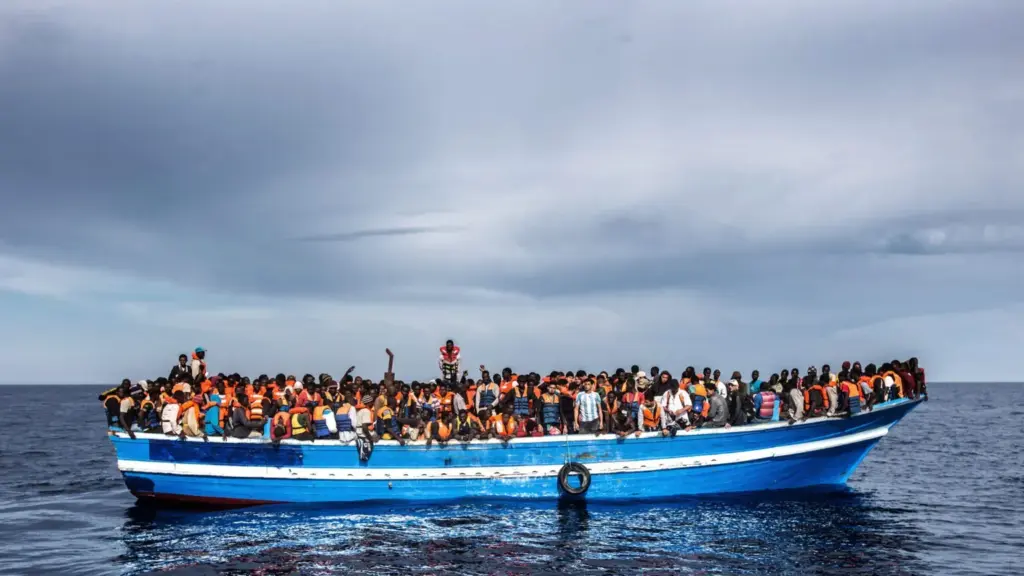
Recently, tragedy struck off the coast of The Gambia when a migrant boat capsized, leading to the loss of at least seven lives and leaving many others missing. The incident, which occurred near Jinack village in the North Bank Region, highlights the perilous conditions faced by migrants attempting the risky journey across the Atlantic Ocean in search of a better life in Europe. With approximately 200 people on board, the boat’s capsizing underscores the dangers associated with these often overcrowded and inadequately constructed vessels.
Authorities have confirmed that they have successfully rescued 96 individuals, with a search and rescue operation currently in progress to locate other missing passengers. The boat was reportedly en route to Spain’s Canary Islands, a common destination for migrants hoping to reach Europe. The Atlantic Ocean migration route has seen a sharp increase in activity, as many West Africans view The Gambia as a strategic point for launching their journeys to Europe, even as the risks involucrated have grown.
The Rise of Migrant Boat Tragedies in the Atlantic Ocean
The tragic incident off the Gambian coast is part of a broader pattern of migrant boat tragedies occurring throughout the Atlantic Ocean. Each year, thousands of migrants embark on perilous journeys in hopes of reaching Europe’s shores. Unfortunately, the hazards associated with these crossings have led to skyrocketing death tolls, with estimates suggesting that over 9,000 migrants have perished in their attempts to reach Europe via the Canary Islands in the past year alone. The increasing fatality rate has raised alarm among humanitarian organizations and prompted calls for enhanced safety measures.
Despite international efforts to reduce irregular migration, such as agreements between the European Union and North African countries, the ongoing challenges push many migrants to seek alternative, longer, and more dangerous routes. The conditions in which these boats operate are often dire, characterized by overcrowding and inadequate infrastructure. As witnessed in the recent Gambia migrant boat capsized incident, even a single mishap can have devastating consequences for dozens of families.
Migrant Journey from The Gambia to Europe: A Harrowing Experience
The journey from The Gambia to Europe is fraught with danger and desperation, as many migrants undertake perilous crossings in hopes of escaping poverty and conflict. Most embark from coastal towns, navigating the treacherous waters of the Atlantic Ocean aboard poorly constructed boats that are often overloaded beyond capacity. This harrowing experience is not just a journey across the sea; it’s a gamble with their lives, as they face the risk of capsizing, hypothermia, and lack of basic necessities during their travels.
This recent capsizing incident, representing just one example of the maritime dangers faced by migrants, emphasizes the dire need for increased support and regulation of migration paths. While cities in Europe may offer the promise of safety and stability, the journey itself poses immense risks that tragically claim many lives. With little support from the international community to ensure safer passage across these dangerous waters, the plight of migrants continues to be a pressing humanitarian concern.
The Role of Non-Governmental Organizations in Responding to Migrant Crises
Non-governmental organizations (NGOs) play a crucial role in responding to migrant crises, especially following incidents like the Gambia migrant boat capsized tragedy. Organizations such as Caminando Fronteras provide vital services, including search and rescue operations, advocacy for migrant rights, and providing support for the families of missing individuals. Their presence is essential in raising awareness about the risks associated with migration and advocating for safer travel conditions for those seeking asylum or a better life.
In the wake of the tragic boat capsizing, it is NGOs that often lead the charge in organizing relief efforts and offering medical assistance to the rescued individuals. The urgent care required by some of the survivors underscores the necessity of having established frameworks for humanitarian intervention. As these organizations mobilize to aid affected families, they also highlight the urgent need for policy changes at both national and international levels to address the root causes of migration and create safer alternatives for those seeking to leave their homeland.
Government Response to the Rising Tide of Atlantic Ocean Migration
The Gambian government’s response to the rising tide of Atlantic Ocean migration and the subsequent tragedies, including the recent capsizing, is multifaceted. Officials have launched search-and-rescue operations, deploying naval vessels and resources to assist in efforts to locate missing migrants. This response reflects the increasing recognition among Gambian authorities of their country’s role as a key launching point for hopeful migrants heading to Europe.
However, while immediate actions are being taken, the government also faces the challenge of addressing the root causes of this migration phenomenon. Many migrants depart due to economic hardship, lack of opportunity, or political instability. Therefore, alongside reactive measures, there is a pressing need for comprehensive policies aimed at improving local conditions to minimize the desperation that drives individuals to embark on such risky journeys across the Atlantic.
Challenges Faced by Migrants Attempting to Reach the Canary Islands
Migrants attempting to cross from The Gambia to Spain’s Canary Islands encounter a plethora of challenges that can lead to tragic outcomes, such as the recent boat capsized off the coast of The Gambia. These challenges include inadequate vessels that are not equipped for long journeys on turbulent waters, extreme overcrowding, and a lack of essential supplies. Even with the hope of reaching Europe, many are forced to make desperate choices with potentially fatal consequences.
Moreover, the journey itself is often fraught with logistical difficulties, such as navigating unpredictable weather conditions, limited communication with the outside world, and a lack of support from local authorities. As a result, many migrants are left vulnerable to human trafficking and exploitation, further complicating their quest for safety and stability in Europe. Addressing these challenges is crucial for international efforts focused on mitigating the dangers of Atlantic Ocean migration and preventing further tragedies.
The Human Impact of Migration Tragedies: Personal Stories
Behind every migrant boat tragedy, such as the Gambia migrant boat capsized incident, are personal stories that highlight the desperate circumstances leading individuals to undertake such risks. Families are often torn apart, and the loss of loved ones leaves lasting emotional scars. Survivors may struggle with trauma and loss while attempting to rebuild their lives in a new environment. The human impact of these migration tragedies is profound, as it not only affects individuals but also entire communities left grieving.
These personal narratives serve as a powerful reminder of the urgent need for compassionate responses to migration crises. Community members, NGOs, and governments must come together to not only provide immediate aid but also work towards long-term solutions that address the underlying causes of migration. Only through a concerted effort can we hope to alleviate the suffering experienced by migrants and reduce the frequency of tragedies on the perilous journey across the Atlantic Ocean.
Future Implications of Migrant Boat Incidents on Policy Making
The increasing frequency of tragic incidents like the Gambia migrant boat capsized will undoubtedly influence future policymaking related to migration, both within the European Union and in West Africa. As governments and international organizations confront the consequences of these tragedies, there is an urgent call for innovative solutions to enhance the safety of migration pathways. Initiatives aimed at improving conditions in countries of origin, as well as more efficient and humane policies for processing asylum requests, may emerge as priorities in the aftermath of such events.
Moreover, these incidents are likely to drive discussions surrounding border security and search-and-rescue operations in the Mediterranean and Atlantic regions. Stricter regulations and increased cooperation between nations may be necessitated to ensure the safety and rights of migrants. Lessons learned from recent tragedies could lead to more robust frameworks aimed at preventing similar events from occurring in the future, creating a more humane approach to handling migration across these tumultuous waters.
Frequently Asked Questions
What happened in the recent Gambia migrant boat tragedy?
In the recent Gambia migrant boat tragedy, a vessel capsized off the coast of The Gambia while carrying approximately 200 migrants attempting to reach Europe. Seven people have been confirmed dead, and many others remain missing after the boat overturned near Jinack village, prompting ongoing search and rescue operations.
How many migrants were on the boat that capsized in The Gambia?
Around 200 migrants were aboard the boat that capsized in The Gambia. This tragic incident is part of a larger pattern of dangerous crossings by migrants aiming to reach Europe, specifically through the perilous route to the Canary Islands.
What were the conditions of the rescued migrants from the Gambia boat capsizing?
So far, 96 individuals have been rescued from the capsized boat near The Gambia. Among those rescued, ten are reported to be in critical condition and are receiving urgent medical care as search efforts continue for other missing passengers.
Why are many migrants attempting to reach Europe via Gambia?
Many migrants choose to depart from Gambia for Europe due to its increasing use as a launch point for Atlantic Ocean migration towards Spain’s Canary Islands. The ongoing conflicts and economic instability in their home countries push them towards seeking better opportunities in Europe.
What steps are being taken following the Gambia migrant boat capsized incident?
In response to the Gambia migrant boat capsizing, the Gambian Navy has initiated a search-and-rescue operation. This includes deploying naval vessels and receiving assistance from fishing boats to locate and rescue any remaining survivors from the tragic event.
What is the route that migrants from Gambia typically take to reach Europe?
Migrants from Gambia typically embark on a treacherous journey across the Atlantic Ocean towards Spain’s Canary Islands, a route that has become increasingly common for Africans attempting to migrate to Europe despite its dangers.
What is the impact of the Gambia migrant boat capsizing on European migration policies?
The deadly incident of the Gambia migrant boat capsizing highlights the ongoing challenges in European migration policies, as recent agreements with North African countries have led to increased usage of dangerous routes, prompting urgent discussions about safe migration alternatives and humanitarian responses.
| Key Point | Details |
|---|---|
| Incident Overview | A boat carrying approximately 200 migrants capsized off The Gambia coast, resulting in at least seven deaths. |
| Location and Time | The incident occurred near Jinack village in the North Bank Region at midnight on Wednesday. |
| Rescue Efforts | So far, 96 people have been rescued, and a search for other missing passengers is ongoing. |
| Background Context | The boat was likely a large wooden canoe, overcrowded and not designed for long journeys across the Atlantic. |
| Casualties and Medical Conditions | Seven bodies have been recovered, with ten survivors in critical condition receiving medical care. |
| Migration Trends | The Gambia is increasingly becoming a launch point for migrants headed towards Spain’s Canary Islands and Europe. |
| Broader Implications | Despite EU agreements to curb irregular migration, many are risking the perilous Atlantic route. |
Summary
The recent tragedy of the Gambia migrant boat capsized highlights the ongoing crisis of migration across the Atlantic. With seven confirmed dead and many more missing, this incident underscores the dangers faced by those seeking a better life in Europe. Authorities report that overcrowded and unsafe vessels account for many fatalities in this perilous journey, which has seen thousands perish over the years. As The Gambia increasingly serves as a launch point for migrants aiming for the Canary Islands and beyond, the humanitarian and political challenges surrounding migration remain urgent and complex.