
Listen to this article
Esports, or electronic sports, has rapidly evolved into a global phenomenon, transforming competitive gaming into a booming industry that captivates millions. By merging technology and competition, esports attracts players and fans alike, driving a surge in gaming tournaments and events that showcase top esports players from around the world. With the increasing recognition of esports careers, many now see professional gaming as a legitimate path, complete with sponsorships and lucrative prizes. Not only has the esports industry grown exponentially, but it has also created thriving communities that connect participants across various platforms. As a result, the allure of competitive gaming continues to shape the landscape of entertainment, ushering in a new era that embraces innovation and passion.
The realm of competitive gaming, often referred to as electronic sports, is witnessing a remarkable surge in popularity and engagement. This dynamic arena allows gamers to participate in high-stakes competitions, showcasing their skills in various gaming genres. Moreover, the rise of professional gaming leagues and tournaments has opened doors for aspiring esports players, leading many to consider careers in this exciting field. As the industry expands, diverse opportunities ranging from event organization to gaming analysis emerge, reflecting the multifaceted nature of esports. With an enthusiastic community and increasing media coverage, the future of competitive gaming looks brighter than ever.
The Historical Roots of Competitive Gaming
The origins of competitive gaming can be traced back to the late 20th century when the concept of gaming tournaments began to take shape. Events like the ‘Space Invaders Championship’ in 1980 marked the first organized efforts to bring players together in competition. These initial contests laid the groundwork for what would eventually become the expansive esports industry. By the 1990s, social gatherings known as LAN (Local Area Network) parties spearheaded the movement of competitive gaming, allowing players to connect their systems and challenge one another in titles like ‘Doom’ and ‘StarCraft.’
As technology continued to advance, these early events transitioned into something more structured and community-driven. The rise of the internet and online gaming platforms made competitive gaming accessible to a global audience, paving the way for modern esports. With games gaining popularity, the first dedicated gaming leagues began to form, and world-renowned competitions began to draw large audiences both offline and online.
The Emergence of Professional Esports Tournaments
With the growing popularity of video games, professional esports tournaments began to take shape, wherein elite gamers would compete for significant cash prizes and sponsorships. The early 2000s marked a pivotal point with the launch of platforms like Twitch, which facilitated live streaming and allowed fans to watch their favorite players and teams compete in real-time. This shift towards organized competition not only established a following among gamers, but it also caught the attention of corporate sponsors seeking to invest in this burgeoning market.
Today, esports tournaments attract millions of viewers and massive prize pools, illustrating the professionalization of competitive gaming. Iconic events such as ‘The International’ for Dota 2 feature prize pools in the millions, showcasing just how lucrative a career in esports can be. Major corporations have jumped on board, investing heavily in sponsorships and partnerships, including brands like Intel and Coca-Cola, thereby solidifying esports’ status as a legitimate career path.
The Evolution of Esports Careers
As the esports industry matures, a variety of careers have emerged beyond just professional gaming. While players remain at the forefront, roles in management, marketing, broadcasting, and event organization are essential to the industry’s ecosystem. This multifaceted approach allows individuals to pursue passions in various capacities, whether it’s helping manage a team, creating content, or organizing tournaments.
Educational institutions also recognize the potential of esports, leading many universities to introduce dedicated programs focusing on esports management and related studies. Scholarships for gamers and competitive teams allow aspiring players to further explore their skills while receiving a quality education. This acceptance of esports in academic settings signifies a growing recognition of professional gaming as a viable career choice.
Understanding the Esports Ecosystem
To fully grasp the dynamics of esports, one must understand the various components of its ecosystem. This includes professional teams made up of skilled players, coaches who train them, analysts who study gameplay, and content creators who engage fans through platforms like YouTube and Twitch. This interconnected web helps sustain the competitive landscape, providing fans with ongoing entertainment and insights into the games they love.
Furthermore, the esports industry fosters a sense of community among players and fans alike. Online forums, social media platforms, and live events create spaces where individuals can discuss strategies, connect with like-minded enthusiasts, and build relationships with their favorite players. This vibrant community not only enhances the overall gaming experience but also plays a pivotal role in how the industry continues to grow.
The Role of Technology in Esports Advancement
Technology is a driving force behind the rise of esports. Advances in hardware, software, and streaming capabilities have created a more immersive experience for players and spectators alike. High-speed internet has made it easier for gamers to compete online, while cutting-edge graphics and gameplay mechanics enhance the quality of competition.
Moreover, new technologies like Virtual Reality (VR) and Augmented Reality (AR) present exciting possibilities for the future of esports. As these innovations continue to develop, we can anticipate new gaming genres and platforms emerging, further expanding the opportunities for competitive gaming. This technological evolution promises to keep esports at the forefront of the entertainment industry, engaging a broader audience with every advancement.
Esports Events and Their Cultural Significance
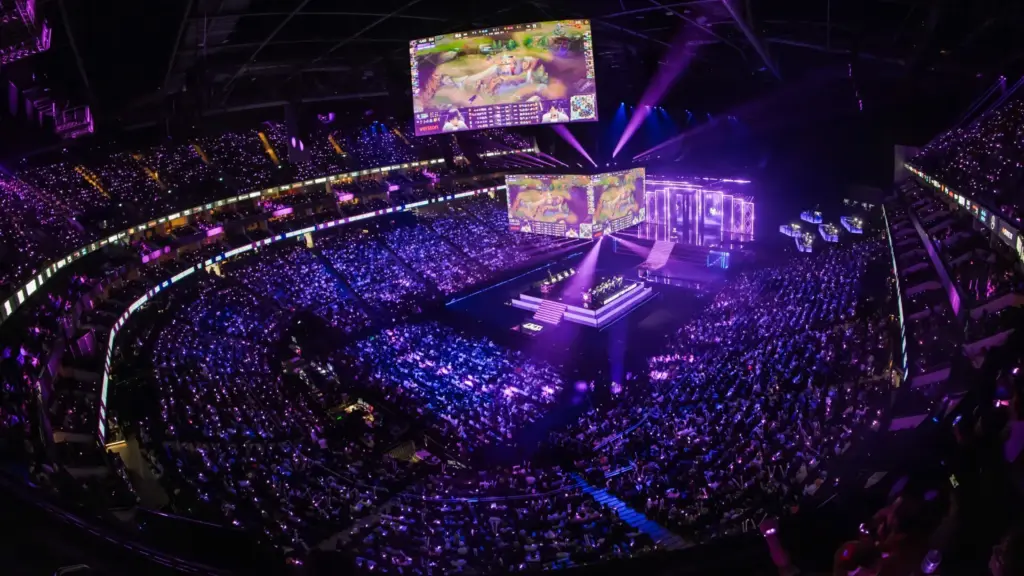
Esports events have evolved from casual competitions to major spectacles drawing millions of viewers worldwide. These events are akin to traditional sports tournaments, featuring elaborate setups, sponsorship deals, and large audiences. The ambience of an esports event, complete with fan engagement and interactive experiences, showcases the cultural significance of gaming in today’s society.
Additionally, the rise of esports events has created opportunities for local economies, as cities host gaming tournaments and conventions that attract international talent and fans. This cultural shift highlights the integration of gaming into mainstream entertainment while offering unique experiences that resonate with a diverse array of audiences. From cosplay contests to merchandise sales, esports events have become a celebration of gaming culture.
The Impact of Sponsorships in Esports
Sponsorships play a crucial role in the growth and sustainability of the esports industry. As major brands invest in teams and tournaments, they elevate the professional image of esports and contribute to hefty prize pools. Sponsorships not only assist teams in competing at the highest level but also provide essential resources for player development and training.
Moreover, these partnerships help promote esports to a wider audience, enabling brands to tap into the growing market of gamers and fans who are deeply engaged in the community. As the synergy between esports and popular brands continues to flourish, the potential for sponsorship-driven growth in the esports industry becomes increasingly significant.
Mental Health Awareness in Esports
With the skyrocketing fame of esports, the mental health of players has become an essential topic of discussion. The high-pressure environment, intense competition, and public scrutiny can lead to mental health challenges such as stress, anxiety, and burnout. As a response, esports organizations are beginning to prioritize player well-being by providing psychological support and resources.
By addressing mental health issues, the esports community can foster a healthier environment that encourages players to thrive both on and off the screen. Initiatives aimed at promoting work-life balance and stress management are key components in ensuring that players can perform at their best while maintaining their overall well-being. As these conversations continue, the recognition of mental health in esports will contribute to a more sustainable industry.
The Future of Esports and Global Networking
As esports continues to grow, its future is poised to be even more interconnected thanks to advancements in technology and global networking. With gaming transcending geographical boundaries, players from different cultures and backgrounds can compete against one another, leading to a diverse competitive landscape. This sense of inclusivity helps further broaden the appeal of esports, enabling a richer variety of gaming experiences.
Looking ahead, the potential for esports to collaborate with traditional sports and media is immense. With major sports networks starting to air esports events and partnerships with professional teams, the pathway for esports to gain acceptance in mainstream culture is expanding. As this synergy continues to evolve, we can expect esports to further solidify its position as a dominant force in the entertainment industry.
Frequently Asked Questions
What is esports and how does it differ from casual gaming?
Esports, or electronic sports, refers to organized competitive gaming where individuals or teams compete in tournaments for prizes and recognition. Unlike casual gaming, which is typically played for fun, esports features structured competitions and professional players who often make a career out of their gaming skills.
How can someone pursue a career in esports?
To pursue a career in esports, individuals can start by developing their gaming skills in amateur leagues. Additionally, aspiring esports players should seek sponsorships, engage in content creation on platforms like Twitch or YouTube, and consider academic programs in esports management offered by universities, which can provide valuable training and networking opportunities.
What are some popular gaming tournaments in the esports industry?
The esports industry features numerous popular gaming tournaments, including The International for Dota 2, the League of Legends World Championship, and the Overwatch League. These tournaments attract millions of viewers and offer substantial prize pools, making them key events in the competitive gaming calendar.
What impact has streaming platforms had on professional gaming?
Streaming platforms, particularly Twitch, have revolutionized professional gaming by allowing esports players to broadcast their gameplay live to global audiences. This visibility not only boosts players’ popularity but also attracts sponsorships and funding, legitimizing esports as a viable career option.
What roles exist in the esports industry aside from professional players?
The esports industry offers a variety of roles beyond professional players, including team management, marketing, event organization, production, and broadcasting. Additionally, roles in content creation, such as YouTube influencers and streamers, have become crucial in building community engagement and brand presence.
How has the prize pool in esports tournaments changed over the years?
Over the years, the prize pool for esports tournaments has significantly increased, reflecting the industry’s growth. For example, The International Dota 2 Championship had a prize pool of over $40 million in 2021, showcasing the economic potential of competitive gaming and the investment from sponsors.
What are the mental health considerations in esports?
Mental health is a vital concern in esports due to the competitive and high-pressure environment. Organizations are increasingly recognizing the need for mental health resources, including access to sports psychologists, to help players manage stress, prevent burnout, and maintain a healthy work-life balance.
What educational opportunities are available in esports?
Educational institutions now offer various esports-related programs, including degrees in esports management, scholarships for aspiring players, and competitive teams. These opportunities help legitimize esports as a serious career pathway and prepare students for various roles in the industry.
How does esports create a sense of community among players and fans?
Esports fosters a sense of community through online forums, social media platforms, and live events where fans and players can connect, share strategies, and support their favorite teams. This vibrant community aspect is similar to traditional sports fandom but is often more inclusive and diverse.
What advancements are expected to shape the future of esports?
Advancements in technology, particularly Virtual Reality (VR) and Augmented Reality (AR), are expected to enhance the gaming experience and introduce new genres and competitions. Additionally, the ongoing crossover between esports and traditional sports, including partnerships with mainstream media, signifies exciting growth potential for the industry.
| Key Point | Details |
|---|---|
| Definition of Esports | Organized competitive gaming with participants competing for prizes and sponsorships. |
| Historical Background | Esports began in the 1970s with tournaments, but surged in popularity with streaming platforms like Twitch in the early 2000s. |
| Professionalization | Organizations treating esports players as professionals, leading to franchises and large prize pools in tournaments. |
| Accessibility | Esports can be played from home, making it more accessible compared to traditional sports. |
| Community and Competition | The thrill of competition and strong sense of community attract players and audiences. |
| Career Opportunities | Many career paths include professional gaming, management, content creation, and esports education programs. |
| Mental Health Awareness | Organizations are recognizing the importance of mental health resources for players. |
| Future Prospects | Advancements in technology and media integration suggest a promising future for esports. |
Summary
Esports has evolved from a casual pastime into a dynamic profession, engaging millions worldwide. With origins dating back to the late 20th century, esports now features a thriving community of players, fans, and industry professionals. The increasing viability of esports as a career path is evident through its professionalization, diverse employment opportunities, and growing acceptance in academia. The landscape also prioritizes player mental health, addressing the stresses that come with competitive gaming. As technology advances and mainstream acceptance deepens, the esports industry stands poised to further captivate global audiences in the years to come.

