Listen to this article
Sports careers offer a thrilling pathway for those passionate about athletics, transforming dreams into reality for millions aspiring to become professional athletes. The journey from being an amateur athlete to achieving professional status is filled with dedication, commitment, and an eagerness to learn through every stage of the process. This athlete journey involves various elements such as rigorous sports training, constant athlete development, and sometimes, the need for sports mentorship to navigate the complexities of this competitive field. In this article, we will delve into the essential steps of pursuing a successful sports career transition, highlighting strategies that can help pave the way to achieving professional levels in sports. Whether you’re just starting out or already on the path, understanding these phases can empower you to make informed decisions on your journey.
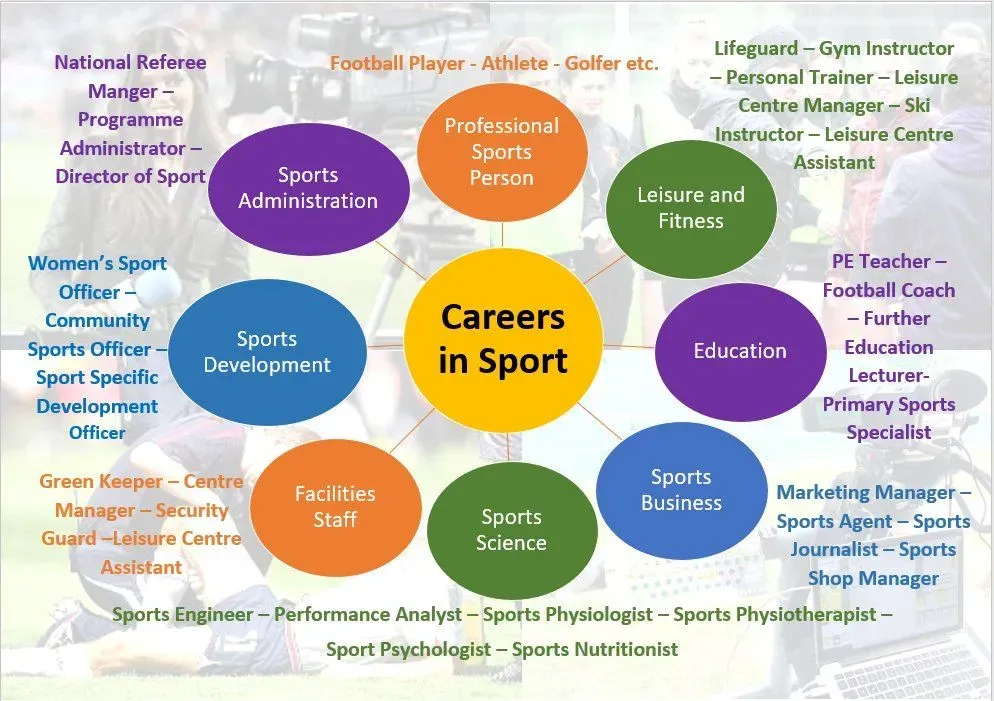
The pursuit of athletic excellence often catalyzes individuals to explore various professional avenues within the realm of sports. These avenues can range from competitive leagues to coaching, sports management, or even sports marketing, effectively encompassing the broader spectrum of athletic professions. As athletes progress, the importance of targeted sports training and effective mentorship becomes even more critical, helping them refine their skills and navigate their career paths. Understanding the nuances of athlete development at every level—whether in amateur leagues or during the transition to professional sports—plays a vital role in shaping a successful sports career. This exploration into diverse athletic roles highlights both the challenges and the immense opportunities available for those dedicated to a life in sports.
The Foundation of an Amateur Athlete’s Journey
The journey of an amateur athlete is often the starting point for many aspiring individuals seeking a career in sports. This phase is characterized by a lack of financial compensation, yet it is rich in opportunities for development. During this foundational stage, athletes must focus on honing their skills, participating in competitions, and fully immersing themselves in the sport. Engaging in local leagues or school teams allows these individuals to embrace the sport, instilling a sense of passion that is crucial for any long-term commitment to sports.
Building a solid foundation as an amateur also means understanding the importance of sports training and discipline. Athletes should prioritize their progress by setting clear goals and regularly evaluating their performance. This might involve identifying strengths and weaknesses, engaging in consistent practice, and soliciting advice from coaches and mentors. Through this rigorous training regimen, amateur athletes can begin to form the necessary mindset and skill set that will pave the way for a potential transition to a professional sports career.
Shifting from Amateur to Professional Sports
As amateur athletes gain experience, the ambition to transition to a professional level often takes shape. This pivotal shift typically involves joining semi-professional teams or elite amateur clubs, where the stakes and expectations are higher. Here, athletes must adopt a more disciplined approach to their training, incorporating advanced techniques and focusing on peak performance. This phase signifies a crucial time for individuals to take their training seriously, as the transition to professionalism demands an unwavering commitment to both skill enhancement and physical conditioning.
Moreover, exposure becomes a key factor during this critical transition period. Competing in higher-tier tournaments not only elevates athletes’ skills but also opens doors for scouting opportunities, which may lead to professional contracts or scholarships. Athletes should proactively engage with the broader sports community, building networks with coaches, agents, and fellow athletes. These connections can facilitate access to trials and professional sports platforms, ultimately making the leap from amateur to professional sports more attainable.
Navigating the Challenges of Professional Sports Contracts
Once athletes receive offers to join professional teams, they enter a new realm characterized by complex contracts and expectations. Understanding the terms and implications of these contracts is essential, as they dictate everything from salary to obligations regarding performance and conduct. Athletes are encouraged to seek guidance from experienced sports agents who can help navigate negotiations effectively, ensuring that their interests are well-represented. This is a crucial step to prevent misunderstandings that could lead to detrimental consequences for an athlete’s career.
In addition to the contract negotiations, newly professional athletes must also contend with the dual pressures of performing at a high level while handling public scrutiny. The spotlight can be intimidating; thus, it is vital for athletes to develop strategies for maintaining mental health and resilience. Incorporating techniques like mindfulness meditation or seeking professional counseling can be beneficial in coping with the mental challenges that arise during this transition. Ultimately, successful navigation of these early challenges can set the tone for a fulfilling and enduring professional sports career.
Commitment to Lifelong Learning as a Professional Athlete
Becoming a professional athlete is not merely the end of a journey, but the beginning of one filled with opportunities for personal and professional growth. Lifelong learning is an essential component of sustaining success in the competitive world of sports. As athletes evolve in their careers, they must continuously seek advanced training techniques, explore new exercise regimens, and stay updated on industry trends. This commitment to development can significantly enhance performance and prolong athletic careers.
Furthermore, engaging with technology and analytics in sports can provide athletes with valuable insights into their performance metrics, allowing for data-driven adjustments to their training. Collaborating with specialists such as nutritionists and physiotherapists can also empower athletes to maintain peak physical condition and mitigate injury risks. The pursuit of knowledge and adaptation is what differentiates elite athletes from their peers, paving their way to a distinguished and successful career in the sports arena.
The Role of Sports Mentorship in an Athlete’s Development
Mentorship plays a pivotal role in shaping an athlete’s journey from amateurism to professionalism. Connecting with experienced athletes and coaches offers valuable perspectives and guidance that can significantly influence an aspiring athlete’s growth. Mentors can provide insights on skill development, encourage professional networking, and share experiences that help navigate the complexities of the sports industry. This kind of support can bolster an athlete’s confidence and motivation as they face the challenges of pursuing a sports career.
In seeking mentorship, athletes can also gain access to valuable resources and training techniques that may not be available through conventional means. Mentors can introduce athletes to training programs tailored for their specific sport, as well as connect them to potential agents or scouts. Furthermore, having a mentor can facilitate smoother transitions into professional environments, allowing athletes to acclimate more effectively to competitive training and the pressures that accompany professional sports.
Building an Athlete’s Brand and Public Persona
Establishing a strong personal brand is crucial for professional athletes navigating their careers. This branding goes beyond just athletic performance; it encompasses how athletes present themselves to the public, engage with fans, and partake in social causes. By actively shaping their public persona, athletes can leverage their influence and cultivate a positive image, which is essential in today’s social media-driven culture. Successful branding can lead to endorsement deals and sponsorship opportunities that enhance an athlete’s financial stability and marketability.
Moreover, athletes should be mindful of their interactions with the media and public, as the scrutiny associated with professional sports demands a level of professionalism and poise. Engaging positively with fans through social media and participating in community events can further solidify their reputation. By fostering a genuine connection with the public, athletes not only promote their personal brand but also inspire upcoming generations of amateur athletes, reflecting the values of hard work, dedication, and perseverance.
The Impact of Sports Training on Career Longevity
Effective sports training significantly contributes to the longevity and sustainability of an athlete’s career. It requires a holistic approach that includes physical, mental, and emotional preparation. Athletes must prioritize structured training regimens that include conditioning, skill refinement, and recovery protocols. Focusing on strength training and endurance can reduce the risk of injuries, ensuring that athletes can perform at their best throughout their careers.
In addition to physical training, mental conditioning and resilience should not be overlooked. Athletes can benefit from mental performance coaches who specialize in sports psychology, assisting them in coping with pressure situations and maintaining focus during competitions. Emphasizing the overall well-being of both body and mind is critical for maintaining peak performance while pushing the boundaries of an athlete’s sports career.
Giving Back Through Community Engagement and Philanthropy
Professional athletes have a unique platform from which they can advocate for community development and social change. Engaging in charitable activities and youth programs allows athletes to leverage their success to inspire the next generation. Many professional athletes actively participate in initiatives that promote sports participation among youth, emphasizing the values of teamwork, discipline, and dedication. This philanthropic approach not only strengthens community ties but also enriches the athlete’s personal experience.
Additionally, giving back to the community helps athletes forge a more profound sense of purpose beyond their sports career. By actively engaging with local organizations, they can influence positive change and motivate young athletes to pursue their dreams. This symbiotic relationship enhances the athlete’s legacy while instilling values that continue to resonate within communities long after the athlete’s professional career has concluded.
Celebrating the Journey: The Essence of an Athlete’s Transformation
Every athlete’s transformation from an amateur to a professional is a journey marked by dedication, resilience, and continuous growth. The process often involves navigating challenges, investing in rigorous training, and embracing learning opportunities. This journey is not merely about achieving professional status but also about the experiences, relationships, and personal development that athletes encounter along the way. Each step taken is vital in contributing to their overall journey in sports careers.
As athletes reflect on their paths, whether they are just starting or have already reached professional levels, the emotional and developmental aspects of their journey should not be overlooked. It’s the accumulation of challenges faced, skills learned, and connections made that ultimately define the essence of an athlete’s transformation. Celebrating this journey is crucial, as it reinforces the commitment required to thrive in the competitive world of sports and inspires others in their pursuit of excellence.
Frequently Asked Questions
What are the stages of the athlete journey in sports careers?
The athlete journey in sports careers typically consists of several stages including amateur competition, semi-professional experiences, and ultimately professional contracts. Each stage requires different levels of commitment, skill development, and training to transition successfully.
How can amateur athletes transition to professional sports?
Amateur athletes can transition to professional sports by intensifying their training, participating in competitions for exposure, and networking with coaches and agents. Engaging in higher-level leagues also enhances their chances of being scouted.
What role does sports training play in an athlete’s career development?
Sports training is crucial in an athlete’s career development as it improves skill sets, physical conditioning, and performance. Structured training regimens, including strength and endurance exercises, ensure athletes are well-prepared for higher competition levels.
How important is mentorship in sports career paths?
Mentorship is vital for athletes at all stages. Coaches and experienced athletes provide guidance, constructive feedback, and support that help amateur athletes develop the necessary skills and mindset for professional success.
What challenges do professional athletes face during their career transition?
Professional athletes often encounter challenges such as contract negotiations, mental pressure to perform, and the need to manage public scrutiny. Adjusting to these demands is essential for a sustainable sports career.
How can athletes manage mental health during their sports careers?
Athletes can manage mental health by incorporating stress management techniques like meditation, therapy, and open communication with coaches. Prioritizing mental health is crucial, especially given the pressures of professional sports.
What is the importance of networking in pursuing a sports career?
Networking is crucial for aspiring athletes as it opens doors for opportunities, including professional contracts and mentorship. Meeting coaches, agents, and fellow athletes can significantly enhance an athlete’s visibility in their sport.
How can athletes give back to their community during their careers?
Athletes can give back by engaging in youth programs, charity work, and community events. This not only helps shape the next generation but also reinforces the values of hard work and dedication in sports.
Why is continuous learning essential for professional athletes?
Continuous learning is essential for professional athletes to maintain a competitive edge. Embracing new training methods, technologies, and analytics helps them refine their skills and adapt to evolving competition standards.
What are the key factors to consider when negotiating sports contracts?
When negotiating sports contracts, athletes should understand their rights, responsibilities, and possible inclusions such as bonuses and endorsements. Hiring a qualified sports agent can significantly aid in navigating contract complexities.
| Stage | Details |
|---|---|
| Amateur Stage | Participating in sports without monetary reward; foundational for skill development and teamwork. |
| Transition to Professionalism | As athletes improve, they join higher-level teams, demanding intensified training and commitment. |
| Professional Transition | Receiving contracts, understanding legal obligations, and navigating public life become crucial. |
| Lifelong Learning | Continuing to refine skills and health management is vital for long-term success. |
| Community Engagement | Professional athletes often give back through mentorship and community programs. |
Summary
Sports careers represent a remarkable journey from amateur participation to professional success. This transformation involves various stages where dedication, resilience, and continuous improvement play critical roles. The initial amateur stage lays the groundwork for skill development and teamwork. As athletes commit to rigorous training and seek exposure to higher levels of competition, they transition towards professionalism. This includes managing contracts responsibly, maintaining mental health, and navigating public life. The journey does not end with professional status; lifelong learning and community engagement are essential for sustained growth and influence. Ultimately, every athlete must embrace their unique journey in sports, celebrating each step towards their professional aspirations.