Listen to this article
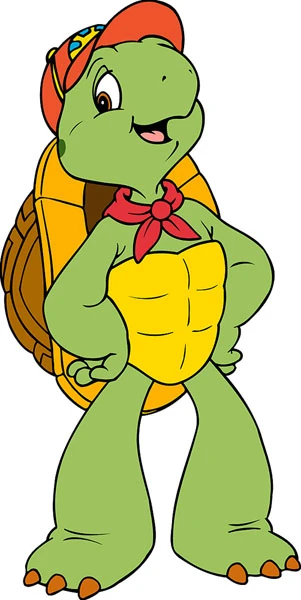
Franklin the Turtle, an iconic character from a beloved Canadian children’s book series, has recently become embroiled in a significant controversy. After a cartoon featuring Franklin was used by the U.S. Defense Department to depict violent actions against alleged drug traffickers, the publisher, Kids Can Press, strongly condemned this portrayal. They asserted that such use of Franklin’s name and image not only misrepresents the character but also contradicts the values of kindness and empathy he embodies. This incident not only raises questions about the appropriateness of depicting children’s characters in violent contexts but also highlights broader discussions surrounding media representation in children’s entertainment. As society navigates these troubling waters, the backlash against this controversial depiction underscores a growing awareness of how iconic children’s characters are used in the political arena.
The recent backlash surrounding the portrayal of Franklin the Turtle in a politically charged cartoon raises important questions about the intersection of children’s media and societal values. This controversy centers on a character who has been fostered for inclusivity and empathy in the realm of Canada children’s literature. As the debate unfolds, it reflects a larger dialogue about the appropriateness of using beloved figures in contexts that contradict their foundational messages. The incident not only resonates with ongoing discussions about children’s book representation but also connects to wider themes of media ethics in today’s political climate. By examining such cases, we can better understand the significance of protecting the integrity of iconic children’s characters in a rapidly changing world.
The Controversy Surrounding Franklin the Turtle
The recent controversy involving Franklin the Turtle has sparked significant debate about the use of iconic children’s characters in political contexts. Originating from the beloved Canadian children’s book series, Franklin has become a symbol of kindness and empathy, values that stand in stark contrast to the violent portrayal featured in a cartoon shared by U.S. Defense Department Secretary Pete Hegseth. This depiction showed Franklin wielding a weapon from a helicopter, aimed at alleged drug traffickers, which has drawn criticism from many, including the character’s publisher. Such usage raises important questions about the appropriateness of using children’s media figures in contexts that promote violence or aggression.
Kids Can Press, the publisher of the Franklin series, issued a strong condemnation of the depiction, stating that it directly contradicts the values of inclusivity and kindness associated with Franklin. The backlash highlights how deeply individuals connect with childhood favorites and how their portrayals can shape perceptions, particularly in sensitive subjects like drug trafficking and violence. The incident not only reflects the potential for misunderstanding in the representation of children’s characters but also serves as a reminder of the responsibility inherent when these beloved figures are used in broader social and political narratives.
Frequently Asked Questions
What is the controversy surrounding Franklin the Turtle in relation to U.S. Defense Department?
Franklin the Turtle has recently been embroiled in controversy after the U.S. Defense Department shared a cartoon image depicting him in an aggressive military action, which contradicts his character’s values of kindness and empathy. The image shows Franklin firing a weapon from a military helicopter in a faux book cover titled ‘Franklin Targets Narco Terrorists,’ leading to criticism from the character’s publisher, Kids Can Press.
How has the publisher of Franklin the Turtle responded to the recent cartoon controversy?
Kids Can Press, the publisher of the Franklin the Turtle series, strongly condemned the unauthorized and violent use of Franklin’s image by the U.S. Defense Department. They emphasized that such portrayals contradict the values that Franklin represents, including empathy and inclusivity.
Who criticized the U.S. Defense Department’s portrayal of Franklin the Turtle?
The publisher Kids Can Press criticized the U.S. Defense Department’s use of Franklin the Turtle in a violent context. Additionally, celebrities like Sabrina Carpenter have voiced their concerns over the misuse of imagery and music for political agendas, raising alarms about ethical representations.
What values does Franklin the Turtle represent as a beloved children’s character?
Franklin the Turtle is celebrated for embodying kindness, empathy, and inclusivity, which are core values that resonate with children. His stories often focus on overcoming challenges and learning valuable life lessons, making him a positive role model in Canadian children’s literature.
What impact has this controversy had on the legacy of Franklin the Turtle?
The controversy surrounding the U.S. Defense Department’s use of Franklin the Turtle has sparked significant debate about the representation of children’s characters in media. While it raises concerns about the character’s legacy, support from the publisher and fans can help reaffirm Franklin’s positive values amidst these challenges.
How have fans and the public reacted to the depiction of Franklin the Turtle in a military context?
Fans and the public have largely reacted negatively to the depiction of Franklin the Turtle in a military context, expressing outrage over the character being used in a violent portrayal that contradicts his foundational values. This has led to discussions about the ethical use of beloved children’s characters in serious political and military issues.
What should we know about Franklin the Turtle’s origin in Canadian children’s books?
Franklin the Turtle originated as a main character in a Canadian children’s book series, created by Paulette Bourgeois and Brenda Clark. Since his debut, Franklin has become an iconic children’s character, inspiring multiple media adaptations, including television shows, films, and live productions that emphasize positive childhood experiences.
What are the implications of using Franklin the Turtle in political messaging?
Using Franklin the Turtle in political messaging raises serious ethical questions about the portrayal of children’s characters. It risks undermining the positive messages associated with Franklin, who symbolizes support, friendship, and understanding, by depicting him in violent or controversial contexts.
Has Franklin the Turtle’s character changed over the years?
Franklin the Turtle’s character has remained fundamentally consistent, focusing on relatable childhood experiences such as friendship, problem-solving, and personal growth. However, recent controversies may challenge his representation, leading audiences to rethink the image of this beloved character in modern contexts.
| Key Point | Description |
|---|---|
| Franklin the Turtle’s Controversy | Franklin the Turtle featured in a controversial U.S. Defense Department cartoon that depicts him engaging in violence. |
| Publisher’s Reaction | Kids Can Press condemned the use of Franklin’s image in the cartoon, stating it contradicts the character’s values. |
| Sabrina Carpenter’s Critique | The singer criticized the U.S. government for using her song in a deportation video, similar to the backlash against the Franklin portrayal. |
| Background on Franklin | Franklin is a character known for positive themes like kindness and empathy, targeting children and their everyday challenges. |
| Official Responses | The Pentagon’s spokesperson suggested that Franklin wouldn’t associate with drug cartels or violence. |
| Impact on Culture | Franklin’s controversy highlights the misuse of childhood characters in political narratives and raises questions on cultural representation. |
Summary
Franklin the Turtle has found himself at the center of an unexpected controversy regarding a U.S. Defense Department cartoon. This situation underscores the delicate relationship between beloved children’s characters and their portrayal in serious political contexts. Franklin, celebrated for embodying values of kindness and empathy, has sparked significant discourse on the appropriateness of using children’s figures in violent scenarios, emphasizing the importance of protecting childhood innocence in media.