Listen to this article
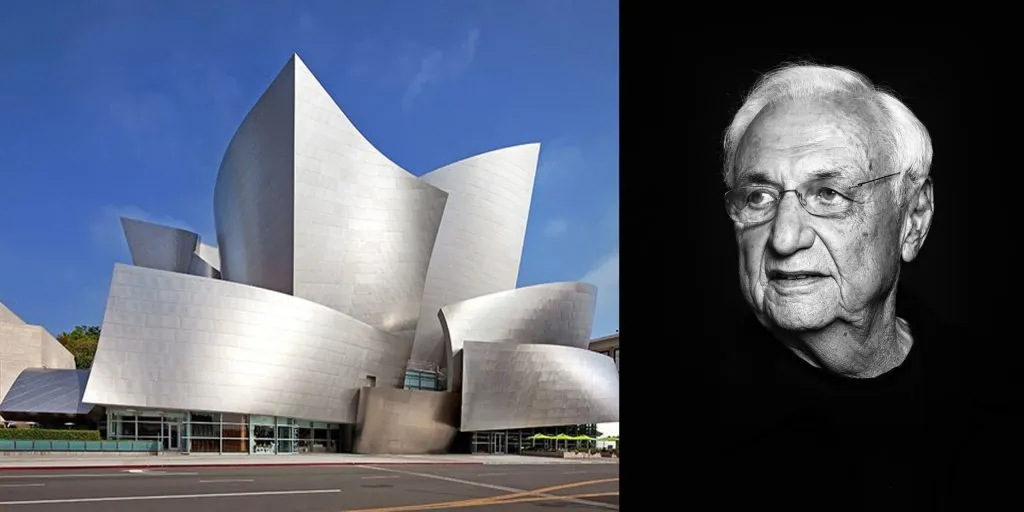
Frank Gehry, the brilliant mind behind iconic structures such as the Guggenheim Museum, has died at the age of 96, leaving behind an indelible impact on the world of architecture. Renowned as one of the most influential architects of his time, Gehry championed deconstructivism architecture, a style that broke away from traditional forms and embraced the chaotic, the unexpected. His innovative designs, including the renowned Guggenheim Museum design, propelled him into the international spotlight in 1997. A Pritzker Prize winner, Gehry redefined modern architecture with his avant-garde approach, utilizing unconventional materials and unique shapes. His legacy will continue to inspire future generations of architects and enthusiasts eager to explore the boundaries of design and creativity.
The recent passing of Frank Gehry has deeply saddened the architecture community, as he was celebrated for his groundbreaking approach that transformed conventional building aesthetics. The Toronto-born architect is recognized for his pioneering work and significant contributions to the field, frequently associated with styles that challenge normative perceptions, famously known as deconstructivism. His most acclaimed creation, the Guggenheim Museum, exemplifies his ability to blend artistic expression with architectural innovation. Gehry’s talent for creating structures that resonate with emotion and movement has solidified his status among the ranks of the most prominent and influential figures in contemporary architecture. This remarkable architect’s journey from his humble beginnings to becoming a Pritzker Prize winner is truly a testament to his relentless pursuit of creative expression.
Celebrating the Legacy of Frank Gehry: An Architectural Pioneer
Frank Gehry’s contributions to architecture have left an indelible mark on the world. Born in 1929 in Toronto, Gehry began his journey into architecture in Los Angeles, where he developed a contour of creativity that would define his unique style. His radical approach to design, characterized by unconventional forms and the use of everyday materials, earned him a reputation as one of the most influential architects of the last century. The Pritzker Prize winner transformed the architectural landscape, bringing a sense of avant-garde innovation that pushed boundaries while defying traditional concepts.
Gehry became an emblem of deconstructivism architecture, a style that reinterprets and reconstructs building forms into unexpected shapes. The iconic Guggenheim Museum in Bilbao is perhaps his most famous work, celebrated for its fluid, organic forms that resemble a ship gliding through water. His avant-garde vision continues to inspire a new generation of architects, as seen in landmarks like the Louis Vuitton Foundation in Paris and the Jay Pritzker Pavilion in Chicago. Gehry’s legacy will endure as a symbol of architectural rebellion and creativity.
The Impact of Frank Gehry’s Architectural Genius
Frank Gehry’s work has not only transformed skylines but also reshaped how we perceive architectural artistry. His designs embody an improvisational spirit akin to jazz, where each building tells a unique story through its form and materials. Gehry’s approach of using unusual materials—such as chain-link fencing, plywood, and corrugated steel—has challenged conventional aesthetics and influenced many architects to adopt a similar ethos of experimentation in their designs. The fusion of practical elements with imaginative concepts allows viewers to engage with his works on multiple levels.
His ability to blend functionality with artistic expression ensures that no two structures created by Gehry are alike, each offering a new narrative that captivates the imagination. Iconic structures like Prague’s Dancing House and the Hotel Marques in Spain exemplify his signature style, characterized by wavy forms and rich textures. The Pritzker Prize winner showcased how architecture could be a living, breathing reflection of culture and society, turning urban spaces into pieces of art that invite interaction and admiration.
Frank Gehry’s Renowned Projects: A Journey Through Architectural Innovation
Throughout his illustrious career, Frank Gehry designed numerous renowned projects that have become landmarks of contemporary architecture. Each construction mirrors his signature style, often defying traditional architectural conventions while celebrating innovation. The Santiago Calatrava-designed Jay Pritzker Pavilion in Chicago’s Millennium Park demonstrates Gehry’s ability to blend performance art with architecture, creating a dynamic space for music and community gatherings. The pavilion’s undulating contours and sophisticated structural forms serve as a testament to his imaginative approach.
In contrast, the Guggenheim Museum in Bilbao stands as a pinnacle of deconstructivism. Its unexpected forms and use of industrial materials have not only drawn millions of visitors but also sparked a cultural renaissance in the city. Gehry’s work exemplifies how architecture can influence urban revitalization and tourism, positioning his designs as central to their locations. His structures not only serve practical purposes but also ignite conversations about art, culture, and the environment, establishing Gehry as a visionary in the field.
The End of an Era: Remembering Frank Gehry after His Death
The death of Frank Gehry at the age of 96 marks the end of an era for architecture and design. Gehry’s passing, confirmed by his chief of staff, Meaghan Lloyd, leaves behind a profound silence in the architectural community that has celebrated his work for decades. Known for his avant-garde approach to design, he remained an influential figure until the very end, continuously inspiring not just architects but also artists and creative minds across the globe.
As the world mourns his loss, Gehry’s legacy lives on through his numerous iconic buildings, which will continue to inspire future generations. His survival includes his two daughters, Leslie and Brina, from his first marriage, and two sons, Alejandro and Samuel, with his wife Berta Isabel Aguilera. The memory of Gehry will forever be etched within the walls of his masterpieces, reminding us of a life dedicated to innovation and the relentless pursuit of artistic expression in architecture.
Frank Gehry: The Master of Deconstructivism Architecture
Frank Gehry is synonymous with deconstructivism architecture, a movement that celebrates fragmentation and non-linear design elements. His ability to reimagine the very fabric of buildings transformed architectural thinking globally. Gehry’s use of unconventional materials and geometries embodies a departure from the historical ideas of architecture, showcasing a pathway for future architects to explore creative boundaries. Each project reflects a unique journey through form and space, deeply rooted in Gehry’s belief of breaking free from restrictions.
His daring architectural choices have sparked debates about aesthetics and functionality, prompting the architecture community to reconsider what defines a structure. By deconstructing traditional forms, Gehry has made the mundane extraordinary and has given new life to urban spaces worldwide. Notable projects, including the Dancing House in Prague and the Louis Vuitton Foundation in Paris, exemplify his revolutionary style, providing platforms where architecture interacts with culture and art.
The Influence of Frank Gehry on Contemporary Architecture
Frank Gehry’s influence on contemporary architecture cannot be overstated. His innovative approach to design and structural engineering has inspired countless architects globally. By challenging traditional design principles, Gehry opened doors to a newer generation who seek to explore unconventional architecture. His iconic designs often blend the realms of art and engineering, reinforcing the notion that buildings can be both functional and an experiential commentary on space and form.
Many contemporary architects cite Gehry as a significant influence in their work, looking to his creative processes as a model for breaking away from conformity. His dedication to experimenting with materials has encouraged architects to adopt new technologies and design philosophies, propelling the field forward. As the world pays tribute to Gehry, it acknowledges the profound impact he had on inspiring architectural innovation and the relentless pursuit of artistic excellence.
Honoring Frank Gehry: A Brilliant Career and Lasting Impact
As we honor Frank Gehry’s monumental career, it’s clear that his innovative contributions reshaped architectural practices and philosophies. His works invite us to reassess traditional notions of space, functionality, and beauty. Gehry’s ability to merge artistic vision with structural integrity has made him a beacon of inspiration, prompting both admiration and critical discourse around the nature of architecture. His unique narrative—evolving from his early designs to grandiose projects—illustrates a brilliant career marked by creativity and audacity.
Gehry’s body of work serves as a testament to the power of imagination in architecture, encouraging thoughtful engagement from audiences worldwide. The array of influences he has had on the field, from his playful manipulations of materials to his evocative spatial arrangements, showcases his intent to disrupt the norm. Each of Gehry’s lasting structures embodies a fragment of his legacy, encouraging future architects to dream bigger and challenge conventional storytelling within urban environments.
Frank Gehry: A Lifelong Journey through Architecture
The lifelong journey of Frank Gehry through architecture is nothing short of extraordinary. From his formative years in Toronto to his groundbreaking designs recognizable around the globe, Gehry has set a standard that many architects aspire to achieve. His education at the University of Southern California and Harvard laid the groundwork for a groundbreaking career, one that continually questioned the status quo of architectural design. His innovative mindset and rebellious spirit shaped his path, leading to the creation of some of the most cherished architectural landmarks.
As Gehry explored the interplay between form and function, he crafted structures that defied categorization and left audiences in awe. His iconic Guggenheim Museum symbolizes the innovation he brought to contemporary architecture, shifting perceptions of what structures could represent. Throughout his life, Gehry remained committed to pushing boundaries and exploring new horizons, ensuring that his legacy would inspire architectural exploration for years to come.
The Artistic Philosophy of Frank Gehry: Beyond Conventional Design
Frank Gehry’s artistic philosophy transcended conventional design principles, cementing his role as a leading figure in architecture. His approach challenged the rigid frameworks that often dominate architectural practice, advocating for a more expressive and exploratory methodology. Gehry’s assertion that he was ‘rebelling against everything’ showcases his desire to forge a new path that embraced creativity over conformity. This philosophy opened the door for artists and architects alike to reimagine their own contributions to the field.
By employing materials like corrugated steel and chain-link fencing in ways that surprised and delighted, Gehry’s works resonate with a potent artistic vision. Each building is not merely utilitarian but is crafted to provoke emotions, feelings, and conversations, blurring the lines between architecture and sculpture. Through his distinctive lens, Gehry has reshaped how we interact with and understand space, illustrating the profound relationship between the built environment and human experience.
Frequently Asked Questions
What is the significance of Frank Gehry’s death in the architectural world?
Frank Gehry’s death at the age of 96 marks the loss of one of the most influential architects in contemporary history. Known for his role in deconstructivism architecture, Gehry reshaped modern architecture with iconic designs such as the Guggenheim Museum in Bilbao, which gained global acclaim in 1997. His innovative approach revolutionized the way we perceive architectural aesthetics and functionality.
How did Frank Gehry influence deconstructivism architecture before his death?
Before his death, Frank Gehry was a pioneer of deconstructivism architecture, breaking away from traditional design principles. His unconventional use of materials and geometric forms challenged architectural norms, leading to a unique style that emphasized unpredictability and creative freedom in structures like the Dancing House in Prague and the Louis Vuitton Foundation in Paris.
What are some of Frank Gehry’s notable designs that people remember after his death?
Frank Gehry’s notable designs, which continue to inspire architects and enthusiasts, include the Guggenheim Museum in Bilbao, which solidified his fame, the Jay Pritzker Pavilion in Chicago, and the Gehry Tower in Germany. These works exemplify his innovative approach and are frequently cited in discussions about his legacy following his death.
What awards did Frank Gehry receive during his lifetime?
Throughout his illustrious career, Frank Gehry received numerous accolades, including the prestigious Pritzker Architecture Prize in 1989, celebrating his adventurous aesthetic and innovative contributions to architecture. He was also awarded the Order of Canada in 2002 and the Presidential Medal of Freedom in 2016, recognizing his significant impact on the field.
Where did Frank Gehry grow up, and how did it influence his work?
Frank Gehry was born in Toronto in 1929 and moved to Los Angeles as a teenager. His diverse cultural background and experiences in these contrasting environments significantly influenced his designs. His early rebellion against traditional architecture and incorporation of unconventional materials were shaped by this journey, culminating in the bold, experimental styles for which he became famous.
What was the impact of Frank Gehry’s Guggenheim Museum design on his career?
The Guggenheim Museum in Bilbao, completed in 1997, had a transformative effect on Frank Gehry’s career, catapulting him into international fame. Its innovative titanium-clad structure became a symbol of modern architecture and significantly increased tourism and revitalization in the city, further solidifying Gehry’s status as a leading figure among influential architects before his death.
Who are the family members that survived Frank Gehry after his death?
After Frank Gehry’s death, he is survived by his two daughters from his first marriage, Leslie and Brina, as well as his wife, Berta Isabel Aguilera, and their two sons, Alejandro and Samuel. His family’s legacy continues to honor his influential contributions to architecture.
What was Frank Gehry’s educational background before his architectural career?
Frank Gehry studied architecture at the University of Southern California before furthering his education at the Harvard Graduate School of Design in the mid-1950s. This educational foundation played a crucial role in shaping his avant-garde architectural philosophy, which he famously described as a rebellion against traditional design principles.
| Key Points |
|---|
| Frank Gehry has died at the age of 96, becoming one of the most influential architects of the last century. |
| Known for his avant-garde and experimental architectural style, Gehry gained fame with the Guggenheim Museum in Bilbao, Spain (1997). |
| Born in Toronto in 1929, Gehry later studied architecture in Los Angeles and at Harvard. |
| His design philosophy broke away from traditional symmetry, employing deconstructivism and unconventional materials. |
| Notable works include the Jay Pritzker Pavilion in Chicago, the Gehry Tower in Germany, and the Louis Vuitton Foundation in Paris. |
| Gehry received the Pritzker Architecture Prize in 1989, the Order of Canada in 2002, and the Presidential Medal of Freedom in 2016. |
| He is survived by his wife, children, and two daughters from his first marriage. |
Summary
Frank Gehry death marks the end of an era for contemporary architecture. As one of the most significant architects of our time, Gehry’s innovative designs transformed urban landscapes and inspired a new generation of architects. His contributions, particularly with iconic structures like the Guggenheim Museum, not only reshaped architectural aesthetics but also elevated the public’s appreciation for avant-garde structures. Gehry’s unconventional approach and commitment to creativity have left an indelible mark on the architectural world, ensuring his legacy will endure.