
Listen to this article
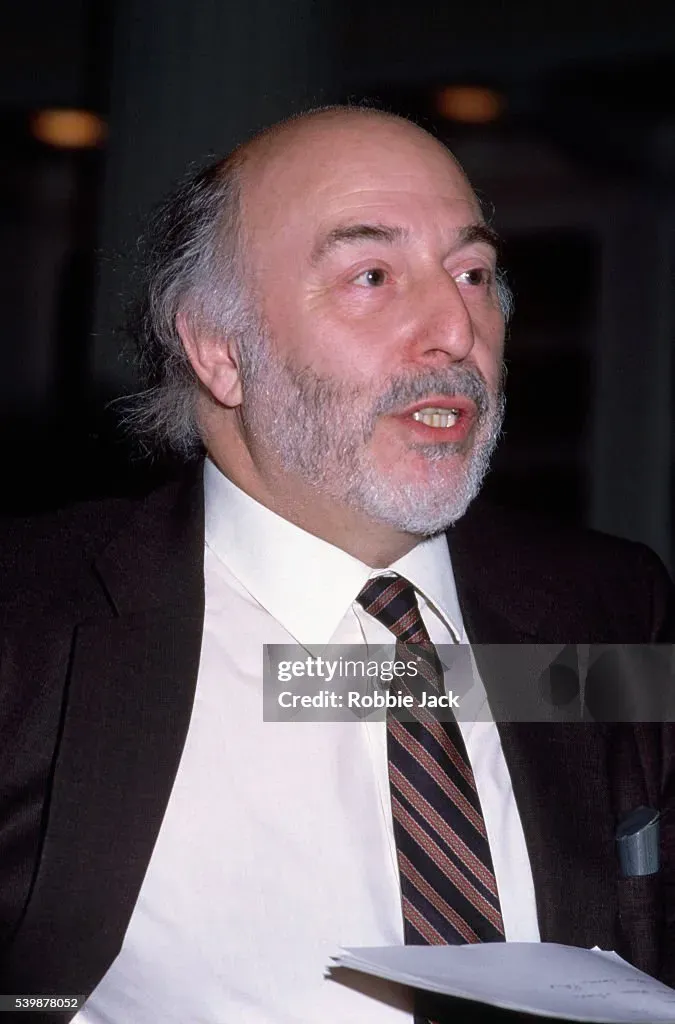
Frank Dunlop, a celebrated British theatre director, passed away at the age of 98, leaving behind a profound theatre legacy that shaped the landscape of performing arts. As the founder of the Young Vic in 1969, Dunlop was instrumental in providing a vibrant platform for innovative theatre, ultimately becoming a key figure in the Edinburgh International Festival from 1983 to 1991. His dynamic approach and captivating productions brought attention to emerging artists and diverse storytelling, making significant contributions acknowledged in his Frank Dunlop obituary. Renowned for his work with groundbreaking playwrights and visionary directors, Dunlop’s influence continues to resonate within British theatre. Through his commitment to youth engagement and creative experimentation, Dunlop has firmly established himself as a monumental figure in the arts.
Frank Dunlop’s remarkable career highlights the impact of a visionary in the realm of theatrical direction. A pioneer of youthful talent, he transformed the Young Vic into a beacon for new voices in the performing arts while also leaving an indelible mark on prestigious events like the Edinburgh International Festival. This dynamic British theatre director was celebrated for his eclectic productions and passionate advocacy for the arts, as evidenced by the accolades detailed in his obituary. The art community remembers Dunlop not just for his outstanding leadership but also for his commitment to fostering creativity in others. His journey exemplifies a lifelong dedication to creating memorable theatre experiences for audiences and artists alike.
Frank Dunlop: A Legacy in British Theatre
Frank Dunlop’s influence on British theatre cannot be overstated. As the founder of the Young Vic in 1969, he created a dynamic space that fostered creativity and innovation within the arts. His vision of engaging young talent revolutionized the theatre scene, making it accessible and relatable to younger audiences. This commitment to youth and innovation was pivotal in shaping a new generation of artists who would go on to make significant contributions to British theatre and beyond.
Moreover, Dunlop’s tenure as the director of the Edinburgh International Festival from 1983 to 1991 marked another high point in his distinguished career. He expanded the festival’s horizons, introducing diverse voices and productions that challenged the norms of traditional theatre. His collaborations with prominent directors such as Ingmar Bergman and Yukio Ninagawa helped to elevate the festival’s status as a leading platform for artistic expression, solidifying Dunlop’s legacy as a transformative figure in the performing arts.
The Impact of the Young Vic Theatre
The Young Vic Theatre, established by Frank Dunlop, quickly became a vital institution within the London theatre landscape. Its mission to showcase emerging talent and experimental works helped to cultivate a rich artistic culture. Dunlop’s approach was marked by a deep appreciation for the actors’ craft, fostering an environment where performance could challenge conventional boundaries and explore diverse narratives. This innovative spirit attracted a plethora of playwrights and actors, many of whom found their footing under Dunlop’s mentorship.
Through his innovative programming, Dunlop launched numerous productions that would become cornerstones of contemporary theatre. The theatre not only served as a breeding ground for talent but also paved the way for more inclusive and diverse storytelling in the arts. By offering a platform for underrepresented voices, the Young Vic set a new standard for theatre companies, embodying Dunlop’s enduring belief in the transformative power of the arts.
Dunlop’s Contributions to the Edinburgh International Festival
During his directorship, Frank Dunlop significantly enriched the Edinburgh International Festival’s programming. Drawing inspiration from earlier theatre seasons in London, he curated an eclectic mix of performances that showcased global talent. His willingness to embrace unconventional works resonated with both audiences and critics, establishing the festival as a fertile ground for artistic experimentation. Notable productions during his tenure often featured international artists who brought fresh perspectives to the stage.
Dunlop’s commitment to theatrical excellence was evident in the calibre of productions he presented. Collaborating with established companies and emerging artists alike, he strived to elevate the festival’s offerings. This focus on artistic diversity not only celebrated the vibrancy of different theatrical traditions but also allowed the festival to remain relevant in a rapidly evolving cultural landscape. His influence can still be felt in the festival today, which continues to prioritize innovative and daring performances.
Frank Dunlop and Musical Theatre
In addition to his significant contributions to straight plays, Frank Dunlop was a pioneering force in musical theatre. His first professional staging of ‘Joseph and the Amazing Technicolor Dreamcoat’ not only introduced a new generation to this beloved musical but also showcased his ability to blend storytelling with vibrant musicality. Dunlop’s keen understanding of both narrative and performance ensured that the shows he directed resonated deeply with audiences, enriching their theatrical experience.
Dunlop’s achievements in musical theatre extended beyond ‘Joseph,’ as he collaborated with esteemed composers and lyricists to create productions that were both visually stunning and emotionally engaging. His work often leveraged catchy songs and dynamic choreography, appealing to a wide range of theatre-goers. By championing musicals, Frank Dunlop played a crucial role in elevating the genre within British theatre, proving that musicals could offer profound narrative experiences alongside entertainment.
Revolutionizing Theatre for Young Audiences
Frank Dunlop was particularly passionate about making theatre accessible to young audiences. His establishment of the Young Vic was driven by a desire to offer engaging, high-quality theatre experiences for young people, which stood in stark contrast to more traditional, less inclusive models. This commitment to youth engagement not only allowed for creative experimentation but also fostered a lasting appreciation for the arts among new generations.
Through initiatives that invited young people to participate in theatre-making, Dunlop’s influence reached far beyond the stage. He instilled a belief in the transformative power of storytelling, empowering young audiences to connect with diverse narratives. This ethos has inspired countless theatre practitioners and educators, emphasizing the importance of nurturing young talent in the performing arts, a legacy that continues to be relevant in today’s theatre landscape.
Frank Dunlop’s Lasting Influence on the Arts
Frank Dunlop’s legacy is etched into the fabric of British theatre, stemming from his innovative approach to directing and his unwavering support for the arts. His ability to adapt and evolve with the changing landscape of theatre ensured that his impact would resonate through time. As a celebrated director, he received numerous accolades, including a special recognition Olivier award, which reaffirmed his status as a pivotal figure in the cultural arena.
Even in his later years, Dunlop’s contributions to theatre did not wane. His work in New York and continued engagements with various theatre companies highlighted his tireless dedication to the craft. By consistently advocating for artistic excellence and nurturing aspiring artists, Frank Dunlop leaves a profound legacy that inspires present and future generations of theatre-makers to push the boundaries of creativity.
Dunlop’s Work with Young Talent
Frank Dunlop’s dedication to nurturing young talent was evident throughout his career. He understood that the future of theatre relied on the fresh ideas and energy that young artists could bring. By creating opportunities within his own productions and through his leadership at the Young Vic, Dunlop actively mentored aspiring actors and directors, providing them with the platform to explore their creativity.
His influence as a mentor extended beyond the confines of his productions. Many of the actors who graced the Young Vic stage under his guidance have gone on to achieve significant success in their careers. Dunlop’s belief in fostering young talent not only invigorated the theatre community of his time but also contributed to a wider cultural appreciation for the arts, inspiring a cycle of mentorship and creativity that continues to thrive.
Remembering Frank Dunlop’s Legacy
As we reflect on Frank Dunlop’s life and career, it is clear that his contributions to theatre were both profound and far-reaching. His innovative spirit, coupled with his unwavering dedication to the arts, left an indelible mark not just on the British theatre landscape, but also on global performance arts. The numerous productions he led, from compelling dramas to vibrant musicals, showcased his versatility and passion for storytelling.
Dunlop’s legacy lives on through the many institutions and individuals he inspired. His work serves as a reminder of the importance of creativity, collaboration, and the transformative power of the arts. As new generations of theatre-makers emerge, the influence of Frank Dunlop will continue to resonate, guiding them to create works that are as impactful and memorable as those he brought to life.
The Future of Theatre Inspired by Frank Dunlop
Frank Dunlop’s legacy inspires an ongoing dialogue about the future of theatre. His approach to inclusivity and innovation set a precedent for contemporary theatre companies to adopt practices that prioritize diverse representation and accessibility. By embracing the importance of inclusivity, modern theatre can ensure that it remains relevant and vibrant, echoing Dunlop’s vision.
Moreover, Dunlop’s commitment to mentorship emphasizes the significance of fostering the next generation of artists. Programs that focus on training young talent are crucial in maintaining the vitality of the performing arts. As new voices emerge, they bring fresh perspectives that challenge conventions, creating innovative and dynamic theatrical experiences that honor Dunlop’s pioneering spirit.
Frequently Asked Questions
What is the significance of Frank Dunlop in British Theatre?
Frank Dunlop is celebrated as a pioneering British theatre director, recognized for founding the Young Vic in 1969 and for his influential role as the director of the Edinburgh International Festival from 1983 to 1991. His contributions have left a lasting legacy in British theatre, promoting the inclusion of young talent and diverse productions.
How did Frank Dunlop contribute to the Young Vic’s legacy?
As the founder of the Young Vic, Frank Dunlop established a vital platform for innovative and experimental theatre. His commitment to engaging younger audiences and facilitating new talent set the foundation for the Young Vic’s continued success in British theatre.
What are some notable productions directed by Frank Dunlop?
Some notable productions directed by Frank Dunlop include the original stagings of ‘Joseph and the Amazing Technicolor Dreamcoat’ at the Edinburgh Festival and various acclaimed works at the National Theatre. His innovative direction helped elevate these productions to significant acclaim within the British theatre scene.
What impact did Frank Dunlop have on the Edinburgh International Festival?
During his tenure as the director of the Edinburgh International Festival, Frank Dunlop expanded the festival’s drama program, showcasing a wealth of talent from directors like Ingmar Bergman and Yukio Ninagawa. His vision and eclectic programming enriched the festival’s reputation and drew international attention.
What awards and recognition did Frank Dunlop receive for his contributions to theatre?
Throughout his career, Frank Dunlop received several accolades, including being appointed CBE in 1977. He was also honored with a special recognition Olivier Award in 2017 for his significant contributions to British theatre, underscoring his impact on the theatrical landscape.
What was Frank Dunlop’s early career like in theatre?
Frank Dunlop began his theatre career at a young people’s theatre company before becoming a resident director at the Bristol Old Vic. His journey included early successes that established him as a notable figure in British theatre, leading to his role at the National Theatre and ultimately the founding of the Young Vic.
Can you describe Frank Dunlop’s approach as a theatre director?
Frank Dunlop was known for his energetic, actor-focused directing style. He prioritized the development of strong ensemble performances and was unafraid to embrace eclectic and populist choices. His tenure often involved bold, imaginative productions that resonated with audiences across various demographics.
When did Frank Dunlop pass away, and what legacy did he leave behind?
Frank Dunlop passed away on January 4, 2026, at the age of 98. His legacy includes the founding of the Young Vic and significant contributions to the Edinburgh International Festival, shaping the landscape of British theatre for future generations.
| Key Achievement | Details |
|---|---|
| Founder of the Young Vic | Established in 1969, became a vital center for young talent. |
| Director of the Edinburgh International Festival | Served from 1983 to 1991, known for a diverse program. |
| Professional debut with ‘Joseph and the Amazing Technicolor Dreamcoat’ | Staged in 1972, revived successfully leading to its West End transfer. |
| Collaboration with Young Talent | Mentored figures like Jeremy James Taylor and established the National Youth Music Theatre. |
| Theatre Director at National Theatre and other venues | Worked under Laurence Olivier and directed several memorable productions. |
| International Influence | Directed productions in Brussels, Scandinavia, Australia, and New York. |
| Awards and Recognitions | Appointed CBE in 1977, received Olivier award in 2017. |
| Legacy | Remembered for his vibrant contributions to theatre and mentoring the next generation. |
Summary
Frank Dunlop made a significant mark on the theatre world through his innovative work and mentorship. As the founder of the Young Vic and director of prestigious events like the Edinburgh International Festival, Dunlop shaped contemporary theatre and nurtured young talent. His achievements not only highlight his skills as a director but also his commitment to fostering creativity in young artists. Dunlop’s legacy will continue to inspire future generations in the performing arts.