Listen to this article
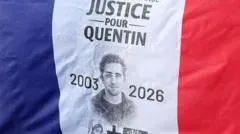
The recent murder of a far-right nationalist student in France has ignited a firestorm of controversy, particularly surrounding the involvement of far-left militants in the incident. Quentin Deranque, a 23-year-old math student, tragically succumbed to his injuries after a brutal attack in Lyon, where he was targeted by a masked group during a demonstration he was meant to protect. Following this shocking crime, the authorities have arrested nine suspects, including a parliamentary assistant linked to the radical left LFI party, stirring emotions within the political landscape. Leaders like Jean-Luc Mélenchon are now under intense scrutiny as they vehemently deny any connection to the violence, expressing their sympathies for Deranque’s family while attempting to navigate the fallout. The Lyon incident highlights the escalating tensions between left and right ideologies in France and raises questions about the safety of political activists in the nation.
In a tragic turn of events, the violent death of a young nationalist scholar in France has brought to light the deep divisions within the country’s political climate. The attack against Quentin Deranque, a student who sought to support a far-right feminist demonstration, was allegedly carried out by militants from the extreme left and has sparked widespread outrage. This brutal occurrence in Lyon has led to the apprehension of several individuals, including ties to the radical France Unbowed political faction led by Jean-Luc Mélenchon. This incident not only underscores the risks faced by politically active youth in France but also raises critical questions regarding the political affiliations and motivations of those involved in such violent confrontations. As both sides of the political spectrum grapple with the implications, this event may prove to be a pivotal moment in France’s ongoing ideological struggle.
Understanding the Lyon Incident: A Tragic Turning Point
The Lyon incident highlights a grim chapter in France’s socio-political landscape, marked by increasing tensions between far-right and far-left factions. The tragic murder of Quentin Deranque, a 23-year-old far-right nationalist student, following a demonstration, has captured national attention and sparked outrage. As investigations unfold, it has become evident that the violence stemmed from a broader ideological conflict, reflecting the growing polarization in contemporary France. Deranque’s death, subsequent to a brutal attack by a group of masked assailants, has not only brought forward issues of political violence but also raised questions about the safety of individuals aligned with controversial political ideologies.
This incident serves to exacerbate existing divisions within French society, as it unveils an alarming trend of political violence. With far-left militants being implicated in the murder, as substantiated by the arrests of nine individuals, including a parliamentary assistant linked to the radical left France Unbowed (LFI) party, the Lyon incident exemplifies how passionate political beliefs can escalate to lethal confrontations. The involvement of established political entities like the LFI, especially amid the upcoming presidential elections, has fueled fierce debates about accountability and the implications for political discourse in France.
The Aftermath: Arrests and Political Ramifications
Following the murderous attack, authorities swiftly arrested nine individuals allegedly connected to the crime, intensifying scrutiny on far-left groups and their actions. This decisive move has raised critical questions regarding the extent of responsibility political movements bear for violent acts committed by their affiliates. Among those detained is Jacques-Elie Favrot, a parliamentary assistant for the LFI party, which has placed immense pressure on the party’s leadership. The ramifications of these events could extend beyond the immediate legal repercussions, potentially reshaping the narrative around radical political factions in France.
Meanwhile, Jean-Luc Mélenchon, the leader of the LFI, has publicly distanced the party from the incident, asserting that they condemn all forms of violence. With the approaching presidential election, the LFI is facing a precarious challenge in managing its public image while navigating the complicated landscape of political alliances and accusations. Mélenchon’s firm stance during this crisis aims to mitigate backlash but raises the stakes, forcing the party to actively engage with the implications of the Lyon incident and the ideologies involved, as they prepare to face their electorate.
The Response from Far-Right Groups: Solidarity and Condemnation
In the wake of Quentin Deranque’s murder, far-right groups in France have rallied in solidarity, condemning the violence perpetrated against their member. The tragic event has galvanized far-right factions, which view the incident as further evidence of systemic hostility towards their political stance. Activists and supporters of far-right ideologies are organizing protests and vigils, asserting their right to express their beliefs without fear of violent retaliation, thus highlighting the escalating tensions between the ideological extremes in France.
The murder serves as a rallying point for far-right activists, many of whom see Deranque’s death as emblematic of a broader war against their ideals. This reaction underscores the reality that political violence affects not only the immediate victims but also shapes the narrative surrounding political identities in France. As the situation develops, it remains to be seen how these movements will influence public discourse and political maneuvering leading up to the next presidential elections.
Political Context: The Role of the LFI Party and Its Leaders
The political landscape in France is fraught with complexities surrounding the LFI party and its alignment with the violent incident in Lyon. Following the murder of a far-right student, LFI leader Jean-Luc Mélenchon has been thrust into the spotlight, defending his party against claims of complicity. In his public statements, he has stressed the importance of condemning violence irrespective of political leanings, which seeks to position the LFI as a party that advocates for peace and dialogue rather than confrontation.
However, the arrest of a party affiliate in connection with the crime adds to the scrutiny faced by the LFI. As political opponents leverage this incident to undermine the party’s credibility, it raises questions about the leadership’s ability to navigate such crises. The political ramifications extend beyond mere public relations, influencing voter sentiment and possibly swaying the outcomes of upcoming elections, where issues of violence and political accountability are paramount.
Investigating Far-Left Militants: Implications for French Society
With the arrest of nine individuals linked to far-left militants suspected of Quentin Deranque’s murder, the investigation reveals a persistent undercurrent of radicalization that plagues French society. The suspected involvement of groups like La Jeune Garde (Young Guard) invites a thorough examination of how such factions operate and attract youth, drawing attention to the ongoing struggle against political extremism that transcends ordinary crime. As the judicial process unfolds, the outcomes may serve as a critical barometer for measuring societal attitudes towards violence in the name of ideology.
The implications of these findings are profound, highlighting the potential for violent clashes between ideological opponents. French authorities are likely to face increased pressure to address not just the immediate question of justice for Deranque but also the broader societal implications of far-left and far-right violence. As communities grapple with the reality of political extremism, proactive measures aimed at education and dialogue may become crucial in mitigating future conflicts, emphasizing the need for a united front against any kind of political violence.
Public Reaction: Outrage and Calls for Action
Quentin Deranque’s murder has incited widespread outrage across the political spectrum, highlighting the fragility of public safety in a politically polarized climate. Numerous citizens have expressed their dismay through social media campaigns and public demonstrations, demanding justice for Deranque and calling for stronger measures against politically motivated violence. The tragic nature of this incident has resonated with many, leading to a surge in calls for accountability that transcends party lines.
Moreover, public response has propelled discussions surrounding the role of governmental and civic institutions in addressing and mitigating political violence. Advocacy groups, both from the far-right and far-left, are now grappling with the potential repercussions of their rhetoric. The Lyon incident serves as a stark reminder of the power of ideology to incite violence, and as such, both supporters and adversaries of these movements are urged to reflect on their roles in fostering a more peaceful discourse.
The Search for Justice: Legal Proceedings and Beyond
As legal proceedings commence following the arrests related to the murder of far-right student Quentin Deranque, society watches closely to gauge how justice will be served in this politically charged atmosphere. Prosecutors have been tasked with not only delivering a swift and fair trial for the accused but also addressing the underlying political tensions that have surfaced. The legal implications are vast, as they could set judicial precedents that may affect future cases of politically fueled violence.
In addition to the immediate legal concerns, the ramifications of the trial extend into wider societal reflections on political ideology and violence. Individuals affiliated with both far-left and far-right groups may scrutinize how the courts approach this case, potentially impacting their engagement with the political system in the future. The outcomes could catalyze a reexamining of how civic violence is perceived and addressed in France, influencing policies that govern political expression.
Repercussions for Political Alliances: National Implications
The ramifications of the Lyon incident have stirred considerable alarm amongst political circles in France, shifting the dynamics of alliances and power structures among parties. With the LFI facing scrutiny over its connections to the arrested individuals, the incident could lead to fractures within alliances that were previously deemed stable. The impending presidential elections are further complicating matters, as each party navigates the narrative surrounding violence in politics.
In this context, political leaders must exercise strategic foresight, as public sentiments about political violence influence voter behavior. The fallout from the murder of Deranque could ignite rivalries, pushing parties to either ally closer for protective measures or distance themselves to safeguard their reputations. As the situation unfolds, the responses and strategies of various political factions will likely shape the political landscape of France for years to come.
The Broader Conversation: Ideological Violence in France
The murder of Quentin Deranque has catalyzed a broader conversation about ideological violence in France, stirring debates on how political beliefs can escalate into lethal confrontations. With far-left and far-right groups increasingly coming into conflict, the incident serves as a distressing reminder of the implications of radical ideologies. A national dialogue is emerging that seeks to address not only the immediate consequences of violence but also the deeper roots of extremist thinking that fuel such tragic events.
This evolved discourse challenges all members of society to reflect on their roles in the political arena. Public institutions, educators, and individuals alike are being called to action, with an emphasis on promoting tolerance and understanding amidst ideological diversity. The Lyon incident, while tragic, could serve as a crucial galvanizing moment for addressing issues of extremism and violence, encouraging proactive measures to foster a more cohesive society.
Frequently Asked Questions
What happened in the France far-right nationalist student murder case involving Quentin Deranque?
In the France far-right nationalist student murder case, 23-year-old Quentin Deranque was murdered following an attack by a group of masked individuals in Lyon. The aggression reportedly occurred after a demonstration by far-right feminists, which Deranque was planned to help protect. Tragically, he succumbed to his injuries two days later in the hospital.
Who are the suspects in the murder of Quentin Deranque linked to far-left militants?
The suspects in the murder of Quentin Deranque include nine individuals, among them a parliamentary assistant associated with the radical left France Unbowed (LFI) party. Investigations suggest that these suspects are far-left militants linked to the banned organization La Jeune Garde (Young Guard).
What did Jean-Luc Mélenchon say about the accusations against his party regarding the Lyon incident?
Jean-Luc Mélenchon, the leader of the LFI party, categorically denied any involvement of his party in the Lyon incident. He described accusations against LFI as slander and expressed his party’s empathy for Quentin Deranque’s family, stating that they oppose all forms of violence.
How did the Lyon incident impact the France Unbowed (LFI) party?
The Lyon incident has placed considerable pressure on the France Unbowed (LFI) party, particularly because one of their parliamentary assistants is among those arrested. This is especially critical as the party prepares for upcoming elections and faces scrutiny over its alleged connections to the murder of the far-right nationalist student.
What details were revealed by the prosecutor regarding the murder of Quentin Deranque?
State prosecutor Thierry Dran revealed that Quentin Deranque suffered fatal injuries from being kicked and punched by at least six attackers. The autopsy indicated significant trauma to his skull and brain, highlighting the brutal nature of the assault related to the France far-right nationalist student murder.
What role did Quentin Deranque have in the events leading to the Lyon incident?
Quentin Deranque was involved in supporting a small demonstration by far-right feminists outside the Institute of Political Studies (IEP) in Lyon. His role was to protect demonstrators, which ultimately led him into a violent confrontation with far-left militants, resulting in his tragic death.
What are the implications of the far-left militant involvement in the France far-right nationalist student murder?
The implication of far-left miltants’ involvement in the murder of Quentin Deranque raises significant concerns about political violence and extremism in France. This tragic event has sparked debates on the tensions between far-right and far-left groups, as well as the need for political accountability and violence prevention.
| Key Point | Details | |
|---|---|---|
| Incident Overview | A far-right nationalist student was murdered in Lyon after being attacked by masked men. | |
| Victim | Quentin Deranque, 23, a math student. | |
| Arrests Made | Nine people have been arrested, including a parliamentary assistant from the LFI party. | |
| Accusations | Suspects are linked to a far-left militant group called La Jeune Garde. | |
| Political Implications | The incident adds pressure on the LFI party and its leader, Jean-Luc Mélenchon. | |
| Response from LFI | Mélenchon stated the party opposes violence and is dismayed by the events. | |
| Attack Details | Deranque suffered fatal injuries to his skull and brain, was attacked by at least six individuals. | |
Summary
The murder of a far-right nationalist student in France has sparked significant public outcry and political ramifications. Following this tragic incident, where Quentin Deranque lost his life after a brutal attack by a group of masked individuals, nine arrests have been made, primarily concerning far-left militants. This situation has put considerable pressure on La France Insoumise (LFI) and its leader Jean-Luc Mélenchon, as they face accusations of being connected to the violence, which they vehemently deny. The aftermath of this event highlights the deepening divisions within French politics and society, raising urgent questions about extremism and political violence.