Listen to this article
France’s boat interception policy marks a pivotal shift in handling the ongoing Channel migrant crisis, as the nation prepares to begin intercepting small boats making their perilous journey. This new directive comes in response to increasing pressure from the UK, particularly after Prime Minister Sir Keir Starmer’s appeal to President Emmanuel Macron for enhanced cooperation in managing migrant boat policies. The French maritime police are set to implement measures to stop vessels at sea before they pick up passengers, a tactic aimed at reducing the risks associated with overcrowded boats. With concerns over UK-France relations at stake, this policy change represents a critical moment in the collaborative efforts to deter unauthorized crossings in the busy shipping lane. As these developments unfold, the implications for both human safety and the broader dynamics of migration in the region will be closely monitored.
In a noteworthy turn of events, France is set to advance its strategy regarding the interception of migrant vessels in the English Channel, as the nation grapples with the complexities of maritime migration. This approach, described as an essential move to bolster security measures, aims to curb the trend of small boats departing from French shores, thereby addressing growing concerns over human trafficking and unsafe journeys. Recent interactions between French and British leadership have emphasized the need for effective deterrents and cooperation in combatting the Channel migrant crisis. The announcement from French maritime authorities, detailing the intent to act preemptively against migrant boats, underscores a shift towards more proactive engagement of law enforcement in these delicate situations. As these policies come into play, the impact on local communities, asylum seekers, and bilateral relations remains to be seen.
Overview of France’s Boat Interception Policy
France’s decision to implement a small boat interception policy marks a pivotal shift in its approach to the ongoing Channel migrant crisis. Amid increasing pressure from UK officials, particularly Prime Minister Sir Keir Starmer, France has agreed to deploy its maritime police to intercept small boats before they can embark with migrants. This proactive stance is aimed at curbing the rising number of migrant crossings that have been a topic of major concern within UK France relations. The policy aims not only to deter potential crossings but also to protect human life, representing a significant evolution in France’s migrant boat policies.
The implications of this policy are profound, considering the historical hesitance of French security forces to intervene at sea. Traditionally, French police have faced challenges in intercepting boats due to safety risks for both law enforcement and migrants. With resources now allocated for proactive measures, the French maritime police will take a more hands-on approach to prevent overcrowded boats from departing northern French beaches. It remains essential for the execution of this policy to balance effective migrant control with humanitarian considerations, ensuring that intervention does not lead to catastrophic outcomes at sea.
Impact on the Channel Migrant Crisis
The Channel migrant crisis, characterized by a surge of crossings in small boats, has triggered a substantial response from both UK and French authorities. With the introduction of France’s boat interception policy, there is potential for a noteworthy decline in the number of crossings. By officially authorizing maritime police to intercept boats before they reach the sea, the French government aims to dismantle the operational capabilities of people-smuggling networks that exploit vulnerable migrants. This strategic measure could reshape the current dynamics of illegal crossings across the Channel.
Moreover, the collaborative efforts between the UK and France underscore a commitment to improving bilateral relations regarding immigration policies. As both nations grapple with the complexities of the migrant boat crisis, the effectiveness of France’s interception strategy could serve as a model for future cooperative policies. However, it is crucial to understand that while policy changes are promising, they must be accompanied by robust enforcement and humanitarian safeguards to ensure the safety and rights of migrants are upheld.
The Role of French Maritime Police
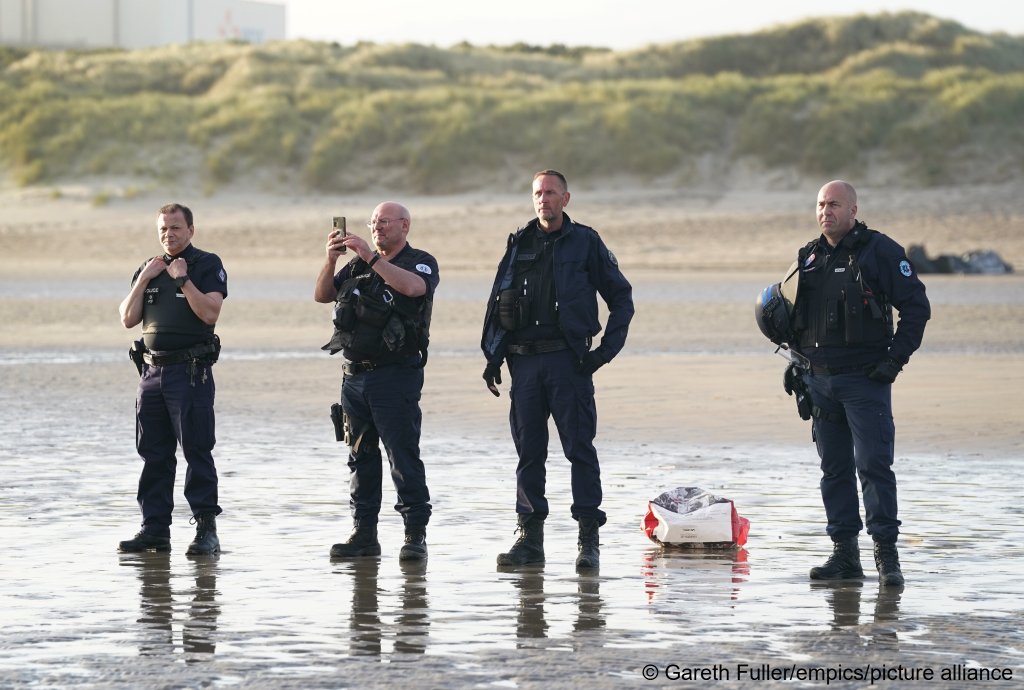
French maritime police play a critical role in implementing the newly established boat interception policy. With this change, maritime officers are expected to actively monitor the northern coastlines and intervene in suspected attempts to cross the Channel. Historically, the maritime police’s involvement has been minimal due to safety concerns and operational limitations regarding small boats. This newfound authority reflects a commitment to engage more directly in interception efforts, especially prior to the boarding of migrants.
The French maritime police’s responsibilities also extend to ensuring the well-being of those attempting to cross. Their interventions are not solely about enforcement; they are also geared towards enhancing safety at sea. The police’s operational protocols emphasize that while they will intervene to stop boats, they will not utilize hazardous methods such as nets, which could exacerbate the dangers faced by migrants. This careful approach highlights a nuanced understanding of the challenges inherent in addressing the migrant boat policies, balancing deterrence with the essential humanitarian mission.
Challenges in Intercepting Small Boats.
The operationalization of France’s small boat interception policy is not without its challenges. Strong maritime conditions, such as high winds and rough seas, pose immediate obstacles to the French maritime police’s ability to engage effectively in interception efforts. These environmental factors can delay operations and complicate the timely detection of boats preparing to embark. The unpredictability of weather can significantly impact the frequency and success of interceptions, as adverse conditions might hinder police capabilities.
Moreover, the adaptation strategies employed by people-smuggling gangs add another layer of complexity to the enforcement of France’s interception policy. Given that these criminal networks are often preemptive, they may change their tactics to evade detection, utilizing new routes or methods to facilitate crossings. This cat-and-mouse dynamic illustrates the ongoing struggle French and British authorities face in combatting illegal crossings. Continued vigilance and adaptive law enforcement strategies will be vital in overcoming these challenges, ensuring that the objectives of the new interception policy are met effectively.
UK France Relations and Immigration Policies
The evolving immigration policies pertaining to the Channel migrant crisis signify a crucial moment in UK France relations. The decision for France to adopt a proactive approach in intercepting small boats aligns with Prime Minister Sir Keir Starmer’s push for more collaborative measures between the two nations. Such cooperation illustrates a mutual recognition of the challenges posed by illegal crossings and a concerted effort to address these concerns through joint policy frameworks.
Improved dialogue between the UK and France can foster innovative solutions to the ongoing migrant crisis, enhancing both nations’ security while addressing humanitarian issues. As both governments navigate their respective domestic pressures to manage migration effectively, this newfound cooperation on interception policies could pave the way for broader agreements on migrant rights, asylum processes, and general immigration reform, ultimately benefiting both countries.
Humanitarian Considerations in Interception Policies
While the enforcement of a boat interception policy is crucial for addressing the Channel migrant crisis, it is equally important to consider the humanitarian implications surrounding such measures. The prevention of overcrowded boats from leaving the French coastline must be executed in a manner that prioritizes the safety and rights of migrants. Historical practices reveal the dangers associated with migration across the Channel, and any intervention strategies should avoid exacerbating these risks.
Effective policies must not only deter illegal crossings but also provide viable alternatives for migrants seeking safety. Humanitarian organizations emphasize the need for a balanced approach that combines enforcement with compassion, ensuring that intercepted migrants are treated with dignity and provided with access to necessary services, including shelter and legal assistance. Striking this balance will be essential in fostering a humane response to the complexities of migration in the region.
The Future of Migrant Boat Policies in France
The future of migrant boat policies in France hinges on the effectiveness of the newly introduced interception strategy and its impact on migration patterns across the Channel. The policy reflects a significant departure from previous approaches, demonstrating a commitment to actively combatting illegal crossings through proactive measures. As enforcement begins, it will be essential to monitor outcomes, assessing both the reduction in crossings and the operational challenges faced by maritime authorities.
Looking forward, France may need to adapt its migrant boat policies continually in response to emerging trends in migration, international law, and the changing dynamics of people-smuggling networks. A commitment to collaboration with the UK will also be pivotal in shaping a comprehensive approach that addresses not only immediate enforcement needs but also broader social and economic factors driving migration. The establishment of effective communication channels between both nations will be critical in crafting a sustainable and humane immigration framework.
International Perspectives on Maritime Interception
The international community is keenly observing France’s implementation of maritime interception policies in response to the Channel migrant crisis. Countries facing similar migration challenges may look to France as a case study for effective intervention strategies balanced with humanitarian considerations. The outcomes of these policies could significantly influence global attitudes towards maritime interventions in irregular migration scenarios, setting precedents in law enforcement practices and migration management.
As the implementation unfolds, the reactions of humanitarian organizations and migrant rights advocates will also play a critical role in shaping the discourse surrounding these policies. The necessity for transparent evaluations of the effectiveness and consequences of interception strategies will be paramount, ensuring that international standards for human rights are upheld. Engaging with various stakeholders, including migrant communities, will be essential in fostering a comprehensive understanding of the complexities involved in the Channel migrant crisis.
Evaluation of Current Migrant Policies
Evaluation will be essential in determining the success of France’s small boat interception policy in the context of existing migrant boat policies. Regular assessments can shed light on the efficacy of current measures and their long-term impacts on migration flows across the Channel. Stakeholders must employ data-driven analyses to gauge trends and identify areas for improvement, ensuring that policies remain adaptable and responsive to the evolving nature of migration.
Furthermore, engaging with immigrant communities and experts in migration studies will foster a richer understanding of the life experiences behind the statistics. Such evaluations should assess not only the policy’s impact on deterring crossings but also implications for the safety and protection of migrants. Adapting policies based on these evaluations will be vital for creating a well-rounded approach that respects human rights while addressing national security concerns.
Frequently Asked Questions
What are the recent changes in the France boat interception policy regarding the Channel migrant crisis?
The recent France boat interception policy allows French security forces to intercept small boats at sea before they pick up passengers. This decision follows extensive discussions with the UK amid ongoing issues related to the Channel migrant crisis.
How does the France boat interception policy impact UK France relations?
The France boat interception policy is expected to have a significant impact on UK France relations, enhancing cooperation in managing the Channel migrant crisis and addressing mutual concerns over border security.
What role do the French maritime police play in the new boat interception measures?
The French maritime police are authorized to intervene under the new boat interception measures to prevent overcrowded boats from departing the coastline, prioritizing the protection of human life while aiming to deter migrant smuggling.
Why has there been increased pressure from the UK for France to adjust its migrant boat policies?
Increased pressure from the UK for France to adjust its migrant boat policies comes from the UK government’s belief that there is currently ‘no effective deterrent’ against the rising number of small boats attempting to cross the Channel, which has become a significant issue.
What risks are associated with the interception of small boats according to the France boat interception policy?
The risks associated with the interception of small boats involve the safety of both police officers and migrants. French authorities have been cautious in their approach due to the dangers it poses, hence the decision to allow intervention only before boats have passengers onboard.
How might people-smuggling gangs react to the France boat interception policy?
People-smuggling gangs are likely to adapt their strategies in response to the France boat interception policy, as they have historically done, in order to evade interception efforts and continue their operations across the Channel.
What is the aim of the French authorities with the new boat interception policy?
The main aim of the French authorities with the new boat interception policy is to protect human life by intervening at sea to prevent dangerous crossings and discourage the use of small boats for illegal migration.
What were the previous intervention tactics used by French police concerning migrant boats?
Previously, French police barely intervened to prevent boats from leaving due to the high risks involved. There were brief aggressive tactics employed earlier, such as slashing the sides of boats, but these actions did not reflect a consistent policy.
| Key Point | Description |
|---|---|
| Policy Change | France begins intercepting small boats in the Channel after pressure from the UK. |
| Security Intervention | French forces authorized to stop boats at sea before they embark with passengers. |
| Intervention Rarity | French police have rarely intervened historically due to risks involved. |
| Human Life Protection | New directive focuses on protecting human lives during the approach. |
| Former Aggressive Approach | Previous government initiative for aggressive policing, particularly under Bruno Retailleau, has since faded. |
| Current Challenges | Strong winds delaying interception plans; migrant smuggling gangs adapting methods. |
Summary
The France boat interception policy marks a crucial step in addressing the challenges posed by small boats crossing the Channel. Reacting to pressures from the UK, France aims to enhance maritime security by allowing police to block boats before passenger pickups, thereby striving to protect human life. However, operational details remain uncertain, particularly as adverse weather conditions may hinder efforts, and smuggling networks are likely to adapt to circumvent these new measures. Overall, this policy highlights a commitment to a more robust response to migration challenges while balancing safety concerns.