
Listen to this article
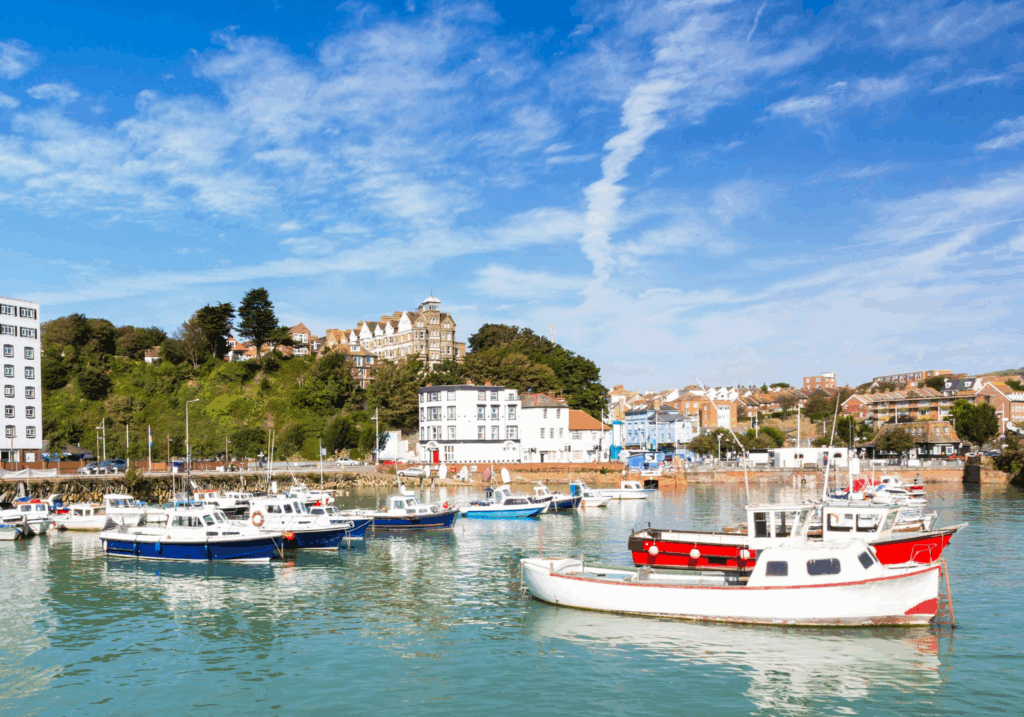
Folkestone seaside town is a vibrant blend of rich history and modern charm, earning its reputation as one of the UK’s coolest coastal destinations. Once a thriving hub, it faced challenges that led to its decline, particularly after the closure of its ferry port. However, through innovative regeneration efforts, Folkestone has emerged as a hotspot for art culture, drawing in tourists eager to explore its unique offerings. The infusion of investment, particularly from local entrepreneur Sir Roger De Haan, has revitalized the area, turning it into an artistically inclined seaside town reminiscent of the East London vibe. With continued improvements and a focus on community, Folkestone tourism is set to flourish in the years to come, attracting visitors who seek both relaxation and inspiration along its stunning coast.
Nestled in Kent, the charming Folkestone coastal community has undergone an impressive transformation, shedding its outdated image to embrace a new identity full of artistic flair and cultural vibrancy. Once struggling to maintain its allure as a travel destination, this seaside locale has experienced significant rejuvenation, enlivened by a diverse range of artistic initiatives and local entrepreneurship. As it shifts toward becoming a cultural hub, Folkestone captures the essence of trendy UK seaside towns, providing a unique blend of seaside relaxation with the energy of urban life. The continuous development of the area highlights the positive impact of regeneration in Folkestone, positioning it as a highly desirable spot for tourists seeking a refreshing escape along the coastline. Overall, this reinvention emphasizes the community’s resilience and adaptability in the face of changing times.
Discovering Folkestone: A Revitalized Seaside Town
Folkestone, once a bustling UK seaside town, has undergone a remarkable transformation in recent years. Once a victim of economic downturn due to the closure of its ferry port, this charming town on the Kent coast is now a thriving hub of art and culture. The infusion of over £100 million from Sir Roger De Haan’s charitable foundation has sparked a renaissance, bringing new life to the Creative Quarter and rejuvenating the local economy. Today, tourists flock to Folkestone to experience its vibrant community, unique art spaces, and trendy shops, marking it as one of the coolest seaside towns in the UK.
The unique blend of artistic flair and historical charm sets Folkestone apart from other UK seaside towns. With its picturesque coastal views and eclectic mix of galleries, cafes, and boutiques, visitors are treated to a cultural experience reminiscent of the East London vibe. This revitalization is not merely about aesthetics; it has also revived local tourism, helping to create jobs and fostering a sense of pride among residents.
Folkestone Art Culture: A Hub of Creativity
Folkestone’s art culture is a compelling aspect of its regeneration story. The town has become a canvas for artists, showcasing works in various forms, from street art to gallery exhibitions. Events such as the Folkestone Triennial have put this seaside town on the map, gaining attention from art enthusiasts across the UK and beyond. The local government and community have embraced this creative shift, recognizing the importance of culture in attracting tourism and stimulating economic growth.
The integration of art into the town’s identity has transformed Folkestone, making it a focal point for creative minds. Local workshops and studios thrive in the Creative Quarter, bolstered by a supportive community that nurtures talent. The emphasis on art and culture has not only attracted new visitors but has also encouraged local engagement, making Folkestone a vibrant place for both residents and tourists to enjoy.
Regeneration in Folkestone: Balancing Growth and Community
The regeneration of Folkestone has sparked considerable discussion about the balance between growth and preserving the community’s character. While the influx of new developments is vital for the town’s revival, it raises concerns about gentrification and the potential displacement of long-time residents. Sir Roger De Haan’s approach has focused on improving housing conditions, yet as he admits, rising property prices can make it hard for some locals to remain.
Amidst these challenges, there remains a concerted effort among community leaders and residents to ensure that the benefits of regeneration are equitably shared. Initiatives aimed at providing affordable housing alongside luxury developments are essential to maintain the town’s diverse social fabric. Folkestone’s transformation into a trendy seaside destination must not come at the expense of its heritage and the livelihoods of those who have called it home for generations.
Folkestone Tourism: A Rising Destination
Tourism in Folkestone has experienced a renaissance, making it a rising destination for both UK residents and international visitors. The town’s strategic location, just a short train ride from London, adds to its allure, attracting a mix of day-trippers and weekend visitors seeking a taste of coastal life. The charm of Folkestone is now complemented by modern attractions, including its vibrant art scene and the newly renovated seafront.
Efforts to boost Folkestone’s appeal as a tourist destination include promoting its cultural events and the stunning coastal scenery. The combination of historical sites, inclusive community events, and artistic endeavors enhances the visitor experience, making Folkestone a unique alternative to traditional seaside resorts. As more travelers seek out off-the-beaten-path locations, Folkestone stands out with its innovative spirit and inviting atmosphere.
A Local’s Perspective: Embracing Change in Folkestone
For long-time residents, the changes in Folkestone can evoke mixed feelings. While many appreciate the revitalization and the influx of businesses, others voice concerns about being priced out of their homes. Local shops and small businesses still strive to retain their character amidst a wave of newcomers, creating a unique blend of old and new, reflective of the town’s rich history. Residents like Alice Cleaver have expressed apprehensions about maintaining a sense of community amidst rapid growth.
However, there is also a strong sense of optimism among locals. Many recognize that regeneration brings opportunities for a more vibrant economy and improved amenities. Despite the challenges, the newly invigorated Folkestone allows residents to embrace both change and tradition, creating an enriching environment where both newcomers and locals can coexist harmoniously.
Transport Links: Connecting Folkestone to the UK
Folkestone’s accessibility is one of its many advantages, with efficient transport links connecting the town to major cities across the UK. The fast and direct Southeastern train service from St Pancras International to Folkestone West takes just 52 minutes, positioning it as an easy escape for Londoners looking to unwind by the sea. This convenient access is crucial for the growth of tourism and the local economy.
In addition to train travel, those opting for road transport will find the journey from South East London takes roughly one hour and 15 minutes via the M20. These travel options are vital for both tourists and residents alike, highlighting Folkestone’s status as a desirable destination. As travel becomes increasingly important in today’s world, Folkestone is well-positioned to attract visitors through its strong transport links and charming coastal allure.
Exploring the Creative Quarter: Folkestone’s Arts Hub
The Creative Quarter is at the heart of Folkestone’s regeneration, blending historic architecture with contemporary art. This area, once overlooked, now buzzes with life, featuring independent shops, art galleries, and cafes that cater to a myriad of tastes. The transformation of historic buildings into vibrant spaces for artists and entrepreneurs demonstrates the successful merging of heritage with modern creativity.
As visitors explore the Creative Quarter, they are treated to a visual feast, with public art installations and events that showcase local talent. This artistic atmosphere not only enhances the town’s appeal but also fosters community engagement, encouraging collaboration and inclusivity among artists and businesses. It stands as a testament to Folkestone’s evolution, proving that creativity can flourish even in the face of adversity.
Gastronomy in Folkestone: A Taste of the Coast
The culinary scene in Folkestone has blossomed alongside its artsy reputation, offering both locals and visitors a diverse range of dining options. From seafood shacks serving the freshest catches to trendy cafes and upscale restaurants, the town caters to various palates. Gastronomy plays an essential role in the overall tourism experience, attracting food enthusiasts eager to savor local flavors.
Many eateries emphasize locally sourced ingredients, celebrating Folkestone’s coastal heritage while supporting local producers. As the town continues to grow as a culinary destination, initiatives showcasing seasonal menus and food festivals further highlight Folkestone’s commitment to gastronomy. This focus on food enriches the town’s cultural tapestry, ensuring that visitors leave with not just memories of beautiful sights, but also delightful tastes.
Folkestone’s Future: A Sustainable Vision
As Folkestone continues its regeneration journey, sustainability emerges as a crucial element for its future. The integration of eco-friendly practices within developments and community projects will be vital to ensuring the town thrives without compromising its unique environment. Efforts to create a greener Folkestone reflect a broader understanding that sustainable living is essential for long-term viability.
Community initiatives aimed at promoting environmental responsibility also play a significant role in engaging residents in achieving their sustainable vision. Workshops, local campaigns, and awareness programs empower citizens to become active participants in the town’s ecological stewardship. As Folkestone strides forward, the focus on sustainability will shape its identity, ensuring that it remains an attractive location for generations to come.
Frequently Asked Questions
What makes Folkestone seaside town a unique destination for tourists?
Folkestone seaside town stands out for its vibrant blend of art and culture, reminiscent of trendy areas in East London. The town has undergone significant regeneration, transforming it into a hub for creative industries and unique tourist experiences, making it one of the UK’s coolest seaside towns.
How has the regeneration in Folkestone impacted its art culture?
The regeneration in Folkestone has revitalized its art culture, attracting artists and creative businesses to the area. The £100 million investment by Sir Roger De Haan has fostered a thriving environment for galleries, theaters, and cultural events, positioning Folkestone as a leading destination for art enthusiasts in the UK.
What are the best ways to travel to Folkestone seaside town?
The best way to travel to Folkestone seaside town is by train, with a direct Southeastern service from St Pancras International taking only 52 minutes. Alternatively, driving from South East London via the M20 can take about an hour and 15 minutes under clear conditions, providing convenient access to this vibrant seaside destination.
What should visitors expect when exploring Folkestone’s Creative Quarter?
Visitors to Folkestone’s Creative Quarter can expect a trendy atmosphere filled with independent shops, eateries, and cultural venues. This area showcases the town’s vibrant art culture and reflects the successful regeneration efforts, making it an excellent spot for those seeking a unique blend of creativity and coastal charm.
How does Folkestone compare to other UK seaside towns?
Folkestone is often regarded as the UK’s hippest seaside town due to its unique East London vibe and flourishing art scene. Unlike many traditional seaside towns, Folkestone offers a distinct fusion of cultural experiences, modern amenities, and stunning coastal views, setting it apart in the realm of UK seaside tourism.
Are there concerns about housing affordability due to regeneration in Folkestone?
Yes, there are concerns about housing affordability in Folkestone due to regeneration efforts. As the town revitalizes and attracts affluent residents, rising rents and house prices may pose challenges for local residents. However, the improvements in housing quality and community infrastructure are also essential for the town’s prosperous future.
What role has Sir Roger De Haan played in Folkestone’s transformation?
Sir Roger De Haan has played a pivotal role in Folkestone’s transformation by investing £100 million to improve its infrastructure and promote economic development. His efforts have led to the establishment of new businesses and community projects, positioning Folkestone as a thriving cultural hub on the UK seaside.
What can I expect from Folkestone’s tourism scene?
Folkestone’s tourism scene offers a rich array of attractions, including art installations, festivals, and beautiful coastal walks. Visitors can enjoy a blend of leisurely beach time, cultural explorations in the Creative Quarter, and vibrant community activities, making Folkestone a diverse destination for all.
| Key Point | Details |
|---|---|
| Location | Folkestone, Kent, UK |
| Transformation | Revamped from a declining seaside town to a trendy hub of art and culture. |
| Investment | £100 million investment from Sir Roger De Haan’s charitable foundation. |
| Economic Impact | Concerns about local residents being priced out due to rising rents and house prices. |
| Travel Accessibility | Direct train service from St Pancras International to Folkestone West takes 52 minutes. |
Summary
Folkestone seaside town has emerged as a vibrant destination, transforming from a once-neglected area into a trendy hotspot filled with art and culture. With significant investments driving this rejuvenation, Folkestone now attracts visitors and new residents alike, though it faces challenges regarding affordability for local inhabitants. Balancing development and community needs will be crucial as Folkestone continues to evolve while retaining its unique charm.