
Listen to this article
Flytipping in Croydon has emerged as a pressing issue, with over a thousand incidents reported each week, making it the worst affected borough in the country. This illegal dumping not only creates unsightly messes across the community but also burdens the Croydon Council with hefty costs exceeding £1 million annually for rubbish clearance. The environmental crime of flytipping significantly impacts local neighborhoods, as residents often find themselves living alongside discarded household items like mattresses and cabinets. With an escalating number of neighbourhood waste issues, the council is determined to crack down on these offenders through its zero-tolerance policy. By deploying community compliance officers and encouraging reporting through various channels, Croydon aims to tackle this persistent problem head-on.
Illegal dumping, frequently referred to as flytipping, poses a serious threat to urban sanitation and community aesthetics in Croydon. The act of discarding waste improperly not only disrupts local environments but also presents challenges for municipal authorities tasked with maintaining cleanliness. In this borough, incidents of illicit waste disposal have skyrocketed, leading to significant financial pressures on local councils already stretched thin. With the rise of rogue waste disposal services exploiting residents’ frustrations regarding waste collection fees, it’s crucial to understand the broader implications of these actions. As community leaders rally against the environmental crime of flytipping, they emphasize the need for education, deterrence, and stringent enforcement to preserve Croydon’s public spaces.
Understanding Flytipping in Croydon: A Growing Concern
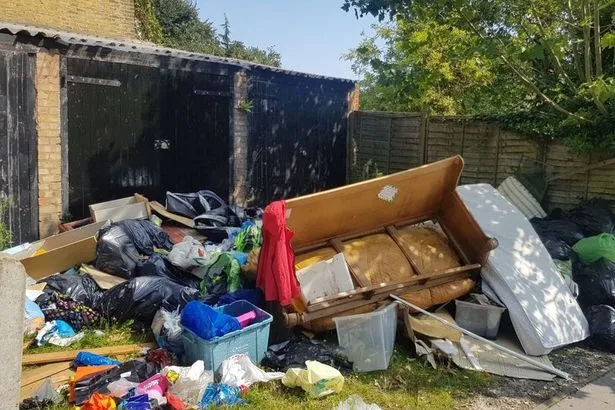
Flytipping in Croydon has become a pervasive issue, with over a thousand incidents reported weekly. This rampant illegal dumping of waste not only creates aesthetic problems but also escalates environmental crimes in the borough. Household items, including mattresses, cabinets, and bags of rubbish, are frequently left in public areas, posing health risks to nearby residents, particularly children playing in parks. Croydon Council has had to allocate more than £1 million annually to tackle this pressing neighbourhood waste issue, highlighting the significant financial impact of flytipping on the local government.
The sheer volume of flytipping incidents in Croydon raises alarms about waste management practices and community behavior. Observing the aftermath of such dumps, one can understand the frustrations of residents who are passionate about maintaining clean and safe surroundings. The council’s efforts to combat flytipping, including the quick clearance of dumped rubbish, can sometimes lead to a paradoxical situation, where their actions inadvertently encourage further illegal dumping due to perceived low risks for offenders.
The Role of Croydon Council in Combatting Flytipping
Croydon Council is at the forefront of tackling flytipping, employing a zero-tolerance policy that is crucial in addressing this environmental crime. Compliance officers are active on the ground, diligently searching through rubbish for identifying information to aid prosecutions against offenders. Additionally, the council has implemented Fixed Penalty Notices (FPNs) to penalize those caught in the act of flytipping, striving to curtail the problem decisively. Each year, Croydon faces the daunting task of managing thousands of illegal dumping incidents, necessitating innovative strategies to deter would-be offenders.
Despite the challenges, the council remains committed to improving waste management in the borough. Through collaboration with local communities and the integration of technology—such as apps for reporting flytipping—they aim to bolster their response to this growing crisis. However, the reality remains complex as budget cuts and increased fees for waste disposal services have left some residents feeling disenfranchised, potentially leading to further instances of flytipping as they seek alternative means to dispose of their waste.
Moreover, the high costs associated with clearing flytips place an immense strain on local resources, necessitating a careful balance between enforcement and community engagement. The local government emphasizes the importance of education regarding waste disposal, hoping to foster a culture of responsibility among residents while simultaneously cracking down on habitual offenders.
Community Responsibility and Flytipping Solutions
Addressing flytipping in Croydon also requires engaging the community to foster a sense of shared responsibility. Campaigners and residents alike advocate for systematic educational programs that highlight the importance of proper waste disposal practices. Activists argue that empowering residents with knowledge can drastically deter illegal dumping behaviors, cultivating an environmentally-conscious community that values cleanliness and sustainability.
Moreover, initiatives such as community clean-up days and collaborations with local organizations can create a culture that discourages flytipping. By working together, residents can improve their environment while sending a clear message that such activities will not be tolerated. The collective effort towards maintaining a clean neighborhood not only enhances public safety but also preserves the aesthetic quality of Croydon, making it a more appealing place to live.
Consequences of Flytipping: Impact on Community
The consequences of flytipping extend beyond environmental degradation; they seep into the very fabric of community life. The sight of dumped rubbish can discourage community pride and deter potential investment in the area. Moreover, the negative externalities associated with illegal waste dumping could contribute to health issues and lower property values, affecting residents’ quality of life and safety. With over a thousand reports of flytipping every week in Croydon, the ramifications of these actions ripple throughout the neighbourhood, creating a sense of neglect and detachment among residents.
Furthermore, as community members witness frequent flytipping incidents, a sense of helplessness may emerge, undermining their faith in council effectiveness. This cyclical problem can lead to frustration, as residents feel powerless against repeat offenders who exhibit a blatant disregard for community rules. Therefore, collective community efforts alongside rigorous enforcement from the Croydon Council are paramount in reversing the negative trend of flytipping and restoring pride in the neighborhood.
Prosecution Initiatives Against Flytippers
As part of Croydon’s strategy to combat flytipping, increased prosecution initiatives have been launched to penalize offenders. The council has committed to pursuing prosecutions in significant cases, seeking fines that can exceed £4,000 for habitual flytippers. The principle of ‘catching people, prosecuting them’ reflects a robust approach to deter illegal dumping while holding offenders accountable. This strict enforcement is essential for establishing a deterrent effect, sending a message that the council will not tolerate environmental crimes.
With evidence gathering through community reporting, including video footage from doorbell cameras, the prosecution of flytippers is becoming more systematic. Residents are encouraged to engage with local authorities by reporting suspicious dumping activities, thus creating a partnership between the community and the council. The increased enforcement measures are vital for reducing the volume of flytipping and restoring trust in local governance.
The Importance of Rubbish Clearance Services
Rubbish clearance services play a vital role in maintaining the cleanliness and safety of Croydon’s neighbourhoods. With the rise in flytipping incidents, having efficient and accessible rubbish removal services is crucial for residents. It allows for responsible waste disposal and can greatly reduce the temptation to resort to illegal dumping. The former provision of free bulky waste collections is a notable example of how community support can prevent littering and flytipping, demonstrating the importance of accessible services in managing neighbourhood waste issues.
However, the recent implementation of fees for refuse collection has led to concerns among residents who feel financially burdened. This financial strain can inadvertently contribute to flytipping as people seek to avoid paying for waste services. Therefore, the council must find a balance between necessary funding for waste management and maintaining accessible services for its residents to strengthen the fight against flytipping effectively.
Engaging Local Campaign Groups in Tackling Flytipping
Local campaign groups, such as Litter Free Norbury, are instrumental in tackling flytipping by raising awareness and mobilizing community action. These organizations serve as advocates for cleaner streets and challenge policies that may inadvertently promote illegal dumping. With their grassroots efforts, they educate residents on responsible waste disposal and collaborate with local council initiatives to enhance enforcement and community involvement in tackling rubbish clearance.
Moreover, these groups also provide invaluable feedback to Croydon Council, representing community needs and concerns. Their insights help shape practical strategies aimed at reducing flytipping incidents. By working in tandem with committed residents, these organizations foster a proactive approach that can lead to long-term solutions for rubbish management and environmental protection.
Legislation and Policies Addressing Flytipping
Legislation plays a pivotal role in addressing and regulating flytipping across Croydon. The enforcement of laws concerning environmental crime includes stringent penalties for offenders, which aim to deter individuals and businesses from illegally dumping waste. By enacting policies that increase fines and prosecution capabilities, Croydon Council is equipping itself with the tools necessary to combat this issue more effectively.
Additionally, adapting policies that enhance community education on the legal consequences of flytipping can significantly reduce incidences of environmental crime. Informing residents about current laws and how they can report illegal dumping fosters a stronger sense of community participation, while also supporting the council’s ongoing fight against rubbish clearance challenges.
Future Directions in Flytipping Management
Looking ahead, the management of flytipping in Croydon will require continuous adaptation and innovation. As flytipping offenders evolve their methods, the council, alongside community efforts, must enhance their strategies to mitigate this ongoing issue. This may involve leveraging technology, increasing community engagement, and seeking new avenues for waste management funding to ensure long-term sustainability.
Moreover, fostering a culture of environmental responsibility among residents will be paramount in reducing the prevalence of flytipping in the future. By emphasizing education and active participation within the community, Croydon can not only address immediate concerns but also build a resilient framework for maintaining a clean and safe environment for generations to come.
Frequently Asked Questions
What actions is Croydon Council taking to combat flytipping in Croydon?
Croydon Council has implemented a zero-tolerance policy towards flytipping, including issuing Fixed Penalty Notices (FPNs) and pursuing prosecutions against offenders. They aim to clear reported flytips quickly, often within hours, to discourage illegal dumping.
How does flytipping affect the community in Croydon?
Flytipping creates significant neighbourhood waste issues in Croydon, impacting public health and the environment. Approximately 1,000 flytips are reported each week, costing the council over £1 million annually to manage the cleanup.
What fines can be imposed for flytipping in Croydon?
Individuals caught flytipping in Croydon can face fines up to £1,000, and in substantial cases, fines can exceed £4,000 if prosecuted successfully in court for environmental crimes.
Why is flytipping so prevalent in Croydon compared to other areas?
Croydon has the highest rate of flytipping in the UK, primarily due to a combination of increased costs for waste collection, lack of enforcement, and opportunistic behavior by rogue traders who disregard proper disposal methods.
What resources does Croydon Council provide for reporting flytipping?
Residents can report flytipping in Croydon easily through a dedicated mobile app, making it straightforward to notify the council about illegal dumping and help maintain cleaner neighbourhoods.
How has the community responded to flytipping in Croydon?
Community members express frustration over the rising incidence of flytipping, associating it with reduced council services and increased costs for waste collection. Local groups advocate for better enforcement and public education about waste disposal.
What are the long-term strategies for tackling flytipping in Croydon?
Croydon Council plans to enhance public education on proper waste disposal, increase enforcement visibility, and improve collaboration with residents to gather evidence against offenders, aiming for a sustained reduction in flytipping incidents.
What types of waste are commonly found in flytipping incidents in Croydon?
Common items found in flytipping incidents in Croydon include mattresses, furniture, bin bags, and even items like appliances. These abandoned waste materials pose hazards to public health and safety.
What can residents do to help reduce flytipping in Croydon?
Residents can help reduce flytipping in Croydon by reporting illegal dumpers through the council’s app, ensuring proper disposal of their waste, and assisting in spreading awareness about the consequences of flytipping.
Are there any educational programs about waste disposal in Croydon?
Croydon Council is working on educational programs aimed at raising awareness about proper waste disposal and the implications of flytipping, focusing on informing residents and deterring illegal behavior.
| Key Point | Description |
|---|---|
| High Frequency | Over 1,000 flytips reported weekly in Croydon, the highest in the UK. |
| Cost to Council | The management of flytipping costs Croydon Council over £1 million per year. |
| Community Involvement | The council employs community compliance officers to investigate flytipping and encourage public reporting. |
| Zero-Tolerance Policy | Croydon Council has implemented a stringent approach to combat flytipping, including fines and prosecutions. |
| Public Sentiment | Community frustration stems from rising costs of waste services and perceived lack of enforcement. |
| Local Perspectives | Opinions from residents and local leaders highlight the challenges and need for better education and support for proper waste disposal. |
Summary
Flytipping in Croydon has become a pressing concern, with more than a thousand incidents reported weekly and significant financial implications for the local council. Despite efforts to curb this issue through community compliance officers and a zero-tolerance policy, the challenges of enforcement, public sentiment regarding waste costs, and the activity of rogue waste collectors continue to exacerbate the situation. For sustainable improvements, there is a collective call for education, better policies, and increased accountability in managing waste within the borough.