
Listen to this article
Fly-tipping enforcement is a crucial aspect of maintaining the cleanliness and safety of our cities, especially in busy boroughs like Lewisham. Illegal dumping of waste not only tarnishes the landscape but also poses serious environmental and health risks. For instance, last year alone, Lewisham faced over 38,000 reports of fly-tipped rubbish, which cost taxpayers a whopping £600,000 for cleanup efforts. This rampant issue highlights the need for rigorous enforcement against such environmental crimes, as local councils take action to combat the growing problem of waste management. By applying strict penalties and employing dedicated teams, authorities aim to deter individuals from engaging in illegal dumping and protect community standards.
The issue of unauthorized waste disposal, often referred to as illegal dumping, is an escalating concern that calls for urgent attention and enforcement strategies. Communities across the UK experience similar challenges, where the accumulation of rubbish affects local aesthetics and public health. Within urban areas like Lewisham, significant efforts are being made to ensure compliance with environmental regulations, which includes proactive measures to curb fly-tipping incidents. This encompasses everything from educational campaigns that inform residents about proper waste disposal methods, to the deployment of surveillance technology that aids in identifying offenders. As the fight against this type of environmental crime intensifies, the importance of community engagement and responsible waste management cannot be overstated.
The Rise of Fly-Tipping in Lewisham
Fly-tipping has become a significant issue in Lewisham, particularly evident in the recent reports that highlight over 38,000 incidents in just one year. This alarming statistic has turned the locality into a hotspot for illegal dumping, burdening the local authorities with cleanup costs exceeding £600,000. The rise in fly-tipping can be attributed to various factors, including increased urbanization and inadequate waste management facilities. Residents often resort to dumping after finding existing litter, believing they can add to the pile without consequence. This widespread behavior poses a challenge for the environmental enforcement team, as each pile of rubbish tells a story of neglect and environmental disregard.
The local environmental team has witnessed a drastic increase in reports, fueled in part by the introduction of a new reporting app, which makes it easier for residents to communicate issues of illegal dumping. However, complaints alone cannot rectify the growing problem of fly-tipping. There is an urgent need to address the root causes, such as lack of awareness about proper waste disposal methods and the absence of convenient access to waste management services. Tackling these issues is essential to not only clean up the borough but also to foster a sense of community responsibility towards maintaining a clean environment.
The Role of Environmental Enforcement Teams
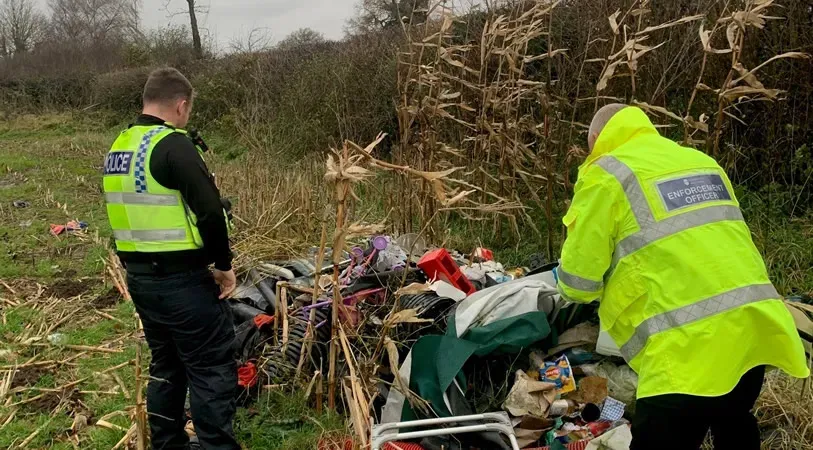
Environmental enforcement teams like the one in Lewisham play a crucial role in combating the growing trend of fly-tipping and illegal dumping. These teams, composed of dedicated officers, are responsible for patrolling high-traffic areas and identifying incidents of fly-tipping. Their work involves investigating piles of garbage, often using forensic techniques to gather evidence against offenders. For instance, in a recent patrol, officers were able to trace discarded waste back to a barber shop, leading to the issuance of a fixed penalty notice. This proactive approach not only penalizes wrongdoers but also aims to deter future incidents by creating a visible enforcement presence.
Additionally, the environmental enforcement team recognizes the importance of community engagement in their efforts. They emphasize educational initiatives aimed at informing residents about the ramifications of fly-tipping and their responsibilities as citizens. By providing resources such as leaflets to new residents, the team seeks to instill awareness of environmental offenses and encourage proper waste disposal practices. This dual approach of enforcement coupled with education is essential for fostering a culture of respect for public spaces and ensuring that residents take pride in their community.
Impacts of Illegal Dumping on Communities
Illegal dumping has far-reaching consequences that go beyond simply creating an eyesore. In Lewisham, the financial burden on taxpayers is a considerable concern, as resources are diverted from other community services to clean up improperly disposed waste. The council estimates that the full economic impact of fly-tipping, including the strain on local businesses and infrastructure, reaches into the millions. Residents are not only confronted with visual pollution but also potential health risks associated with hazardous materials that may be included in dumped waste. The community’s overall quality of life is negatively affected, fostering feelings of neglect and frustration.
Furthermore, areas plagued by fly-tipping often experience a decline in property values and a decrease in local investment, which in turn detracts from community pride. The presence of rubbish can lead to increased crime rates, contributing to a sense of insecurity among residents. Local businesses may suffer as potential customers avoid areas seen as unclean or poorly maintained. This dynamic creates a vicious cycle where neglect breeds further neglect, making it critical for local authorities and community members to unite in tackling this pressing issue.
Innovative Solutions to Waste Management
In response to the ongoing challenges posed by fly-tipping, the Lewisham council is implementing innovative solutions aimed at improving waste management. One key strategy involves the introduction of new automatic number-plate recognition cameras to help catch offenders in the act. This approach signals a shift toward leveraging technology to enhance enforcement capabilities, ensuring that those who illegally dump waste face appropriate repercussions. By monitoring known hotspots and capturing clear evidence, the environmental enforcement team can effectively target repeat offenders, thereby deterring future violations.
Additionally, the council is working to simplify the waste disposal process for residents. Initiatives such as reducing costs for bulky waste removal and introducing time-banding for waste collection are designed to make responsible disposal easier and more accessible. By removing barriers to proper waste disposal, Lewisham aims to curb the temptation to fly-tip. This multifaceted approach not only addresses the immediate concerns of illegal dumping but also invests in the long-term sustainability of the community’s waste management system.
Community Involvement in Fly-Tipping Prevention
Community involvement is a pivotal aspect of combating fly-tipping in Lewisham. The environmental enforcement team understands that residents themselves can play a crucial role in the fight against illegal dumping. Initiatives that encourage local advocates or community leaders to report fly-tipping incidents can create a grassroots movement against environmental neglect. Engaging the public in cleanup campaigns or awareness events helps to deepen the sense of ownership among residents, making them more likely to respect and preserve their surroundings.
Local business owners, like Max Geddes from The Cyclery Lewisham, have taken matters into their own hands by installing CCTV cameras to monitor and report fly-tipping. This proactive stance not only contributes to immediate accountability for offenders but also fosters a cooperative spirit among business owners, encouraging them to look out for one another. Such partnerships between local authorities and residents are essential for cultivating a clean and safe environment, as they enhance communication and create a unified front against fly-tipping.
Educational Campaigns: Raising Awareness About Waste Disposal
Educational campaigns stand at the forefront of preventing fly-tipping in communities like Lewisham. The environmental enforcement team emphasizes the importance of informing residents, particularly newcomers, about the legal implications of fly-tipping and the proper procedures for waste disposal. By actively distributing informative materials and hosting workshops, the team aims to change behaviors and cultivate a culture of responsibility. These educational efforts are essential in helping residents understand not only their obligations but also the impact improper disposal has on their community and the environment.
Furthermore, schools and local organizations are critical partners in this endeavor. By incorporating environmental education into school curricula or community programs, young people can learn about sustainability and waste management from an early age. This creates a generation of informed citizens who are equipped to make responsible choices regarding waste disposal. Raising awareness in the community also involves highlighting the potential for community benefits that come with responsible waste management—cleaner streets, healthier environments, and enhanced property values, which collectively enrich the quality of life for all residents.
The Economic Costs of Fly-Tipping
The economic costs of fly-tipping extend beyond the immediate cleanup efforts, depicting a broader financial burden faced by local authorities like Lewisham. The council’s expenditure on resolving these illegal dumping incidents significantly impacts their available budget, diverting resources from other vital services such as education, health, and public safety. As more taxpayers’ money is allocated to addressing fly-tipping, community services may suffer, leading to broader dissatisfaction among residents regarding local governance and resource allocation.
Moreover, businesses may face increased operational costs due to littering in their vicinity, resulting in higher expenditure for maintenance and cleanup. This can deter potential investors and reduce foot traffic, ultimately affecting local economic growth. By understanding the economic ramifications of fly-tipping, communities can advocate for stronger enforcement and proactive measures that not only address immediate waste management issues but also invest in the long-term viability and prosperity of their neighborhoods.
Collaborative Efforts in Tackling Fly-Tipping
Collaborative efforts are essential in the fight against fly-tipping, as no single entity can effectively tackle the issue alone. In Lewisham, partnerships between the environmental enforcement team, local businesses, and community organizations are forming to create a united front against illegal dumping. These collaborations enable information sharing, where businesses can report suspicious activities observed on surveillance cameras and receive support from the council in addressing persistent fly-tipping sites. This synergy strengthens the enforcement capabilities and ensures that responsible community members are encouraged rather than punished for their vigilance.
Additionally, engaging residents in compliance campaigns is crucial for fostering a shared commitment to cleanliness. Community clean-up days, sponsored by local authorities and businesses, can initiate a grassroots movement aimed at instilling pride and responsibility among residents. Such events not only clean up rubbish but also build social capital, proving that when communities come together, they can enact meaningful change. Collaborative approaches harness the collective power of community stakeholders to ensure sustainability in tackling fly-tipping and promote long-term wellness in public spaces.
Future Directions for Environmental Enforcement in Lewisham
As Lewisham faces ongoing challenges with fly-tipping, the future direction for environmental enforcement teams must incorporate innovative and adaptive strategies. The increasing use of technology, such as automatic number-plate recognition systems and community reporting apps, indicates a shift towards smarter policing of environmental crimes. Such tools empower residents to take action while enabling enforcement teams to respond rapidly to emerging issues. The combination of local knowledge and advanced technology may very well be the key to effectively curbing the tide of fly-tipping.
Moreover, fostering relationships with stakeholders across the community will be integral to future efforts. By collaborating with housing associations, local businesses, and schools, the environmental team can create comprehensive campaigns that target specific issues and areas prone to illegal dumping. Developing tailored messaging that resonates with diverse community members will enhance public buy-in and compliance. Ultimately, the goal remains clear: to create a cleaner, safer Lewisham free from the scourge of fly-tipping, where residents feel empowered to maintain their community.
Frequently Asked Questions
What is fly-tipping enforcement and why is it important in Lewisham?
Fly-tipping enforcement refers to the actions taken by local authorities, like those in Lewisham, to combat illegal dumping of waste. It’s important because fly-tipping poses significant environmental risks, costs the borough substantially in clean-up efforts, and disrupts waste management processes.
How does the Lewisham council enforce penalties for fly-tipping?
In Lewisham, the council conducts investigations, collects evidence from fly-tipping sites, and can issue fixed penalty notices for illegal dumping. As of recent policy changes, fines can reach up to £1,000 to discourage offenders and reduce fly-tipping incidents.
What measures does Lewisham take to prevent fly-tipping?
Lewisham employs various strategies to prevent fly-tipping, such as public education about waste management, providing accessible disposal options for bulky items, and implementing automatic number-plate recognition cameras to identify repeat offenders.
How are community members involved in fly-tipping enforcement in Lewisham?
Community members in Lewisham play a vital role in fly-tipping enforcement by reporting incidents through an app and providing CCTV footage, which helps identify repeat offenders and enhances environmental enforcement efforts.
What challenges does the Lewisham fly-tipping enforcement team face?
The Lewisham fly-tipping enforcement team faces challenges such as increasing incidents of illegal dumping, difficulties in gathering evidence from anonymous waste, and the need to balance strict enforcement with community support and public awareness campaigns.
Are there any costs associated with fly-tipping enforcement in Lewisham?
Yes, Lewisham spends a significant amount on fly-tipping enforcement, with reported costs of over £600,000 for clean-ups alone, while the overall financial impact, including enforcement actions and effects on local businesses, runs into millions.
What educational efforts does the Lewisham council undertake regarding fly-tipping?
The Lewisham council educates residents about the consequences of fly-tipping and provides information on proper waste disposal methods. This includes distributing leaflets to new residents to raise awareness about environmental offenses.
Can fly-tipping fines be issued for waste dumped on private land in Lewisham?
No, fines cannot be issued for waste dumped on private land in Lewisham. In such cases, the council works with landowners to find solutions and may use planning enforcement powers to address ongoing issues.
How has the COVID-19 pandemic impacted fly-tipping incidents in Lewisham?
The COVID-19 pandemic has seen an increase in fly-tipping incidents in Lewisham, as some residents may not know the proper disposal channels, while others may be discouraged from visiting waste disposal sites, leading to unauthorized dumping.
What are the penalties for fly-tipping in Lewisham?
Penalties for fly-tipping in Lewisham can reach up to £1,000 as a result of recent policy changes aimed at cracking down on illegal dumping and encouraging responsible waste management among residents.
| Key Point | Description |
|---|---|
| Fly-Tipping Problem | Fly-tipping is a significant issue in Lewisham, with over 38,000 reports last year, costing the council £600,000 to clear. |
| Enforcement Team | A team of 17 enforcement officers patrols the streets to identify and fine culprits. |
| Fines for Offenders | Fines for fly-tipping have increased from £400 to £1,000 to deter offenders and have doubled in frequency. |
| Use of CCTV | CCTV footage is often used to identify repeat offenders, with local businesses aiding in surveillance. |
| Public Awareness | Educational initiatives are underway to raise awareness about fly-tipping and its consequences. |
| Cost to Public | The council is also focusing on providing easier disposal methods to reduce illegal dumping. |
Summary
Fly-tipping enforcement is a critical aspect of maintaining cleanliness and public safety in urban areas like Lewisham. With significant investments in enforcement teams, increased penalties, and community education, the council endeavors to tackle this growing problem effectively. As incidents of fly-tipping continue to rise, it remains clear that collaborative efforts between local authorities and residents are essential in curbing this environmental offense.