Listen to this article
Flushable wet wipes have emerged as both a convenient personal care product and a significant environmental concern. Despite their name, many wipes labeled as “flushable” can contribute to serious sewage problems, including the infamous fatbergs, which plague wastewater systems worldwide. Recent regulations in the UK strive to ban plastic wet wipes, promoting plastic-free wipes and biodegradable alternatives that aim to ease the burden on our sewage infrastructure. However, experts warn that even these non-plastic versions may not fully degrade in the water systems as claimed, potentially complicating wet wipe regulations further. With an estimated 32 billion wet wipes sold in the UK alone, understanding their impact on our environment and sewage systems has never been more critical.
Often referred to as disposable moist towelettes or personal cleansing cloths, flushable wet wipes have become a staple in many households for their practicality. These products, while marketed for convenience, are at the center of ongoing discussions surrounding environmental sustainability and waste disposal practices. Many consumers are unaware that the composition of these wipes can lead to significant blockages in sewage systems, raising concerns about fatberg formation and the overall health of our waterways. The push for regulations targeting non-biodegradable versions highlights growing awareness of the need for eco-friendly alternatives. As we navigate these changes, it is crucial to understand the implications of using these products and the proper disposal methods recommended by environmental experts.
The Problem with Traditional Wet Wipes
Traditional wet wipes have posed significant challenges for sewage systems worldwide. These products, primarily made from synthetic materials, do not decompose when flushed, leading to severe blockages in pipelines. As they combine with fats and oils from sewage, they contribute to the formation of fatbergs, which can grow to enormous sizes, causing flooding and extensive damage. Water companies have stated that the costs of clearing these blockages reach exorbitant figures, highlighting the urgency for safer alternatives to traditional wet wipes.
With the new regulations banning plastic wet wipes, there are growing concerns about their non-plastic counterparts. Although marketed as ‘flushable’, many biodegradable and plastic-free wipes still pose risks to sewage systems. According to studies, while they may break down faster than plastic wipes, they can still present disposal issues, exacerbating the very problems they aim to resolve. Awareness of these implications is crucial, as flushing any type of wet wipe can lead to significant sewage problems.
The Rise of Flushable Wet Wipes
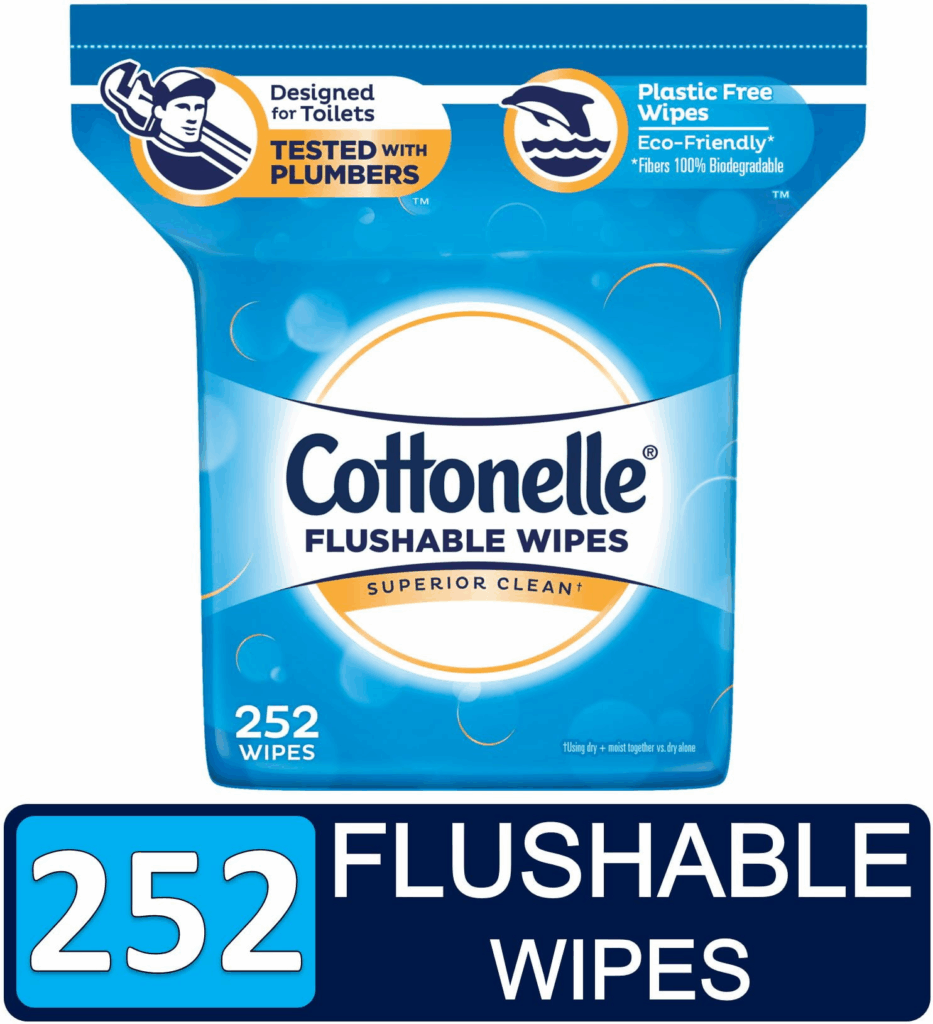
The wet wipe market has seen a notable shift towards the introduction of ‘flushable’ wipes, which manufacturers claim are environmentally friendly and safe for sewer systems. However, despite these claims, industry experts emphasize that even non-plastic wipes may not disintegrate fast enough to prevent blockages. The contradictory nature of these products raises essential questions about consumer safety and the efficacy of their labeling as flushable. As these wipes become more popular, awareness around their environmental impact becomes even more significant.
As the demand for convenience continues to rise, so does the innovation in the wet wipe industry. Manufacturers are increasingly promoting wipes that promise biodegradable properties, yet the definition of ‘flushable’ remains murky. Many of these wipes undergo rigorous testing, but existing regulations are still inadequate in ensuring that all marketed ‘flushable’ products genuinely decompose effectively in sewage systems, leading to calls for stricter wet wipe regulations.
Understanding the limitations of flushable wet wipes is crucial in resolving ongoing issues within our waste management systems. While they represent an advancement in convenience, the reality is that their breakdown may not keep pace with their disposal frequency. Consumers need education on proper disposal methods to mitigate the burgeoning threat of fatbergs and sewer-related issues.
Government Regulations and Industry Responses
The recent legislative action aimed at banning plastic wet wipes represents a significant step forward in addressing the growing concerns surrounding sewage management and environmental impact. With the new regulations set to take effect, the focus will shift toward ensuring that all wet wipes contain biodegradable materials and are genuinely safe for disposal in sewage systems. However, critics argue that this ban does not go far enough, as plastic wet wipes can still be manufactured and sold under certain conditions.
In response to the impending regulations, industry representatives stress the importance of transparency and labeling. They contend that miscommunication about ‘flushable’ wipes has led to widespread confusion among consumers. Moving forward, there is a strong push for clear guidance indicating that only items such as toilet paper, urine, and feces should be flushed down toilets. Ensuring proper public understanding of these regulations is paramount to addressing the escalating problem of sewage pollution.
Environmental Impact of Wet Wipes
The environmental impact of wet wipes extends beyond sewage systems and into natural ecosystems. Many of these products, when not disposed of properly, end up in rivers and oceans, contributing to plastic pollution in aquatic environments. Recent studies have raised alarms over the degradation rates of biodegradable wipes, revealing that even these can linger in the environment for extended periods, posing risks to marine life and overall biodiversity.
Research has shown that non-plastic wipes can affect aquatic habitats over time as they break down. The fibers and substances released during the decomposition process can have detrimental effects on aquatic organisms, disrupting the food chain and causing other ecological disturbances. It’s crucial for manufacturers to consider the entire lifecycle of their products and for consumers to adopt responsible disposal habits to minimize environmental impact.
Awareness and Education on Wet Wipe Disposal
Raising awareness about the proper disposal of wet wipes is essential in curbing the ongoing sewage crisis. Many consumers remain unaware that even biodegradable or non-plastic wipes should not be flushed down toilets. Education campaigns targeting the general public can effectively change disposal behaviors and reduce the number of wipes entering sewage systems. Public campaigns, combined with proactive labeling, can encourage responsible disposal practices.
Engaging communities in discussions about sustainable alternatives to wet wipes can also promote better environmental practices. Providing information on plastic-free wipes and reusable options can help to reduce dependence on single-use wet wipes. By fostering a culture of sustainability and care for our waterways and sewage systems, we can alleviate some of the pressure currently placed on waste management systems.
The Future of Biodegradable Wipes
The future of wipes lies in the development of genuinely biodegradable alternatives that align with environmental regulations while maintaining functionality. Research and innovation focused on creating sustainable materials can lead to product designs that break down sufficiently when disposed of, thus minimizing their impact on sewage systems. The ongoing exploration into biodegradable materials presents an opportunity for both manufacturers and consumers to pivot towards more sustainable solutions.
Despite the promise of biodegradable wipes, consumers must remain vigilant about their disposal methods. As these products enter the market, it’s essential to understand that not all biodegradable wipes are created equal, and their effectiveness can vary significantly. Continuous testing and consumer education will play vital roles in ensuring that the shift towards plastic-free wipes truly benefits the environment without introducing new challenges to sewage systems.
Challenges in Wipe Recycling
The recycling of wipe materials has emerged as a complex challenge, primarily stemming from their fiber composition and contamination from residues. Although many wipes claim to be biodegradable, their actual recyclability has not been thoroughly tested, resulting in many being incorrectly disposed of in recycling streams, leading to contamination. This creates a vicious cycle where non-biodegradable components can hamper recycling efforts and exacerbate waste management issues.
Addressing these challenges requires a holistic approach involving manufacturers, waste management systems, and consumers. By prioritizing the development of materials that can safely be recycled or composted, the industry can pave the way for improved environmental outcomes. Collaborating on lobbying for clear regulations regarding wet wipe recycling can facilitate a structured approach to managing wipes responsibly, minimizing their footprint in landfills and sewage systems.
Impacts of Fatbergs on Urban Infrastructure
The phenomenon of fatbergs presents a pressing issue for urban infrastructure, as the materials behind their formation can obstruct sewage lines, leading to costly and time-consuming repairs. As these enormous conglomerates of wipes, fat, and grease grow, they can drastically hinder wastewater management processes, prompting a reevaluation of how waste systems deal with non-flushable items. The sheer scale of fatbergs showcases the need for community engagement and improved education around what can and cannot be flushed.
Moreover, the costs associated with clearing fatbergs can drain municipal budgets, forcing cities to allocate funds for repairs and maintenance that could otherwise support infrastructure improvements. The ongoing battle against fatbergs underscores the critical importance of responsible consumer behavior and effective legislative measures designed to minimize the prevalence of materials that contribute to these blockages.
The Role of Consumer Choice in Addressing Wet Wipe Issues
Consumer choice plays a pivotal role in shaping the future of the wet wipe market and addressing environmental concerns associated with these products. By opting for eco-friendly alternatives, shoppers can influence manufacturers to prioritize sustainable practices and develop biodegradable options. This shift not only promotes responsible purchasing behavior but also sends a strong message to the market that there is demand for better, environmentally conscious products.
As awareness of the environmental impacts of wet wipes grows, consumers are encouraged to actively seek out and support companies that produce plastic-free and biodegradable wipes. This grassroots movement for sustainability can compel industry leaders to innovate and create solutions that prevent environmental harm while meeting consumer needs.
Frequently Asked Questions
Are flushable wet wipes really safe to flush down the toilet?
Despite the marketing claims of many brands, most flushable wet wipes can cause significant sewage problems. Although they may be labeled as plastic-free or biodegradable, they often do not break down as quickly as toilet paper, leading to blockages and fatbergs in sewer systems.
Do biodegradable wipes break down faster than plastic wet wipes?
Biodegradable wipes generally decompose faster than plastic wet wipes, but they can still take months to years to fully disintegrate in waste systems. Many fail to meet standards for rapid breakdown, which can lead to ongoing sewage issues.
What are fatbergs, and how are they formed by wet wipes?
Fatbergs are large masses formed in sewers from a combination of wet wipes, oils, fats, and grease. When flushed improperly, wet wipes combine with these substances, leading to significant blockages that can disrupt sewage flow and increase maintenance costs for water companies.
What do wet wipe regulations mean for consumers?
The new wet wipe regulations will ban the sale of plastic wipes starting in 2027, aiming to reduce plastic pollution. However, many non-plastic wipes will still be marketed, raising concerns about their flushing suitability and potential to block sewage systems.
How can I properly dispose of flushable wet wipes?
The best practice for disposing of flushable wet wipes is to place them in the trash instead of flushing them down the toilet. Following the guidance of water companies, only pee, paper, and poo should be flushed to prevent sewer blockages.
Why is there a push for plastic-free wipes in the market?
The push for plastic-free wipes aims to reduce plastic waste in the environment and combat sewage problems caused by non-biodegradable materials. The legislation seeks to protect waterways and ecosystems from the harmful effects of plastic pollution.
What should consumers know about the labeling of wet wipes as ‘flushable’?
Consumers should be cautious about products labeled as ‘flushable.’ The government’s guidance emphasizes that most wipes should not be flushed and recommends proper disposal in waste bins to prevent sewage problems and environmental harm.
| Key Points | Details |
|---|---|
| Plastic Ban | A ban on the sale of plastic wet wipes will go into effect in 2027, aligning England with UK regulations. |
| Sewage Issues | 10 tonnes of wet wipes are removed daily from the Minworth Wastewater Treatment works due to blockages. |
| Fatbergs | Wet wipes contribute to the formation of fatbergs, which can be costly for water companies to clear, amounting to £200 million annually. |
| Market Statistics | 2023 data reveal that 32 billion wipes were sold in the UK, with 12 billion being plastic. |
| Flushability Concerns | Although labeled ‘flushable’, non-plastic wipes can still cause blockages according to water companies. |
| Environmental Impact | Studies show non-plastic wipes may take months to disintegrate, contrasting sharply with toilet paper. |
| Recommendations | Government and water companies recommend only flushing pee, paper, and poo. All wipes should be discarded in the rubbish. |
Summary
Flushable wet wipes have become a significant concern for both the environment and wastewater management. Despite being labeled as “flushable,” many of these wipes continue to contribute to severe sewage blockages, known as fatbergs, which pose costly issues for water treatment facilities across the UK. The incoming ban on plastic wet wipes highlights the need for consumers to re-evaluate their practices and recognize that not all wipes are suitable for flushing. It is crucial to follow the guidance of disposing of wipes in the trash rather than flushing them down the toilet to protect our waterways and sewer systems.