
Listen to this article
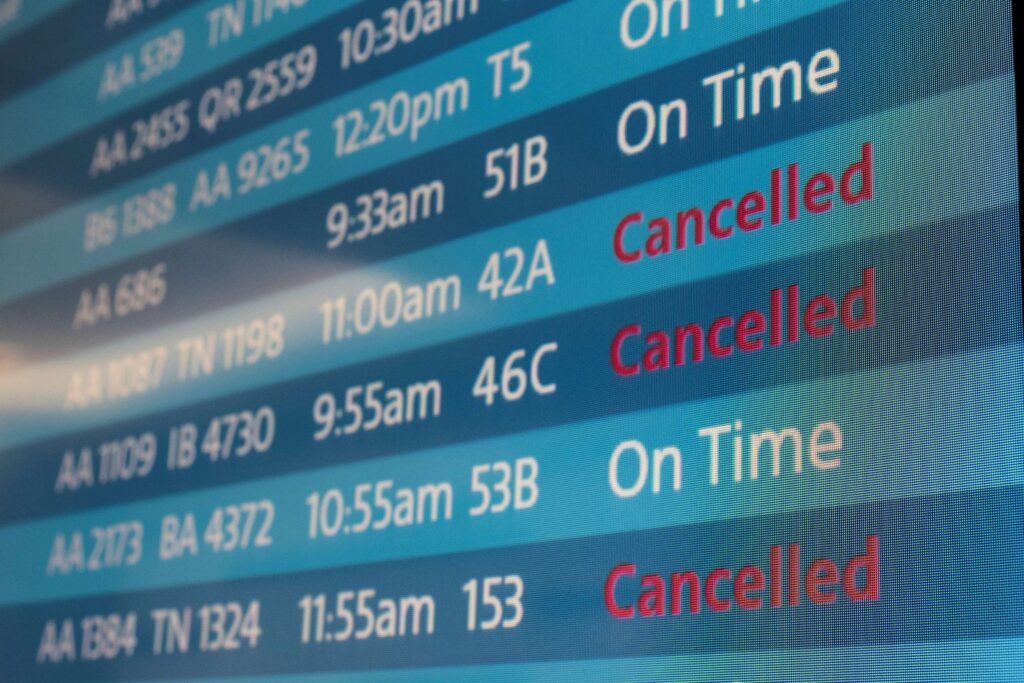
Flights cancelled due to escalating tensions in the Middle East have left countless travelers stranded and worried about their travel plans. As the aftermath of recent strikes by the US and Israel against Iran unfolds, airlines such as British Airways and Virgin Atlantic have suspended services to key destinations like Dubai and Bahrain. This wave of airline cancellations and flight disruptions is further compounded by the Foreign Office’s new travel warnings, advising against all but essential travel to affected Gulf states. Passengers currently in these locations face the distressing reality of navigating sudden airspace closures and unexpected delays. With the situation rapidly changing, travelers are encouraged to stay updated and remain vigilant as international travel continues to be impacted by ongoing geopolitical conflicts.
The ongoing situation involving flight disruptions in the Middle East has raised significant concerns for many would-be travelers. Recent military actions have prompted numerous airline cancellations, leading to widespread uncertainty regarding travel itineraries. With numerous airspace closures impacting regions such as Iran, Iraq, and the surrounding nations, many passengers find themselves grappling with unexpected delays and the need for alternate travel arrangements. Amidst these challenges, officials now advise caution for travelers considering trips to affected areas, such as Bahrain and the UAE. As the global travel landscape adapts to these developments, staying informed about the latest updates is crucial for navigating the complexities of international air travel.
Current Airline Cancellations Due to Regional Tensions
Following the escalation of conflict in the Middle East, numerous airlines have announced cancellations of flights to and from affected regions. British Airways and Virgin Atlantic have grounded services, impacting travelers intending to visit Dubai and other key destinations. As airlines navigate the evolving situation, passengers are urged to regularly check for updates on their flights, as cancellations might extend beyond initially projected dates due to ongoing airspace restrictions.
In addition to British Airways and Virgin Atlantic, several carriers including Aegean Airlines, Air Canada, and Turkish Airlines have also suspended flights to and from various cities in the Middle East. This widespread disruption highlights the serious safety concerns associated with recent airstrikes and retaliatory attacks in the region. For anyone planning to travel, it’s crucial to stay informed through official airline communications and travel advisories.
Travel Warnings and Safety Precautions for Travelers
In light of the current situation in the Middle East, the UK Foreign Office has issued travel warnings advising against all travel to Israel and Palestine, and recommending only essential travel to locations such as Bahrain, Kuwait, and the UAE. These warnings are aimed at ensuring the safety of British citizens abroad in regions facing increasing volatility. Travelers are encouraged to register their presence in these areas to receive critical updates and guidance.
British citizens currently in the region have been instructed to remain indoors and take shelter. Reports of air raids and missile interceptions underscore the immediate risks present in the area. Travelers must remain vigilant and heed local authorities’ instructions while monitoring news sources for real-time updates about the conflict.
Impact on Long-Haul Travel Amid Ongoing Conflict
The ongoing conflict has significantly affected long-haul travel, with many travelers experiencing delays and cancellations. Airlines that typically operate flights to the Middle East are rerouting their services to avoid conflict zones, which causes a domino effect on flights to popular destinations such as India and the Maldives. Passengers returning from holiday destinations may find themselves stuck as air operators manage their routes around affected areas.
As airlines grapple with the aftermath of the conflict, passengers like Sarah Short and Emma Belcher have faced unexpected delays, with their flights cancelled at the last moment. The cascading effect of flight disruptions means long wait times at the airport and uncertainty about when flights will resume, highlighting the importance of staying in contact with airlines and being flexible with travel plans.
Understanding Flight Disruptions: Causes and Consequences
Flight disruptions in the Middle East are largely attributed to airspace closures resulting from military actions and retaliatory strikes. Airspace over several countries, including Iran, Qatar, and Kuwait, remains partially closed, complicating the operations of airlines and the safety of travelers. The situation continues to fluctuate, meaning that travelers must prepare for the possibility of further disruptions.
The immediate consequence of these disruptions is the cancellation of numerous flights by various airlines, creating significant inconveniences for passengers. Travel warnings and advisories complicate travel plans even further, as individuals must navigate an uncertain environment amid increasing geopolitical tensions. Awareness of these disruptions is essential for anyone planning to travel to or from affected regions.
Advice for Travelers in the Middle East
Travelers currently in the Middle East are advised to stay aware of their surroundings and follow any directives issued by local authorities. The Foreign Office has recommended that British citizens in the region take shelter and remain indoors wherever possible. Travelers should constantly seek information through reliable media sources and stay connected with their embassies for safety updates.
Additionally, it is crucial for travelers to consider their options if flights are cancelled or if travel warnings escalate. Understanding local support systems and having contingency plans in place can help ease some stress. Reaching out to airlines for assistance and remaining adaptable regarding travel arrangements will be essential during this tumultuous period.
Airline Responses to Regional Airspace Closures
As a result of the regional airspace closures, many airlines have had to implement emergency plans which include suspending flights and re-routing services. For example, Qatar Airways and Emirates have temporarily halted operations to and from the affected cities while assessing the safety of their routes. This cautious approach aims to prioritize passenger safety amidst the unpredictable nature of the ongoing conflict.
Other airlines such as KLM and Lufthansa have proactively cancelled flights for the near future, complying with travel advisories and ensuring that they do not put their passengers at risk. With airspace suspensions likely to continue until the situation stabilizes, the flexibility and responsiveness displayed by these airlines will be crucial for restoring service and confidence in the safety of air travel in the region.
The Role of Government Advisories in Travel Planning
Government advisories play a pivotal role in shaping travel decisions during times of conflict. The recommendations issued by the UK Foreign Office underscore the importance of exercising caution for travelers heading to or currently residing in the Middle East. These advisories guide individuals in making informed decisions about their travel plans based on real-time developments.
By keeping abreast of government updates, travelers can better understand the potential risks involved with their journey. The Foreign Office’s clear guidelines urging against travel to specific areas help ensure that individuals prioritize their safety while navigating the chaotic air travel environment resulting from international tensions.
Support Options for Stranded Passengers
For travelers stranded due to flight cancellations in the Middle East, it is essential to explore available support options. Airlines typically offer rebooking options, and in some cases, accommodations may be provided for travelers delayed overnight. Communication with airline customer service is crucial for securing alternatives or understanding the gestures of goodwill these companies may extend to affected customers.
Additionally, embassies or consulates can serve as vital resources for individuals needing assistance or emergency guidance. They can provide the latest updates on safety protocols and assist with logistics for those who require immediate help amid cancellations triggered by the ongoing conflict.
Future of Middle East Travel Post-Conflict
Looking ahead, the future of travel to the Middle East will largely depend on the resolution of current tensions and the stability of the region. Once a semblance of peace is restored, airlines may gradually resume normal operations, and travelers will be more likely to consider trips to destinations that have been impacted.
However, the lingering effects of this conflict might lead to heightened scrutiny and caution amongst travelers. Future travel patterns could shift as safety remains a top concern, and travelers seek reassurance against unexpected flight disruptions. The role of proactive measures by governments and airlines will be instrumental in rebuilding confidence in the safety of traveling to the Middle East.
Frequently Asked Questions
What should I do if my flight has been cancelled due to airline cancellations related to the Iran conflict?
If your flight has been cancelled due to airline cancellations influenced by the Iran conflict, first check for notifications from your airline regarding rebooking options. Contact their customer service for assistance on rescheduling or refunds, and stay updated with travel advisories from your government.
How are travel warnings impacting flights cancelled in the Middle East?
Travel warnings issued due to recent conflicts have led to significant flights cancelled in the Middle East. Major airlines are suspending services to and from affected regions as a safety precaution, affecting travel plans for many passengers.
What flights have been cancelled due to flight disruptions caused by the Iran conflict?
Numerous airlines, including British Airways, Virgin Atlantic, and Lufthansa have cancelled flights to and from the Middle East, specifically Dubai and Tel Aviv, due to flight disruptions stemming from the Iran conflict and associated regional tensions.
Are all airports in the Middle East experiencing flight cancellations?
Not all airports in the Middle East are experiencing flight cancellations, but major hubs like Dubai and Abu Dhabi are affected due to airspace closures. Always check your specific airport’s status with your airline for the latest updates.
What can travelers expect regarding airline cancellations in the Middle East due to the ongoing conflict?
Travelers should expect ongoing airline cancellations and disruptions in flight schedules due to the conflict in the Middle East. Airlines may alter routes or suspend services based on safety assessments and government travel advisories.
How can I check if my flight is cancelled due to airline cancellations related to travel warnings?
To check if your flight is cancelled due to airline cancellations arising from travel warnings, visit your airline’s official website or app for the most current information. You can also contact their customer service directly.
What are the repercussions of flight cancellations for travelers in the Middle East?
Travelers affected by flight cancellations in the Middle East may face delays, extended layovers, or the need to seek alternative transportation. It’s crucial to stay informed through airline communications and government travel advisories during these disruptions.
What tips should I follow if my flight is cancelled due to flight disruptions caused by security concerns in the region?
If your flight is cancelled due to flight disruptions from security concerns in the region, keep receipts for any additional expenses and contact your airline for compensation and rebooking options. Stay aware of travel advisories and follow safety guidelines issued by authorities.
Why are so many flights cancelled in the Middle East recently?
Many flights have been cancelled in the Middle East recently due to escalating tensions from the Iran conflict, resulting in travel warnings and airspace closures that directly affect airline operations across the region.
What actions are airlines taking in response to flight cancellations amid Middle East travel warnings?
In response to flight cancellations amid Middle East travel warnings, airlines are suspending services to affected areas, rerouting flights, and actively communicating with passengers to manage their travel arrangements efficiently.
| Airline | Status | Affected Routes | Remarks |
|---|---|---|---|
| British Airways | Cancelled | Tel Aviv, Bahrain | Services may be disrupted for several days. |
| Virgin Atlantic | Cancelled | Dubai, Riyadh | Prior flights to Dubai were also cancelled. |
| Emirates | Suspended | All operations to/from Dubai | Operations suspended until 15:00 local time. |
| Etihad | Suspended | All flights out of Abu Dhabi | Flights suspended until 14:00 local time. |
| Qatar Airways | Suspended | To/from Doha | Operations expected to resume at 19:00 local time. |
| Air Canada | Cancelled | Dubai, Israel | Flights to Dubai cancelled until Tuesday. |
Summary
Flights cancelled have become a prevalent issue following the recent tensions in the Middle East, specifically due to military strikes against Iran. Major airlines, including British Airways and Emirates, have grounded or diverted numerous flights, particularly affecting routes to and from Dubai and Tel Aviv. The UK Foreign Office has issued travel warnings, advising against non-essential travel to various Gulf nations. As airspace remains restricted in many affected areas, travelers are urged to verify their flight status and remain vigilant.

