Listen to this article
When navigating the landscape of loan options, understanding the differences between fixed vs variable loan interest rates is essential for making an informed financial decision. In the UK, the choice between fixed interest loans and variable interest loans can significantly affect your budgeting and overall financial health. Fixed rates offer the appeal of consistent monthly payments, while variable rates may tempt borrowers with lower initial costs. As you consider the best loan rates UK, weighing the pros and cons of each interest type will help you align your choice with your financial goals. This guide aims to clarify these concepts and assist you in choosing the right financing path.
Deciding between stable and fluctuating interest rates can feel overwhelming, especially when it comes to securing the right financial products. Essentially, fixed loans offer predictable repayment schedules, making them ideal for those seeking long-term stability, whereas adjustable loans provide the potential for lower payments at the outset, appealing to the more risk-tolerant borrower. Understanding these alternative financing strategies allows you to take control of your borrowing experience. With many options available in the UK market, knowing whether to opt for fixed or variable rates can ensure you find the most suitable agreement for your budgetary needs. This analysis will break down each type to help you make the best choice.
Understanding Fixed Interest Rates in the UK
Fixed interest rates are a popular choice among borrowers in the UK, particularly for long-term financial commitments such as mortgages and personal loans. One of the main advantages of fixed interest loans is the certainty it provides. Since the rate is locked for the duration of the loan, borrowers can plan their budgets without the fear of sudden increases in monthly payments. This predictability is crucial for financial stability, allowing individuals to manage other expenses with peace of mind.
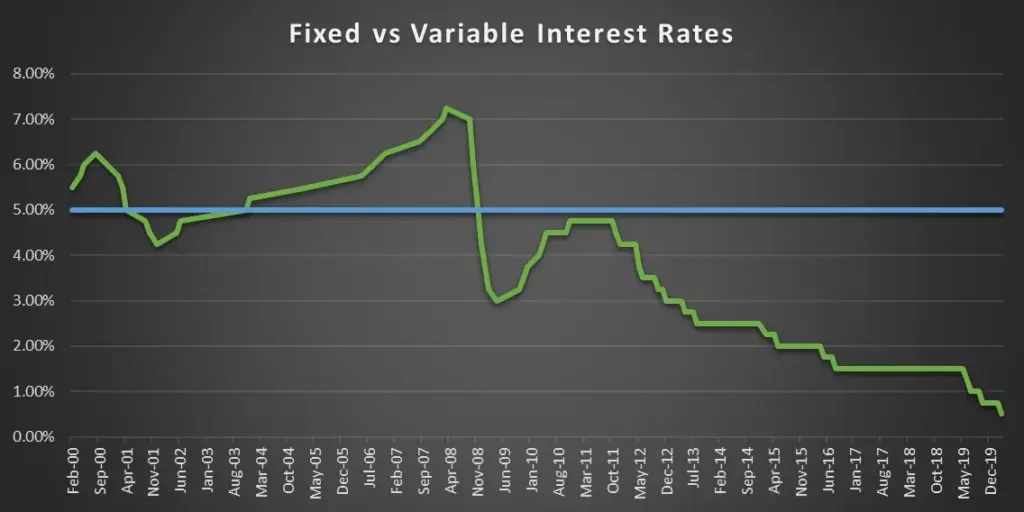
Moreover, fixed loans protect consumers from rising market rates, which can fluctuate due to economic changes. For example, in an environment where inflation rates are climbing, borrowers with fixed loans continue paying the same interest rate that they secured earlier. This characteristic makes fixed interest loans especially appealing to those looking to minimize risk and prioritize long-term planning.
Advantages of Fixed vs Variable Loan Interest Rates
When considering fixed vs variable loan interest rates, it’s essential to evaluate the advantages of each. Fixed interest rates excel in providing stability, which is invaluable for individuals who prefer to avoid financial surprises. On the other hand, variable interest rates often come with lower initial costs, making them attractive to borrowers who prioritize cash flow or are planning to pay off their loans quickly. This flexibility allows for potential savings during periods of low interest, which can be particularly beneficial in a favorable economic climate.
On top of that, many variable interest loans offer features such as the ability to make extra repayments without penalties, making it easier for borrowers to manage their loans effectively. In contrast, while fixed rates guarantee consistent payments, they may entail penalties for early repayment, limiting the options available to consumers when financial circumstances change.
Evaluating Variable Interest Rates in the UK
Variable interest rates, often pegged to an underlying index or base rate, can be an attractive choice for borrowers in the UK looking for lower initial repayment amounts. These rates can fluctuate depending on market conditions, meaning that when economic indicators suggest a decrease in interest rates, borrowers might benefit from reduced monthly payments. This can lead to significant savings over the life of the loan, especially in a declining rate environment.
However, this type of loan also comes with its challenges. Variable interest loans can create a level of uncertainty that might not align with every borrower’s comfort level. As interest rates rise, so too can monthly payments, which can strain finances. Those considering variable loans should weigh their ability to manage potential increases against the initial savings they might realize from a lower starting rate.
Key Factors Influencing Interest Rate Decisions
Deciding between fixed and variable loan interest rates often comes down to key personal circumstances and risk tolerance. Borrowers should assess their financial health and predictability preferences before committing to either option. For example, a stable income might afford a borrower the flexibility to choose a variable rate, while someone with less predictable income may opt for the stability of fixed payments to ensure their budget remains balanced.
Additionally, factors like economic trends and market forecasts play a significant role in influencing this decision. As interest rates fluctuate due to economic shifts, having a grasp on the broader market can inform whether it is more advantageous to lock in a fixed rate or to venture into a variable interest loan potentially yielding lower payments.
Current Trends in Loan Interest Rates in the UK
Staying updated on the current trends in loan interest rates is vital for potential borrowers. As of late, the UK has seen shifts that might affect both fixed and variable rates. For instance, recent stresses in the economy have led some lenders to adjust their rates in anticipation of inflation or changes in the Bank of England’s base rate. Thus, understanding these trends is crucial for making an informed decision.
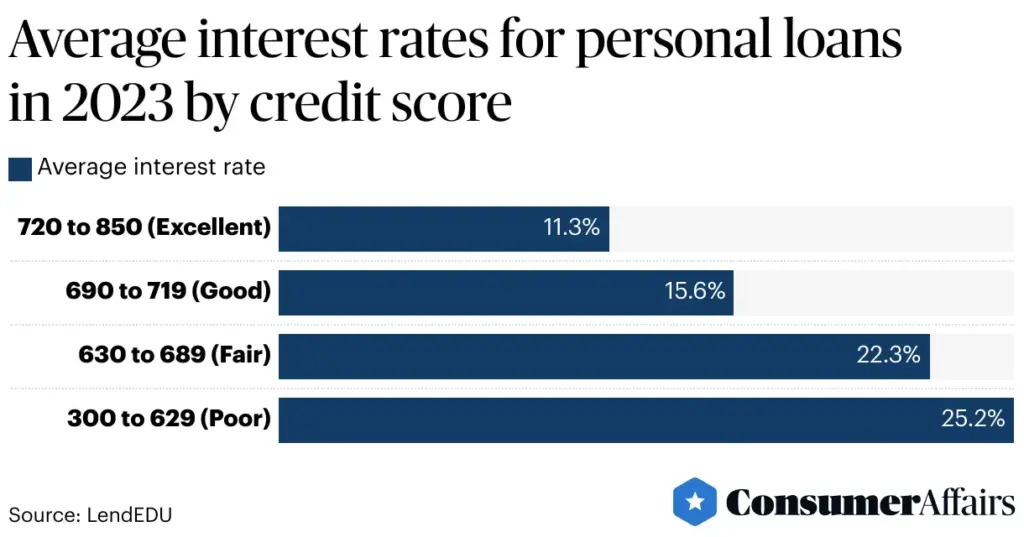
For those on the lookout for the best loan rates in the UK, it’s important to compare offers from various lenders, as rates can significantly differ based on your credit status, the size of your loan, and the chosen type of interest rate. By staying informed on rate movements, borrowers can capitalize on timing in the market to secure favorable loan conditions.
Making an Informed Decision on Your Loan
As you navigate the complexities of fixed vs variable loan interest rates, making an informed decision starts with thorough research and self-assessment. Utilize financial tools, such as loan calculators, to understand better how different rates and terms will impact your monthly payments over time. This clarity will enable you to visualize the overall cost associated with each borrowing option.
Moreover, consulting with financial advisors can provide personalized insights tailored to your specific financial circumstances. They can help you sift through the pros and cons of fixed and variable interest rates, ensuring you choose a loan structure that aligns with your financial goals, whether you’re focused on immediate affordability or long-term security.
Frequently Asked Questions
What are the key differences between fixed and variable loan interest rates in the UK?
Fixed loan interest rates remain unchanged throughout the loan period, allowing for predictable monthly payments. In contrast, variable loan interest rates fluctuate based on market conditions, meaning your repayments can increase or decrease. This variability can lead to lower initial rates but may result in uncertainty regarding future payments.
Are fixed interest loans more advantageous than variable interest loans in the UK?
Fixed interest loans provide stability, which can be advantageous for long-term financial planning, as your repayments will not change. However, variable interest loans often start with lower rates and can save you money if market rates decline. The best choice depends on your financial goals and risk tolerance.
How do I decide between fixed vs variable loan interest rates for my mortgage in the UK?
When choosing between fixed vs variable loan interest rates for your mortgage, consider your financial stability and how long you plan to stay in your home. If you prefer predictable payments, a fixed rate may be best. If you’re open to changes and potentially lower costs, a variable rate could be advantageous.
What is the best loan rates UK currently offering for fixed and variable interest loans?
The best loan rates in the UK vary by lender and depend on current market conditions. Generally, fixed interest loans provide stability but may come with higher initial rates compared to variable loans, which often start lower. Research and compare rates to find the best option for your needs.
Can I switch from a variable interest loan to a fixed interest loan in the UK?
Yes, switching from a variable interest loan to a fixed interest loan is possible in the UK, though it may involve fees or penalties depending on your lender. It’s crucial to weigh the potential costs against the financial benefits of securing a fixed rate during a time of rising interest rates.
What are the risks associated with variable interest loans in the UK?
Variable interest loans carry the risk of fluctuating payments, making budgeting challenging. If market interest rates rise, your repayments could significantly increase, impacting your overall financial situation. Assess your risk tolerance and financial stability before opting for a variable interest loan.
| Key Point | Fixed Interest Rates | Variable Interest Rates |
|---|---|---|
| Definition | Remain constant throughout the loan term, offering predictability. | Fluctuate based on the base interest rate, leading to variable repayments. |
| Pros | 1. Predictability in budgeting. 2. Protection from market rate increases. 3. Easier long-term financial planning. |
1. Lower initial rates. 2. Potential decrease in payments if rates drop. 3. Flexibility in repayments. |
| Cons | 1. Potentially higher initial rates. 2. Lack of flexibility if rates fall. 3. Possible early repayment charges. |
1. Uncertainty in budgeting. 2. Risk of increasing costs in a rising rate environment. 3. Dependence on market conditions. |
| Best for | Long-term stability and predictability. | Short-term loans or when rates are expected to decrease. |
Summary
Fixed vs Variable Loan Interest Rates are essential considerations for borrowers in the UK when securing a loan. This choice can significantly affect your financial health throughout the duration of the loan. Fixed interest rates provide stability and predictability, as your repayment amounts remain unchanged, protecting you from any unexpected rate increases. Conversely, variable interest rates may offer initial lower payments and flexibility but come with the risk of fluctuating costs that can cause budgeting challenges. Your decision should be informed by personal financial circumstances, risk tolerance, and market conditions, ensuring you choose the option that best aligns with your long-term financial goals.