Listen to this article
When exploring the dynamic relationship between fitness and sport, it’s essential to understand their distinct roles in the realm of physical activity. While **fitness** focuses primarily on personal health improvements, building strength, and enhancing overall well-being, **sport** revolves around structured competition and performance, often characterized by teamwork and skill mastery. Both avenues offer valuable **fitness benefits**, such as improved cardiovascular health and enhanced endurance, as well as **sports benefits** including the camaraderie found in **team sports versus individual sports**. Engaging in regular physical activity, whether through fitness routines or competitive sports, is vital for achieving optimum **health and fitness**. This blog delves deeper into these differences, crafting a clear picture for enthusiasts on how to choose the path that best aligns with their physical goals.
In the conversation surrounding physical activity, the terms well-being and competitive athletics often surface, highlighting a dichotomy that deserves exploration. On one hand, personal well-being emphasizes self-improvement and health-oriented exercises, while competitive athletics define themselves by their structured nature and the thrill of competition. This nuanced distinction allows individuals to tailor their activities to their unique preferences and health objectives. Understanding both the wellness associated with increasing one’s overall physical fitness and the community-driven experience of playing team sports or honing an individual sport creates a more comprehensive view of what it means to engage in physical activity. Ultimately, recognizing these facets can help guide enthusiasts in selecting a path that best enhances their lifestyle.
The Foundation of Fitness: Exploring its Core Elements
Fitness is multifaceted, encompassing various elements that contribute to an individual’s overall health and well-being. One of the core elements of fitness is cardiovascular endurance, which is essential for maintaining a healthy heart and lungs. Engaging regularly in activities like running, cycling, or swimming enhances cardiovascular fitness, leading to improved energy levels and stamina. The benefits of fitness extend beyond mere physical appearance; they influence mental health, often resulting in reduced anxiety and enhanced mood.
Another critical component of fitness is muscular strength and endurance, which are pivotal for performing daily tasks efficiently. Through weightlifting and resistance training, individuals can build muscle strength, enhancing their physical capabilities. Additionally, flexibility plays a vital role in overall fitness, allowing for greater range of motion and preventing injuries. Engaging in activities such as yoga or pilates can improve flexibility and posture, leading to a more balanced and healthy lifestyle.
Diving into Sport: Understanding Competitive Physical Activity
Sport embodies a structured and competitive realm of physical activity, distinct from general fitness pursuits. The essence of sport lies in competition, where athletes strive to outdo their opponents in various games and events. This competitive nature motivates individuals to enhance their performance through rigorous training and skill development. Aside from promoting physical prowess, sports instill critical life skills such as discipline and teamwork, which are beneficial both on and off the playing field.
Moreover, mental conditioning is a pivotal aspect of sports that differentiates it from fitness. Athletes often engage in mental training to improve focus, decision-making, and resilience under pressure, which enhances their overall performance. The community aspect of sports cannot be overlooked, as it fosters a sense of belonging among participants and fans alike. This cultural connection contributes to personal and collective achievements within the sporting arena, highlighting the benefits of camaraderie.
Fitness vs. Sport: Identifying Key Distinctions
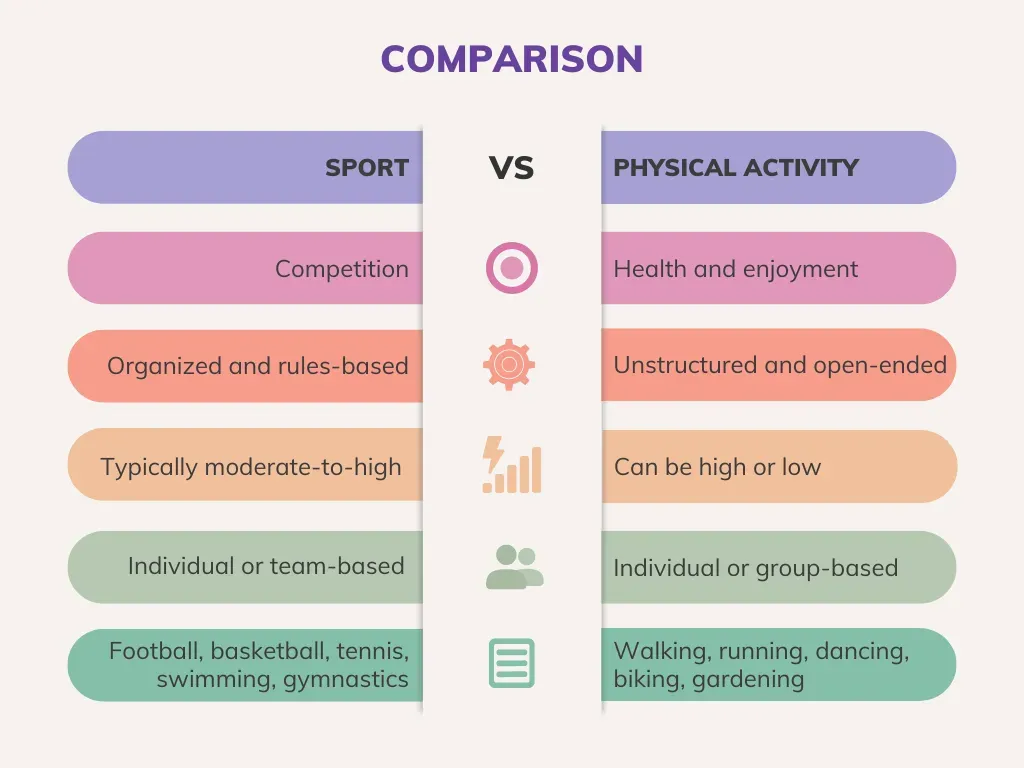
When comparing fitness and sport, the most significant distinction lies in their fundamental purpose. Fitness primarily focuses on personal health and well-being, promoting individual goals like weight loss or muscle gain. Conversely, sport emphasizes competition, driving individuals to achieve victories and accolades. Understanding these differences is essential for anyone seeking to align their physical activities with their personal aspirations, whether it be through personal growth or the spirit of competition.
Additionally, the structure of these activities sets them apart. Fitness routines are often self-paced and adaptable to individual needs, providing flexibility in how one chooses to engage. In contrast, sports are typically regulated, with defined rules and objectives that necessitate adherence to specific team or individual strategies. This structured competition can appeal to those who thrive on challenge, while others may prefer the open-ended nature of fitness activities.
Exploring the Unique Benefits of Fitness
The benefits of fitness are numerous, contributing significantly to physical and mental health. Regular physical activity enhances cardiovascular health, supports weight management, and boosts overall immunity, reducing the risk of chronic diseases. Engaging in fitness activities allows individuals to cultivate a healthier lifestyle that promotes longevity and improved quality of life. Furthermore, regular exercise has been linked to better sleep patterns, enhanced mood, and stress reduction, making it a powerful tool for mental well-being.
Fitness also accommodates diverse interests through various activities, from aerobic workouts to strength training. This versatility allows individuals to pursue their preferred methods of exercise, keeping motivation high and boredom at bay. As people achieve personal milestones in their fitness journey, they often experience a boost in self-esteem and confidence, showcasing how the benefits of fitness extend beyond physical traits to influence mental states.
The Competitive Edge: Advantages of Engaging in Sports
Participation in sports offers a unique set of benefits that cater to both physical and social aspects of an individual’s life. At the core of sports are the values of teamwork and discipline, which foster strong interpersonal relationships and enhance collaboration skills. These attributes are invaluable, especially in environments where cooperation and communication are essential. Through team sports like soccer and basketball, players learn to work together towards a common goal, creating lasting bonds and enhancing their social skills.
Moreover, sports provide a platform for developing resilience and mental toughness, qualities that are essential for overcoming challenges both in and out of competition. The competitive nature of sports encourages players to push their limits, fostering a growth mindset that can translate into other areas of life. Additionally, achievements in sports often come with recognition, boosting the self-esteem of athletes and creating a sense of belonging within their community.
Team Sports vs. Individual Sports: Choosing the Right Fit
Deciding between team sports and individual sports can significantly influence your overall experience and benefits derived from physical activity. Team sports like basketball or soccer typically foster camaraderie and promote a strong sense of community, allowing individuals to engage in shared objectives. This collaboration not only enhances interpersonal skills but also makes the physical activity more enjoyable and motivating for participants.
On the other hand, individual sports like tennis or swimming offer a greater focus on personal achievement and skill development. Many individuals prefer this path due to the ability to set their own pace and goals without relying on others. Individual sports can also provide a more strategic approach, allowing athletes to focus on personal performance metrics, which often leads to greater self-discipline and independence as they strive to improve their skills.
Personal Goals: Aligning Fitness and Sport for Maximum Impact
Understanding your personal goals is crucial in determining whether to pursue fitness, sport, or a combination of both. If the primary objective is to enhance well-being and physical health, focusing on fitness might be the best path. On the contrary, if you thrive on competition and teamwork, engaging in sports can add an exhilarating edge to your physical activities. Evaluating your interests and aspirations can guide you in making the right decision and set the foundation for a fulfilling routine.
Many individuals find success by blending fitness and sport into their lifestyles. Integrating fitness activities during the week to enhance strength and endurance can complement weekend sports participation, allowing for a well-rounded approach to physical health. This balance not only enhances fitness but also keeps athletes engaged with community and competition, creating a rewarding experience that promotes holistic health.
Creating a Balanced Approach to Fitness and Sport
Finding the right balance between fitness and sport can significantly enhance your overall experience and encourage sustained engagement. By participating in both realms, individuals can reap the benefits of personal health improvements while enjoying the thrill of competition. Incorporating fitness regimes such as strength training or cardio can enhance performance in sports activities, ensuring that physical health supports competitive endeavors.
Additionally, joining a sports club or team can elevate your fitness levels through structured training and collective motivation. These environments not only provide the physical benefits associated with exercise but also foster friendships and community spirit. A balanced approach allows for flexibility in workouts and competitions, ensuring that your physical activity remains stimulating and enjoyable for the long haul.
Finding Your Path: Fitness or Sport What’s Your Choice?
Ultimately, the decision between fitness and sport hinges on individual preferences, lifestyles, and goals. Some may find solace in personal fitness routines that prioritize health and well-being, while others crave the exhilaration of competitive sports. Understanding this distinction is vital as it influences how one approaches physical activity and health. Individuals are encouraged to explore both avenues, identifying what resonates with their unique aspirations.
No matter the choice, both fitness and sport provide abundant health benefits, promoting overall physical activity and mental wellness. Embracing either path or a combination thereof can lead to a healthier, more active lifestyle. Therefore, it is essential to engage fully in whichever pursuit feels right for you, ensuring that the journey toward improved health is enjoyable, fulfilling, and tailored to your needs.
Frequently Asked Questions
What are the main differences between fitness and sport?
Fitness refers to personal health and well-being focusing on individual progress, while sport involves structured, competitive physical activities with rules and goals, emphasizing competition and teamwork.
How do fitness benefits compare to sports benefits?
Fitness benefits include enhanced health, weight management, and stress reduction, while sports benefits involve teamwork, skill development, and community engagement.
Can participating in fitness activities enhance my performance in sports?
Yes, fitness activities improve cardiovascular endurance, strength, and flexibility, which are crucial for excelling in various sports.
What role does mental conditioning play in sport versus fitness?
In sports, mental conditioning is essential for competition, helping athletes manage pressure and strategy, while fitness emphasizes personal motivation and self-care.
What types of physical activities are considered fitness-related?
Fitness activities encompass a wide range of exercises, including aerobic workouts, resistance training, yoga, and flexibility exercises.
How can I incorporate both fitness and sport into my lifestyle?
You can balance both by participating in team sports while engaging in fitness activities like jogging or gym workouts throughout the week.
Are individual sports different from team sports in terms of fitness benefits?
Yes, individual sports often allow for personal fitness goals, while team sports provide social interaction and collective motivation, enhancing overall fitness benefits.
Is fitness suitable for all skill levels compared to sports?
Absolutely! Fitness is accessible to everyone, focusing on personal improvement, while sports may require specific skills and often promote competition among similar abilities.
What should I consider when choosing between fitness and sport?
Consider your personal interests, goals, and whether you prefer competitive environments (sport) or personalized fitness journeys focused on health.
How does participation in sports foster a sense of community compared to fitness activities?
Sports create strong community bonds through teamwork and shared goals, while fitness activities can be more individualistic and self-focused.
| Aspect | Fitness | Sport |
|---|---|---|
| Purpose | Focuses on health and personal well-being. | Focuses on competition and performance. |
| Structure | Informal and self-paced activities. | Structured with defined rules and teams. |
| Skill Levels | Welcomes all skill levels, focusing on individual improvement. | Requires a baseline skill level for competition. |
| Goal Orientation | Centers on personal milestones (e.g., weight loss, fitness goals). | Aimed at winning matches and achieving championships. |
| Mental Approach | Emphasizes self-care and personal challenge. | Involves competitive mindset and strategy. |
Summary
Fitness vs. Sport encompasses a broad understanding of two distinctive areas of physical activity that attract diverse interests. While fitness prioritizes personal health improvement and individualized goals, sport is inherently competitive, requiring structured rules and skill. Understanding the differences between these concepts allows individuals to better tailor their physical activity choices, leading to enhanced satisfaction and effectiveness in achieving personal goals. The key to maximizing the benefits of both lies in recognizing one’s preferences, interests, and desired outcomes.