
Listen to this article
Fitness trends in sports are continually evolving, and 2023 has unveiled an impressive array of developments that are redefining athletic performance and exercise routines. From the integration of wearable technology to the emphasis on mindfulness in sports, athletes are discovering new and innovative ways to enhance their training. Another notable trend is the shift towards personalized nutrition, which tailors diet plans to individual needs for optimal recovery and performance. Additionally, community fitness programs are gaining traction, encouraging participants to bond through shared goals and collective challenges. As we explore these dynamic fitness trends in sports, it becomes clear that modern training is becoming more holistic, combining physical, mental, and social elements into a comprehensive approach to health.
The landscape of athletic training is shifting dramatically in 2023, marked by a myriad of emerging patterns and practices in the realm of physical fitness. This year, advancements such as personalized nutrition plans are paving the way for customization based on individual health data, while sustainable fitness initiatives are encouraging eco-conscious training methods. Functional fitness training remains a popular focus, emphasizing practical exercises that enhance overall athletic capability. Moreover, the rise of virtual and augmented reality training offers athletes immersive experiences that revolutionize traditional workout methods. As we embrace these contemporary movements in sports engagement, it’s essential to recognize how they contribute to improved physical health and heightened performance.
The Rise of Wearable Technology in Fitness Training
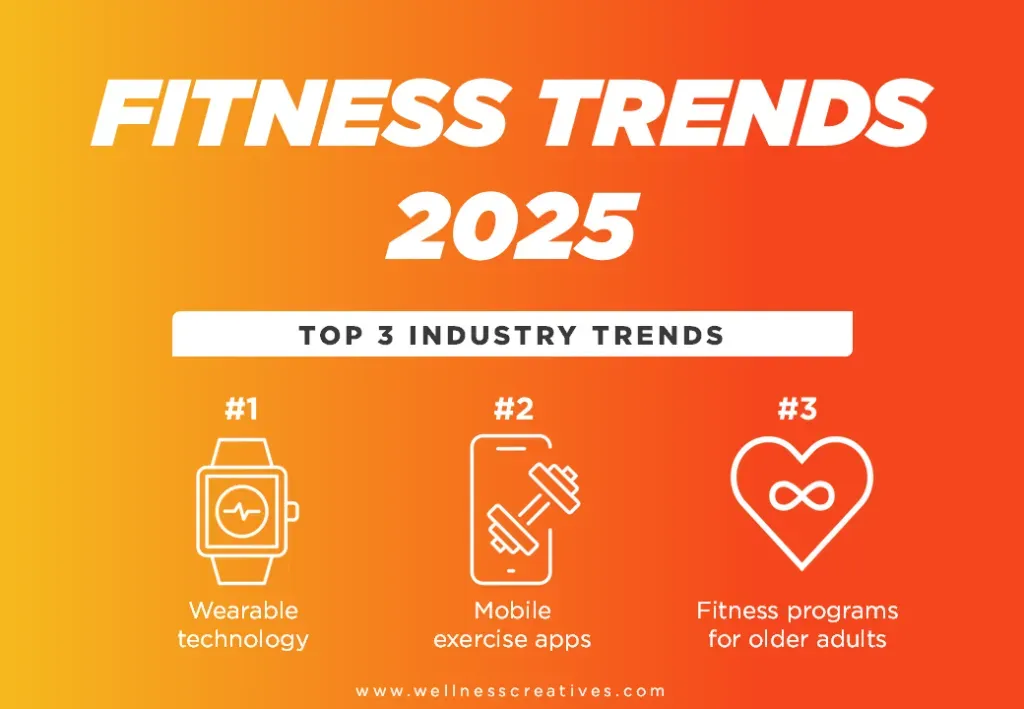
Wearable technology has revolutionized the way athletes and fitness enthusiasts monitor their health and performance. In 2023, this trend has become increasingly sophisticated, with devices like smartwatches and fitness trackers equipped with features that go beyond standard activity tracking. These devices now come with advanced sensors capable of measuring heart rates, sleep quality, and even blood oxygen levels. By integrating this data, athletes can gain insights into their physiological state, making it easier to tailor their training regimens for optimal results.
Moreover, the data collected from wearable technology aids in injury prevention and recovery. Athletes can monitor their physiological responses to training loads, enabling them to identify when they need to scale back to avoid burnout or injury. This real-time feedback mechanism not only enhances performance but also fosters informed decision-making regarding training intensity and recovery strategies.
Functional Fitness: Training That Translates to Real Life
In 2023, functional fitness training has continued to gain traction in gyms and fitness routines across the globe. This training method focuses on exercises that reflect everyday activities, making it ideally suited for enhancing overall athletic performance. By engaging in movements that mimic what we do in daily life, athletes improve their strength, flexibility, and balance, allowing them to perform better in their respective sports.
Furthermore, functional fitness routines typically incorporate high-intensity interval training (HIIT) and body-weight exercises, making them not only effective but also accessible to a wide audience. Gyms are responding to the growing demand for these classes by offering specialized programs that focus on holistic body movement rather than just isolated muscle strengthening.
Mindfulness in Sports: Enhancing Mental Resilience
In a fast-paced and competitive environment, athletes in 2023 are increasingly recognizing the importance of mental health. Mindfulness practices such as meditation, visualization, and breathing exercises have become integral components of training programs aimed at improving both mental resilience and performance. These techniques help athletes manage stress and anxiety levels before and during competitions, leading to enhanced focus and concentration.
Moreover, collaboration between sports psychologists and coaches is on the rise, with many professionals advocating for the incorporation of mental wellness strategies alongside physical training. This holistic approach not only helps athletes perform at their best but also supports long-term mental well-being, reinforcing the idea that mental fitness is just as crucial as physical conditioning.
Personalized Nutrition: Tailoring Diet for Performance
As athletes continue to seek advantageous ways to enhance their performance, personalized nutrition stands out as a burgeoning trend in 2023. Recognizing that dietary needs differ significantly among individuals, athletes are turning to nutritionists and dietitians to create meal plans tailored to their specific genetic profiles and fitness goals. These customized approaches ensure that each athlete receives the optimal balance of macronutrients necessary for both energy and recovery.
Advancements in technology have facilitated this personalization process through various apps that track nutrient intake and provide meal recommendations based on real-time performance data. By aligning nutrition more closely with individual physiology, athletes can maximize their training outcomes while also promoting quicker recovery and improved overall health.
Sustainable Fitness: The Green Revolution
With the increasing awareness of environmental issues, 2023 has seen a remarkable shift towards sustainable fitness practices in both the fitness industry and among individual athletes. This trend encompasses everything from eco-friendly workout gear made of sustainable materials to gyms implementing energy-efficient systems. As more fitness brands commit to sustainability, consumers are increasingly looking for products and services that align with their values.
Additionally, the push towards sustainability extends to outdoor fitness events and group activities that promote environmental stewardship. Athletes are encouraged to participate in community clean-ups and eco-friendly sports events, thereby integrating fitness with a commitment to preserving the planet. This growing trend not only fosters a sense of community but also empowers athletes to make a positive impact through their fitness choices.
Virtual and Augmented Reality: The Future of Training
Virtual and Augmented Reality (VR/AR) technologies have taken the fitness industry by storm in 2023, offering unprecedented opportunities for immersive training experiences. Athletes can now simulate real-life scenarios through VR applications, providing them with a safe environment to practice their skills and strategies without the physical risks associated with real-world training.
These technologies also enhance engagement and motivation, as workout routines featuring VR elements can feel more like a game than a chore. Whether it’s competing in a virtual race or exploring a stunning landscape during a workout, the possibilities for VR in fitness are limitless, making it easier for individuals to stay committed to their fitness goals.
Community Fitness Programs: Building Connections Through Workouts
In 2023, community-driven fitness initiatives have gained popularity as a means to foster social engagement and collective motivation among participants. Many fitness centers and local organizations are now offering group workouts, charity events, and wellness festivals that support not only personal fitness goals but also enhance community spirit. These initiatives create a supportive environment where individuals can connect with fellow fitness enthusiasts.
The sense of belonging that community fitness programs offer can significantly boost accountability and adherence to workout schedules. As participants work together towards common goals, they often find renewed motivation to push their limits while forming enduring friendships that extend beyond the gym.
Integrating Technology into Functional Training
As functional fitness continues to grow in popularity, 2023 sees a merging of traditional functional training with cutting-edge technology. Gyms are now leveraging various digital tools—such as apps and VR platforms—to complement functional training sessions. These tools help track progress, offer tailored workout suggestions, and even simulate scenarios that require functional movement skills.
This integration not only enhances the effectiveness of functional training but also makes it more engaging for participants. The combination of physical and digital elements caters to the modern athlete’s desire for innovation and interactivity in their training routines, ultimately leading to improved outcomes.
The Impact of Personalized Nutrition on Athletic Performance
Personalized nutrition’s influence on athletic performance cannot be overstated. In 2023, more athletes are realizing that their dietary requirements hinge on various factors including genetics, metabolic rates, and training demands. This understanding has spurred an increase in consultations with nutrition specialists who create individualized meal plans tailored to support their specific performance goals.
By incorporating precision nutrition strategies, athletes are not only able to enhance their energy levels during workouts but also optimize recovery times after intense training sessions. This evolution in dietary planning ensures that each athlete has the nutrition support needed to reach peak performance while minimizing the risk of illness and injury.
Frequently Asked Questions
What are the key 2023 fitness trends impacting sports training?
In 2023, key fitness trends impacting sports training include wearable technology, functional fitness, mindfulness practices, personalized nutrition, sustainable practices, virtual and augmented reality training, and community-driven fitness programs. These trends are reshaping how athletes approach their training and overall wellness.
How is wearable technology used in 2023 fitness trends in sports?
Wearable technology in 2023 includes advanced smartwatches and fitness trackers that monitor vital metrics like heart rate and sleep patterns. This real-time data aids athletes in optimizing performance, preventing injuries, and enhancing recovery—a crucial aspect of current fitness trends in sports.
What role does functional fitness play in current fitness trends in sports?
Functional fitness focuses on exercises that mimic everyday movements, emphasized in 2023 fitness trends across gyms. It incorporates high-intensity interval training (HIIT) and mobility training to improve strength, balance, and flexibility, making athletes more efficient.
How is mindfulness integrated into today’s sports training regimens?
In 2023, mindfulness practices such as meditation and deep breathing have become essential in sports training. These practices help athletes reduce anxiety, improve focus, and enhance resilience, aligning with the growing emphasis on mental wellness within current fitness trends in sports.
What are the benefits of personalized nutrition in sports today?
Personalized nutrition plans, tailored to an athlete’s genetic makeup and fitness goals, significantly enhance performance and recovery. This 2023 trend promotes consultations with nutritionists and precise monitoring of macronutrients, accurately reflecting the evolution of nutrition in the fitness landscape.
Can you explain sustainable practices in fitness trends for 2023?
Sustainable fitness practices in 2023 involve eco-friendly gym operations and the use of sustainable materials in fitness equipment. This trend encourages athletes to engage in outdoor events and aligns fitness with environmental awareness, showcasing a commitment to sustainability.
What is VR training, and how is it changing sports fitness in 2023?
Virtual Reality (VR) training in 2023 offers immersive practice sessions that allow athletes to refine their skills safely and engagingly. This innovative technology enhances workout experiences and opens up remote training opportunities, reflecting significant shifts in fitness trends in sports.
How do community fitness programs contribute to 2023 fitness trends?
Community fitness programs foster a sense of belonging through group workouts and events like charity runs. In 2023, these programs enhance motivation and accountability while linking fitness to social connections, which is crucial in the evolving landscape of sports wellness.
What technologies are prominent in the 2023 fitness trends for sports?
Prominent technologies in 2023 fitness trends include wearable devices for performance tracking, VR and AR for enhanced training experiences, and mobile apps for personalized nutrition and workout plans. These technologies are transforming training methodologies and athlete engagement.
How do fitness trends in sports emphasize mental health?
In 2023, fitness trends in sports place a strong emphasis on mental health through mindfulness practices that improve athletes’ focus and reduce stress. This holistic approach recognizes the interconnectedness of mental and physical wellness in achieving peak athletic performance.
| Trend | Description | Key Benefits |
|---|---|---|
| Wearable Technology | Smart devices that track health metrics such as heart rate, sleep patterns, and recovery. | Real-time data for informed training decisions, injury prevention, performance optimization. |
| Functional Fitness Training | Workouts that mimic daily movements, focusing on strength, balance, and flexibility. | Improved athleticism through training movement patterns instead of just lifting weights. |
| Mindfulness and Mental Wellness | Incorporation of techniques like meditation and deep breathing into training. | Reduced anxiety, improved focus, and enhanced coping strategies. |
| Nutrition Personalization | Customized meal plans tailored to an athlete’s genome and fitness goals. | Better performance and recovery through tailored nutritional strategies. |
| Sustainable Practices in Fitness | Adoption of eco-friendly materials and green initiatives in the fitness industry. | Promotes environmental awareness and encourages outdoor fitness activities. |
| Virtual and Augmented Reality Training | Use of VR/AR technologies for immersive training experiences. | Realistic scenarios, enhanced engagement, and remote training options. |
| Community-Driven Fitness Programs | Collective workouts and challenges fostering social connections. | Increased motivation and accountability, enhanced fitness experiences. |
Summary
Fitness trends in sports in 2023 highlight a shift towards personalization, technology integration, community engagement, and mindfulness practices. These trends empower athletes to utilize advanced wearable technologies for monitoring their performance, engage in functional fitness training that improves their daily movements, and adopt mind-body techniques to enhance mental health. Personalized nutrition plans further optimize athletic performance based on individual needs while the commitment to sustainable practices reflects a growing awareness of environmental impact. The embrace of virtual reality training and community-driven programs cultivates a supportive fitness environment. This transformative approach to fitness in sports not only fosters improved physical health but also nurtures a sense of belonging and overall well-being.

