Listen to this article
The FIFA World Cup ticket prices have sparked significant debate, particularly as fans anticipate the thrilling matches set for next summer. With criticism aimed at the soaring costs, including a staggering £3,129 for the least expensive ticket to the final, many are questioning the accessibility of this beloved global event. FIFA president Gianni Infantino has stood firm against the backlash, highlighting the extraordinary demand for tickets, which saw a jaw-dropping 150 million requests in just 15 days. To appease the rising fan outrage, FIFA has introduced a new initiative offering affordable tickets priced at £45, making it feasible for more supporters to experience the thrill of the tournament. This strategy not only showcases the football popularity but also aims to foster inclusivity for the upcoming World Cup 2026, reinforcing FIFA’s dedication to the sport’s development worldwide.
As discussions grow around the pricing of FIFA World Cup tickets, many fans express their concerns about the financial barriers to attending one of sports’ most celebrated events. The universal appeal of this global football tournament has led to a surge in ticket demand, prompting FIFA to respond to the rising costs previously set for the matches. Instead of solely focusing on premium selections, the introduction of budget-friendly ticket options reflects an effort to make this event more accessible. With the spotlight on making the World Cup 2026 a hallmark of inclusivity, FIFA aims to channel the enthusiasm of football fans everywhere while addressing the need for reasonably priced tickets. This approach not only highlights the organization’s commitment to fairness but also acknowledges the pivotal role of fans in the sport’s rich history.
Understanding FIFA World Cup Ticket Prices
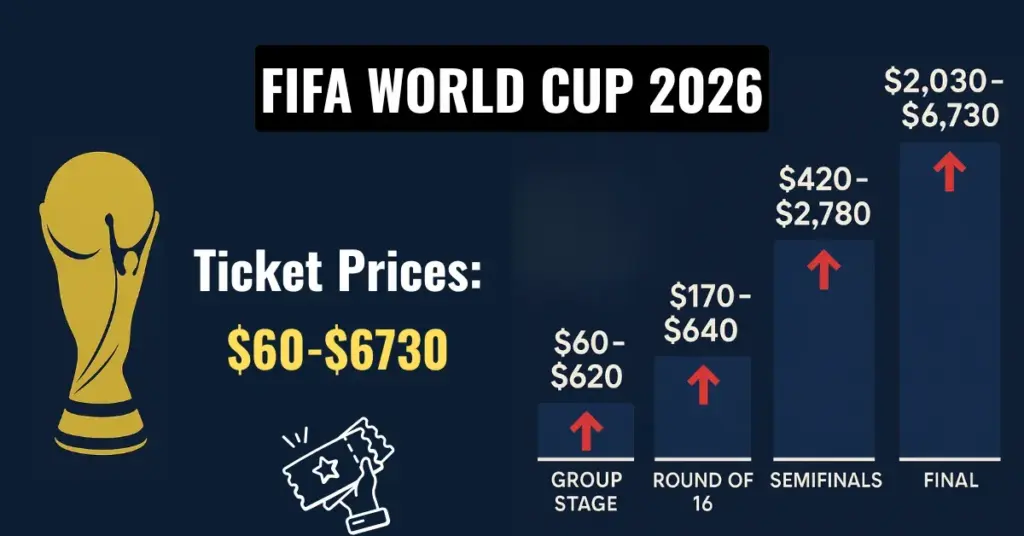
The ticket prices for the FIFA World Cup have been a significant point of contention among fans and critics alike. With the tournament around the corner, many are shocked by the staggering cost of attending the world’s premier football event. For instance, the least expensive ticket for the World Cup final is set at an astonishing £3,129, highlighting a steep increase compared to previous years. This surge in pricing has sparked a wave of fan outrage, as many supporters feel that the excessive costs are a barrier to enjoying the sport they love. While FIFA president Gianni Infantino defends this pricing strategy, the conversation surrounding accessibility and affordability continues to grow.
In response to the backlash, FIFA has introduced a more budget-friendly option in the form of £45 Supporter Entry Tier tickets, designed to accommodate fans from diverse economic backgrounds. This move is an attempt to maintain the World Cup’s spirit of inclusivity and ensure that football remains accessible to everyone. However, balancing the financial aspects of hosting such a grand event with the loyalty of passionate fans is a tightrope that FIFA continues to walk. Infantino’s claim that the overwhelming demand— evidenced by 150 million ticket requests within just two weeks—reflects the unparalleled popularity of the World Cup, adds another layer to the discourse on pricing and access in the global football community.
Gianni Infantino’s Vision for World Cup 2026
Gianni Infantino, the president of FIFA, has distinguished the upcoming World Cup in 2026 as a turning point in the tournament’s history. With a bold vision aimed at making this event the most inclusive yet, Infantino is optimistic about the massive interest shown by fans worldwide, illustrated by over 150 million requests for tickets within a short span. This enthusiastic reception underscores the tremendous growth of football’s popularity, not just in traditional markets but across emerging territories. Infantino’s dedication to globalizing the sport emphasizes FIFA’s mission to foster unity through football, inspiring fans and players alike to embrace the event as a celebration, rather than a mere spectacle.
Furthermore, during his address at the World Sports Summit in Dubai, Infantino highlighted the historical significance of ticket sales, stating that in nearly a century of World Cup history, 44 million tickets have been sold. The staggering amount of requests during the recent sales period suggests that football continues to ignite passions globally, resonating deeply within communities far beyond the sport itself. Infantino’s commitment to leveraging the World Cup as a platform for cultural exchange and connection among diverse nations bodes well for the future of global football. As FIFA prepares for this landmark tournament, Infantino’s vision reflects both the challenges and opportunities of organizing an event that aims to cater to both existing and new football fans.
Fan Outrage Over Ticket Prices Explained
The reaction of fans to FIFA World Cup ticket prices has varied widely, with many expressing their discontent publicly. The considerable hike in prices has drawn criticism from several quarters, creating a narrative that the beautiful game is becoming less accessible to ordinary fans. With the financial demands of attending such an event, many supporters are worried that the essence of football—its ability to unite fans from all walks of life—may be compromised. The decision to implement Supporter Entry Tier tickets illustrates a recognition of this problem, but whether it will sufficiently appease outraged fans remains to be seen.
Critiques of the ticket pricing practices also reflect a broader trend in sports, where commercialization increasingly distances loyal supporters from major events. These sentiments are echoed in discussions around the growing disconnect between the football elite and the fanbase they rely on. By introducing lower-priced tickets, FIFA aims to navigate through this rising tide of dissent, yet many fans remain skeptical about the long-term sustainability of such practices. Consequently, the fan outrage serves as a call to action for FIFA to consider more sustainable and inclusive strategies in its approach to ticket pricing and accessibility as they prepare for the World Cup 2026.
The Role of Football Popularity in Ticket Demand
The FIFA World Cup remains a beacon of football popularity, drawing an unprecedented number of ticket requests from fans around the globe. The staggering amount of 150 million requests in just 15 days speaks volumes about the sport’s influence. It’s not just about watching matches; it’s a celebration of culture, national pride, and communal spirit that connects millions. This intense interest demonstrates that despite the backlash regarding ticket prices, the desire to participate in the World Cup experience is undeterred. Fans are willing to navigate the economic hurdles to be part of this historic event, and this phenomenon emphasizes football’s unparalleled draw.
As football continues to grow across various regions, the demand for tickets has increased dramatically, reflecting the sport’s expanding global reach. Infantino’s remarks point to the historical significance of the World Cup, doubling down on how this event fosters a sense of belonging and shared excitement among fans. Understanding this connection illustrates why even the highest ticket prices can’t completely quell enthusiasm. Moreover, it highlights the essential role of organizations like FIFA in managing expectations and creating opportunities that allow all fans to engage with the World Cup in meaningful ways, regardless of the economic constraints that may exist.
FIFA’s Commitment to Affordable Tickets
In light of the outcry over ticket pricing, FIFA has taken a step towards easing fans’ financial burdens by rolling out the affordable £45 Supporter Entry Tier tickets. This strategic move is an acknowledgment of the fans who represent the heartbeat of the sport. By making tickets more accessible, FIFA aims to cultivate a wider audience, allowing those who may have been priced out of previous tournaments to witness history unfold in person. This initiative signifies a shift towards prioritizing fan engagement and diversity, which are essential components in fostering a sustainable football culture.
It’s important to recognize that while the ticket price structure is under scrutiny, FIFA’s introduction of budget-friendly options is a crucial step forward. By providing these affordable tickets, FIFA not only adheres to the current demands of fans but also reinforces its commitment to inclusivity. Infantino’s vision of a World Cup that caters to all, regardless of socio-economic background, is vital for preserving the spirit of football. As fans prepare for the upcoming tournament, this focus on affordability can ultimately transform the World Cup experience into one that is reachable for a broader audience.
Balancing Revenue and Accessibility at the World Cup
FIFA operates in a challenging landscape where the balancing act between generating revenue and ensuring accessibility for fans becomes increasingly complex. The criticism regarding high ticket prices suggests a growing divide between the organization’s financial objectives and the expectations of football supporters. However, Gianni Infantino advocates for the idea that the funds generated from ticket sales are essential for reinvesting in football development globally. This contentious situation highlights the need for FIFA to craft policies that recognize both the economic realities of hosting a major international event and the duty to serve the football community.
The potential for football to bring people together is immense, but financial barriers can hinder this experience. Moving forward, FIFA must take a comprehensive approach to ticket pricing that considers both its financial goals and the welfare of its fanbase. By implementing tiered pricing models and expanding affordable ticket options, FIFA can become a leader in responsible event management in the sports industry. Striking this balance is crucial for maintaining the World Cup’s significance and accessibility, allowing it to remain a global celebration of football in all its glory.
The Future of World Cup Ticket Sales
As the landscape of ticket sales evolves, the upcoming FIFA World Cup in 2026 presents an opportunity for strategic innovation. The influx of ticket requests and ongoing fan outrage signifies a need for FIFA to rethink its approach not just for this tournament but for future events as well. Implementing feedback mechanisms and ensuring transparency in ticket distribution can enhance fan satisfaction and trust in FIFA’s governance. Engaging with support groups and fans to better understand their concerns around pricing can lead to more effective strategies to address accessibility issues in ticketing.
Fueled by the desire to unify global passion for football, FIFA’s future ticketing strategies should focus on sustainable growth that prioritizes inclusivity. With a keen understanding of the intricate dynamics between supply, demand, and fan expectations, FIFA has the potential to set a precedent in the industry. The goal should be to create an environment where football remains a sport for all, reflecting the joy and camaraderie it inspires across nations and cultures. In turn, this can lead to a more facilitated connection between FIFA and its constituents, enhancing the overall reputation of the World Cup as a premier sporting event.
Harnessing Global Passion for Football Through Ticket Sales
The enchanting appeal of football has the power to transcend borders and cultures, illustrating a universal language that binds fans together. Gianni Infantino’s emphasis on the overwhelming ticket demand for the World Cup serves as a reminder of how visceral this passion is. Despite criticisms regarding ticket prices, the global interest in football remains unwavering, with fans eager to partake in the spectacle of the World Cup. FIFA’s role in harnessing this widespread enthusiasm is crucial, as the organization must leverage this momentum to create an even more engaging environment for supporters around the world.
By acknowledging the diverse backgrounds of football fans and introducing measures such as more affordable ticket tiers, FIFA can enhance the sporting experience for all. This grassroots approach can do wonders in addressing the disconnect some fans feel due to high prices, ensuring that football remains a beloved sport at the community level. Infantino’s commitment to the sport and its followers can inspire a new generation of fans, demonstrating that with thoughtful policies and inclusive practices, the love for football can flourish while contributing to its sustainable growth across all socio-economic sectors.
Frequently Asked Questions
What are the prices for FIFA World Cup tickets in 2026?
The FIFA World Cup ticket prices for 2026 will vary, but they have been a topic of discussion due to high costs. The least expensive option for the World Cup final is reported to be £3,129, which has sparked fan outrage. However, FIFA has introduced affordable £45 Supporter Entry Tier tickets for all matches to make attendance more accessible.
Why are FIFA World Cup ticket prices so high for the upcoming tournament?
FIFA World Cup ticket prices have drawn criticism due to their high costs, particularly for marquee matches like the final, priced at £3,129. FIFA president Gianni Infantino has defended these prices, citing overwhelming demand, with 150 million requests in just 15 days, showcasing the football popularity and desire to attend.
How is FIFA addressing concerns over high ticket prices for the World Cup?
FIFA has responded to concerns regarding high ticket prices by introducing a new policy that includes affordable £45 Supporter Entry Tier tickets for every match. This aims to alleviate fan outrage and make the World Cup more inclusive, especially considering the immense popularity of the tournament.
What has Gianni Infantino said about FIFA World Cup ticket prices?
Gianni Infantino has addressed the criticism of FIFA World Cup ticket prices, emphasizing the remarkable demand from fans. He highlighted that the substantial ticket requests reflect football’s popularity. Despite the high prices, he assured that revenues are reinvested in football development worldwide.
How many tickets have been requested for the FIFA World Cup 2026?
Over 150 million tickets have been requested for the FIFA World Cup 2026, demonstrating the enormous global enthusiasm for football. This staggering demand highlights the tournament’s potential popularity and FIFA’s commitment to creating an inclusive event.
What is the Supporter Entry Tier for FIFA World Cup tickets?
The Supporter Entry Tier is a new ticket category introduced by FIFA for the World Cup, offering tickets priced at £45 for all matches. This initiative aims to provide affordable tickets and address fan outrage regarding high ticket prices for the upcoming tournament.
Why is there so much fan outrage over FIFA World Cup ticket prices?
Fan outrage over FIFA World Cup ticket prices stems from the significant increase in costs, particularly the £3,129 ticket for the final. Many fans feel that such prices exclude them from experiencing the tournament. FIFA’s introduction of affordable tickets is an effort to respond to this discontent.
What impact do FIFA World Cup ticket prices have on attendance?
High FIFA World Cup ticket prices can impact attendance by potentially limiting access for many fans. In response to criticism, FIFA has introduced affordable ticket options, like the £45 Supporter Entry Tier, to help ensure that more fans can attend and celebrate the popularity of the sport.
| Key Point | Details |
|---|---|
| High Ticket Prices | Criticism over the £3,129 price for the World Cup final, with ticket prices rising compared to previous tournaments. |
| Affordable Tickets | Introduction of £45 Supporter Entry Tier tickets for all matches to address concerns. |
| Popularity of the Event | 150 million ticket requests within 15 days demonstrate the massive interest in the World Cup. |
| FIFA’s Role | Gianni Infantino emphasized FIFA’s impact on global football and the reinvestment of revenues. |
| World Cup History | 44 million tickets sold in nearly 100 years, highlighting the demand and history of the event. |
| Future Inclusivity | The 2026 World Cup aims for maximum inclusivity with over 150 million tickets requested globally. |
Summary
FIFA World Cup ticket prices have sparked significant debate, especially with steep costs for high-demand matches. Gianni Infantino’s recent statements reflect FIFA’s commitment to providing affordable options while also highlighting the overwhelming global interest in the event. With a large number of ticket requests coming from fans worldwide, FIFA continues to establish the World Cup as a platform for unity and passion for football across cultures.