Listen to this article
Fiber benefits are receiving well-deserved attention lately, with health enthusiasts spotlighting its remarkable impact on overall well-being. This essential nutrient plays a crucial role in improving gut health, promoting digestion, and providing numerous health benefits of fiber that can lead to a happier life. Increasing your fiber intake is also associated with substantial advantages, including lower risks of chronic diseases such as diabetes and heart conditions. From dietary fiber sources like beans and whole grains to high fiber diet benefits, there are countless tasty ways to incorporate more fiber into your meals. For those looking for fiber intake tips, the journey towards a healthier lifestyle starts with understanding how crucial this underrated nutrient truly is.
When discussing the advantages of a fibrous diet, it’s essential to highlight the myriad perks associated with including more roughage in our meals. Often overlooked, this vital component of our nutrition can significantly boost our physical and mental wellness. Whether it’s through enhancing digestive health or providing essential nutrients from plant-based foods, consuming adequate amounts of soluble and insoluble fibers should be a priority for everyone’s dietary regimen. As more individuals seek to elevate their health, embracing fibrous foods can unlock a world of positive outcomes, including vitality and resilience. A careful approach to integrating these food types can transform diets and lifestyles, making fiber truly a superstar nutrient.
Understanding the Importance of Fiber in Our Diet
Fiber is a crucial component of a healthy diet, often overlooked in favor of other nutrients like protein. It contributes significantly to our overall health, impacting everything from digestion to chronic disease prevention. The human body, while unable to digest fiber, relies heavily on this indigestible substance to regulate bowel movements and maintain gut health. A diet rich in fiber can reduce the risk of conditions such as obesity, diabetes, and cardiovascular diseases, while also boosting longevity. Nutritionists emphasize that fiber’s presence in our diet is essential for producing healthy gut microbiota, which plays a vital role in our immune function and even mental health.
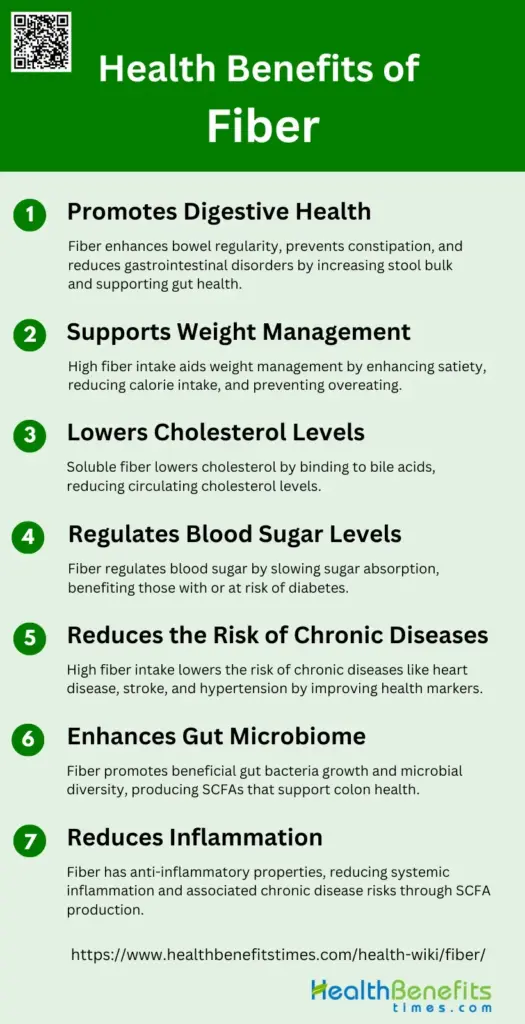
Moreover, fiber assists in stabilizing blood sugar levels, making it an indispensable nutrient for individuals with diabetes or those at risk. When we consume fiber-rich foods, they expand in our stomachs, leading to a feeling of fullness that can help in weight management. The fermentation process of certain fibers in the gut not only enhances our digestion but also fosters a flourishing environment for beneficial bacteria. Incorporating a variety of fiber sources into our meals can cater to both our digestive needs and our overall health, highlighting the necessity of this often-underestimated nutrient.
Exploring Dietary Fiber Sources for a Balanced Nutrition
When it comes to dietary fiber sources, the options are vast and diverse. Fruits and vegetables are the most recognized sources, with options like apples, berries, carrots, and broccoli providing both soluble and insoluble fiber. Legumes, such as chickpeas and lentils, are exceptionally high in fiber and also offer a great protein punch for plant-based diets. Whole grains, including oats, quinoa, and brown rice, serve as excellent sources of fiber that can easily be included in various meals. Nuts and seeds, like chia seeds and almonds, not only contribute fiber but also healthy fats, making them a great addition to snacks and meals alike.
Additionally, incorporating these fiber-rich foods into your meals does not have to be complex. Simple swaps, such as replacing white rice with brown rice or adding a handful of spinach to your smoothies, can drastically increase your fiber intake. For breakfast, consider opting for oatmeal topped with berries and nuts rather than processed cereals. These changes can make a significant difference in reaching the daily recommended fiber intake, which is approximately 30 grams for adults. Embracing a diet rich in diverse fiber sources not only supports gut health but also lays the foundation for a balanced, nutritious diet.
Top Fiber Intake Tips for a Healthier Lifestyle
Increasing your fiber intake doesn’t have to be daunting; with the right strategies, it can be a smooth transition to a healthier lifestyle. One effective method is to gradually introduce fiber-rich foods into your diet. Start by incorporating one high-fiber option at each meal, such as adding avocado to your breakfast toast or a side of legumes to your lunch. This gradual approach can help your digestive system adjust without causing discomfort, a common concern among those new to a high-fiber diet.
Hydration is also a crucial aspect of increasing your fiber intake. Drinking plenty of water helps fiber do its job effectively, preventing common issues such as bloating or cramping that may arise from a sudden increase in fiber consumption. Furthermore, consider planning your meals ahead to incorporate a variety of fiber sources. Preparing snacks like dried fruits, nuts, or fiber bars can encourage healthier snacking and ensure you meet your daily fiber goals while managing your overall dietary habits.
The Health Benefits of Fiber For Gut and Mental Health
The health benefits of fiber go beyond mere digestion; they extend into significant improvements in both gut health and mental well-being. High-fiber diets have been linked to a healthier microbiome, which is essential for a well-functioning immune system and may even play a role in mental health. Research suggests that a diverse gut microbiome can reduce the risk of anxiety and depression, emphasizing the importance of foods like whole grains, legumes, and prebiotic-rich vegetables in our diets.
Moreover, fiber plays a vital role in producing short-chain fatty acids during fermentation, which are known to have anti-inflammatory effects and support brain function. Nutritionists stress that by consuming adequate fiber, we support optimal gut health, which in turn fosters better mental clarity and mood stability. Thus, making a conscious effort to boost fiber intake can yield far-reaching benefits, enhancing both physical and mental health for individuals looking to improve their overall well-being.
How to Transition to a High-Fiber Diet
Transitioning to a high-fiber diet can initially seem overwhelming, but taking small, manageable steps can simplify the process. Start by identifying your favorite fiber-rich foods and find ways to incorporate them into your daily meals. A practical tip is to focus on one meal at a time; for instance, upgrade your breakfast by adding berries to your cereal or opting for whole-grain toast instead of white bread. This gradual approach can make fiber a more natural part of your diet.
Additionally, consider tracking your fiber intake for a week to understand your current consumption levels. Apps and online trackers can be useful tools for seeing where you might increase your fiber without making drastic changes right away. Pairing your fiber-rich foods with adequate hydration is also vital. Ensure that you drink water throughout the day to help your body process the increased fiber comfortably. Over time, these small adjustments can lead to lasting changes in your dietary habits, paving the way for a lifestyle rich in fiber.
The Role of Fiber in Cardiovascular Health
Fiber is not only essential for digestive health; it also plays a critical role in supporting cardiovascular health. Numerous studies have shown that a diet high in fiber can contribute to lower cholesterol levels and reduced blood pressure, significantly lowering the risk of heart disease. Soluble fiber, in particular, found in foods such as oats, beans, and fruits, helps lower LDL cholesterol (‘bad’ cholesterol) levels by binding to it in the digestive system, facilitating its removal from the body.
Moreover, fiber-rich foods typically have a low glycemic index, which helps maintain stable blood sugar levels. This quality is crucial in reducing the risk of developing type 2 diabetes, a condition closely linked to cardiovascular health. Including a variety of fiber sources, like whole grains, fruits, and vegetables, can provide multiple benefits for heart health, making fiber an indispensable component of a heart-healthy diet.
Utilizing Fiber for Weight Management
Fiber is a beneficial ally for anyone looking to manage their weight effectively. By promoting a sense of fullness, fiber-rich foods can help curb hunger and reduce overall calorie intake. Foods high in fiber, such as fruits, vegetables, and whole grains, take longer to chew and digest, extending the feeling of satiety. This natural appetite control can be particularly helpful for those trying to shed pounds or maintain weight after losing it.
Additionally, incorporating fiber into your meals can minimize the consumption of high-calorie, low-nutrient foods. When you fill your plate with fibrous veggies and whole grains, there’s often less room — and less temptation — to indulge in processed snacks and sugary treats. Thus, a high-fiber diet not only aids in weight management but also promotes overall nutritional balance, ensuring your body receives the essential nutrients it needs to function optimally.
Combating Digestive Disorders with Fiber
A high-fiber diet can be a game-changer for individuals suffering from various digestive disorders. Conditions such as irritable bowel syndrome (IBS), constipation, and diverticulitis can often be alleviated through increased fiber intake. Insoluble fiber, which adds bulk to the stool and helps food move through the digestive tract, is particularly beneficial for those struggling with constipation, helping to establish regular bowel movements.
In contrast, individuals with IBS may benefit from soluble fiber sources, such as oats and psyllium, which can help manage symptoms by slowing digestion and reducing bloating. However, it’s essential for anyone with specific digestive health issues to consult with a healthcare professional before making significant dietary changes. Educating yourself about the different types of dietary fiber and how they affect gut health is crucial in effectively using fiber to manage digestive disorders.
Exploring the Connection Between Fiber and Mental Health
The connection between fiber intake and mental health is gaining increasing attention in the nutritional science community. Recent studies suggest that a diet rich in certain types of fiber can foster a healthier gut microbiome, which in turn can positively influence mental health. The gut-brain axis illustrates the two-way communication between our digestive system and brain; therefore, ensuring that we feed our gut the right nutrients, including prebiotic fibers, can potentially enhance mood and reduce anxiety.
Furthermore, certain studies have shown that populations consuming higher amounts of fiber report lower levels of depression and anxiety. The microbiota produced through the fermentation of fiber can be vital for brain health, producing neurotransmitters such as serotonin, often referred to as the ‘happy chemical.’ Thus, by incorporating more fiber into our diets, we not only support our physical health but can also contribute positively to our mental well-being.
Frequently Asked Questions
What are the health benefits of fiber and how can it improve gut health?
Fiber offers numerous health benefits, primarily by improving gut health. It promotes regular bowel movements, reduces constipation, and supports a healthy gut microbiome by nurturing beneficial bacteria. A high fiber diet has also been linked to lower risks of cardiovascular diseases, certain cancers, diabetes, and even improved mental health due to the gut-brain axis.
What are some dietary fiber sources I can include in my meals?
To enhance fiber intake, incorporate a variety of dietary fiber sources such as whole grains (like brown rice and wholegrain bread), legumes (e.g., chickpeas and lentils), fruits (especially with skins, like apples and pears), vegetables (like broccoli and carrots), and nuts (such as almonds and walnuts). These foods not only enrich your diet but also contribute to overall health.
What are effective fiber intake tips for beginners looking to improve their diet?
To gradually increase fiber intake, start with small changes: add seeds or nuts to your breakfast porridge, swap white bread for wholegrain options, include beans in salads, and snack on fruits and vegetables instead of processed foods. Remember to drink plenty of water to aid digestion and prevent discomfort.
How does a high fiber diet benefit mental health?
Research suggests that a high fiber diet may benefit mental health by supporting a healthy gut microbiome, which communicates with the brain. Prebiotic fibers nourish beneficial gut bacteria, potentially reducing anxiety and depression symptoms. Thus, a fiber-rich diet could contribute positively to mood and emotional well-being.
What precautions should I take when increasing my fiber intake?
When increasing fiber intake, do so gradually to prevent digestive discomfort. It’s also important to maintain adequate hydration to aid in fiber’s effectiveness. Those with conditions like Crohn’s disease or diverticulitis should consult a healthcare provider before making any significant dietary changes, as high fiber might not be suitable.
| Aspect | Key Points |
|---|---|
| Social Media Trends | Posts with hashtags #fibremaxxing have reached over 150 million views on TikTok. |
| Current Fiber Intake | 96% of the UK population is not consuming the recommended 30g of fiber daily; average intake is about 16.4g. |
| Health Benefits | Increasing fiber intake can lead to lower rates of chronic diseases, improved gut health, and enhanced mental well-being. |
| Types of Fiber | Fiber includes fermentable fibers, insoluble fibers, and viscous fibers, each providing different gut health benefits. |
| Personal Experiences | Individuals report significant physical and mental health improvements by boosting their fiber intake. |
| Expert Recommendations | Dieticians suggest small dietary changes to increase fiber, like swapping white bread for wholegrain or adding nuts to meals. |
Summary
Fiber benefits are increasingly recognized as crucial for maintaining health and wellness in our diets. With more people turning to social media for health advice, fiber has recently garnered attention as an essential nutrient, especially given that most individuals fall short of daily recommended intake. Emphasizing the importance of fiber, professionals note not only its role in digestive health but also its potential contributions to longer life, reduced risk of chronic diseases, and improved mental health. To harness these fiber benefits, gradual incorporation into daily meals is advised, ensuring that individuals can enjoy a range of health improvements without overwhelming their systems. As the conversation around fiber continues to grow, it’s essential to make thoughtful choices that align with personal health goals.