
Listen to this article
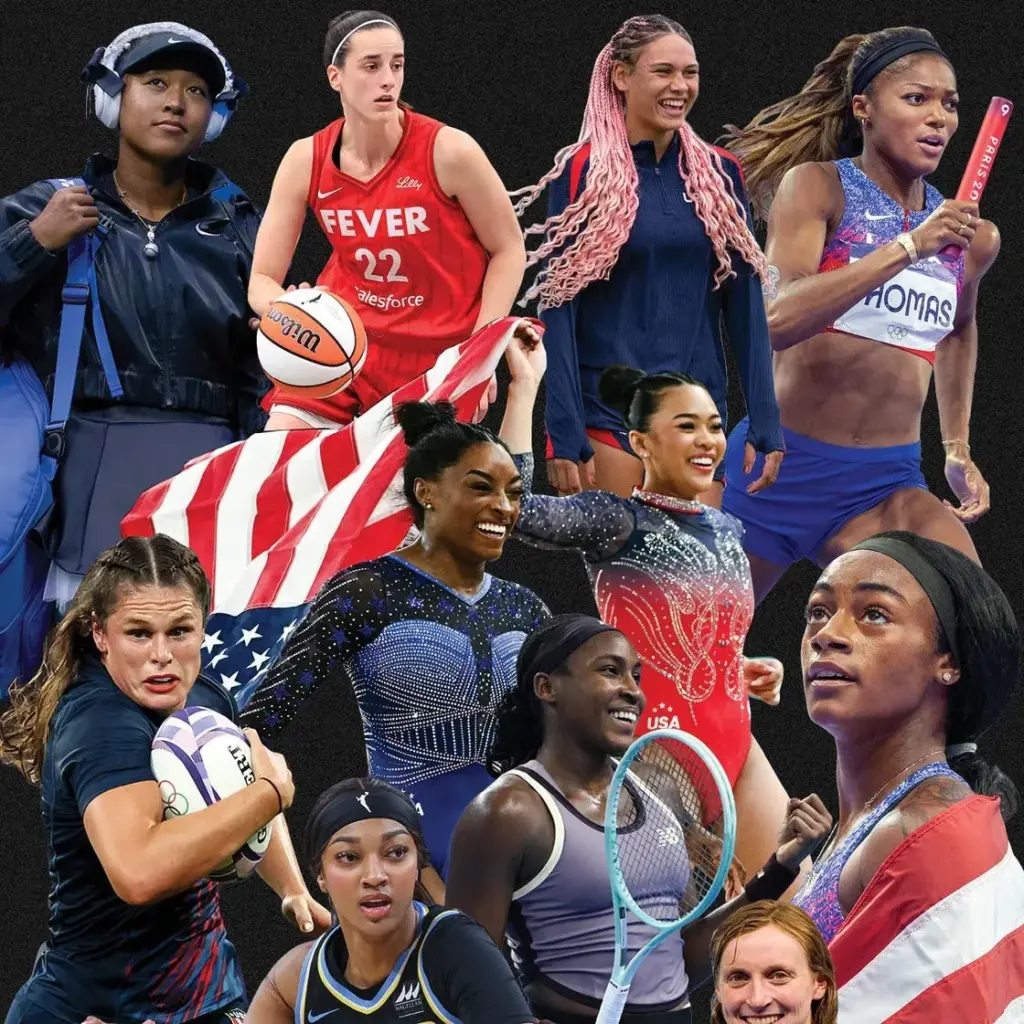
Female athletes in sports have emerged as powerful icons of change, redefining the landscape of athletics around the world. Their remarkable achievements not only showcase their exceptional talent but also reflect a broader movement towards gender equality in sports. From securing monumental victories in competitive arenas to advocating for women’s rights, female sports icons are inspiring a new generation of athletes to pursue their dreams fearlessly. The visibility of women’s sports has dramatically increased, drawing attention to female athletic achievements and emphasizing the need for empowerment through sports. This blog post will delve into the transformative journey of female athletes, highlighting their groundbreaking contributions and the rich legacy they continue to build.
The rise of women in athletics signals a significant cultural shift, with female competitors breaking barriers and claiming their rightful place in sports history. As trailblazers in their respective fields, these athletes challenge the age-old stereotypes that have long overshadowed women’s participation in sports. With the spotlight now illuminating female sporting figures, the conversation surrounding empowerment and representation in athletics has never been more crucial. This post will explore the inspiring stories of these talented women, their ongoing fight for equality, and the positive impact they have on both sports and society.
Empowerment Through Sports: A Pathway for Women
Sports serve as a powerful platform for empowerment, particularly for women. The global rise of female athletes has illustrated how participating in sports can foster self-esteem, leadership skills, and resilience. When women engage in sports, they not only build physical strength but also emotional and psychological fortitude, which are essential when navigating personal and professional challenges. Empowered female athletes often become role models, demonstrating that women can excel and lead in traditionally male-dominated fields.
Organizations worldwide are increasingly recognizing the importance of empowering women through sports. Initiatives aimed at promoting female participation often include outreach programs, scholarships, and coaching clinics designed specifically for girls. These programs encourage young women to engage actively in sports while simultaneously educating them about their rights and the opportunities available. By fostering this empowerment, sports can reshape societal views on femininity and strength, paving the way for future generations.
Female Athletes in Sports: Icons of Change
The visibility of female athletes in sports has transformed over recent years, with athletes like Serena Williams and Simone Biles becoming icons of change. Their achievements extend beyond winning medals; they act as significant voices advocating for gender equality and social justice. By standing up for pay equity and mental health awareness, these athletes not only inspire other women but also challenge systemic inequalities that permeate sports. Their stories remind society that female athletes deserve equal respect, recognition, and resources.
Moreover, these female sports icons are instrumental in shaping the perception of women in sports media. As coverage of women’s events grows, so does the potential for inspiring future generations. Young girls exposed to these athletes can envision themselves as champions, knowing other women have paved the way. With increasing representation and recognition of female accomplishments, the paradigm continues to shift, dismantling age-old stereotypes and welcoming a new era of sports.
Gender Equality in Sports: A Continued Struggle
Despite the significant strides made towards gender equality, challenges remain persistent in sports. Female athletes continue to face disparities in pay, recognition, and sponsorship opportunities compared to their male counterparts. This persistent gender pay gap sends a discouraging message to aspiring female athletes about their value in sports. The ongoing dialogue surrounding equal pay, such as that seen in the U.S. Women’s National Soccer Team’s fight for equitable compensation, underscores the necessity for systemic change.
Efforts for gender equality must extend beyond pay disparities to include equal media representation and participation opportunities. Advocating for change involves collaboration between athletes, organizations, and fans to challenge archaic norms and support equity initiatives. Engaging with allyship movements and promoting discussions about gender bias in sports can foster a progressive environment where all athletes, regardless of gender, receive fair treatment and recognition.
Celebrating Female Athletic Achievements
The realm of sports is rich with stories of remarkable female athletic achievements that deserve to be acknowledged and celebrated. From record-breaking performances to groundbreaking milestones that inspire millions, female athletes are demonstrating their prowess in diverse disciplines. Whether it’s breaking records in track and field or achieving remarkable feats in team sports, their achievements not only stand testament to their dedication and hard work but also serve to elevate women’s presence in sports.
Celebrating these achievements can empower young women to pursue their passions in athletics, while also encouraging society to support equitable opportunities. Highlighting successes such as Lisa Leslie’s impact on women’s basketball or Katie Ledecky’s dominance in swimming can inspire young athletes in similar sports. These celebrations, when broadcasted widely, not only affirm the capabilities of female athletes but also contribute to a culture that values and respects women’s contributions to the sports landscape.
The Role of Media in Promoting Female Athletes
Media plays an instrumental role in shaping perceptions of women in sports, providing essential coverage that can elevate women’s athleticism and achievements. Increased visibility through broadcasts, articles, and social media allows female athletes to share their stories and foster a sense of connection with fans. The portrayal of women athletes in a positive light encourages young girls to break down barriers and pursue sports passionately, helping combat stereotypes that have historically diminished women’s roles in athletics.
Additionally, when media outlets prioritize women’s sports, it compels sponsors and advertisers to invest more in female athletes. This financial support is crucial for fostering a sustainable environment where women can train, compete, and achieve their goals without the overpowering financial burden that often accompanies sports careers. By ensuring that women receive equitable coverage, media can help dismantle long-standing biases and promote a more inclusive sports culture.
Creating a Culture of Inclusion in Sports
Culture plays a significant role in the participation and success of female athletes. A community that values inclusivity and support not only fosters a safe environment for young girls to engage in sports but also nurtures talent. Coaches, organizations, and fans each hold power in shaping this culture, which can influence attitudes toward women’s sports. As more women take up leadership roles within sports organizations, the push for inclusive practices becomes more pronounced, making it vital for young girls to see themselves represented.
Creating a culture of inclusion also involves addressing the unique challenges faced by female athletes, including societal pressures and unequal treatment. Encouraging discussions about gender equity in sports can lead to actionable changes within organizations and communities. By focusing on inclusivity, we can ensure that girls feel welcomed in sports environments, which is essential for building confidence and promoting participation among the next generation of female athletes.
Mental Health Advocacy in Women’s Sports
The conversation around mental health in sports has intensified, with female athletes increasingly speaking out about their experiences. This shift is crucial, particularly as the pressures of competition often weigh heavily on young women in sports. Athletes like Simone Biles have led the charge in destigmatizing mental health struggles, reinforcing that prioritizing one’s mental well-being is as important as physical training. Their openness not only resonates with peers but encourages young athletes to seek support rather than suffer in silence.
Advocating for mental health awareness in women’s sports emphasizes the holistic development of athletes. Sports organizations must implement mental health resources, providing athletes the necessary support systems to thrive in competitive environments. By fostering an environment where discussions regarding mental health are normalized, the overall culture of sports can evolve, prioritizing the well-being of female athletes alongside their physical achievements.
Sponsorship and Support for Women Athletes
Sponsorship remains a crucial element in the advancement of female athletes in the sports industry. The disparities in financial backing between male and female athletes continue to be a significant hurdle. Historically, female athletes have received less sponsorship, making it difficult for them to access the resources they need to excel. However, the ongoing conversation about gender equality is prompting brands to reconsider their sponsorship strategies, recognizing the untapped potential within women’s sports.
Increasing support from sponsors can lead to a significant boost in visibility and resources for female athletes. Brands that champion equality contribute to a positive image of women in sports and encourage young girls to pursue athletic endeavors confidently. As more companies align themselves with female empowerment and athleticism, the landscape for women in sports becomes brighter, inspiring aspiration and ambition among the next generation of female athletes.
Future of Women in Sports: Challenges and Opportunities
The future of women in sports holds both challenges and tremendous opportunities for growth. While significant progress has been made towards achieving equity, it is essential to remain vigilant in advocating for equal treatment. As society continues to evolve, so should the dialogue surrounding gender equality in athletics. This includes addressing gaps in opportunities, media representation, and sponsorship, ensuring sustained momentum toward achieving a truly inclusive sports culture.
Furthermore, the next generation of female athletes stands to benefit from the foundations laid by those before them. With increased visibility of female role models, educational programs emphasizing sports, and community support, young girls are empowered to pursue their dreams unencumbered by stereotypes. Encouraging active engagement in sports, combined with structural support, provides a bright outlook for women in sports for years to come.
Frequently Asked Questions
What are some notable female athletes who have influenced sports?
Notable female athletes like Serena Williams, Simone Biles, and Abby Wambach have significantly influenced sports by breaking records and championing gender equality. Their success has served as inspiration for young girls, encouraging participation in athletics.
How do female athletes contribute to the promotion of gender equality in sports?
Female athletes promote gender equality by raising awareness around issues like the gender pay gap, championing equal opportunities, and advocating for representation in sports media. Their visibility helps challenge societal norms and inspires future generations of female athletes.
What impact do female athletic achievements have on young girls?
Female athletic achievements greatly inspire young girls by providing positive role models. When they see accomplished female athletes, it encourages them to pursue their own interests in sports and promotes a mindset of empowerment through sports.
What challenges do female athletes face in today’s sports world?
Despite progress, female athletes face challenges such as gender pay inequalities, less media coverage, and societal pressures regarding their appearance. These barriers can hinder their opportunities and impact their performance.
How has the visibility of women in sports changed in recent years?
The visibility of women in sports has dramatically increased due to events like the FIFA Women’s World Cup and Women’s NCAA Basketball Championship, which have drawn record viewership. This increased attention is crucial for fostering interest and participation in female sports.
What organizations support female athletes and women in sports?
Organizations like the Women’s Sports Foundation, advocating for equal opportunities and access to sports for girls, play a vital role in supporting female athletes. They work towards creating inclusive environments and promoting gender equality in athletics.
Why is representation important for female athletes in media?
Representation is key for female athletes because it increases visibility and encourages young girls to engage in sports. When they see women achieving success, it empowers them to believe they can compete at similar levels.
What role do parents play in supporting female athletes?
Parents play a crucial role in encouraging their daughters to participate in sports. By supporting their interests and promoting a healthy lifestyle, parents can help nurture the next generation of female athletes.
How can social media impact female athletes’ visibility and advocacy?
Social media provides female athletes a platform to share their stories, connect with fans, and advocate for important issues such as equal pay and representation in sports. It fosters community and solidarity among women in sports.
What initiatives foster mentorship for young female athletes?
Mentorship programs that link young female athletes with established sports icons are essential. They provide guidance, motivation, and leadership skills, helping to empower the next generation of female athletes.
| Key Points | Details |
|---|---|
| The Rise of Women in Sports | Awareness and visibility for women in sports have increased significantly since the 1970s, with major events attracting larger audiences. |
| Trailblazers and Game-Changers | Athletes like Serena Williams, Simone Biles, and Abby Wambach advocate for gender equality and social justice while excelling in their sports. |
| Importance of Representation | Increased visibility encourages participation in sports among young girls, fostering confidence and motivation. |
| Challenges and Inequalities | Female athletes face a gender pay gap, scrutiny over appearance, and societal pressures that hinder participation and success. |
| Advocating for Change | Organizations like the Women’s Sports Foundation work to empower women in sports and promote equal opportunities. |
| The Next Generation | Mentorship, resources, and parental support are essential for inspiring young female athletes and providing equal opportunities. |
Summary
Female athletes in sports are redefining the narrative of athletic achievement and empowerment. As they push boundaries, break records, and advocate for equality, it is essential to recognize and support their contributions. From historic victories to ongoing combat against gender disparities, female athletes are inspiring young girls worldwide. By fostering inclusive environments and providing resources, we can empower the next generation to follow in their footsteps. Celebrating these athletes not only highlights their accomplishments but also underscores the importance of equality and representation in all sporting fields.

