
Listen to this article
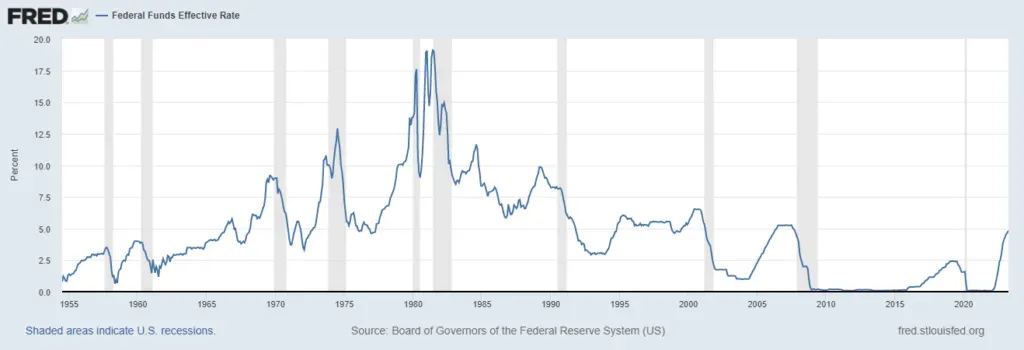
Federal Reserve interest rates have been at the forefront of discussions surrounding the US economy, especially following the central bank’s recent decision to maintain them amidst increasing external pressures. This decision to keep the key lending rate between 3.5% and 3.75% highlights the Fed’s cautious stance on economic stability, as articulated by Chairman Jerome Powell. The ongoing fluctuation of interest rates has significant implications for borrowing costs and the overall economic landscape, which President Trump has actively sought to influence. Many analysts are keenly observing how this interest rate decision will impact job creation and consumer spending in the coming months. As Wall Street braces for Powell’s next press conference, the financial world remains engaged with the ongoing narrative surrounding the powerful US Federal Reserve and its impact on both the national and global economy.
Interest rate policies set forth by the Federal Reserve play a crucial role in shaping the economic environment within the United States. By deciding whether to adjust borrowing costs, central bank officials influence consumer behavior, investments, and job market trends. The continued deliberation over these monetary policies showcases the complexities of economic governance, particularly under the watchful gaze of political figures and external pressures. Monetary policy adjustments could either spur growth or inhibit it, making interest rate decisions a focal point for both policymakers and economists alike. As the conversation evolves, the fate of economic stability and growth hinges on the delicate balance maintained by the Federal Reserve and its leadership.
The Federal Reserve’s Interest Rate Decision
On Wednesday, the US Federal Reserve made a significant decision to maintain interest rates within the range of 3.5% to 3.75%. This move comes amidst ongoing pressure from the White House to lower borrowing costs, reflecting tensions between the central bank and the executive branch. The Fed’s statement emphasizes that economic activity remains solid, and keeping interest rates steady allows for continued support of this growth. Market analysts are closely watching these decisions, as changes in interest rates can drastically affect consumer behavior and economic stability.
In making this choice, the Federal Reserve is not only responding to current economic indicators but also navigating the complexities of political influence. With Jerome Powell at the helm, the Fed has faced scrutiny from President Trump, who has openly criticized the pace of rate adjustments. The implications of this decision are far-reaching—affecting mortgage rates, consumer loans, and commercial borrowing, all crucial components for the US economy. As the Fed signals confidence in the present economic climate, it remains to be seen how these rates will influence both short and long-term financial strategies.
Jerome Powell and Economic Stability
Jerome Powell, the current chair of the Federal Reserve, is a pivotal figure in the realm of US economic policy. Under his leadership, the Fed has adopted a cautious approach to adjusting interest rates, aiming to balance growth with inflationary pressures. His recent remarks indicate a commitment to evaluating the broader economic landscape before implementing rate cuts or hikes. This measured approach is particularly important in the current climate, as economic stability hinges on the confidence of consumers and investors alike.
Powell’s term has not been without challenges. Facing intense scrutiny from political leaders, including President Trump, his decisions have taken center stage in debates about the independence of the Federal Reserve. The insistence on maintaining interest rates amidst external pressures highlights the Fed’s dedicated approach to sustaining economic stability. With the job market showing signs of improvement and inflation remaining in check, Powell’s leadership is crucial in navigating these turbulent waters, and how he addresses these pressures will be crucial for his legacy.
Political Pressures on the Federal Reserve
The relationship between the Federal Reserve and the White House has been punctuated by political pressures, especially during the Trump administration. President Trump has been vocal about his desire for lower interest rates, maintaining that such measures would stimulate economic growth and decrease government borrowing costs. This political dynamic raises concerns about the Fed’s independence, a principle vital to its credibility. Critics argue that political interference undermines the Fed’s ability to make decisions based solely on economic data.
Recent developments, including a federal investigation into Powell’s testimony regarding Federal Reserve renovations, have further complicated this narrative. As the investigation surfaces, it invokes worries about potential repercussions for the credibility of the central banking system. The Fed’s capacity to function without political interference is crucial for maintaining market confidence and economic stability. In light of these pressures, the actions taken by the Federal Reserve will be scrutinized more than ever, as stakeholders from all sectors await to see how these challenges will be addressed.
Wall Street’s Response to Fed Decisions
Wall Street’s reaction to the Federal Reserve’s decisions surrounding interest rates can significantly influence market trends. Following the announcement of the Fed’s rate decision, investors displayed cautious optimism, reflected in fluctuations within major stock indices. The S&P 500 briefly eclipsed 7,000 points, demonstrating the market’s volatility in response to economic indicators and Fed announcements. Investors are particularly interested in the commentary from Jerome Powell, whose insights could shape market projections in the ensuing weeks.
However, the backdrop of political unrest and ongoing investigations adds an element of unpredictability to Wall Street’s response. Market experts are concerned about how the upcoming changes in Fed leadership, likely influenced by Trump’s decisions, will impact investor confidence moving forward. As market participants await Powell’s press conference, the uncertainty surrounding the Fed’s future direction will play a crucial role in shaping investment strategies and overall market stability.
Unemployment Rate Trends under Federal Reserve Policies
The unemployment rate, often regarded as a key indicator of economic health, reflects the effective policies of the Federal Reserve. Recent data indicates a slight decrease in unemployment, signaling improvements in job creation despite marginal gains. The Fed’s decision to maintain interest rates aims to support ongoing job growth and stabilize the labor market. By keeping borrowing costs manageable, the Fed seeks to bolster businesses and promote hiring, resulting in a healthier job market for Americans.
However, policymakers are acutely aware of the challenges that remain. The labor market’s stabilization is still fragile, and external factors like political pressure and global economic trends could impact future job growth. The Fed’s vigilance in monitoring these factors will play a critical role in determining whether the current trends in unemployment are sustainable. Continued assessment and adjustments based on economic indicators will be essential in ensuring employment rates improve consistently.
Potential Successors to Jerome Powell
As speculation grows about potential successors to Jerome Powell, the upcoming transition in leadership is generating significant interest among economists and investors alike. President Trump has indicated he will announce Powell’s successor soon, and this decision could dramatically shape the Federal Reserve’s approach to monetary policy. Candidates like Stephen Miran and Christopher Waller have emerged as prominent figures, each bringing different perspectives on interest rate management and economic policy.
The choice of a new chair comes with critical implications, not just for the future of interest rates but also for the Fed’s independence. Candidates who closely align with Trump’s views may be more inclined to respond to political pressure for lower rates, which could provoke concerns about the Fed’s impartiality. The effectiveness of the next Fed chair in fostering economic stability will largely depend on their ability to navigate the complex interplay between political influence and sound economic policy.
The Trump Administration’s Impact on Monetary Policy
The Trump administration has left a significant mark on US monetary policy through its relationship with the Federal Reserve. President Trump’s vocal criticism of Jerome Powell and the Fed’s interest rate decisions underscores a confrontation that influences investors’ perceptions of economic stability. By pushing for lower interest rates, the administration aims to mitigate borrowing costs for the government and consumers, yet such pressure raises alarms about the autonomy of the Fed.
Additionally, the Fed’s actions during Trump’s tenure have highlighted the complexities within U.S. economic governance. The intersection of political agendas and monetary policy decisions necessitates careful consideration, as undue influence could undermine the long-standing principle of Fed independence. Looking back, the administration’s attempts to reshape monetary policy could have lasting repercussions on the broader economic landscape and trust in the Federal Reserve.
Market Volatility and Federal Reserve Decisions
Market volatility often spikes in response to Federal Reserve decisions regarding interest rates. Investors are acutely aware of how changes in borrowing costs influence business investment and consumer spending, ultimately impacting stock performance. The Fed’s decision to keep rates steady amid pressures from the Trump administration signifies a commitment to stability, but also a response to changing economic signals that may sway market confidence.
Moreover, as economic indicators fluctuate, the Fed’s strategies will be closely monitored. Any potential shift in interest rates could evoke immediate reactions in stock markets, as seen recently with the S&P 500’s performance. Investors keen on understanding market dynamics must factor in not only the Fed’s decisions but also the broader political and economic context influencing those choices, ensuring they stay ahead in a fast-paced financial environment.
The Future of the Federal Reserve’s Leadership
The future of the Federal Reserve’s leadership remains uncertain as discussions of potential successors to Jerome Powell heat up. With Trump’s impending announcement regarding the next chair, market participants are keeping a close eye on how this decision may affect the Fed’s monetary policy. The next leader will face the challenge of maintaining independence while responding to the economic realities shaped by both domestic and international factors.
The new leadership will play a pivotal role in determining the Fed’s stance on interest rates, particularly against the backdrop of the current economic climate. Decisions made by the new chair will not only define future monetary policy but also influence public confidence in the institution’s ability to operate without political interference. As the world watches closely, the choice of leadership at the Fed has the potential to shape monetary policy and economic outcomes for years to come.
Frequently Asked Questions
What are the current Federal Reserve interest rates?
As of the latest meeting, the US Federal Reserve has maintained its key lending rate between 3.5% and 3.75%. This decision reflects ongoing economic stability, despite calls for lower rates from figures like President Trump.
How does Jerome Powell’s leadership impact Federal Reserve interest rates?
Jerome Powell’s decisions as chair of the Federal Reserve directly affect interest rates. His stance on maintaining the current rates aims to balance economic growth against inflation concerns, although he has faced pressure from external sources, including Trump.
What role does the Trump Federal Reserve play in interest rate decisions?
The Trump Federal Reserve, particularly under Powell’s chairmanship, has faced significant scrutiny and pressure regarding interest rates. Trump’s influence has raised questions about the Fed’s independence while advocating for lower rates to stimulate borrowing and spending.
How do recent economic indicators influence Federal Reserve interest rate decisions?
The Federal Reserve closely monitors economic indicators, such as job market stability and unemployment rates, to inform interest rate decisions. Recent reports suggest a solid, albeit slow, economic expansion, leading policymakers to keep rates steady.
Is there political pressure on the Federal Reserve regarding interest rates?
Yes, significant political pressure exists on the Federal Reserve, particularly from President Trump, who has criticized Powell for not cutting interest rates more aggressively. This tension raises concerns about the Fed’s independence in making monetary policy.
What did the Fed say about its recent interest rate decision?
In its latest announcement, the Federal Reserve stated that it will keep interest rates steady due to solid economic activity and improvements in labor market data, despite dissent from a couple of officials favoring a cut.
What is the impact of interest rate cuts made by the Fed last year?
The three interest rate cuts implemented by the Federal Reserve last year are still being assessed for their impact on the economy. These cuts aimed to provide monetary easing amidst slowing job growth and fluctuating economic indicators.
Who might succeed Jerome Powell as Fed chair?
As President Trump considers a new Fed chair, potential successors include figures like Christopher Waller, a Trump appointee, and BlackRock executive Rick Rieder. The next chair will face scrutiny regarding their ability to uphold the Fed’s independence.
How has Wall Street reacted to latest Federal Reserve interest rate news?
Wall Street’s reaction has been mixed, with fluctuations in the S&P 500 stock index leading up to Powell’s press conference. Investors are keenly awaiting insights that could affect future interest rate policies amidst ongoing economic uncertainties.
What concerns are there about the Federal Reserve’s independence?
Concerns about the Federal Reserve’s independence have heightened, especially in light of a criminal investigation linked to political interference. Critics argue that external pressures, particularly from Trump, threaten the Fed’s ability to operate free from political influence.
| Key Points | Details |
|---|---|
| Current Interest Rates | The Fed maintains interest rates between 3.5% and 3.75%. |
| Economic Growth | US economic activity is expanding at a solid pace. |
| Job Market Status | Job creation has slowed, but the unemployment rate has slightly decreased. |
| Fed’s Independence | Recent investigations raise concerns about political pressure and Fed independence. |
| Trump’s Influence | Trump has criticized Powell and is expected to name a successor soon. |
| Future Expectations | Investors await Powell’s comments, particularly on the DOJ investigation. |
Summary
Federal Reserve interest rates are crucial in determining the overall economic health of the nation. The Fed’s recent decision to maintain interest rates reflects confidence in the current economic expansions despite external pressures. With job market indicators stabilizing and a careful assessment of previous interest rate cuts, the Fed continues to navigate political challenges while preserving its independence. Investors, policymakers, and the public are closely monitoring these developments as they significantly impact borrowing costs and the overall economy.