Listen to this article
Farm inheritance tax is becoming a contentious issue in the UK, as rural Labour MPs raise significant concerns about proposed changes to inheritance tax legislation affecting farmland. The government’s recent plans aim to tax agricultural estates valued over £1 million, sparking protests among farmers who believe this will jeopardize the survival of family-run farms. With a potential tax rate of 20% on inherited farmland, many fear the repercussions on their livelihoods and the stability of rural communities. The Labour Party’s response to these inheritance tax proposals reveals a deeper rift, as party members attempt to navigate the complexities of UK farming taxes amidst calls for reform. As the government pushes forward, the implications of these policies could reshape the agricultural landscape, raising critical questions about fairness and the future of family farms in the face of increasing financial pressures.
The subject of agricultural estate tax has emerged as a focal point for farmers and MPs alike, particularly regarding the potential changes to how inherited farmland is taxed. This inherited asset tax, aimed at estates exceeding the £1 million threshold, has stirred widespread unrest among those involved in farming, igniting what some have labeled a farming protest against perceived government overreach. The controversial inheritance tax proposal has not only triggered financial concerns but also questions about the sustainability of family farms, which serve as the backbone of rural economies. As discussions unfold, Labour MPs are grappling with the implications of taxing inherited agricultural assets, reflecting the growing tension between fiscal policies and the realities of agricultural life. The ongoing debate underscores the necessity for a balanced approach, one that supports public financing while preserving the vital farming heritage in the UK.
Understanding Farm Inheritance Tax Proposals
The recent propositions regarding farm inheritance tax have ignited debates across the UK, particularly among the farming community and rural Labour MPs. The government’s initiative to impose taxes on inherited farmland beyond a £1 million threshold is seen as a significant shift, reversing longstanding tax relief policies that have benefited family farms since the 1980s. This change has the potential to heavily impact agricultural income and the viability of family-run enterprises, raising concerns among farmers regarding the sustainability of their livelihoods.
Farm inheritance tax, as proposed, would apply a 20% tax rate on inherited agricultural assets exceeding the stipulated cap. This initiative aims to generate significant revenue, estimated at £520 million annually by 2029. However, many within the farming industry fear that the implications of such taxation could lead to family farms being divided or sold off, ultimately disrupting rural communities and threatening the agricultural landscape that has thrived for generations.
The Political Backlash: Rural Labour MPs Respond
Rural Labour MPs have overwhelmingly expressed their concerns regarding the government’s farm inheritance tax proposals, criticizing the plans as detrimental to the agricultural sector. Following the initial vote, several Labour members, including Markus Campbell-Savours, aligned with the sentiment that these tax changes could devastate numerous family farms. The dissent within the party highlighted a notable abstention amongst Labour MPs, with a significant number choosing not to vote, indicating widespread apprehension about the proposal and its repercussions on rural constituents.
The National Farmers Union also plays a pivotal role in this discourse, pushing for Labour MPs to abstain to amplify opposition against the government’s plans. This strategic move aims to place pressure on the ruling party to reconsider the implications of the inheritance tax changes. Many MPs, such as John Whitby and Samantha Niblett, have articulated that the trust between the Labour party and the farming community is waning, especially as these proposals were not part of Labour’s manifesto during the last general election.
Implications of Inheritance Tax on Familial Farm Structures
The projected implementation of farm inheritance tax is poised to alter the dynamics of familial farm ownership significantly. With the government’s proposal suggesting a taxable threshold that many family-run farms will inadvertently breach, there arises a looming threat to the continuity of these agricultural enterprises. The tax is viewed as not merely a financial burden but as a potential catalyst for the fragmentation of long-standing family farming traditions, pushing younger generations to sell off inherited land rather than manage it sustainably.
The notion that most farmers operate on thin profit margins further exacerbates the situation, as leveling additional taxes on inherited estates could lead to insolvency for some family farms. This concern has been echoed by several MPs, highlighting the precarious position that farmers find themselves in concerning their financial viability amidst changing tax regulations. The government’s assurance of generous relief and thresholds, while a step forward, may not suffice in alleviating the broader anxieties shared by farming communities about securing their agricultural legacy.
Public Sentiment: Farmers Protest Against Tax Changes
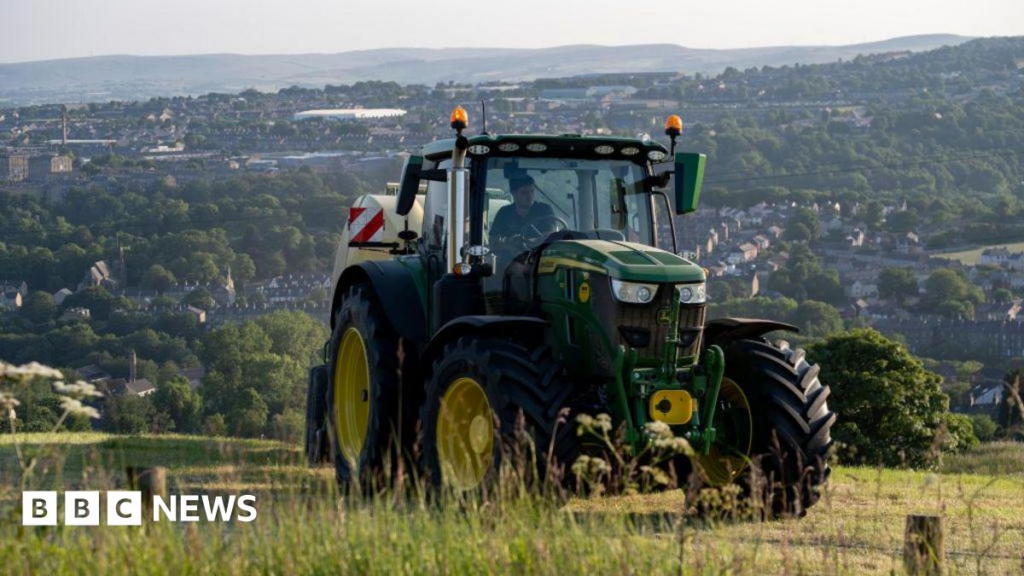
In response to the farm inheritance tax proposals, farmers across the UK have mobilized protests, articulating their dissatisfaction with the government’s plans. These demonstrations, characterized by a ‘go-slow’ approach, highlight the urgency felt within the agricultural community regarding policies that could jeopardize their livelihoods. Farmers argue that these changes, coupled with the burden of existing UK farming taxes, threaten to dismantle decades of hard work and dedication within their families.
The farming protest movements signify not only pushback against the farm inheritance tax but also a broader discontent towards how agricultural policy is shaped and implemented. Many farmers are concerned about the disconnect between lawmakers and the realities faced on the ground. The protests underscore a desire for more equitable solutions that address the unique challenges the farming industry faces, rather than adding layers of taxation that many perceive as punitive.
Navigating the Complexities of Agricultural Estate Tax
The proposed agricultural estate tax, as part of the broader farm inheritance tax framework, raises critical questions regarding its implementation and fairness. Advocates argue that such taxes are necessary for generating public revenue, while critics contend that they disproportionately affect smaller family farms. The complexities of evaluating agricultural estates for tax purposes introduce particular challenges, especially when considering the diverse types of land and businesses encompassed within the farming sector.
Moreover, the intersection of agricultural estate tax and existing UK farming taxes complicates financial planning for farmers. With potential liabilities increasing due to new taxation measures, farmers must navigate a landscape that requires careful consideration of asset management and financial sustainability. Many in the industry urge policymakers to adopt a more nuanced understanding of agricultural economics to protect family farms from the adverse effects of taxation.
Government’s Rationale: Balancing Fairness and Revenue
In defending the farm inheritance tax proposals, the government argues that taxing inherited farmland is a fair method of raising funds for essential public services. Treasury minister James Murray asserts that the government’s approach offers substantial tax reliefs, ensuring that many family farms remain safeguarded. The stated goal is to establish a balanced system that protects small farmers while also contributing to the public good, an objective that the government believes justifies the imposition of this tax.
However, this stance has not been universally accepted, as opposition voices within the Labour party and the farming community express skepticism over the government’s ability to maintain this balance. Proponents of farm inheritance tax stress that revenue generation should not come at the cost of dismantling rural livelihoods. The ongoing discussions and debates may shape future revisions of the tax proposals, ideally leading to a more equitable solution that addresses the concerns raised by stakeholders across the agricultural sector.
Alternative Strategies for Supporting Family Farms
As the debates surrounding farm inheritance tax continue to evolve, many stakeholders advocate for alternative strategies that could provide relief to family farms without the burdensome taxation. Solutions may include enhancing tax incentives for small farmers, investing in agricultural education and support programs, and promoting sustainable farming practices that ensure long-term viability. Such strategies could foster resilience within the farming community, allowing family farms to thrive while contributing positively to the economy.
Innovative policies such as grants or subsidies tailored towards helping family farms upgrade equipment, adopt new technologies, or transition to sustainable practices may yield significant benefits. Ultimately, engaging with farmers to understand their needs and challenges will be critical in formulating effective support systems. By focusing on collaborative solutions rather than imposing additional taxes, policymakers can help preserve the integrity of family farms while financing necessary public services.
The Future Landscape of UK Farming Post-Taxation
The potential impacts of the farm inheritance tax on the future landscape of UK farming are profound. As the possibility of inheritance tax becomes more pronounced, the agricultural sector stands on the brink of significant transformation. The fear is that a substantial number of family farms may cease to exist in their current form, leading to further consolidation within the industry, where larger agricultural enterprises absorb smaller farms, effectively dissolving the traditional family-run operations that have defined British agriculture for centuries.
In this context, the need for strategic planning becomes paramount not only for farmers but also for government officials. Continuous dialogue between the farming community and policymakers is essential to navigate these upcoming changes effectively. The future of UK farming hinges on striking a balance between necessary tax policies and protecting family legacies that have been nurtured for generations, ensuring that the rural landscape remains vibrant and diverse.
Frequently Asked Questions
What impact will the farm inheritance tax proposals have on family farms in the UK?
The proposed farm inheritance tax could significantly impact family farms, especially those valued over £1 million, as it aims to tax inherited agricultural assets at a rate of 20%. This change has raised concerns among farmers and Labour MPs about its potential to devastate family-owned operations that often operate on thin margins.
Why are Labour MPs opposing the farm inheritance tax proposals?
Many Labour MPs oppose the farm inheritance tax proposals due to fears that they will harm family farms. Some MPs, like Markus Campbell-Savours, argue that these taxes could devastate the agricultural landscape, contradicting promises made to constituents regarding tax relief.
How does the agricultural estate tax affect small family farms?
The agricultural estate tax, aimed at assets valued above £1 million, is designed to maintain protections for smaller family farms through standard reliefs up to £500,000 per person. However, many farmers worry that even with these protections, the burden of the tax could threaten the viability of their operations.
What changes are being proposed regarding the inheritance tax proposal for UK farmers?
The government proposes to implement a 20% inheritance tax on agricultural estates valued over £1 million, reversing long-standing tax relief since the 1980s. This change is expected to generate significant revenue but faces backlash from farmers concerned about the impacts on family farms.
What are farmers doing in response to the inheritance tax proposals?
In response to the inheritance tax proposals, farmers across the UK organized protests, including a ‘go-slow’ demonstration, to express their dissatisfaction and urgency regarding the potential financial implications on their farms and livelihoods.
Are there any exemptions or reliefs offered under the new farm inheritance tax proposals?
Yes, the recent Budget included a concession allowing any unused portion of the £1 million inheritance tax allowance to be transferred between spouses and civil partners, which aims to lessen the overall tax burden on family farms.
What are the expected outcomes of implementing the farm inheritance tax?
The implementation of the farm inheritance tax is expected to raise approximately £520 million annually by 2029, but it remains divisive among farmers, MPs, and the public, with many voicing concerns over its fairness and impact on family farms.
How does the government justify the farm inheritance tax proposals?
The government justifies the farm inheritance tax proposals by arguing that they represent a fair method for raising funds for public services, suggesting that the current tax relief is inequitable and that the new measures will protect smaller farms.
What have Labour MPs indicated regarding trust and the inheritance tax proposal?
Labour MPs, such as Samantha Niblett, have expressed that the party has ‘lost trust’ among farmers due to its stance on the inheritance tax proposals, suggesting that new policies contradict previous commitments and promises made to the agricultural community.
What is the significance of the recent vote on farm inheritance tax proposals in Parliament?
The recent vote in Parliament, approving the farm inheritance tax proposals by a margin of 327 to 182, highlights significant division within the Labour Party, as the abstention of over 80 MPs signals internal conflicts regarding agricultural policies and their future implications.
| Key Points | Details |
|---|---|
| Concerns Raised | Rural Labour MPs express concerns over proposed farm inheritance tax. |
| Protests | Farmers protested against changes during last week’s Budget. |
| Inheritance Tax Proposal | Labour proposes taxing inherited agricultural assets valued over £1 million at 20%. |
| Financial Impact | The proposal could generate £520 million annually by 2029. |
| Vote Dynamics | 327 approved the proposal, while 84 Labour MPs abstained. |
| Public Sentiment | The National Farmers Union opposes the changes, stating they could lead to the disintegration of family farms. |
| Government Justification | The government claims that the current relief is inequitable and that some family farms will remain protected. |
| Response from Labour Members | Several Labour MPs expressed dissatisfaction, stating it undermines trust amongst farmers. |
Summary
Farm inheritance tax is a contentious issue that has stirred significant concerns among rural MPs and farmers alike. The Labour party’s recent proposals to impose taxes on inherited farmland valued over £1 million have led to protests and a notable abstention from key votes by numerous party members. Farmers fear the impact these changes could have on family farms, potentially jeopardizing their livelihoods. Despite government assurances that the tax structure will protect smaller family operations, many in the agrarian community remain skeptical, reinforcing the need for dialogue and understanding around farm inheritance tax changes moving forward.