Listen to this article
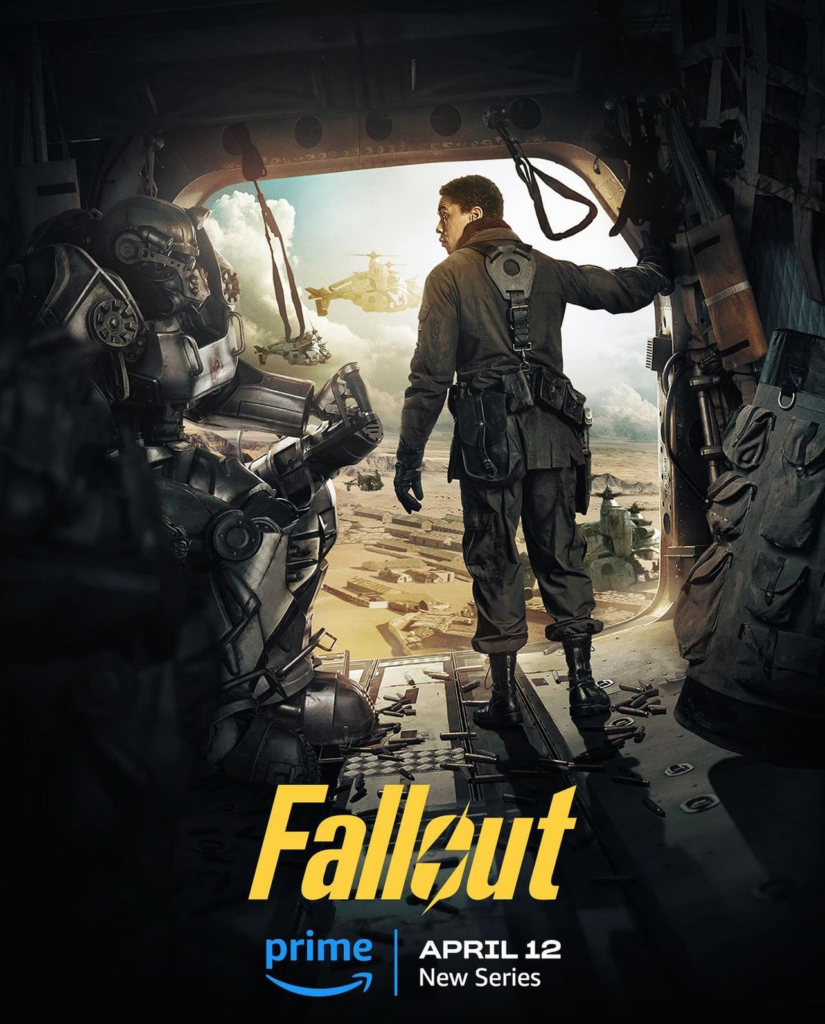
The Fallout series has captivated audiences with its immersive, post-apocalyptic narratives since its inception. Set in a world irrevocably altered by nuclear war, this adaptation of the beloved role-playing game dives deep into the intricacies of survival amidst chaos. Justin Theroux, the star of the hit Fallout TV show, describes the allure of such scenarios, stating, “They’re possible.” As viewers tune in, they are drawn into a rich tapestry of character-driven stories that blend comedy, drama, and a touch of nostalgia. With the second season premiering soon, fans are eager to see how the Fallout adaptation continues to explore the depths of human resilience and folly in a devastated landscape.
The Fallout franchise represents a unique realm of storytelling within the genre of post-apocalyptic fiction, where the remnants of civilization grapple with the aftermath of nuclear devastation. Its latest television incarnation, featuring talents like Justin Theroux, not only brings to life the essence of the original games but also explores complex themes through its well-crafted characters. These narratives often tap into the audience’s fascination with survival tactics and moral dilemmas faced in a dystopian setting. The engaging blend of humor and heartfelt moments adds a compelling layer to the viewing experience, ensuring that the Fallout series stands out in the crowded landscape of nuclear war TV series. As this gripping saga unfolds, viewers are invited to reflect on their own lives and choices in the face of overwhelming adversity.
The Allure of Post-Apocalyptic Stories
Post-apocalyptic narratives have fascinated audiences for decades, tapping into our primal fears and curiosities. Justin Theroux, a prominent star of the Fallout series, articulates this phenomenon perfectly when he describes these stories as ‘captivating because they’re possible.’ The unforgettable human experience, coupled with the devastating implications of nuclear war, forms the core of many post-apocalyptic tales. Their potential to emerge from real-world anxieties about technology and warfare resonates deeply, making these stories both profound and accessible.
As we delve into the themes present in post-apocalyptic stories, it’s evident why they continue to captivate viewers. They challenge the status quo, forcing characters and audiences alike to confront questions about survival, morality, and the essence of humanity. In the context of the Fallout adaptation, these elements are intertwined with humor and complex characters, creating a unique narrative structure. This balance fosters a connection with viewers, urging them to not only comprehend the challenges faced in a nuclear wasteland but also to reflect on their own values and decisions in times of crisis.
Fallout Series: A Unique Adaptation
The Fallout series stands out as a riveting television adaptation of the beloved role-playing game franchise. Taking place 200 years after a catastrophic nuclear war, the show invites viewers to explore a haunting yet fascinating wasteland. The storytelling carries a depth that respects the source material while enhancing it with fresh perspectives from its talented cast and crew. Justin Theroux, embodying the cunning character of Robert House, emphasizes the appeal of the show’s post-apocalyptic environment—a world familiar yet creatively reimagined.
Moreover, the show’s adaptation captures the essence of the game while offering a visually stunning and thematically rich experience. With characters like Lucy MacLean, played by Ella Purnell, sharing the journey of survival within this fragmented world, viewers receive a heartfelt portrayal of resilience. As Theroux and Purnell beautifully articulate, the blend of comedy, drama, and engaging narratives in such a bleak setting adds a captivating layer to the Fallout adaptation, attractive to both fans of the series and newcomers alike.
Character Depth in Fallout
One of the strongest attributes of the Fallout series is its character development, a sentiment echoed by Kyle MacLachlan, who plays Hank MacLean. He acknowledges the complexity and richness of the narrative, which offers multi-dimensional characters that audiences can root for and relate to. Each character’s struggles and motivations are carefully crafted, allowing for deep emotional engagement that enhances the overall viewing experience. This depth is critical for a story that unfolds in a post-nuclear landscape, where individual stories intertwine to reflect the collective impact of the catastrophe.
The creators’ dedication to honoring the original game shines through in their portrayal of these characters. They lend an element of credibility to the Fallout universe, inviting exploration into their backgrounds, relationships, and the choices they must make for survival. Kyle’s assertion that viewers wonder ‘what would I do in this situation?’ underlines a central appeal of the series—the relatability of characters navigating extreme circumstances. This connection between character arcs and the audience promises a layered viewing experience that adds to the overall success of the show.
Music and Visual Aesthetics of Fallout
The Fallout series distinguishes itself not only through its narrative but also its remarkable visual and auditory aesthetics. Ella Purnell highlights the retro-futuristic vibe of the show, which uniquely captures the essence of a world lost to nuclear devastation. The design elements, informed by the game’s rich lore, create a visually striking backdrop for the characters’ journeys. This attention to detail immerses viewers in a world that feels both authentic and imaginative, further enhancing the storytelling experience.
In addition to visuals, the series’ soundtrack plays a pivotal role in establishing its tone. With a blend of iconic music that resonates with nostalgia and contemporary sounds, the auditory landscape of Fallout enriches the viewer’s engagement. This combination of music and visual storytelling not only respects the roots of the game but also invites a new audience to appreciate the rich layers of conflict, hope, and humor that saturate the adaptation. The harmonious integration of these elements ensures that the Fallout series is not only a visual treat but also an auditory experience that leaves a lasting impression.
Examining Nuclear War in Fallout
The theme of nuclear war serves as a haunting backdrop for the Fallout series, underpinning the entire narrative landscape. The show, following the events of a devastating nuclear conflict, explores human resilience in the face of profound destruction. Justin Theroux’s reflection on the existence of nuclear weapons and humanity’s reliance on rational decision-making to prevent their use underscores the show’s philosophical depth. By engaging with such heavy themes, the series invites a critical examination of the consequences of technology and warfare—a relevant discourse in today’s world.
Moreover, the concept of living in a post-apocalyptic environment empowers characters to navigate their circumstances, ultimately asking crucial questions about humanity’s future. Through the journey of characters like Lucy and Robert House, the narrative illustrates not just survival, but the quest for meaning within a fractured society. Fallout manages to address these complex issues without becoming overly grim; the irony and humor present in the dialogue and interactions provide a compelling counterbalance to the bleak setting.
The Future of Fallout on Television
As anticipation builds for the second season of the Fallout series, fans are eager to see how the storyline will evolve. Set to premiere on Amazon Prime, the upcoming episodes promise to delve deeper into the characters’ arcs and the broader implications of a nuclear-ruined world. With the success of the first season, the show’s creators face the exciting challenge of honoring the original game’s legacy while expanding its narrative reach. Engaging storytelling and well-developed characters lay the groundwork for an intriguing future.
The show’s renewal reflects a growing trend in adapting video game franchises for television, signaling a shift in how such properties are perceived. The ongoing interest in post-apocalyptic narratives and the Fallout adaptation suggests a vibrant future for this genre on screen. By combining captivating character development with the richly constructed universe of Fallout, the series is well-positioned to continue captivating its audience and exploring intricate themes that resonate in today’s world.
Justin Theroux’s Connection to Fallout
Justin Theroux’s involvement in the Fallout adaptation is notable not only due to his acting prowess but also for his personal connection to the franchise. Having played the original Fallout game in 1997, he brings an authentic passion to his role as Robert House. This personal investment is crucial for portraying a character with such layers of complexity, shaped by a world irrevocably altered by nuclear war. His preparation, including hours of exploring gameplay online, exemplifies the lengths to which actors will go to embody their characters authentically.
Furthermore, Theroux’s insights into the narrative reflect a deep understanding of the themes central to Fallout. His candid remarks about survival within the game’s context resonate beyond mere entertainment, inviting discussions about real-world implications of nuclear conflict. By sharing his journey in connecting with the character and game’s legacy, Theroux enriches the viewing experience, allowing both fans and new audiences to appreciate the depth of the narrative and the potential for resonant storytelling in post-apocalyptic frameworks.
Ella Purnell’s Role and Impact in Fallout
As the lead actress in the Fallout series, Ella Purnell’s portrayal of Lucy MacLean plays a crucial role in shaping the show’s identity. Raised in a vault, Lucy embodies the struggle of adapting to a world marked by chaos and uncertainty following a nuclear war. Purnell’s performance captures the essence of an individual navigating this tumultuous existence, imbuing Lucy with resilience and authenticity. Her observations about the show’s success highlight the collaborative effort among the cast and crew to produce a narrative that resonates with audiences.
Purnell also notes the unique tone of Fallout, which combines elements of comedy and drama. By striking this balance, the series avoids the pitfalls of being overly bleak, making it accessible and engaging for a wide audience. This approach not only honors the source material but also enhances the characters’ journeys as they confront the absurdities of their post-apocalyptic world. Through her role, Ella Purnell helps to establish a connection between viewers and the narrative, reinforcing the notion that even in desolation, stories of humanity, laughter, and heart can prevail.
The Narrative Structure of Fallout
The narrative structure of the Fallout series intricately weaves the stories of its main characters, including Lucy and Robert. This multifaceted storytelling allows for a rich exploration of diverse themes—survival, morality, and the impact of past choices—set against the backdrop of a nuclear wasteland. By encompassing various viewpoints, the show enhances its depth, engaging viewers in a layered experience that reflects the complexities of life following apocalyptic devastation. Each character’s journey is interlaced, presenting a comprehensive portrait of a world navigating the fallout of nuclear conflict.
Furthermore, the series draws from the interactive nature of the original game, where players navigate choices that lead to various outcomes. This concept translates thoughtfully into the show, inviting audiences to reflect on their decisions and moral dilemmas faced by characters. By crafting a narrative that challenges viewers to think critically, Fallout emerges as more than mere entertainment—it’s an ode to the resilience of the human spirit within a universe forever altered by war. The intricate narrative becomes a vehicle for exploring broader societal issues while retaining a captivating and entertaining format.
Frequently Asked Questions
What is the Fallout series and what makes it a popular post-apocalyptic story?
The Fallout series is a beloved franchise consisting of video games, novels, and a TV show that explores a post-apocalyptic world following a nuclear war. Its popularity stems from compelling storytelling, immersive gameplay, and rich character development. The recent Fallout adaptation for television further amplifies its reach, engaging both longtime fans and new viewers by showcasing the devastating yet fascinating fallout of nuclear warfare.
Who stars in the Fallout TV show and what roles do they play?
The Fallout TV show features Justin Theroux as Robert House, the ruler of New Vegas, and Ella Purnell as Lucy MacLean, a vault dweller raised underground. Additionally, Kyle MacLachlan plays Hank MacLean, Lucy’s father and overseer of the vault. Their performances bring depth to the series and connect the narratives to the classic Fallout themes.
What is the significance of the setting in the Fallout adaptation on the TV show?
The setting of the Fallout adaptation is crucial, as it takes place 200 years after a nuclear war, creating a wasteland filled with challenges and unique factions. This backdrop not only serves as a visual aesthetic but also enhances the narrative by posing moral questions about survival and the human condition in a post-apocalyptic world.
How does the Fallout TV series honor the original games?
The Fallout TV series honors the original games through collaborative efforts among passionate writers and creators who strive to maintain the integrity of the Fallout universe. The series captures the complex and engaging narrative elements, character development, and retro-futuristic vibes that fans have come to love, ensuring a faithful representation of the rich lore.
Why do fans find the post-apocalyptic stories in Fallout captivating?
Fans find the post-apocalyptic stories in Fallout captivating due to their plausibility in a world where nuclear weapons exist. The series invites viewers to reflect on real-world implications while offering a unique blend of comedy, drama, and heart. Elements like moral dilemmas and survival instincts resonate deeply, creating a compelling viewing experience.
When does the second season of the Fallout TV series premiere?
The second season of the Fallout TV series is set to premiere on December 17 in the UK on Amazon Prime. Fans eagerly await this continuation of the post-apocalyptic story, eager to see how the characters navigate the challenges of their devastated world.
What themes are explored in the Fallout adaptation of the post-apocalyptic story?
The Fallout adaptation explores themes of survival, trust, and the complexities of human relationships amid chaos. With a balance of comedy and drama, the series sheds light on what it means to endure in a world ravaged by nuclear war, while also engaging with the ethical implications of power and governance that arise in a post-apocalyptic landscape.
| Key Point | Details |
|---|---|
| Post-Apocalyptic Appeal | Justin Theroux finds post-apocalyptic stories captivating due to their plausibility. |
| Setting | The show takes place 200 years after a nuclear war, creating a devastated world for players. |
| Character Focus | The series intertwines the stories of Lucy, Robert, and Hank navigating survival in a ravaged world. |
| Tone and Success | Ella Purnell attributes the show’s success to its mix of comedy, drama, and heart, along with its visual aesthetic. |
| Immersion in Fallout Universe | Kyle MacLachlan highlights the richness and depth of the Fallout universe contributing to viewer engagement. |
| Player Engagement | The narrative challenges viewers to consider what they would do in similar survival situations, enhancing engagement. |
| Release Information | The second season is set to premiere in the UK on December 17 on Amazon Prime. |
Summary
The Fallout series captivates audiences with its intricate storytelling set in a post-apocalyptic world, where characters navigate the harsh realities of survival. With strong performances from its cast, particularly from Justin Theroux and Ella Purnell, the show balances an engaging tone, intertwining moments of comedy, drama, and heartfelt interactions. The creators’ dedication to honoring the original game while bringing depth to the narrative has resonated with fans, ensuring that the series remains a resonant adaptation of the beloved Fallout universe.