
Listen to this article
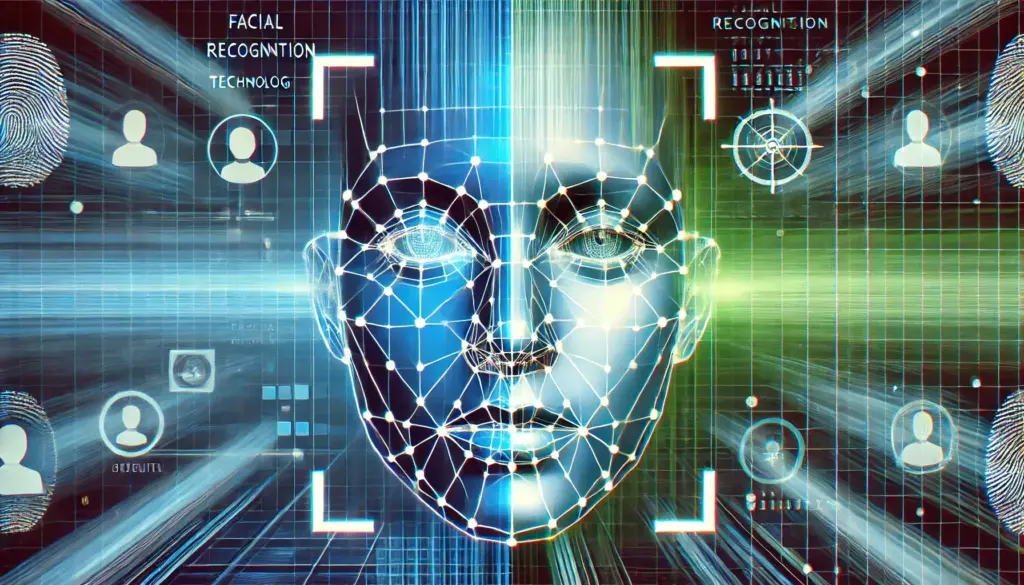
Facial recognition technology is rapidly becoming a focal point in discussions around modern policing and surveillance. The Metropolitan Police’s recent decision to pilot this AI-driven innovation, backed by Mayor Sadiq Khan, involves 100 officers using advanced identity checks on the streets for six months. This move has raised eyebrows, invoking privacy concerns related to facial recognition as critics argue that the deployment could infringe on individual liberties. Advocates of this technology, however, highlight its potential to enhance public safety and streamline policing processes. As the conversation unfolds, it’s crucial for stakeholders to address the balance between leveraging AI in policing and safeguarding citizens’ rights.
The embrace of biometric identification systems, particularly through the use of automated visual scanning, is reshaping the landscape of law enforcement techniques. Recently announced by city officials, this initiative aims to utilize cutting-edge scanning technology for real-time identification of individuals in public spaces. While supporters tout the advantages of efficiency and crime prevention afforded by these innovations, significant reservations regarding privacy and the accuracy of AI in law enforcement persist. Discourse surrounding the deployment of such tools emphasizes the need for stringent oversight and regulation to ensure that citizens’ rights remain protected amidst these advancements.
Understanding Facial Recognition Technology in Policing
Facial recognition technology is rapidly evolving, with applications being considered across various sectors, including security and law enforcement. In the context of policing, facial recognition systems allow officers to identify individuals against a database of known faces, significantly impacting crime prevention efforts. With a pilot program initiated by the Metropolitan Police, 100 officers will soon employ this technology during their everyday duties to hear and act on public concerns.
While proponents argue that facial recognition can enhance public safety and streamline police work, many critics express serious reservations. The technology, particularly in the case of AI in policing, raises significant questions about privacy and the potential for abuse. For example, individuals flagged inaccurately through this system can face false accusations, which aggravates the ongoing debate about the ethical and lawful deployment of facial recognition tools.
The Impact of AI in Policing: A Double-Edged Sword
AI integration into policing, particularly through facial recognition technologies, has the potential to revolutionize law enforcement. With capabilities such as real-time identity verification, the police can swiftly apprehend suspects and maintain public safety more effectively than ever before. However, this technological advance comes with inherent risks, notably the threat to civil liberties and the heightened potential for racial profiling.
Supporters, including key officials like Sadiq Khan, claim that AI enhances police efficiency and effectiveness. However, the public’s concern about privacy and data protection is legitimate, especially when misinformation or technical errors can lead to wrongful identification. This dichotomy illustrates how AI, while offering innovative solutions, can simultaneously propagate gravely concerning issues related to individual rights.
Privacy Concerns Surrounding Facial Recognition Technology
The introduction of facial recognition technology in policing raises significant privacy concerns that cannot be overlooked. Critics argue that continuous monitoring and identification of individuals without consent infringe upon civil liberties. As police forces begin to implement these technologies more widely, such as through the pilot program announced by Sadiq Khan, dissent grows over the lack of transparency and accountability in their use.
Additionally, the fear of constant surveillance permeates society, causing anxiety for those who worry about being misidentified or wrongfully implicated in crimes. The data reveals troubling patterns, such as racial disparities in false positives, which can lead to real psychological harm and a sense of injustice among marginalized communities. Thus, it is crucial to establish stringent guidelines and oversight to regulate the use of facial recognition technologies in law enforcement.
Sadiq Khan’s Response to Facial Recognition Pilot Criticism
In light of the escalating discourse surrounding the deployment of facial recognition technology by the Metropolitan Police, Mayor Sadiq Khan has staunchly defended it as a necessary tool for modern policing. During recent discussions, Khan emphasized the technology’s potential to mitigate crime, asserting it could streamline identity verification during police stops. He maintained that the initiative aims to enhance safety while trying to maintain appropriate boundaries.
However, criticisms from various public representatives highlight a growing unease around the expansion of police powers with tools easier to abuse. Lawmakers like Zoë Garbett challenge the rationale behind applying this technology without a strong legal framework governing its use. The crux of the issue remains balancing effective crime-fighting strategies with the fundamental right to privacy and civil liberties.
Facial Recognition Pilot Programs and Their Outcomes
Pilot programs for facial recognition have emerged as a focal point for law enforcement agencies in their quest for increased efficiency and effectiveness. The Metropolitan Police’s latest trial seeks to assess the viability of real-time identity checks through portable technologies, which is part of a broader trend witnessed across various police departments. Such programs are touted as valuable tools that have the potential to increase the number of apprehended criminals, thereby increasing public safety.
Despite the claims of success, the outcomes of these pilots often involve contentious debates about the technology’s inherent flaws. Reports of wrongful arrests, such as the case of a man misidentified over 100 miles from his actual location, highlight the critical risks that accompany these advancements. Policymakers and community advocates are urging more rigorous oversight to ensure that any future deployment is just and safeguards the rights of all citizens.
Addressing the Need for Regulatory Frameworks
As facial recognition technology expands in policing, the call for defined regulatory frameworks has never been more urgent. With the recent announcement of trials utilizing such technologies in on-the-ground applications, advocates argue that clear guidelines are necessary to mitigate risks of misuse and enhance public trust. Organizations, including the Equality and Human Rights Commission, stress that without stringent oversight, the technology could lead to significant civil rights violations.
Establishing a solid legal framework would not only protect individuals’ rights but also delineate the acceptable parameters within which law enforcement can operate. As community concern mounts regarding surveillance and privacy issues, balancing technology advancements with civil liberties will remain a pivotal challenge that authorities must address.
The Technological Evolution of Policing Tools
The integration of advanced technologies into policing practices represents an evolutionary shift towards more efficient law enforcement. The introduction of AI-driven facial recognition systems enhances the capabilities of police officers, allowing them to make quicker decisions during critical moments. This evolution is reflected in the Met’s ongoing pilot which seeks to utilize consumer-like smartphone technology for policing.
However, this technological evolution also requires careful evaluation of its implications. As law enforcement agencies leverage new tools, ongoing assessments are critical in understanding their societal impacts. Previous implementations of facial recognition have yielded mixed results, often sparking discussions about societal biases and the ethical use of emerging technologies.
Public Perception of Facial Recognition Technology
The public’s perception of facial recognition technology is a complex tapestry woven from concerns about privacy, safety, and trust in law enforcement. Although many individuals recognize the potential benefits of these technologies in preventing crime, there is an equally significant contingent of the population that fears intrusive surveillance and loss of personal freedoms. The Met’s pilot program has brought these issues to the forefront, igniting debates about whether the advantages truly outweigh the drawbacks.
Campaigners argue that the deployment of facial recognition exacerbates feelings of distrust between citizens and police. Many citizens feel uneasy about being monitored without their consent, fearing erroneous identification could lead to unwarranted police encounters. This dissonance illustrates the need for open dialogue between lawmakers, police departments, and the communities they serve to find common ground on the use of these advanced technologies.
Improving Accuracy in Facial Recognition Systems
One of the major challenges facing facial recognition technology is ensuring high accuracy rates to avoid incidents of wrongful identification. As evidenced in reports from other regions, the technology has fallen short in accurately identifying individuals, particularly among various demographic groups. This has led to significant concerns regarding the impacts of these inaccuracies on lives, especially for those unfairly targeted by law enforcement.
Continuous advancements in the algorithms and data quality utilized in these systems are essential to improve accuracy. Engaging with communities and stakeholders can also help in evaluating and addressing gaps in system performance, thereby minimizing instances of misidentification. As the technology becomes more prevalent, a commitment to improving accuracy will be paramount to gaining public trust and ensuring just police practices.
Frequently Asked Questions
What is the role of facial recognition technology in police use?
Facial recognition technology plays a significant role in police use by allowing officers to verify identities during encounters. In a recent pilot, 100 Metropolitan police officers will utilize this technology to scan citizens’ faces, enhancing their ability to identify individuals suspected of crimes or needing assistance. However, this technology has sparked debates regarding privacy and effectiveness.
How is AI in policing being implemented with facial recognition technology?
AI in policing is increasingly implemented through facial recognition technology that enables officers to identify individuals by scanning their faces against databases. The Metropolitan Police’s pilot project exemplifies this use, allowing officers to confirm identities during stops. Critics are concerned about the implications for civil liberties and the potential for errors.
What are the privacy concerns related to facial recognition technology in the police force?
Privacy concerns regarding facial recognition technology in police forces center on potential misuse and lack of oversight. Critics argue that its deployment can infringe on individuals’ rights, as it allows officers to scan and identify citizens without prior consent, leading to fears of surveillance and misidentification, ultimately altering the relationship between the police and the public.
What can we expect from the upcoming facial recognition pilot by the Metropolitan Police?
The upcoming facial recognition pilot by the Metropolitan Police will see officers using new roaming technology to perform identity checks over the next six months. This pilot aims to streamline identity verification during police interactions but has raised concerns about privacy and the accuracy of facial recognition systems, highlighting the need for robust oversight.
What has Sadiq Khan said about the use of facial recognition technology in policing?
Sadiq Khan, the Mayor of London, has endorsed the use of facial recognition technology in policing, citing its potential to enhance public safety and assist in catching criminals. He believes that using these devices can prevent unnecessary arrests by confirming identities quickly. Opponents, however, warn of the privacy implications and potential for false identifications.
How accurate is facial recognition technology used by police and what are its implications?
The accuracy of facial recognition technology used by police can vary, with studies showing significant false positive rates, especially among certain demographic groups. These inaccuracies can lead to wrongful arrests and deepen existing biases in law enforcement. Therefore, advocates call for a strong legal framework to mitigate these risks while utilizing the beneficial aspects of the technology.
What did the Equality and Human Rights Commission say about facial recognition technology in policing?
The Equality and Human Rights Commission has expressed the need for an independent regulatory body to oversee the use of facial recognition technology in policing. They emphasize the risks of inaccuracies and the resulting potential for racial disparities in false identifications, highlighting the necessity for clear legal guidelines to protect individuals’ rights.
| Key Point | Details |
|---|---|
| Pilot Program | The Metropolitan Police will initiate a six-month pilot program using facial recognition technology across 100 officers. |
| Public Concerns | Opposition figures, including Green Party member Zoë Garbett, describe the technology as ‘alarming’ due to potential misuse and lack of oversight. |
| Current Use of Technology | Facial recognition is already deployed in fixed locations using cameras; the pilot expands this to roaming technologies. |
| Previous Issues | Reports of false identification, including a wrongful arrest through facial recognition, raise concerns about accuracy and fairness of the technology. |
| Legal Framework Calls | The Equality and Human Rights Commission calls for independent oversight to regulate facial recognition use to prevent human rights infringements. |
| Future Expansions | Mayor Sadiq Khan suggests potential expansions of facial recognition technology in policing for crime prevention. |
Summary
Facial recognition technology is becoming an integral part of policing strategies in London as the Metropolitan Police prepares to pilot its use among officers. This initiative, supported by Mayor Sadiq Khan, has sparked significant controversy due to concerns about privacy and the potential for misuse, highlighting the need for clear regulations. With the advancing capabilities of AI in law enforcement, the balance between enhancing public safety and protecting individual rights will be a critical discussion in the upcoming months.