
Listen to this article
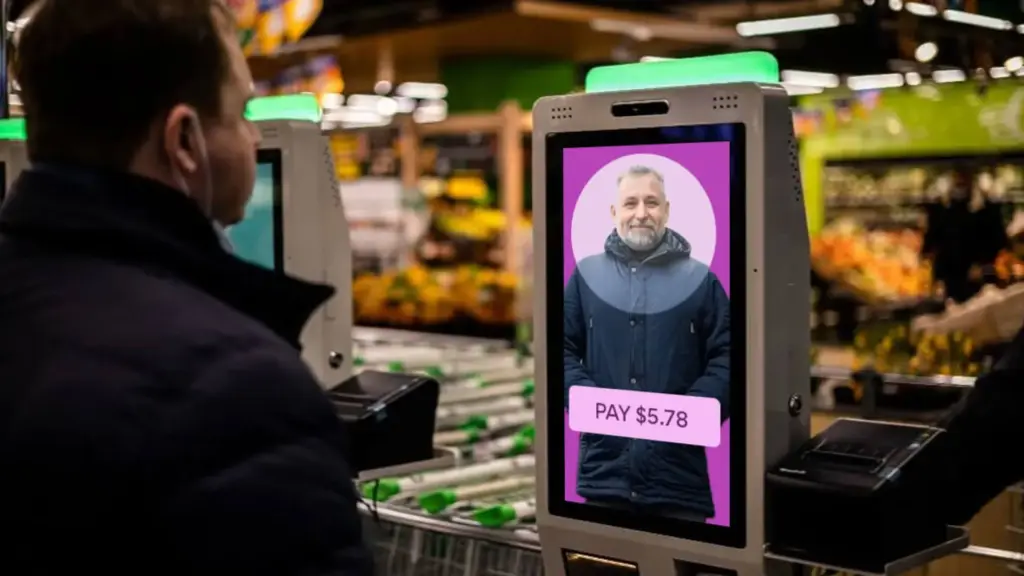
Facial recognition technology in supermarkets is rapidly becoming a double-edged sword, promising enhanced security while raising significant privacy concerns. Recent incidents, such as the controversy surrounding Sainsbury’s use of the Facewatch system, highlight the potential for misuse and the implications of being misidentified as a criminal. Customers like Warren Rajah have shared alarming experiences where they felt wrongfully targeted, sparking debates about the ethical use of supermarket security technology. Issues like the reliability and accuracy of facial recognition, alongside fears of pervasive surveillance, have made shoppers wary of these advancements. As we continue to embrace technology in retail, it is crucial to balance safety with respecting individual rights and privacy in our shopping environments.
The implementation of biometric recognition systems in retail establishments, such as supermarkets, has transformed how businesses approach security and customer identification. These systems, often referred to as security surveillance technology, can enhance safety but also come with worrying implications for user privacy and data management. Instances like the recent Sainsbury’s facial misidentification incident have brought to light the shortcomings and risks associated with automated identification technologies. As retailers increasingly rely on such innovations, discussions around the ethical ramifications and potential face recognition misuse have intensified. The dialogue surrounding these developments emphasizes the need for transparent policies and the protection of consumer rights amidst technological progress.
Exploring Facial Recognition Technology in Supermarkets
Facial recognition technology in supermarkets has emerged as a controversial yet increasingly prevalent measure for enhancing security and loss prevention. Retail giants, like Sainsbury’s, are integrating this advanced technology to identify potential shoplifters and ensure a safer shopping environment. However, the deployment of such systems raises significant ethical issues, particularly concerning the accuracy of the technology and the implications for customers’ privacy rights. Instances of misidentification underscore these concerns, as seen in the recent incident involving Mr. Warren Rajah, who was wrongfully flagged as a suspect by supermarket staff, leading to distressing consequences.
The implementation of facial recognition technology must be balanced against the backdrop of public trust and acceptance. Consumers are becoming increasingly wary of surveillance and monitoring practices, especially when they are implemented without transparent protocols. The technology’s potential misuse, as highlighted by Mr. Rajah’s experience with Sainsbury’s, not only raises alarms about personal privacy but also challenges the effectiveness of such systems. Questions regarding data storage and retention are paramount; customers deserve assurance that their images and personal information will be safeguarded and not manipulated without consent.
Privacy Concerns Surrounding Facial Recognition Misuse
Privacy concerns surrounding facial recognition technology are profound and necessitate rigorous scrutiny. As seen with Mr. Rajah’s incident, customers can find themselves unjustly accused based on inaccuracies in the system, leading to emotional distress and a sense of injustice. This has sparked widespread debates on the ethical implications of collecting biometric data and the lack of accountability when errors occur. Retailers must address these privacy concerns head-on and implement safeguards to protect individuals from misuse, as the fallout from mistaken identity goes beyond mere inconvenience—it can affect one’s reputation and mental well-being.
Moreover, the potential for facial recognition misuse extends to vulnerable populations who may not possess the skills to challenge wrongful accusations effectively. Individuals with learning disabilities or those unfamiliar with the technology could find themselves caught in a web of confusion and humiliation. Retailers like Sainsbury’s must consider the human impact of their security measures and strive to create accessible processes for all customers. There is a pressing need for clear guidelines that dictate how such technology is deployed, ensuring that consumer rights are prioritized alongside security objectives.
The Impact of Sainsbury’s Facial Recognition Incident
The unsettling incident involving Sainsbury’s highlights significant flaws in current supermarket security technology and raises questions about employee training in handling sensitive situations. Mr. Rajah’s experience serves as a stark example of how reliance on technology can backfire, resulting in public backlash against the retailer. It’s evident that while facial recognition can offer benefits in terms of theft prevention, the human element remains vital in interpreting and reacting to machine-generated alerts. Supermarkets must invest in comprehensive training for their staff to navigate potential pitfalls arising from such technology.
Additionally, the public response to the Sainsbury’s incident reflects broader societal concerns regarding surveillance practices. Customers may feel uneasy knowing that their movements are being tracked and their identities are scrutinized as they shop. As supermarkets integrate facial recognition systems, they must cultivate a transparent relationship with consumers, clearly communicating the purpose, functionality, and limitations of these technologies. By prioritizing transparency and addressing the public’s fears, retailers can mitigate against reputational damage and foster a more trusting shopping environment.
Navigating Data Protection in Supermarket Surveillance
Data protection in the context of supermarket surveillance, particularly with facial recognition technology, is a pressing concern that requires rigorous oversight and compliance with existing regulations. Companies like Facewatch must maintain transparent data practices to build consumer trust. The incident with Mr. Rajah illustrates the importance of having clear protocols governing how data is collected, stored, and deleted. As customers submit their personal information to challenge wrongful accusations, they deserve assurances that their data will be handled responsibly, eliminating fears of misuse.
Furthermore, the conversation surrounding data protection must extend to how retailers manage their partnerships with technology providers. There should be clear accountability regarding data handling practices, ensuring that third-party firms comply with data protection laws. Sainsbury’s and companies like Facewatch must work hand in hand to implement robust data management strategies that prioritize consumer rights and address the potential for misuse of collected facial recognition data. Only through transparency and vigilance can retailers hope to navigate the challenges posed by modern surveillance technologies.
The Role of Technology in Enhancing Supermarket Security
The integration of facial recognition technology in supermarkets is primarily aimed at bolstering security measures against theft and other criminal activities. This technology allows for the rapid identification of individuals who may pose a risk based on previous actions, enabling stores to react swiftly. However, it is crucial for supermarkets to recognize that technology alone cannot serve as a failsafe solution; human oversight and situational judgment play essential roles in effectively managing security risks. Supermarkets must assess the reliability of the technology and ensure it aligns with the ethical considerations of customer interactions.
Moreover, while technology can undeniably enhance security, its success largely depends on consumers having confidence in its application. To maintain this trust, supermarkets need to develop clear policies outlining the use of surveillance in their stores. This includes transparent communication with customers about the scope of monitoring, the technology used, and their rights regarding personal data. By actively addressing these facets, supermarkets can leverage technology to enhance security without alienating their customer base.
Consumer Rights and Accountability in Facial Recognition Practices
The circumstances surrounding Mr. Rajah’s misidentification raise critical questions about consumer rights when it comes to facial recognition practices in supermarkets. Each customer should feel they have the right to challenge any questionable assertions made by facial recognition systems and have their concerns taken seriously. This incident underscores the necessity for retailers to adopt clear protocols that empower consumers to voice grievances about their treatment and the technology deployed. Ensuring that there are avenues for accountability is essential for fostering trust.
Additionally, customers must be made aware of their rights concerning their biometric data under existing privacy laws. Retailers such as Sainsbury’s need to provide clear information outlining how data will be used, retained, and potentially shared with third parties like Facewatch. The lack of such transparency can lead to mistrust, as consumers may feel their personal information is at risk of being exploited. A transparent framework not only upholds customer rights but also enhances the credibility of the supermarket’s security measures.
Enhancing Transparency in Surveillance Technology Usage
Transparency in the usage of facial recognition technology is paramount for supermarkets aiming to build trust with their customers. The need for clear communication about what data is collected, how it’s used, and the reasons for using such technology cannot be overstated. Effective transparency strategies involve providing layman’s explanations of technical terms and outlining the circumstances under which data may be processed and stored. Stakeholders, including consumers and privacy advocates, should have access to this information, enabling them to understand and assess the technology’s implications.
Moreover, transparency should also extend to addressing the potential consequences of data misuse and the protocols in place to mitigate risks. Sainsbury’s, as demonstrated in the incident with Mr. Rajah, must not only apologize when errors occur but also demonstrate a commitment to enhancing their systems and practices. This includes regularly updating the public on the improvements made in response to incidents and involving consumers in discussions about their rights. By fostering an open dialogue, retailers can position themselves as responsible stewards of technology, paving the way for mutual respect in the shopper-retailer relationship.
Future of Facial Recognition Technology in Retail
The future of facial recognition technology in retail is poised for rapid evolution, with advancements promising to enhance operational efficiency and customer experience. However, the trajectory of this technology will undoubtedly depend on addressing the concerns surrounding privacy and ethical use. Future implementations need to balance the benefits of increased security with the imperative of protecting individual rights. Legislators and industry leaders must work collaboratively to establish frameworks that ensure technologies are deployed responsibly and equitably.
As retailers experiment with expanding the uses of facial recognition, consumer feedback will play a crucial role in shaping its future. Retailers could benefit from piloting initiatives with a focus on ethical practices that engage customers in discussions about their preferences regarding privacy. Encouraging customer participation can lead to more acceptable and responsible applications of technology, thereby cultivating trust and loyalty while minimizing backlash from privacy advocates. As the landscape evolves, it will be essential for retailers to remain adaptable and responsive to the needs and rights of their clientele.
Frequently Asked Questions
What are the privacy concerns related to facial recognition technology in supermarkets?
Privacy concerns surrounding facial recognition technology in supermarkets primarily stem from the potential for misuse of personal data and wrongful identification. Customers worry about being misidentified as criminals, as illustrated by the Sainsbury’s facial recognition incident involving Warren Rajah. The lack of transparency about how data is stored and managed further exacerbates these concerns, prompting calls for stricter privacy regulations.
How has facial recognition misuse occurred in supermarkets?
Facial recognition misuse in supermarkets can occur through false identifications, as demonstrated by the recent incident at Sainsbury’s where a man was wrongly accused of being a criminal. Errors from supermarket staff relying on facial recognition technology like Facewatch can lead to significant distress for innocent customers, highlighting the risks of automated security systems without proper oversight.
What is the role of supermarket security technology in preventing shoplifting?
Supermarket security technology, including facial recognition systems, aims to deter shoplifting by identifying known offenders and increasing surveillance. However, incidents like the misidentification at Sainsbury’s suggest that while these technologies can enhance security, they require careful implementation and ethical consideration to prevent wrongful accusations and protect customer rights.
What happened in the Sainsbury’s facial recognition incident?
In the Sainsbury’s facial recognition incident, a customer named Warren Rajah was misidentified by store staff using the Facewatch system. He was approached and asked to leave the store after being wrongfully flagged as a criminal. This incident raised serious concerns about the accuracy of facial recognition technology and the responsibilities of supermarkets in handling such errors.
What issues have been reported with Facewatch technology in supermarkets?
Facewatch technology has faced criticism due to issues of false identification and lack of clear processes for customers to challenge wrongful accusations. The recent incident at a Sainsbury’s store exemplified these issues, as the system failed to accurately identify individuals, leading to unnecessary distress and confusion for the affected customers.
How do supermarkets address customer complaints about facial recognition technology?
Supermarkets typically address complaints about facial recognition technology by investigating the incident and communicating with affected customers. In the case of the Sainsbury’s incident, the retailer issued an apology and clarified that the issue arose from human error rather than a fault in the technology, emphasizing the need for staff training in using such systems.
Are there legal regulations governing the use of facial recognition technology in supermarkets?
Yes, there are legal regulations governing the use of facial recognition technology, particularly surrounding data protection and privacy laws. Supermarkets must comply with regulations such as the GDPR in the UK, which dictates how personal data should be collected, processed, and stored. Compliance is critical to ensure customers’ rights are upheld and to avoid potential legal repercussions.
| Key Point | Details |
|---|---|
| Incident Overview | A man was incorrectly identified by supermarket staff using facial recognition technology, leading to his expulsion from the store. |
| Facial Recognition System | Sainsbury’s has hired Facewatch for facial recognition, which flagged an incorrect identification. |
| Customer Reaction | Warren Rajah expressed anger and frustration over being treated as guilty without proof. |
| Data Privacy Concerns | Rajah worried about the potential of being recorded as a suspect by the technology. |
| Customer Support Issues | Both Sainsbury’s and Facewatch deflected blame for the incident. |
| Vulnerable Customers | Rajah highlighted the lack of processes for those who may not navigate the system well. |
| Company Apologies | Sainsbury’s apologized, attributing the incident to human error, not technology failure. |
Summary
Facial recognition technology in supermarkets has come under scrutiny following an incident involving a misidentification that left a London shopper feeling unjustly accused. The case exemplifies the potential pitfalls of such technology, especially regarding accuracy and accountability. Customers deserve to navigate shopping environments without fear of wrongful accusations stemming from errors made by automated systems. The situation raises critical questions about data privacy and the need for clear protocols that protect vulnerable individuals in our communities.