Listen to this article
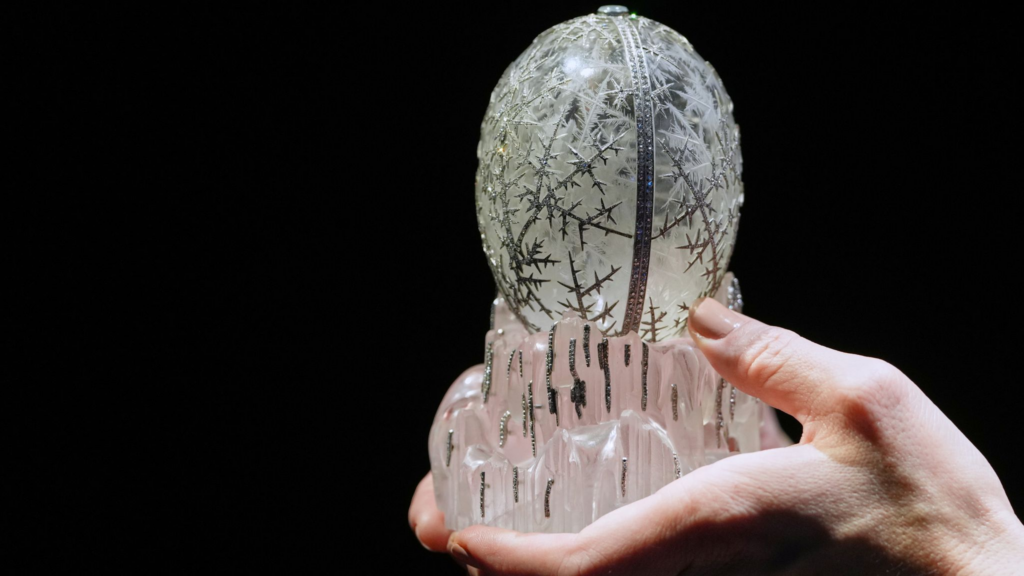
The Fabergé egg is not just a symbol of opulence; it is a masterpiece of craftsmanship and history. Recently, the Winter Egg, a stunning diamond-studded egg, achieved a record auction price of £22.9 million ($30.2 million), showcasing the allure of Fabergé creations. Commissioned by Tsar Nicholas II in 1913, this exquisite piece is adorned with 4,500 diamonds, making it a true marvel in the world of luxury collectibles. As the auction held by Christie’s in London confirmed, this remarkable egg sets a new benchmark in the value of Fabergé eggs, previously held at £8.9 million since 2007. The sale signifies not only the artistic legacy of Carl Fabergé but also the ongoing fascination with Russia’s imperial treasures that continue to captivate collectors worldwide.
When we think of the illustrious Fabergé egg, we’re transported into a realm of royal history and exquisite artistry. These ornamental eggs—often referred to as jeweled wonders—reflect the opulence of the Romanov dynasty and their penchant for extravagant gifts. With a storied background that includes remarkable pieces like the Winter Egg, one can appreciate the skillful design and intricate craftsmanship that define these creations. Each egg serves as a testament to the legacy of the famed jeweler, Carl Fabergé, who created these astonishing heirlooms under the patronage of Tsar Nicholas II. Today, such royal relics continue to capture the imagination of collectors and art enthusiasts alike, establishing them not just as antiques but as coveted symbols of luxury.
The Intricate Legacy of Fabergé Eggs
Fabergé eggs are not just exquisite pieces of jewelry; they are timeless artifacts that embody the luxury and grandeur of the Russian imperial era. Each egg, meticulously crafted, showcases the unparalleled artistry of Carl Fabergé and his skilled craftsmen. The Winter Egg, for instance, is one of the few surviving examples, boasting intricate details that highlight the rare beauty of these Fabergé creations. Notably, these eggs were commissioned by the Romanov family, symbolizing affection and status, particularly during significant events such as Easter.
With a rich history dating back to 1885, the production of Fabergé eggs drew to a halt in 1917 when Tsar Nicholas II abdicated, marking the end of an era. Today, these eggs are highly sought after by collectors and investors alike, transcending mere luxury goods to become icons of artistic heritage. The craftsmanship reflected in the Winter Egg, featuring 4,500 sparkling diamonds and a delicate basket of white quartz flowers, showcases the enduring appeal and significance of Fabergé’s legacy, making each piece a coveted historical treasure.
Record Auction of the Winter Egg
The recent auction of the Winter Egg has set a staggering record, fetching £22.9 million ($30.2 million) at Christie’s in London. This remarkable sale not only highlights the extraordinary value attributed to Fabergé eggs but also reflects the growing interest among collectors in history and artistry. Previously, the highest price for a Fabergé egg at auction was £8.9 million in 2007, which underscores how significantly the market has evolved. This new record for the Winter Egg illustrates the financial avenues available for investing in such precious art pieces.
The excitement surrounding the Winter Egg’s auction serves as a reminder of the fascination and allure these creations hold. Sourced originally as a gift from Tsar Nicholas II to his mother in 1913, its recent sale captures a moment of historical significance. According to Margo Oganesian from Christie’s, the record-setting price signifies not just the financial value of the piece but also the cultural and emotional weight it carries as part of the Romanov dynasty’s legacy. As collectors strive to own a piece of history, the Winter Egg stands as a testament to the continued reverence for Fabergé’s unparalleled craftsmanship.
The Beauty of Fabergé Creations
Fabergé creations, particularly the exquisite eggs, represent a pinnacle of artisanal craftsmanship. The Winter Egg is a perfect example of how artistry merges with precious materials to create stunning masterpieces that tell a story. The egg, adorned with 4,500 diamonds and crafted from rock crystal, embodies elegance and sophistication, illustrating why Fabergé’s pieces are highly coveted by collectors and art enthusiasts. Each egg was designed not only to dazzle but also to evoke emotions and signify personal sentiments, often gifted to loved ones by the Russian royals.
Beyond their visual appeal, Fabergé creations encompass a rich history that reflects the social and political climate of their time. The attention to detail and the meticulous processes behind each piece underscore the mastery of the craftsmen involved, including Alma Theresia Pihl, one of the few women to work at the Fabergé workshop. Her involvement in the creation of the Winter Egg adds a layer of intrigue and significance to this already remarkable piece, showcasing the extraordinary talent that contributed to the legacy of Fabergé.
Understanding the Historical Context of Fabergé Eggs
To truly appreciate the allure of Fabergé eggs, one must understand their historical context. Commissioned by Tsar Nicholas II, these opulent creations were more than just decorative objects; they were emblematic of the wealth and power of the Russian Empire. Each egg was crafted for a specific purpose, often celebrating personal milestones or significant events within the imperial family, thus intertwining royal heritage with artistry. The Winter Egg serves as a prime example, commissioned as a heartfelt gift for the Tsar’s mother, encapsulating the personal sentiments of royalty in a beautiful and intricate design.
The turbulent history surrounding the Romanov family adds further depth to the story of Fabergé eggs. The era leading up to the abdication of Tsar Nicholas II in 1917 was marked by dramatic changes and upheaval in Russia. This historical backdrop enhances the romanticism of these eggs as symbols of a lost era of elegance. Today, as we view pieces like the Winter Egg at record auctions, we are reminded of their significance not just as luxury items but as relics of a time and culture that once thrived. Their rarity and the stories behind them continue to captivate collectors and historians alike.
The Making of the Winter Egg
The craftsmanship behind the Winter Egg exemplifies the high standards of quality associated with Fabergé creations. Designed by Alma Theresia Pihl, one of the few women involved in the Fabergé workshop, the egg features luxurious materials, including rock crystal and diamond-studded details. The meticulous process of crafting these pieces involves extensive skill, from the initial design concepts to the final embellishments. The egg’s platinum snowflake motifs and intricate floral arrangements inside are a testament to the fine artisanship that goes into every Fabergé egg, making it a marvel of jewelry making.
The Winter Egg stands 8.2 cm high, revealing an elegant interior that showcases a delicate basket of white quartz flowers. This hidden surprise exemplifies the enchanting elements integral to the Fabergé eggs, where the exterior’s elegance conceals artistic surprises that delight the owner. Such details not only demonstrate technical skill and creativity but also ensure that each piece tells a unique story through its design and construction. As collectors vie for these masterpieces, the Winter Egg remains a significant representation of the ingenuity and artistry of the Fabergé legacy.
Fabergé Eggs as Investment Treasures
Investing in Fabergé eggs has become an increasingly popular trend among collectors and investors alike. The impressive auction results, such as that of the Winter Egg, indicate that high-quality Fabergé creations can appreciate substantially in value over time. As these exquisite pieces become more scarce, particularly those once owned by the Romanov family, their market desirability continues to grow. The financial allure of items like the Winter Egg is enhanced by their historical significance and the artisan craftsmanship that made them extraordinary collectibles.
Potential investors are attracting to Fabergé eggs not only because of their monetary value but also because of their cultural resonance. With only a handful of these eggs remaining in private hands, owning such a piece provides a connection to the opulence of the Russian imperial past. As more collectors seek to acquire these limited masterpieces, their auction records are likely to rise even further, solidifying their status as investment treasures within the art and luxury markets.
The Enduring Significance of Fabergé Eggs
The enduring significance of Fabergé eggs lies in their unparalleled craftsmanship and the rich narrative they encapsulate. Each egg serves as a piece of history, a tangible connection to a bygone era that advises on human creativity and skill. The Winter Egg, awarded a record price at auction, exemplifies this eternal allure—an object steeped in artistry that transcends its physical form. Auction houses like Christie’s continually affirm the cultural importance and desirability of these creations, positioning Fabergé eggs as pivotal icons within both historical and artistic discussions.
Moreover, the cultural milieu surrounding the production of Fabergé eggs enhances their significance, representing the opulence and privilege of the Russian imperial family. As stories surrounding figures like Tsar Nicholas II and the artistic visionaries like Carl Fabergé continue to captivate audiences, the eggs maintain a narrative relevance that appeals to modern collectors and art enthusiasts. By bridging past and present, Fabergé eggs like the Winter Egg not only reflect the luxury of their time but also carry forward the legacy of creativity and excellence.
Collecting Fabergé Eggs: A Passionate Pursuit
The pursuit of collecting Fabergé eggs has become a passionate endeavor for many art aficionados and investors looking to secure a piece of Russian heritage. The rarity of these exquisite creations, particularly gems like the Winter Egg, fuels a competitive market filled with enthusiastic collectors eager to own these symbols of luxury and craftsmanship. Each egg, with its unique history and artistry, not only represents a valuable investment but also serves as a captivating conversation piece reflecting a majestic past.
For collectors, acquiring a Fabergé egg is not merely about ownership; it’s about becoming part of the legacy and appreciation of fine art. There is a thrill associated with the search, from exploring auction catalogs to attending prestigious sales where these treasures are offered. Many enthusiasts delve into the stories behind each piece, researching the lives of the artisans and the historical figures connected to these creations, culminating in a rewarding journey that enriches their understanding of art and culture.
The Cultural Impact of Fabergé Eggs
Fabergé eggs have made significant cultural impacts, symbolizing not just luxury but also the artistry of a bygone era. Each egg carries with it tales of the Russian imperial family, showcasing how art can serve as a mirror to society’s values and aesthetics. The Winter Egg, with its delicate craftsmanship and historical roots, illustrates the importance of preserving cultural artifacts that enrich our understanding of the past. As auction houses and museums continue to spotlight these creations, they help maintain the narrative of the imperial legacy.
In addition to their aesthetic and historical importance, Fabergé eggs contribute to discussions about art preservation and the role of collectibles in society. The increasing value of these eggs also raises questions about how art functions as both an investment and a cultural statement. As collectors and auction houses navigate this landscape, the Winter Egg’s recent record auction serves to remind us of the interconnection between art, history, and human experience, ensuring that the legacy of Fabergé will endure for generations to come.
Frequently Asked Questions
What is a Fabergé egg and why is the Winter Egg significant?
A Fabergé egg is a jeweled egg created by the Russian jeweler Carl Fabergé, often commissioned by the Romanov family, specifically Tsar Nicholas II. The Winter Egg, sold for a record £22.9 million, is significant due to its exquisite craftsmanship, adorned with 4,500 diamonds, and its historic association with the royal family as a gift for Tsar Nicholas II’s mother.
How much did the Winter Egg sell for at the recent auction?
The Winter Egg, a remarkable Fabergé creation, sold for a record £22.9 million ($30.2 million) at auction in London, setting a new world record for a Fabergé egg.
Who designed the Winter Egg and what materials were used?
The Winter Egg was designed by Alma Theresia Pihl, one of the few female workmasters at Fabergé. It features a stunning combination of rock crystal, 4,500 rose-cut diamonds, and platinum snowflake motifs.
What makes the Winter Egg stand out among Fabergé creations?
The Winter Egg stands out due to its intricate details and rarity, being one of only seven Fabergé eggs still in private hands. Its luxurious design includes a hidden basket of white quartz flowers, showcasing the exceptional artistry of Fabergé.
What was the previous auction record for a Fabergé egg before the Winter Egg?
Prior to the Winter Egg’s record-setting price, the highest auction record for a Fabergé egg was £8.9 million, achieved in 2007.
How many Fabergé eggs did Tsar Nicholas II commission for his family?
Tsar Nicholas II commissioned a total of 50 Fabergé eggs for the Romanov family, with the Winter Egg being part of this exclusive collection.
What happened to the majority of Fabergé eggs created for the Tsar?
Most Fabergé eggs created for the Tsar were either lost or are now housed in institutions and museums. Only seven remain in private ownership, making them exceptionally rare and valuable.
Why is the Winter Egg referred to as a diamond-studded egg?
The Winter Egg is referred to as a diamond-studded egg because it is adorned with 4,500 diamonds, showcasing the luxurious craftsmanship characteristic of Fabergé’s work and its significance within the collection.
What historical period does the creation of Fabergé eggs cover?
Fabergé eggs were produced from 1885 until 1917, during the reign of Tsar Nicholas II, marking a significant era in Russian history and exquisite jewelry craftsmanship.
What does the sale of the Winter Egg signify for Fabergé’s legacy?
The sale of the Winter Egg for a record price underscores the enduring legacy and significance of Fabergé’s work, highlighting the continued interest and value placed on these masterful creations.
| Key Feature | Details |
|---|---|
| Record Sale Price | £22.9 million ($30.2 million) |
| Name of the Egg | Winter Egg |
| Bidding Venue | Christie’s auction house, London |
| Commissioned by | Tsar Nicholas II in 1913 |
| Diamonds Used | 4,500 diamonds |
| Designer | Carl Fabergé, designed by Alma Theresia Pihl |
| Height of Egg | 8.2 cm (3.2 in) |
| Interior Feature | Delicate basket of white quartz flowers |
| Rarity of Egg | One of only seven remaining in private hands out of 50 created |
| Historical Context | Created between 1885 and 1917 for the Romanov family |
Summary
The Fabergé egg, a remarkable piece of history and artistry, has once again captured the spotlight with its record-breaking sale. This exquisite Winter Egg from 1913, adorned with 4,500 diamonds, not only signifies the luxurious tastes of Russia’s imperial family but also exemplifies the extraordinary craftsmanship of Carl Fabergé. Its recent auction price of £22.9 million reaffirms the enduring allure and value of Fabergé’s masterpieces, making it a significant part of art and jewelry history.