
Listen to this article
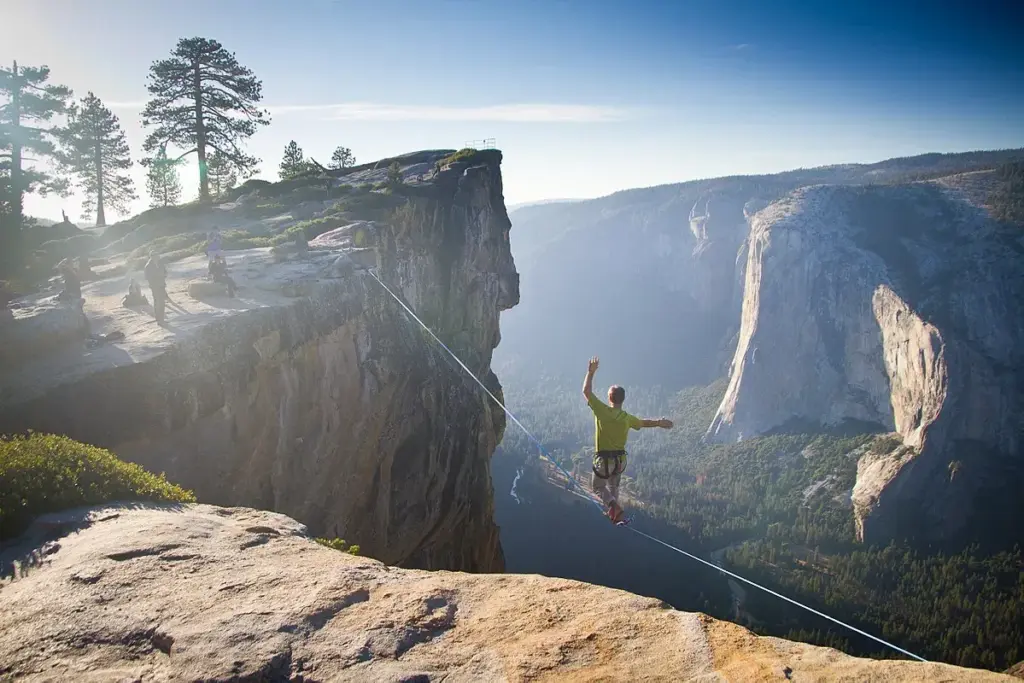
Extreme sports have surged in popularity, captivating thrill-seekers and adventure enthusiasts alike. From daredevil activities like skydiving and rock climbing to adrenaline-pumping experiences such as mountain biking and surfing, these sports offer a unique blend of excitement and challenge. The allure of chasing a thrill and breaking from the mundane has transformed extreme sports into a lifestyle for many. However, venturing into these high-octane adventures demands an understanding of the necessary safety measures to protect participants from inherent risks. In this article, we delve into various extreme sports, examining the exhilarating adventures they provide while emphasizing the critical safety protocols that every participant should prioritize.
The world of high-intensity sports encompasses a thrilling array of activities that push the boundaries of human ability. Often referred to as adventure sports, these pursuits attract individuals who seek a potent mix of excitement and challenge in their lives. Engaging in intense physical activities like rock climbing, surfing, or mountain biking allows participants to experience the exhilarating rush that comes from overcoming both mental and physical obstacles. With increasing popularity, it’s essential for adventurers to prioritize safety measures in extreme sports, ensuring that they remain prepared for any potential risks. This exploration into extreme adventures opens a dialogue about the joys and responsibilities inherent in pursuing such electrifying experiences.
Understanding the Allure of Extreme Sports
Extreme sports have surged in popularity in the modern era, appealing to those driven by a deep desire for thrill-seeking experiences. This fascination stems from the unique challenges associated with these activities, which can push both physical and mental boundaries. Participants often crave the exhilarating rush that comes from conquering fear and overcoming obstacles. Whether it’s the rush of adrenalin while skydiving or the strategic movements needed in rock climbing, extreme sports represent a way of breaking free from everyday life, offering an escape into thrilling adventures.
Moreover, extreme sports often incorporate a strong sense of community, with enthusiasts encouraging each other and sharing their experiences. This social aspect can amplify the overall thrill as participants embark on adventures together, forging bonds through shared challenges. Groups dedicated to specific sports frequently organize competitions, events, or training sessions, fostering camaraderie and providing further motivation to test one’s limits. The combination of high-adrenaline activities and social interaction contributes to the ever-growing popularity of extreme sports.
Top Extreme Sports to Try
One of the most exhilarating extreme sports is **skydiving**, where thrill-seekers jump from thousands of feet in the air and free-fall before deploying a parachute. This sport offers breathtaking views and an unparalleled sense of freedom. Many instructors provide tandem jumps, allowing beginners to experience the thrill alongside a trained professional. The combination of weightlessness, the rush of air, and the expansive vista make skydiving an adventure that countless enthusiasts have on their bucket lists.
Another popular activity is **mountain biking**, which combines speed with the beauty of nature. Riders navigate rugged trails, facing challenges that test their skills and endurance. The sport offers different styles, including downhill biking and cross-country racing, each providing various levels of adrenaline and scenic experiences. With the rise of electric mountain bikes, even more people can enjoy this sport, as it allows for longer rides on challenging terrains without exhausting oneself too quickly.
The Rise of Adventure Sports
Adventure sports have gained immense traction, particularly among younger generations seeking escapism and thrill. Activities like **whitewater rafting** expose participants to nature’s power, allowing them to experience the rush of navigating through turbulent waters while enjoying the camaraderie of teamwork. Groups often tackle different classes of rapids, providing various levels of intensity based on participants’ skill levels and preferences.
In addition, **rock climbing** has emerged as a hugely popular pastime, with climbing gyms popping up in urban areas and outdoor climbing sites available worldwide. Climbing not only offers a physical workout but also challenges individuals mentally, as they strategize their routes and adopt techniques necessary for ascent. The personal satisfaction that comes from reaching a summit and conquering fears has made rock climbing a staple in adventure sports.
Extreme Adventures and Their Risks
While extreme sports promise exhilarating experiences, they inherently carry risks that participants must acknowledge. Engaging in activities like **surfing** or **base jumping** without proper training or safety measures can lead to severe injuries or even fatalities. Nevertheless, understanding these risks and practicing appropriate safety precautions can mitigate potential dangers, allowing enthusiasts to enjoy the adventure.
It is essential for participants to stay informed about the specific risks associated with each sport. Activities such as snowboarding can be particularly hazardous on challenging slopes, requiring one to be aware of their limits and the environment. Each time a participant engages in these extreme sports, recognizing one’s abilities and understanding the possible dangers ensures a balance of thrill and safety.
Key Safety Measures for Extreme Sports
Safety is paramount when participating in extreme sports. One of the foundational measures is to learn proper techniques through qualified instructors. Whether you’re preparing for your first **skydiving** experience or strapping on a harness for **rock climbing**, gaining knowledge through training can significantly reduce the risk of accidents. Understanding the dynamics involved in your chosen sport and practicing under supervision can provide both skill development and confidence.
Alongside technical learning, using appropriate gear tailored for each sport is essential for safety. This includes ensuring equipment, such as helmets and harnesses for rock climbing or life jackets for whitewater rafting, is up to standard and suits one’s body. Maintenance checks on gear before use can prevent malfunctions during intense activities, helping to keep adventurers safe while they indulge in their adrenaline-fueled pursuits.
The Role of Preparation in Adventure Sports
Preparation plays a critical role in the success and safety of engaging in extreme sports. Thoroughly planning your activity, including understanding the specific terrain for mountain biking or evaluating weather conditions for surfing, can enhance the experience and mitigate risks. Adventurers should always check forecasts to avoid unexpected weather changes that could pose dangers during outdoor activities.
Furthermore, a well-thought-out approach includes training plans and fitness assessments. Building endurance, strength, and flexibility tailored to the requirements of each sport can prepare participants for the physical demands they will encounter. A sound strategy may involve gradually increasing the challenge level, allowing athletes to build experience and confidence over time.
Understanding the Community of Extreme Sports Enthusiasts
The community aspect within extreme sports is vibrant and multifaceted. From local skate parks to global skydiving events, enthusiasts share experiences, tips, and foster friendships bound by a common love for thrill-seeking and adventure. The sharing of personal stories and triumphs builds a sense of belonging, encouraging newcomers to join and experienced athletes to push their limits further.
Additionally, social media has revolutionized how extreme sports communities interact and grow. Platforms like Instagram and YouTube showcase incredible stunts and provide tutorials, increasing awareness and interest in various sports. This digital presence allows enthusiasts to connect worldwide, broadening the appeal of extreme sports and drawing in more participants eager to join the adventure.
The Impact of Extreme Sports on Personal Growth
Engaging in extreme sports often transcends mere entertainment; it is also a powerful avenue for personal growth. Activities like **rock climbing** and **mountain biking** challenge individuals to confront fears, develop resilience, and cultivate a deeper understanding of oneself. Overcoming obstacles fosters a profound sense of accomplishment and confidence that can positively influence other areas of life.
Moreover, the thrill of trying something new and potentially terrifying encourages participants to step outside their comfort zones. This willingness to face challenges head-on often translates to life beyond extreme sports, inspiring individuals to pursue new opportunities and foster a growth mindset. Through adventure sports, many discover their capacity for courage and resilience while forming lasting memories and friendships.
Exploring Future Trends in Extreme Sports
As extreme sports continue to evolve, they integrate technology and innovation. The rise of virtual reality experiences allows potential athletes to engage with simulated environments, learning techniques and gaining exposure to sports like skydiving or rock climbing in a safe and controlled setting. This merging of technology with traditional sports is ushering in a new generation of thrill-seekers.
Additionally, the environmental impact of extreme sports is becoming a significant focus, with many participants and organizations advocating for sustainability. Initiatives aimed at preserving natural landscapes for activities like surfing and mountain biking resonate with younger athletes who prioritize eco-friendly practices. The combination of adventure and conscientiousness represents a growing trend that may shape the future of extreme sports.
Frequently Asked Questions
What are the most popular extreme sports for thrill seekers?
The most popular extreme sports among thrill seekers include skydiving, rock climbing, surfing, and mountain biking. Each sport offers unique challenges and the adrenaline rush that attracts adventure enthusiasts.
What safety measures should I take when participating in extreme sports?
To ensure safety in extreme sports, it’s essential to learn proper techniques, use appropriate gear, know your limits, plan and prepare before activities, and have emergency protocols in place.
How can I start skydiving safely?
To start skydiving safely, enroll in a certified skydiving school where you can receive proper training. Always use high-quality gear and follow safety protocols and instructor guidelines.
What are the risks associated with mountain biking?
Mountain biking poses risks such as falls, collisions, and injuries. To mitigate these risks, use proper protective gear, understand the trails, and ride within your skill level.
Why is rock climbing considered an extreme sport?
Rock climbing is classified as an extreme sport due to the physical challenges it presents, the heights involved, and the potential risks of falls and injuries when climbing tough routes.
Can safety measures make extreme adventures less thrilling?
While safety measures in extreme sports are essential, they are designed to protect participants without diminishing the thrill. Proper preparation often enhances the adventure experience.
What gear do I need for surfing?
Essential gear for surfing includes a surfboard, wetsuit, leash, and optional accessories like rash guards and surf wax. Proper equipment is crucial for safety and performance.
Is extreme sports suitable for beginners?
Yes, extreme sports can be suitable for beginners if they start with beginner-friendly courses and activities, receive proper instruction, and use safety measures to reduce risks.
What training is required for bouldering?
Training for bouldering typically involves learning climbing techniques, understanding safety practices, and gaining physical strength. Beginners should attend classes or work with experienced climbers.
How does adventure sports promote personal development?
Adventure sports encourage personal development by pushing individuals to face challenges, build confidence, improve problem-solving skills, and develop physical fitness, all while engaging with nature.
| Key Point | Description |
|---|---|
| Popularity | Extreme sports have gained popularity among thrill-seekers, offering unique challenges and experiences. |
| Examples of Extreme Sports | Some popular extreme sports include skydiving, rock climbing, surfing, and base jumping. |
| Adventure Aspect | Each sport offers a unique adventure, often tied to specific thrilling locations. |
| Safety Measures | Key safety measures include learning techniques, using proper gear, knowing limits, planning, and having emergency protocols. |
| Responsibility | Participants must balance the thrill of extreme sports with responsible safety practices. |
Summary
Extreme sports offer a thrilling escape from everyday life, appealing to those who seek adventure in their pursuits. From skydiving to rock climbing, these activities provide unique challenges but also require careful consideration of safety measures. Engaging in extreme sports entails learning proper techniques, using appropriate gear, and being aware of personal limits. Planning for adventures and preparing for emergencies are also essential to enjoying these exhilarating experiences. For those willing to embrace the excitement, the world of extreme sports awaits—filled with opportunities for adventure, growth, and unforgettable memories.

