
Listen to this article
Extreme sports have rapidly become a global phenomenon, captivating thrill-seekers and adventure sports enthusiasts alike with their adrenaline-pumping challenges. These heart-racing activities, which range from surfing colossal waves to skydiving from dizzying altitudes, are not for the faint of heart but for those who crave excitement and the chance to push their limits. The extreme sports community thrives on this sense of adventure, sharing experiences and tips to enhance extreme sports safety and enjoyment. Popular extreme sports continue to evolve, drawing more participants and sponsors as they gain traction in mainstream culture. In this exploration, we’ll delve into the motivations behind participating in these exhilarating activities, the inherent risks, and how they redefine the boundaries of adventure.
Action sports, often known as adventure activities, have surged in popularity, attracting individuals eager for a more thrilling lifestyle. From high-octane pursuits like BMX biking to the serene yet exhilarating experience of paragliding, these extreme endeavors embody the pursuit of challenge and personal growth. Participants in these exciting fields often find themselves woven into a tight-knit community, rallying together to support each other’s journeys and promote safety in all endeavors. The allure of adventure sports lies not only in the physical exertion but also in the profound connection with nature that many athletes experience. This introduction to extreme activities reveals the blend of risk, reward, and camaraderie that defines the ethos of adventure sports.
Understanding the Basics of Extreme Sports
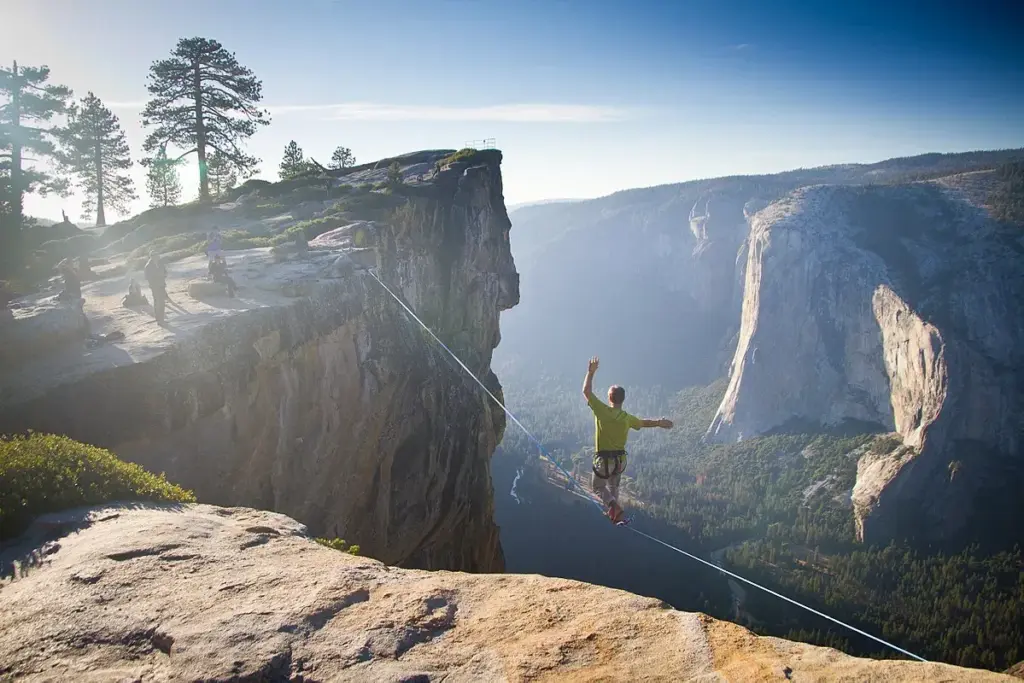
Extreme sports, also known as action sports, encompass a variety of thrilling activities that have become increasingly popular in recent years. These sports are marked by their inherent risks, often involving high speeds, significant heights, and intense physical demands. Popular extreme sports such as skydiving, bungee jumping, and rock climbing not only offer exhilarating experiences but also a chance to push personal limits. As thrill-seekers engage with these sports, they often experience a unique blend of fear, excitement, and liberation, making them drawn irresistibly to these adrenaline-fueled challenges.
Participants in extreme sports often find themselves in breathtaking natural environments, which adds another layer of complexity to the experience. The adrenaline rush derived from facing fearsome heights or overcoming challenging terrains can lead to profound personal growth. Many adventurers report that the moments experienced in extreme sports leave lasting memories and foster a deep appreciation for the beauty of nature, often inspiring individuals to take on new challenges far beyond their initial fears.
Frequently Asked Questions
What are the most popular extreme sports that thrill-seekers participate in?
Popular extreme sports include skydiving, bungee jumping, rock climbing, surfing, snowboarding, and BASE jumping. These activities attract adventure sports enthusiasts looking to experience high adrenaline and excitement.
How can I ensure extreme sports safety while participating in high-risk activities?
To ensure extreme sports safety, always wear appropriate safety gear, receive training from certified instructors, adhere to local regulations, and be aware of your physical limits. Engaging with the extreme sports community can also provide invaluable safety tips.
What motivates individuals to take part in extreme sports?
The motivations behind participating in extreme sports often include the thrill of adrenaline, personal growth, connection with nature, and camaraderie within the extreme sports community. Many athletes find these activities help them push their limits and build confidence.
What risks are associated with engaging in extreme sports?
Engaging in extreme sports carries inherent risks such as physical injuries from falls or equipment failure, mental health concerns due to competitive pressures, and threats from environmental hazards like extreme weather or unpredictable terrain.
How has social media influenced the extreme sports community?
Social media has significantly impacted the extreme sports community by allowing athletes to showcase their skills globally, inspire new participants, and create a sense of connection among enthusiasts through shared experiences.
Can beginners safely try extreme sports, and how should they start?
Yes, beginners can safely try extreme sports by starting with introductory classes, seeking guidance from experienced instructors, and using safety equipment. It’s crucial to gradually increase skill levels and respect personal limits.
What are the best places to experience extreme sports adventures?
Top destinations for extreme sports include locations like Hawaii for surfing, Colorado for snowboarding, and Switzerland for rock climbing. These areas are known for their stunning landscapes and suitable conditions for various adventure sports.
How do extreme sports contribute to personal growth and development?
Extreme sports foster personal growth by challenging individuals to face their fears, overcome obstacles, and build resilience. Participants often report enhanced self-confidence and mental fortitude through their experiences.
What are the key characteristics that define extreme sports?
Extreme sports are characterized by high levels of risk, speed, and physical exertion. Activities often involve significant height and danger, leading to both thrilling experiences and challenges for participants.
How can I become part of the extreme sports community?
To become part of the extreme sports community, start by participating in local events, joining clubs or forums, and connecting with other enthusiasts on social media. Engaging in group activities can also enhance your sense of belonging.
| Key Points | Details |
|---|---|
| Definition of Extreme Sports | Extreme sports are action sports characterized by high risk, speed, and physical challenges. |
| Common Types | Skydiving, Bungee Jumping, Rock Climbing, Base Jumping, Surfing, Snowboarding, Wingsuit Flying. |
| Motivations for Participation | Thrill and adrenaline, personal growth, community, and connection to nature. |
| Risks Associated | Injury risks, mental health concerns, and environmental factors. |
| Evolution of Extreme Sports | From niche activities to mainstream global events; the influence of social media. |
Summary
Extreme Sports have gained immense popularity as they offer thrilling experiences that push the boundaries of human capability. These adrenaline-fueled activities serve not just as a means of exhilaration, but also as platforms for personal growth, social connection, and a deeper appreciation for nature. Participants are often driven by the desire for adventure and the community supportive of these high-risk passions. However, they must also stay aware of the significant risks involved, ensuring they prioritize safety. Overall, extreme sports foster an exhilarating embrace of adventure that can lead to transformative experiences.

