Listen to this article
Credit card interest rates play a crucial role in the overall costs associated with using a credit card. Understanding these rates is essential, as they determine how much you will pay on your outstanding balance month after month. There are two primary types of rates to consider: variable interest rates, which can fluctuate based on market conditions, and fixed interest rates, which remain stable throughout the life of your account. Additionally, the Annual Percentage Rate (APR) reflects the annual cost of borrowing, making it vital for consumers to understand how credit card costs accumulate. Making informed financial decisions regarding these interest rates can significantly impact your overall financial health.
When it comes to credit accounts, the terms “lending fees” and “borrowing costs” often come into play, specifically in relation to the varying charges applied over time. Understanding these financial terms is vital as they encompass what you may owe when using credit for purchases. The distinctions between ever-changing rates and constant charges often influence which type of borrowing option consumers prefer: either the stability of fixed charges or the flexibility of fluctuating rates. These factors are essential for making a sound financial choice regarding credit usage, ensuring that you are well-equipped to manage your expenses effectively.
Understanding Credit Card APRs
The Annual Percentage Rate (APR) is a crucial factor in the world of credit cards. It represents the yearly interest rate charged on borrowed money, making it essential for consumers to comprehend how it affects their overall financial obligations. A clear understanding of APR helps cardholders assess the true cost of carrying a balance. Not only does the APR indicate the direct costs of borrowing, but it also allows individuals to calculate prospective interest charges based on their spending patterns.
In addition, comparing different credit cards often requires looking beyond just the APR. Some cards may advertise lower rates, but they might also come with higher fees or fewer benefits, complicating the decision-making process. Therefore, potential credit card users should consider all aspects of APR, including introductory or promotional rates that may apply only for a limited time, before committing to a particular card.
Frequently Asked Questions
What are the average credit card interest rates in 2023?
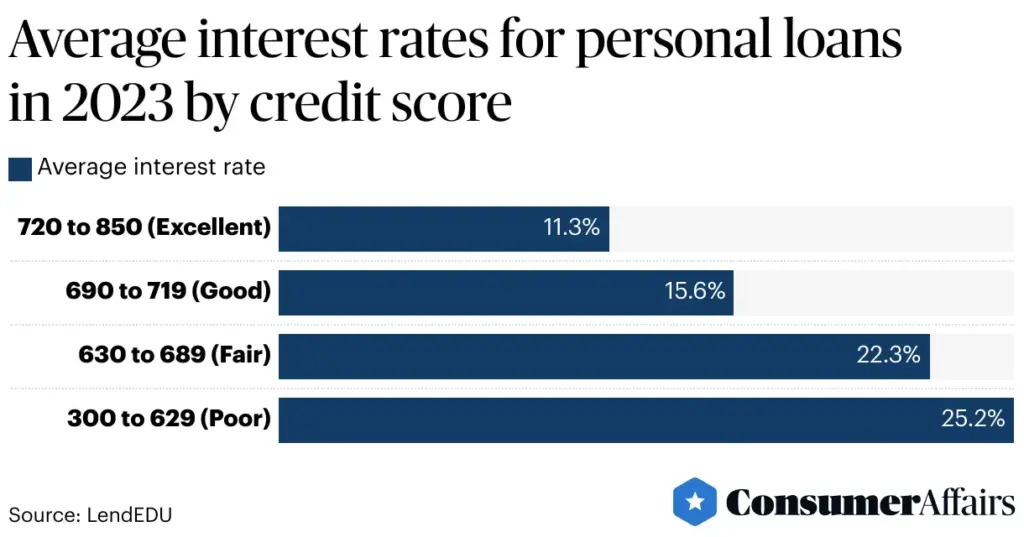
As of 2023, average credit card interest rates typically range between 16% to 25%, with the APR varying based on factors like creditworthiness and card type. It’s crucial to compare credit card costs to find the best rate that suits your financial habits.
How do variable credit card interest rates work?
Variable credit card interest rates are linked to a specific index, such as the Prime Rate, and can change over time. This means your APR may fluctuate, resulting in lower or higher payments depending on market conditions.
What are fixed credit card interest rates and their benefits?
Fixed credit card interest rates remain constant throughout the account’s life, providing stability for cardholders who carry a balance. This predictability aids in budgeting as your monthly payments won’t vary significantly.
Can credit card costs be lower with variable interest rates?
Yes, credit card costs can be lower with variable interest rates, especially if the initial rates are significantly lower than fixed ones. However, borrowers should be cautious, as rising market rates can increase your APR over time.
How does APR affect credit card interest payments?
An APR (Annual Percentage Rate) affects how much interest you will pay on any outstanding credit card balance. A higher APR results in more substantial interest costs, making it vital to compare rates before making a financial decision.
Should I choose fixed or variable credit card interest rates?
Choosing between fixed or variable credit card interest rates depends on your financial habits. Fixed rates offer stability for those who often carry a balance, while variable rates may be beneficial for those who manage to pay their balance in full each month.
| Key Point | Fixed Interest Rates | Variable Interest Rates |
|---|---|---|
| Definition | Stable rate that remains unchanged throughout the account’s life. | Rate based on an index, which can fluctuate over time. |
| Stability | Provides predictability and budgeting ease. | Payments can vary, causing budgeting challenges. |
| Potential Rates | Typically starts higher than variable rates. | Often lower initial rates are available, appealing for short-term borrowing. |
| Market Sensitivity | Locked in rate; no benefits from rate drops. | Rates can increase if market conditions change, leading to higher payments. |
| Best For | Good for those who carry balances consistently. | Ideal for individuals who pay off their balance regularly and can manage risk. |
Summary
Credit card interest rates play a critical role in determining the cost of borrowing through credit cards. By understanding the nuances of fixed and variable rates, cardholders can make informed decisions that align with their financial habits and goals. Fixed interest rates provide stability but may start higher than variable rates, which can fluctuate and present both savings and risks. Evaluating personal spending habits and staying informed about market trends can enhance your ability to choose the best credit card option.