Listen to this article
Unconventional sports, also known as alternative sports, are rapidly gaining traction in the athletic world, offering unique athletic activities that challenge the norms of traditional gameplay. These hidden gems of athletics not only promote individual skill development but also encourage camaraderie and innovation among participants. While mainstream sports like football and basketball capture the majority of attention, unconventional sports showcase the rich diversity within the athletic community. From ultimate frisbee to roller derby, these non-traditional sports present an array of enjoyable challenges that allow players to express creativity and foster teamwork. Engaging in these alternative sports can lead to an enriching experience, providing both physical fitness benefits and opportunities for social connection.
Diving into the realm of unusual athletic pursuits can reveal a fascinating landscape of sports that thrive outside the conventional box. These unique activities, often bursting with creativity and camaraderie, invite participants to explore new ways of engaging with fitness and community. Athletic endeavors like quidditch and parkour may not fit the traditional mold, yet they highlight the extensive spectrum of sports diversity that exists today. By embracing such alternative sporting options, individuals not only enhance their physical abilities but also discover the joy and excitement that comes with participating in something extraordinary. Therefore, whether you are seeking fun or fitness, consider exploring the myriad of non-mainstream options the world of athletics has to offer.
The Rise of Unconventional Sports: A Cultural Shift
In recent years, there has been a noticeable shift in how sports are perceived and engaged with, leading to the rising popularity of unconventional sports. As society seeks new forms of entertainment and inclusivity, unconventional sports have emerged as a compelling alternative. Activities like ultimate frisbee and parkour not only cater to a craving for creativity but also promote community engagement in ways that traditional sports often do not. This cultural shift embraces diversity in sports and underscores the significance of personal expression and individuality.
As more individuals explore unique athletic activities beyond mainstream options, they often find a welcoming environment within these non-traditional sports. Many events focus on participation rather than competition, fostering a sense of belonging among players. This cultural evolution highlights the importance of sports diversity as communities rally around these hidden gems of athletics, paving the way for greater acceptance of various forms of physical expression.
Understanding the Rules of Alternative Sports
Alternative sports often come with their own unique set of rules that reflect their distinct nature and emphasize creativity. For example, in ultimate frisbee, instead of relying on referees, players self-officiate, promoting sportsmanship and mutual respect. This ‘spirit of the game’ aspect is an integral part of the experience, encouraging participants to uphold fair play. By understanding and embracing these different rules, players can better appreciate the value of alternative sports.
Moreover, learning the specific regulations of each unconventional sport can significantly enhance the overall enjoyment and teamwork involved. Whether it’s navigating through a roller derby track or strategizing in quidditch, having a grasp of the rules can foster deeper connections among players. Understanding these aspects showcases not just the athleticism required but also the strategic thinking that these sports demand.
Physical and Mental Benefits of Unconventional Sports
Engaging in unconventional sports offers a myriad of physical benefits comparable to those of traditional athletic pursuits. For instance, activities like parkour demand intense physical output, engaging various muscle groups while enhancing flexibility and strength. Additionally, the social nature of these sports encourages players to challenge themselves, thereby improving their cardiovascular health and overall fitness levels. The unique formats of these sports ensure that participants are not only getting fit but are also having fun, which can lead to a more sustainable active lifestyle.
Beyond physical health, unconventional sports can significantly boost mental well-being. The camaraderie found in team efforts like quidditch or the supportive community within roller derby helps to alleviate stress and promote emotional resilience. Participants often report enhanced self-esteem and confidence resulting from overcoming challenges inherent in these athletic activities. This aspect of sports diversity taps into the idea that physical movement can be an avenue for personal development, beyond the context of competition.
Community and Social Connections through Unconventional Sports
One of the most appealing aspects of unconventional sports is their capacity to build strong community ties. When people come together to play alternative sports, they often forge meaningful friendships that extend beyond the playing field. Activities like ultimate frisbee encourage inclusiveness and teamwork, allowing individuals from different backgrounds to interact and collaborate. This atmosphere of inclusion creates a welcoming environment, where everyone feels valued regardless of skill level.
Moreover, unconventional sports frequently host social events and tournaments, fostering deeper connections among participants. These gatherings not only celebrate athletic achievements but also build a sense of belonging, as players feel part of something larger. This community spirit is essential in promoting mental health and well-being, allowing individuals to find a supportive network that enhances their athletic experience and boosts social interaction.
The Diversity of Skills in Non-Traditional Sports
Unconventional sports often require a diverse skill set, challenging participants to develop a range of abilities. For example, roller derby players must master skating skills, strategic thinking, and agility while managing contact with others. Similarly, parkour practitioners need to cultivate strength, coordination, and problem-solving skills to overcome obstacles. This emphasis on varied skills creates a fulfilling environment where athletes can continually strive for improvement and enjoy the thrill of learning.
These diverse capabilities not only enrich the individual experience but also add depth to the community interaction within these sports. By cross-pollinating skills from different sports, participants can share techniques and training methods, thereby enhancing the collective knowledge base. This dynamic fosters a sense of camaraderie as athletes support each other in honing their unique sports skills, contributing to a vibrant and innovative athletic culture.
Exploring the Global Popularity of Unconventional Sports
The global appeal of unconventional sports has surged as more individuals seek unique athletic experiences. Events such as global quidditch tournaments or international roller derby competitions showcase how these alternative sports have transcended geographical boundaries. Similar to other sports, the increasing visibility of these activities has led to a growing interest among enthusiasts and spectators alike, emphasizing their global relevance and fostering cross-cultural connections.
Furthermore, unconventional sports have become a vibrant part of community engagement worldwide, with various local clubs forming as social hubs. Participation in these events not only highlights athletic talent but also allows for the exchange of cultural traditions inherent in each sport, enriching the experience for everyone involved. This phenomenon of sports diversity serves as a testament to the adaptability and creativity of sports, uniting individuals from different backgrounds in celebration of unique athletic endeavors.
How to Get Started in Unconventional Sports
If you’re eager to dive into unconventional sports but don’t know where to begin, there are numerous avenues available to embark on this exciting journey. Joining local clubs can be one of the most effective ways to connect with others who share your interest in unique athletic activities. Many communities now offer inclusive environments where beginners are welcomed, and there’s a strong emphasis on learning and collaboration.
In addition to clubs, attending workshops or introductory classes for sports like pickleball or quidditch can provide a solid foundation. These beginner-friendly sessions often focus on skill development while fostering a sense of community among participants. Moreover, local events or meetups allow you to witness the vibrant atmosphere firsthand, making it easier to gauge your interest before fully committing.
The Evolution of Sports Towards Inclusivity and Creativity
The trajectory of sports is increasingly leaning towards inclusivity and creativity, where unconventional sports play a pivotal role. By challenging traditional definitions of sport, alternative activities invite those who may feel excluded by mainstream athletics to participate and enjoy. This shift reflects a broader societal change, emphasizing that sports are not solely defined by competitive success but also by enjoyment, creativity, and community.
As we embrace this evolution, the recognition of unconventional sports as valuable expressions of athleticism continues to gain momentum. This shift not only benefits participants seeking less traditional pursuits but also enriches the broader sports culture by diversifying the types of athletic experiences available. Embracing unconventional sports can lead to a more inclusive sporting environment where everyone can find their niche.
The Future of Unconventional Sports in Mainstream Culture
Looking ahead, the future of unconventional sports within mainstream culture appears brighter than ever. As awareness and participation grow, there is potential for these non-traditional sports to receive increased recognition. Media coverage, sponsorship opportunities, and educational programs may emerge, facilitating a more profound connection between these sports and their communities.
With the integration of technology and social media, alternative sports can easily reach wider audiences, attracting new players and fans. This interconnectedness not only strengthens community bonds but also promotes sports diversity as different unconventional activities cross paths and inspire innovative collaborations. As we move forward, it is essential to celebrate the creativity and uniqueness of unconventional sports, allowing them to thrive alongside traditional athletic pursuits.
Frequently Asked Questions
What are some examples of unconventional sports that people should try?
Some great examples of unconventional sports include ultimate frisbee, pickleball, quidditch, roller derby, and parkour. These unique athletic activities combine creativity, teamwork, and physical prowess in distinctive ways.
How do unconventional sports promote community spirit?
Unconventional sports foster community spirit by bringing together people of diverse backgrounds to form teams and participate in events. This shared experience creates connections and friendships, making these sports a hidden gem of athletics.
What benefits can I expect from participating in unconventional sports?
Engaging in unconventional sports offers benefits such as improved physical fitness, enhanced creativity, social connections, and a less competitive environment. These non-traditional sports encourage players to focus on fun and enjoyment.
Are there beginner classes for unconventional sports like parkour?
Yes! Many unconventional sports have beginner classes available, particularly parkour and roller derby. These classes help newcomers learn the basics while meeting others interested in these alternative sports.
What is the appeal of unique athletic activities like quidditch?
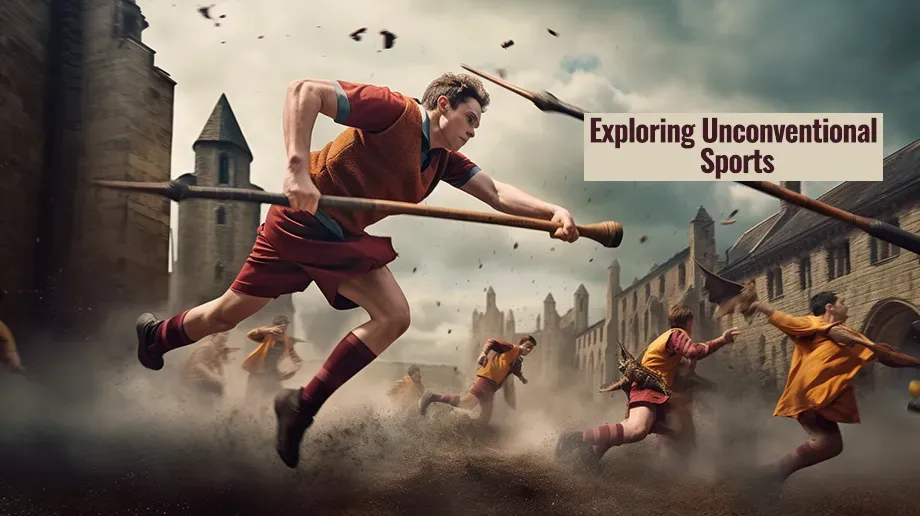
The appeal of unique athletic activities like quidditch lies in their imaginative blend of fantasy and physicality. Inspired by the Harry Potter series, quidditch incorporates elements of rugby and tag, making it a fun and whimsical experience.
How can I find local leagues for unconventional sports?
You can find local leagues for unconventional sports by checking social media groups, community centers, or recreational leagues in your area. Many cities now have clubs dedicated to alternative sports, making it easy to join.
What is ultimate frisbee and why is it considered an unconventional sport?
Ultimate frisbee is a team sport that combines soccer, basketball, and football elements. It’s considered unconventional due to its focus on sportsmanship and absence of referees, promoting a more friendly and inclusive competitive environment.
What should I wear for roller derby, an unconventional sport?
For roller derby, participants typically wear a combination of knee pads, elbow pads, a helmet, and comfortable athletic clothing. Many players also express creativity through colorful costumes, which adds to the sport’s dramatic flair.
How do I get started with alternative sports like pickleball or parkour?
To start with alternative sports like pickleball or parkour, join local clubs, try beginner classes, attend events, or watch online tutorials. Engaging with the community is a great way to ease into these non-traditional sports.
Why is sports diversity important in today’s athletic culture?
Sports diversity is crucial as it highlights different athletic activities that cater to various interests and abilities. Embracing unconventional sports enriches the athletic culture, offering more opportunities for fun, engagement, and community building.
| Sport Name | Description | Key Features |
|---|---|---|
| Ultimate Frisbee | A fast-paced team sport played with a frisbee that emphasizes sportsmanship. | Combination of soccer, basketball, and football; no referees. |
| Pickleball | A mix of tennis, badminton, and ping-pong played on a smaller court. | Accessible and community-oriented; great for all ages. |
| Quidditch | A real-life sport inspired by Harry Potter, combining elements of rugby and dodgeball. | Teams score by throwing a ball through hoops while on broomsticks. |
| Roller Derby | A contact sport that combines athleticism and strategy on skates. | Fiercely competitive and characterized by vibrant costumes. |
| Parkour | The art of movement involving overcoming obstacles using one’s body. | Encourages creativity and efficient traversal of environments. |
Summary
Unconventional sports are an intriguing aspect of the athletic world that invite individuals to explore and participate in unique, lesser-known activities. These sports provide not only a platform for physical engagement but also serve as a means to create community bonds and foster creativity among participants. Whether it is the strategic depth of ultimate frisbee, the accessible fun of pickleball, or the imaginative nature of quidditch, engaging in unconventional sports can lead to personal growth and new friendships. By stepping outside traditional sports, athletes can discover new passions and cultivate a more varied athletic experience.