Listen to this article
Peak performance in sport is the pinnacle that every athlete strives for, where every element of training, mental preparation, and physical conditioning come together harmoniously. Achieving such performance levels is no mere coincidence; it is a science rooted in sports psychology, biomechanics, and nutrition for athletes. Athletes dedicate their lives to enhancing performance through rigorous athletic training and understanding the critical role physical conditioning plays in their development. Additionally, tailored nutrition strategies ensure that athletes fuel their bodies optimally to support intense training cycles and recovery. This blog will dive deep into the multifaceted approach to achieving peak performance in sport, exploring how various factors interact to elevate athletes to new heights.
In the world of athletic competition, optimal performance signifies the highest level of achievement athletes can reach, encompassing mental acuity, superior physical capability, and strategic preparation. This comprehensive understanding of performance enhancement integrates various disciplines, including exercise science, sports nutrition, and psychological resilience. To perform effectively, athletes must engage in rigorous conditioning regimens and incorporate advanced techniques from sports science, focusing on biomechanics to refine their movements. The importance of a balanced diet becomes clear as peak performance relies not just on training but on nutritional excellence tailored to the specific demands of their sport. In this discussion, we will examine the essential components that contribute to reaching optimal athletic performance, shedding light on how athletes can truly excel.
The Psychology of Peak Performance in Sport
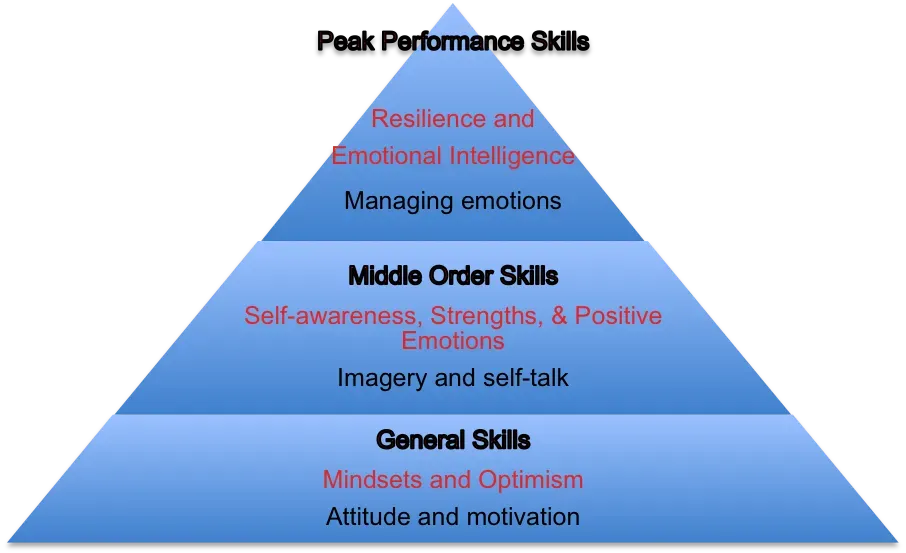
In the pursuit of peak performance in sport, psychology plays an indispensable role. Athletes often face immense pressure, be it from competitive situations or their personal expectations. This psychological strain can significantly impact their performance levels. Techniques derived from sports psychology, such as visualization and mental rehearsal, allow athletes to mentally prepare for the challenges they face. Engaging in these mental strategies helps athletes manage anxiety and increase confidence, ultimately leading to improved results on the field.
Moreover, mental resilience is essential for athletes aiming for peak performance. The ability to maintain focus and composure, especially during critical moments of competition, separates elite athletes from the rest. Research in sports psychology suggests that developing such mental strength can enhance an athlete’s ability to respond effectively to setbacks, fostering a growth mindset that embraces challenges as opportunities for improvement.
The Essentials of Physical Conditioning for Athletes
Physical conditioning represents the backbone of achieving peak performance in sports. An athlete’s physical state is vital for meeting the demands of their specific sport, requiring a well-rounded approach to fitness that includes strength, flexibility, endurance, and agility. Training regimens tailored to an individual athlete’s needs are crucial for enhancing sport-specific performance capabilities. By incorporating a diverse range of exercises into their training schedules, athletes can build the physical foundation necessary to excel and mitigate risks of injury.
Additionally, periodization in training is a key concept that athletes must master. This technique involves manipulating training variables over time to optimize performance, allowing for peaks in condition at crucial moments, like during a championship. By thoughtfully approaching training loads, recovery periods, and overall intensity, athletes can ensure they perform at their highest level when it counts the most.
The Impact of Nutrition on Athletic Performance
Nutrition serves as a critical cornerstone of sports performance, directly influencing athletes’ energy levels, recovery times, and overall health. Athletes need a balanced diet rich in macronutrients—carbohydrates, proteins, and fats—as well as essential vitamins and minerals. These nutrients provide the fuel required for training and competition, helping to sustain energy levels, enhance stamina, and facilitate muscle recovery after exertion.
Moreover, strategic nutritional planning, or periodized nutrition, allows athletes to adjust their intake based on their training cycles and competition schedules. This tailored approach ensures that they meet their caloric demands while maintaining optimal body composition. Special attention to hydration is also crucial, as even slight dehydration can impair cognitive and physical performance, highlighting the importance of a comprehensive nutrition plan for peak athletic performance.
How Biomechanics Enhance Sports Performance
Understanding biomechanics is vital for athletes striving for peak performance in their respective sports. The study of biomechanics enables athletes and coaches to analyze movements, identifying inefficiencies and areas for enhancement. Simple alterations in technique or posture can lead to significant improvements in performance while also reducing the risk of injury. By fine-tuning these aspects of movement, athletes can maximize their physical capabilities and execute skills more effectively.
Furthermore, technological advancements such as motion capture and pressure sensors have revolutionized how biomechanics is studied in sports. These tools provide real-time feedback on an athlete’s movements, allowing for immediate adjustments and refinements. As athletes incorporate biomechanical analysis into their training routines, they can gain a competitive edge, optimizing their performance through evidence-based strategies.
The Environmental Factors Affecting Athletic Performance
The environment plays a crucial role in shaping an athlete’s performance. Variables such as altitude, temperature, and humidity can significantly impact an athlete’s physiological responses and overall performance levels. For instance, training at high altitudes can lead to physiological adaptations like increased red blood cell production, enhancing oxygen transport during competitions. Conversely, extreme heat may necessitate adjustments in training and hydration strategies to maintain performance.
Moreover, the psychological aspect of the environment, including support from coaches, teammates, and the presence of fans, can greatly influence motivation and performance. A positive and encouraging environment fosters a sense of belonging and confidence, enabling athletes to perform optimally. Understanding these environmental factors allows athletes to prepare more comprehensively for competition, ensuring they adapt to various conditions.
Innovations in Sports Technology
Recent advancements in sports technology have transformed the landscape of athletic training and performance optimization. Wearable devices such as heart rate monitors and GPS trackers provide athletes with valuable data to analyze their efforts and recovery. This information helps tailor training programs to enhance performance, identifying areas for improvement while closely monitoring physiological responses.
Moreover, emerging technologies such as virtual reality are changing the way athletes prepare for competition. VR simulations can mimic high-pressure environments, allowing athletes to practice decision-making skills and reactions in real time. By integrating such innovative tools into their training regimens, athletes not only sharpen their physical skills but also enhance their mental acuity, contributing significantly to peak performance.
Mental Training Techniques for Peak Performance
Mental training techniques are essential tools that athletes can utilize to reach their peak performance levels. Techniques such as mindfulness meditation, visualization, and controlled breathing help athletes enhance their focus and mental clarity. By incorporating these strategies into their routine, athletes can manage stress and anxiety, ensuring they remain calm and composed during competitions. As mental fortitude becomes increasingly recognized as a pillar of success in sports, athletes who invest time in mental training distinguish themselves from their peers.
Practicing self-talk and goal-setting also forms an integral part of an athlete’s mental preparation. Constructive self-talk helps athletes reinforce positive beliefs about their abilities, while setting specific, measurable goals aids in maintaining motivation and direction. Developing a structured approach to mental training can transform an athlete’s mindset, cultivating resilience and adaptability under the pressure of competition.
Building a Supportive Athletic Environment
Creating a supportive environment is fundamental to facilitating peak performance in athletes. Positive reinforcement from coaches and the camaraderie of teammates can foster an atmosphere where athletes feel secure in taking risks and pushing their boundaries. In such environments, athletes are likely to find increased motivation, helping them to overcome challenges and strive for personal and team goals.
Additionally, athlete support systems should extend beyond the immediate team to include family and the broader community. A well-rounded support network can bolster an athlete’s confidence, providing encouragement and understanding during the highs and lows of training and competition. Ensuring that athletes have access to emotional and psychological support is vital in their pursuit of excellence.
Integrating Science and Practice for Athletic Excellence
The integration of science into athletic training and practice is key to achieving peak performance in sport. By applying principles from sports science, athletes can fine-tune their training methods, nutrition plans, and recovery strategies. This evidence-based approach allows for continual adaptation based on the latest research, ensuring athletes are optimizing their performance and reducing injuries.
Furthermore, collaboration between athletes, coaches, and sports scientists is essential for maximizing performance outcomes. By understanding and applying scientific insights related to training regimens, biomechanics, and psychology, teams can develop comprehensive strategies that elevate athletes to their peak potential. Such partnerships pave the way for innovation, allowing athletes to push the boundaries of what is possible in competitive sports.
Frequently Asked Questions
What is peak performance in sport and why is it important?
Peak performance in sport refers to the highest level of physical and mental capabilities an athlete can achieve during competition. It is important because it allows athletes to maximize their potential, leading to improved results, record-breaking performances, and enhanced competitive edge.
How does sports psychology contribute to achieving peak performance in sport?
Sports psychology plays a critical role in achieving peak performance by enhancing mental resilience, focus, and motivation. Techniques such as visualization, goal setting, and mindfulness can help athletes manage stress and pressure, ultimately leading to better performance during competitions.
What role does physical conditioning play in peak performance in sport?
Physical conditioning is essential for peak performance as it prepares athletes’ bodies to handle the physical demands of their sport. It involves structured training programs that enhance strength, endurance, and agility, optimizing the body’s physiological response to training and competition.
How does nutrition affect peak performance in athletes?
Nutrition is a key factor in peak performance for athletes, as it provides the energy necessary for training and recovery. A balanced diet with appropriate macronutrients supports overall health, while hydration maintains physical and cognitive functions critical for optimal performance.
What are the key components of athletic training for peak performance?
The key components of athletic training for peak performance include strength training, endurance workouts, skill practice, and recovery strategies. Implementing a well-structured training program with periodization helps athletes peak at the right time for competitions.
How can biomechanics improve an athlete’s peak performance in sport?
Biomechanics enhances peak performance by analyzing movement efficiency and correcting technique. Understanding the mechanical aspects of an athlete’s movements allows for optimization, thus increasing power, speed, and reducing the risk of injury.
What environmental factors influence peak performance in sport?
Environmental factors such as temperature, altitude, and humidity can significantly impact peak performance. Training in varied conditions can enhance adaptability, while a supportive environment contributes to an athlete’s motivation and emotional well-being.
How do technological advances impact peak performance in sports?
Technological advances, such as wearables and performance analytics, provide athletes and coaches with valuable insights into training and recovery needs. These tools help optimize performance through personalized training regimens and skill enhancement.
What recovery techniques are important for athletes aiming for peak performance?
Recovery techniques vital for achieving peak performance include adequate sleep, nutrition post-exercise, active recovery methods like stretching, and therapies such as massage. These strategies help to rejuvenate the body and prepare athletes for subsequent training sessions.
How does mental preparation contribute to an athlete’s peak performance?
Mental preparation is key to peak performance, as it equips athletes with strategies to handle pressure and focus on goals. Techniques like self-talk, visualization, and emotional regulation improve concentration and readiness, enhancing competitive success.
| Aspect | Key Points |
|---|---|
| Psychology | Mental fortitude is critical; techniques like visualization and self-talk enhance performance. |
| Physical Conditioning | Optimal physiological training includes strength, endurance, and sport-specific drills, with a focus on periodization. |
| Nutrition and Recovery | A balanced diet and proper hydration are essential, along with dedicated recovery strategies like sleep and active recovery. |
| Biomechanics | Analyzing movement to enhance efficiency and reduce injury risk is crucial for peak performance. |
| Environment | Factors like altitude and support systems can significantly influence athlete performance. |
| Technological Advances | Wearable tech and virtual reality provide valuable insights for training and performance enhancement. |
Summary
Peak performance in sport is a result of various interconnected factors, combining psychological readiness, physical conditioning, proper nutrition, recovery practices, biomechanical efficiency, environmental considerations, and technological advancements. By understanding and optimizing these elements, athletes can enhance their ability to achieve peak performance, maximizing their potential during competitions. As the science behind these principles continues to evolve, athletes are better equipped to break records and redefine excellence in sports.