
Listen to this article
In today’s world, the most popular sports captivate audiences across continents, uniting fans from diverse backgrounds through a shared passion. Football, basketball, cricket, and tennis dominate the global sports landscape, each boasting millions of enthusiasts eager to cheer for their favorite teams and players. These sports not only provide thrilling entertainment but also play a significant role in shaping sports culture and community identity. Major international events, such as the FIFA World Cup and the Olympics, highlight the unbreakable bonds forged through these popular games. Join us as we explore the cultural significance and universal appeal of the most popular sports around the world.
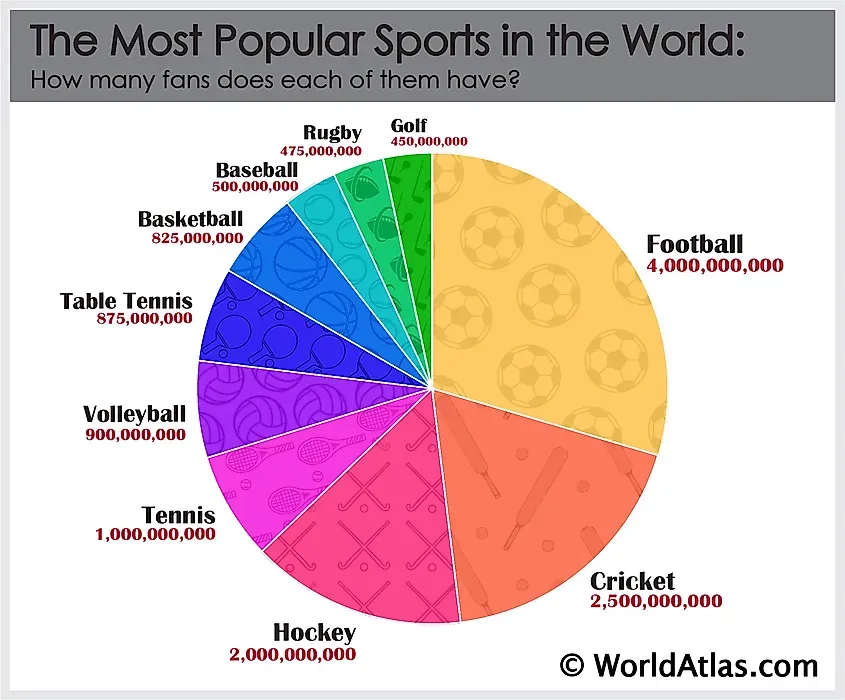
When discussing athletic pastimes that capture the hearts of fans everywhere, one cannot overlook the major contenders in global athletics. This includes iconic competitions in football (soccer) renowned for its unparalleled fanfare, basketball which mesmerizes with its fast-paced action, and cricket revered for its deep-rooted traditions. Additionally, tennis showcases elite skill on grand stages, while rugby engages audiences through its sheer physicality. As we delve into these key players in the world of competition and entertainment, we’ll uncover how these sports forge connections across borders and foster a sense of community therein.
1. The Global Phenomenon of Football
Football, often referred to as soccer in some locales, stands as a towering giant in the realm of global sports. It captivates the hearts of billions, transcending geographical and cultural boundaries. The FIFA World Cup is not merely a tournament; it is a unifying event that turns entire nations into a collective frenzy. The event draws an audience of over 3.5 billion during the month-long celebration of skill, teamwork, and competition, illustrating how deeply football is woven into the fabric of many cultures.
Grassroots initiatives and community leagues contribute significantly to football’s reach. It is a game that can be played anywhere, from urban concrete jungles to remote villages. This accessibility ensures that children and adults alike can engage in the sport and develop their skills, witnessing firsthand the values of cooperation and healthy competition. The rise of football academies around the world further spreads its influence, nurturing the next generation of players.
2. Understanding the Appeal of Basketball
Basketball has risen to become one of the most influential sports worldwide, largely popularized by the NBA, which showcases elite athletic prowess and intense competition. The sport’s fast-paced nature, characterized by high-scoring games and remarkable athletic feats, captures the interest of fans everywhere. Stars like LeBron James and Stephen Curry not only dominate the court but also serve as role models, inspiring young players globally.
Moreover, international competitions like the FIBA Basketball World Cup demonstrate basketball’s growing global footprint. The sport is embraced by various cultures, each contributing unique styles and strategies. From street courts in urban settings to professional arenas, basketball fosters a sense of community, drawing fans together in a shared experience of passion and excitement.
3. Cricket: More Than Just a Game
Cricket holds a prestigious place in global sports, especially in regions like South Asia, where it transcends mere entertainment to become a cultural phenomenon. Matches can evoke intense emotions, often leading to national celebrations or mourning, depending on the outcome. The Cricket World Cup serves as a platform where nations showcase not just their skills but their deep-rooted pride and camaraderie.
Cricket is deeply embedded in the social fabric of its strongest followers, often seen as a rite of passage for young boys and girls alike. The accessibility of the game, played with little more than a bat and a ball, allows for widespread participation, creating lifelong fans who transcend generations. This sport fosters communal ties, with matches spanning hundreds of years, maintaining traditions while evolving with time.
4. The Rise of Tennis
Tennis is a sport that elegantly combines individual skill with strategic depth, captivating audiences across the globe. Major tournaments like Wimbledon and the US Open attract millions, showcasing the world’s best athletes in displays of endurance, skill, and sportsmanship. The distinct tournaments often serve as cultural events, where fans gather to celebrate and appreciate the historical significance of the sport.
Additionally, tennis offers players a unique blend of competition and personal expression, making it appealing on various levels. Emphasizing sportsmanship, discipline, and mental fortitude, tennis encourages the development of both physical and psychological traits. With its global appeal, the sport is played in diverse settings, from majestic grass courts to public courts in local parks, making it more accessible than ever.
5. Formula 1: The Thrill of Speed
Formula 1 represents the epitome of motor racing, where speed, technology, and precision converge. The appeal of F1 lies not only in the adrenaline-pumping races but also in the intricate strategies teams must employ to achieve success. Iconic races, like the Monaco Grand Prix, highlight the glamour associated with the sport, drawing a dedicated global fan base that celebrates every twist and turn of the racing season.
Moreover, the sport’s connection to advanced engineering and innovation captivates a wide array of enthusiasts, from casual viewers to diehard fans. These technological marvels reflect the essence of modernity and human ingenuity, with each race showcasing cutting-edge advancements that push the limits of speed and safety. The camaraderie and rivalry among teams and drivers further deepen the fan experience, making F1 a captivating spectacle.
6. Rugby: A Sport of Passion
Rugby is a sport that epitomizes strength, strategy, and teamwork, especially prevalent in nations like New Zealand and South Africa. The Rugby World Cup represents the pinnacle of this sport, bringing together the best teams to compete at the highest level. Fans are drawn not just to the physical nature of the game but also to the community spirit it fosters, making it more than just a competition.
The emotional narratives surrounding rugby matches create a compelling atmosphere, encouraging fans to rally behind their teams with fervent loyalty. The culture of rugby promotes virtues such as respect, discipline, and fair play, which resonate deeply within its global community. It is this combination of physical challenge and cultural significance that solidifies rugby’s place among the most cherished sports worldwide.
7. Badminton: Fast-Paced Fun
Badminton has gained considerable traction as a competitive sport, particularly in Asia, where it enjoys a fervent following. The sport’s swift gameplay and technical requirements make it thrilling to both watch and play. With major international tournaments like the BWF World Championships, badminton showcases some of the most skilled athletes, drawing attention and acclaim from sports enthusiasts around the world.
Furthermore, the accessibility of badminton, needing only a racket and shuttlecock, allows for widespread participation at community and national levels. This promotion of sport culture has fostered grassroots organizations and initiatives that encourage youth involvement, paving the way for the next generation of players who can aspire to reach international stardom.
8. The Impact of Sports Culture on Society
The cultural implications of sports extend far beyond victories and losses; they touch on aspects of identity, community, and national pride. Sports serve as a powerful medium for bringing people together, transcending social, economic, and geographical barriers. The collective experience of cheering for a team or participating in community sports fosters a sense of belonging and solidarity, strengthening social ties across diverse populations.
Moreover, the rise of sports culture encourages inclusivity and diversity, as teams and organizations strive towards breaking barriers in gender and race. Celebrating athletes from various backgrounds can inspire generations, demonstrating that talent and passion can flourish regardless of one’s origins. The global nature of sports culture continues to create dialogues around societal issues, advocating for change and progress.
9. The Role of Technology in Modern Sports
In recent years, technology has revolutionized the landscape of global sports, enhancing both athlete performance and fan engagement. From wearable devices that track physical metrics to video analysis tools that refine strategies, technology plays a crucial role in optimizing training and competition. Athletes can now access real-time data to improve their skills, significantly impacting the quality of play.
Additionally, technological advancements in broadcasting and social media have transformed the way fans interact with their favorite sports. Online streaming services and social platforms allow fans to engage with live events anywhere, creating a more connected and interactive experience. This accessibility has further broadened the audience for various sports, making them more appealing and accessible to fans around the world.
10. Embracing Diversity in International Sports
The global sports arena celebrates diversity, showcasing talents from every corner of the world. Major events such as the Olympics epitomize this spirit, as nations come together to compete peacefully while celebrating their unique identities. This diverse participation enriches the sporting experience, providing a vibrant palette of traditions, styles, and cultures.
Sporting events foster international camaraderie, enabling countries to bond over shared experiences and admiration for athletes. The infusion of various cultural elements into sports enriches not only the games themselves but also the viewing experience for spectators, who gain insights into the traditions and values of others. As sports continue to evolve, embracing diversity remains key in bridging gaps and fostering global unity.
Frequently Asked Questions
What makes football the most popular sport globally?
Football, known as soccer in many regions, boasts over 4 billion fans worldwide. Its universal appeal lies in its simplicity, accessibility, and ability to bring people together across diverse cultures, especially during significant international events like the FIFA World Cup.
How has basketball grown in popularity across different countries?
Basketball’s growing global audience, particularly in the US, China, and Canada, can be attributed to its fast-paced gameplay and easily understandable rules. The NBA, along with international competitions like the FIBA World Cup, showcases talent that resonates with fans worldwide.
What cultural significance does cricket hold in countries like India and England?
In nations such as India and England, cricket is more than just a sport; it serves as a source of national pride and bonding. Major events like the Cricket World Cup mobilize entire communities, knitting together patterns of loyalty and admiration for cricket heroes.
Why are tennis tournaments like Wimbledon so drawing for fans?
Tennis events, particularly prestigious tournaments like Wimbledon and the US Open, attract global audiences due to their combination of individual skill, sportsmanship, and the cultural legacy of iconic players, making tennis a beloved sport among diverse demographics.
What distinguishes Formula 1 racing from other sports?
Formula 1 stands apart due to its high-speed thrills and advanced technology. The F1 World Championship captivates audiences through not just the races, but the strategies involved and the charismatic personalities of the drivers, making this a multifaceted sport.
How did rugby acquire its passionate following globally?
Rugby has garnered a devoted fan base, especially in countries like New Zealand and South Africa, due to its physical nature, intense competition, and the camaraderie that develops among players and supporters during high-stakes events like the Rugby World Cup.
What factors contribute to badminton’s rising popularity?
Badminton’s accessibility, minimal equipment need, and the fast-paced nature of the game appeal to both players and spectators. International competitions, such as the BWF World Championships, further stimulate interest and participation globally.
What role does sports culture play in global sporting events?
Sports culture enhances the experience of global sporting events by forging community ties, fostering national pride, and creating shared narratives among fans. This cultural importance is evident in how sports like football and cricket resonate deeply within societies.
How has technology impacted the consumption of international sports?
Technology, particularly through social media and online streaming, has revolutionized the way fans engage with international sports. This increased accessibility allows a broader range of audiences to follow their favorite sports and teams from anywhere in the world.
Why do major sports leagues like the NBA and Premier League attract such a large following?
Major leagues like the NBA and Premier League draw large audiences due to their high-caliber talent, thrilling competition, and extensive media coverage. The blend of sportsmanship and entertainment keeps fans engaged and growing in numbers.
| Sport | Global Popularity | Cultural Significance | Major Competitions |
|---|---|---|---|
| Football (Soccer) | 4 billion fans | Unites cultures, promotes teamwork and discipline | FIFA World Cup, English Premier League |
| Basketball | Gaining global popularity | High-speed gameplay, international competitions foster community | NBA, FIBA World Cup |
| Cricket | Extremely popular in the Commonwealth nations | Source of national pride, unites communities | Cricket World Cup, ICC events |
| Tennis | Global audience and participation | Elegance, discipline, individual skills | Wimbledon, US Open |
| Formula 1 Racing | Thrilling fanbase worldwide | Adrenaline, strategy, and innovation | F1 World Championship, Monaco Grand Prix |
| Rugby | Strong followings in select regions | Intense atmosphere and camaraderie | Rugby World Cup |
| Badminton | High popularity in Asia and Europe | Fast-paced and accessible | BWF World Championships |
Summary
The most popular sports around the world serve not only as entertainment but also as a profound reflection of cultural values and social connections. From football, which brings people together across continents, to cricket, which fosters national pride, each sport contributes uniquely to the global tapestry of athletic competition. As society evolves, the influence of these sports continues to grow, shaping community identities and elevating the human experience through shared passion and spirited competition.

