
Listen to this article
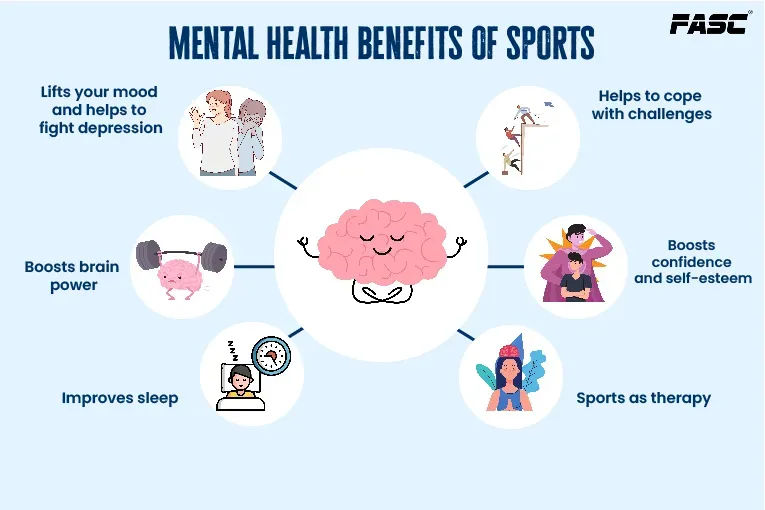
The mental health benefits of sports are increasingly recognized, as engaging in regular sports activity positively impacts well-being. Numerous studies affirm that physical activity not only strengthens the body but also enhances emotional resilience and reduces anxiety. Sports, whether played individually or as a team, foster a sense of community, helping to improve social interactions that are crucial for mental health. Furthermore, the invigorating effects of exercise have been shown to release endorphins, which act as natural mood lifters, making sports a key player in promoting mental stability. Embracing an active lifestyle through sports contributes not only to physical fitness but also to a profound sense of psychological wellness, paving the way for a healthier mindset.
Engaging in athletic pursuits plays a significant role in improving emotional and psychological health, commonly referred to as the overall well-being associated with sports and wellness. Whether it’s running, playing soccer, or participating in group fitness classes, the diverse choices of physical activity yield substantial exercise benefits for mental health. Increased physical activity aids in alleviating symptoms of stress and anxiety, facilitating relaxation and mindfulness that are essential in today’s hectic world. Moreover, the camaraderie and support found in team sports create strong social bonds, which further enhance mental well-being. By prioritizing such activities, individuals can cultivate not just fitness but also resilience against mental health challenges.
The Psychological Advantages of Sports Participation
Participating in sports delivers substantial psychological advantages that extend beyond physical fitness. Sports activity serves as a powerful tool for mental resilience, allowing individuals to develop coping mechanisms that enhance their emotional regulation. Engaging in competition and teamwork helps foster a sense of achievement and perseverance, crucial traits in overcoming personal challenges. Each game or match presents opportunities for emotional expression and stress relief, leading to improved mental clarity and emotional stability.
Moreover, the very act of engaging in sports nurtures a sense of community and belonging. Whether through team dynamics or friendships formed through shared interests, sports participation supports mental well-being by connecting individuals with like-minded peers. This social interaction is vital for combating feelings of loneliness and isolation, providing a support network that encourages positive mental health.
Exploring the Mental Health Benefits of Sports
The mental health benefits sports provide encompass various aspects of our well-being. Regular participation in sports not only helps in the release of endorphins, which boost mood but also provides a structured routine that helps mitigate anxiety and depression. The physical exertion involved in sports acts as a natural way to combat stress, fostering an environment where individuals can process their emotions more effectively.
Additionally, sports instill discipline and goal-setting behavior, which are crucial in enhancing mental fortitude. Athletes often set personal performance goals, which not only contribute to their physical development but also enhance their sense of purpose and focus. This aspect of sports can translate into other areas of life, empowering individuals to pursue their goals with determination.
Stress Relief Through Sports: How it Works
Engaging in sports provides an essential outlet for stress relief, addressing both the psychological and physiological aspects of stress management. Physical activity stimulates the body to produce endorphins, which help alleviate feelings of stress and anxiety. This natural chemical response creates a sense of euphoria during and after the sports activity, fostering a healthier state of mind.
Furthermore, the routine of participating in sports promotes time away from everyday stressors. Whether it’s a team practice or a solo workout, these moments serve as a form of therapy by allowing minds to divert from worries. This distraction, paired with the physical exertion involved, provides significant relief and a fresh perspective on challenges faced in daily life.
The Role of Exercise in Enhancing Mental Well-Being
Regular exercise, especially through sports, has a profound impact on mental health. It sets in motion various neurological processes that help combat mental health disorders such as anxiety and depression. Learning about the benefits of physical activity mental health encourages individuals to seek out activities that promote not just physical fitness but emotional well-being.
Moreover, different forms of exercise cater to diverse personal preferences, making it easier for individuals to find sports that resonate with them. Whether it’s cycling, swimming, or team sports, each offers unique benefits that contribute to sustaining mental wellness and creating a balanced lifestyle.
Team Sports and Mental Well-Being
Team sports hold a special place in contributing to mental well-being by fostering social connections and enhancing teamwork skills. Engaging in team-oriented activities encourages individuals to communicate more effectively and develop strong support systems. The camaraderie built within a team can alleviate feelings of isolation while enriching one’s social life.
Furthermore, team sports incorporate a shared goal that fosters accountability and motivation among participants. This sense of belonging and mutual encouragement is vital for personal growth and can significantly enhance one’s self-esteem and confidence, leading to lasting improvements in overall mental health.
Mindfulness and Focus Through Sports Participation
Sports offer a unique avenue for cultivating mindfulness and improving focus, crucial elements for mental health. The necessity of concentration during sports engagements not only enhances performance but also encourages athletes to remain present in the moment. This practice mimics mindfulness techniques and helps in reducing anxiety and undue stress.
Moreover, developing these skills through sport can lead to improved life balance. Individuals who practice focusing during sports can apply this ability in everyday situations, assisting in managing overwhelming emotions and maintaining mental clarity even under pressure.
Incorporating Sports into Your Daily Routine for Mental Health
Incorporating sports into your daily routine can greatly improve mental health outcomes. This does not necessitate an intense schedule; rather, consistency and enjoyment are the key factors. By choosing activities that resonate personally, one can ensure regular participation without the feeling of obligation.
Additionally, setting realistic and achievable goals within sports activities encourages individuals to track their progress in both physical and mental aspects. This goal-setting practice fosters motivation, helping sustain ongoing participation, and ultimately enhancing overall mental wellness.
The Benefits of Consistency in Sports Engagement
Consistency is critical when it comes to reaping the mental health benefits of sports. Regular physical activity allows the body and mind to develop resilience against stress and anxiety. Establishing a routine of engaging in sports cultivates habits that enhance both physical fitness and emotional stability.
Moreover, consistent engagement provides a sense of accomplishment and forward momentum. As individuals see improvements and milestones in their sports journey, their mental well-being is positively affected, reinforcing their self-esteem and motivation to continue.
Seeking Professional Guidance for Enhanced Mental Health Through Sports
Enlisting the help of a coach or personal trainer can significantly amplify the mental health benefits derived from sports activities. Professional guidance helps tailor physical activities to individual capabilities and goals, ensuring safety while maximizing potential outcomes. This form of support can alleviate the stress of uncertainty, fostering a more enjoyable and fulfilling sports experience.
Such professional involvement not only contributes to physical prowess but can also facilitate mental resilience. Coaches often serve as mentors, encouraging individuals to challenge themselves and build mental toughness that transcends the sports arena, imparting skills useful in everyday life.
Frequently Asked Questions
What are the mental health benefits of participating in sports?
Participating in sports offers numerous mental health benefits, including the release of endorphins which elevate mood, improved self-esteem from setting and achieving goals, and effective stress relief through physical activity. Engaging in sports also fosters social interactions and enhances overall mental wellness.
How does physical activity affect mental health?
Physical activity positively impacts mental health by reducing stress hormones like cortisol, promoting better sleep, and creating a sense of accomplishment. This helps to alleviate symptoms of anxiety and depression, making sports a valuable component of mental well-being.
Can team sports improve mental well-being?
Yes! Team sports significantly contribute to mental well-being by fostering social connections, creating a sense of belonging, and encouraging positive interactions among teammates. This communal atmosphere helps reduce feelings of isolation and supports mental health.
What is the role of exercise in stress relief?
Exercise plays a crucial role in stress relief by lowering levels of stress hormones and providing a healthy outlet for anxiety. Engaging in regular physical activities, like sports, can distract from everyday stressors and promote relaxation, leading to improved mental health.
How does sports activity help with anxiety management?
Sports activity helps manage anxiety by promoting mindfulness and focus. Participation in physical activities encourages individuals to stay present, reducing ruminating thoughts and providing a constructive way to channel mental energy.
What impact does regular exercise have on self-esteem?
Regular exercise, especially through sports, enhances self-esteem by providing opportunities to achieve personal goals and witness progress. The sense of accomplishment and improved self-image that comes from engaging in sports boosts confidence and fosters a positive self-perception.
Why is social interaction in sports important for mental health?
Social interaction in sports is vital for mental health as it promotes camaraderie and a sense of belonging. Team-based activities create supportive environments where individuals motivate one another, reducing feelings of loneliness and positively impacting emotional well-being.
Can physical activity improve sleep quality and mental health?
Yes, physical activity, particularly through sports, improves sleep quality which is essential for mental health. Regular exercise helps individuals fall asleep faster and achieve deeper sleep, contributing to better mood and reduced symptoms of anxiety and depression.
What types of sports are best for enhancing mental health?
Any sport that you enjoy can enhance mental health, as enjoyment increases adherence. Team sports, yoga, swimming, and outdoor activities are particularly beneficial due to their emphasis on social interaction and stress relief.
How can I start incorporating sports into my routine for mental health benefits?
To incorporate sports into your routine, choose enjoyable activities, set realistic goals, consider joining a team for social benefits, maintain consistency, and seek guidance if needed. This approach helps ensure that you reap the full mental health benefits of regular sports participation.
| Key Points | ||
|---|---|---|
| Understanding Mental Health | Mental health affects our emotional, psychological, and social well-being. | Common issues include anxiety, depression, and stress-related disorders. |
| Connection Between Physical Activity and Mental Health | Regular sports provide various mental health benefits supported by science. | Benefits include improved mood and reduced stress levels. |
| Endorphins Release | Sports activity triggers endorphin release, enhancing moods. | Known as the ‘runner’s high’, it leads to immediate positive effects. |
| Stress Reduction | Physical activity reduces stress hormones like cortisol. | Provides a diversion from daily stressors. |
| Enhanced Self-Esteem | Achieving sports goals boosts self-esteem and confidence. | Develops a positive self-image through progress. |
| Improved Sleep Patterns | Regular activity enhances sleep quality and duration. | Better sleep contributes to improved mental health. |
| Social Interaction | Team sports enhance social connections and reduce isolation. | Fosters a supportive community and camaraderie. |
| Mindfulness and Focus | Sports encourage presence and focus, akin to mindfulness. | Helps manage anxiety and improves mental clarity. |
Summary
The mental health benefits of sports are significant and varied, making them an essential component of maintaining overall well-being. Regular participation in sports not only promotes physical health but also contributes positively to mental well-being by releasing endorphins, reducing stress, and enhancing self-esteem. These activities serve as effective outlets for managing everyday stressors and improving social interactions, fostering a sense of community among participants. By incorporating sports into daily life, individuals can bolster their mental health and gain resilience against anxiety and depression, ultimately enhancing their quality of life.

