
Listen to this article
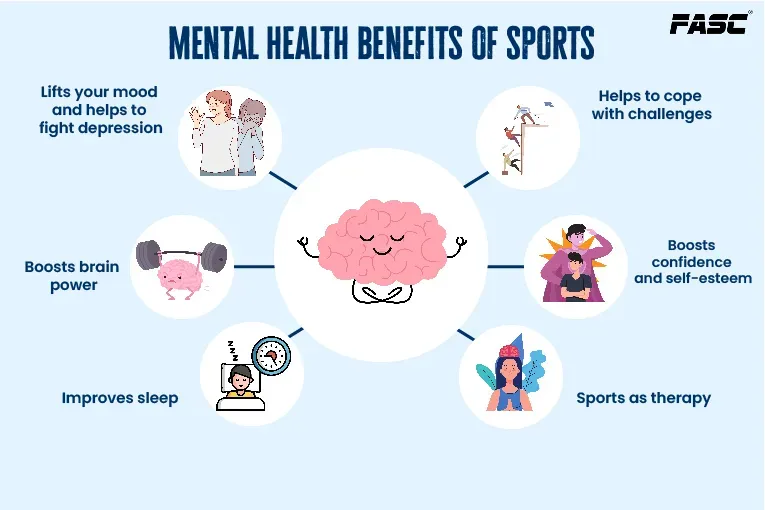
The mental benefits of team sports are profound and often underestimated. Engaging in these collective activities boosts not only physical health but also enhances mental well-being. By fostering positive relationships, team sports contribute to improved self-esteem and social skills, which are essential for personal growth. Participating in sports alongside others cultivates a strong sense of community, significantly benefiting mental health and sports enthusiasts alike. With every game, players build resilience, learn cooperative strategies, and develop a supportive environment that nurtures their emotional and psychological well-being.
When we think about group athletic pursuits, the cognitive and psychological enhancements they provide can overshadow other aspects. Participating in collective recreational activities not only serves the body but also plays a pivotal role in shaping mental health through interaction and collaboration. Structured athletic environments boost self-confidence and cooperation, helping athletes develop vital social skills. The synergy created in such settings cultivates resilience and discipline, which benefit participants off the field, illustrating the multifaceted nature of team sports. Ultimately, these activities promote a robust community spirit that enriches individual lives both mentally and socially.
The Importance of Team Sports for Mental Health
Team sports play a crucial role in enhancing mental health, providing individuals with a supportive environment that promotes well-being. The camaraderie built within a team allows members to form strong emotional connections, which can be incredibly beneficial for mental health. In today’s fast-paced world, the sense of belonging and support found in team sports can significantly alleviate feelings of isolation and loneliness.
Moreover, engaging in team sports often leads to improved emotional regulation. The structured environment of practices and games gives players a safe space to express their emotions and cope with stressors. The accountability to teammates can also encourage positive mental health practices, prompting athletes to take better care of their mental well-being.
Frequently Asked Questions
What are the mental benefits of team sports?
Team sports provide numerous mental benefits including improved self-esteem, reduced stress levels, enhanced social skills, and greater resilience. By collaborating with teammates, individuals can foster a supportive environment that encourages mental well-being and personal growth.
How do team sports improve self-esteem?
Engaging in team sports boosts self-esteem as players contribute to their team’s success. Achievements like scoring a goal or winning a match affirm athletes’ abilities and enhance their self-worth through shared accomplishments.
Can team sports contribute to better mental health?
Yes, the mental health benefits of sports are significant. Participating in team sports can reduce symptoms of anxiety and depression, promote a sense of belonging, and create accountability among teammates, all of which contribute to improved mental health.
In what ways do team sports enhance social skills?
Team sports foster social interaction and require communication and cooperation, helping individuals develop essential social skills. Learning to navigate team dynamics teaches players how to support others, share responsibilities, and effectively resolve conflicts.
How do team sports help in building resilience?
Experiencing both wins and losses in team sports helps athletes develop resilience. Learning to handle setbacks and maintain motivation in the face of challenges equips them with valuable life skills that translate beyond sports.
What factors contribute to stress relief in team sports?
The combination of physical exertion and camaraderie in team sports promotes stress relief. Physical activity triggers endorphin release, reducing stress and leading to feelings of happiness and relaxation among participants.
Do team sports lead to improved focus and discipline?
Team sports require a high level of focus and discipline, as athletes must pay attention to strategies and roles during games. This discipline enhances cognitive functioning and can positively impact areas like academics and professional life.
How do team sports promote motivation and goal setting?
The structure of team sports encourages athletes to set and pursue personal and collective goals. Working together towards these goals fosters motivation, driving players to improve consistently and develop effective goal-setting habits.
What role does camaraderie play in the mental benefits of team sports?
Camaraderie in team sports creates a sense of belonging and support among players, crucial for mental health. This shared experience contributes to lower levels of anxiety and depression, reinforcing the mental well-being benefits of participating in team sports.
Why should I consider joining a team sport for mental health benefits?
Joining a team sport can significantly enhance your mental health by providing a supportive environment, boosting self-esteem, and developing social skills. These benefits are essential for improving overall quality of life and coping with personal challenges.
| Key Point | Description |
|---|---|
| Improved Self-Esteem | Boosts self-worth through team accomplishments and personal contributions. |
| Stress Relief | Physical activity releases endorphins, reducing stress and promoting relaxation. |
| Enhanced Social Skills | Fosters communication, cooperation, and conflict resolution skills. |
| Building Resilience | Teaches athletes how to handle defeat and bounce back from challenges. |
| Improved Focus and Discipline | Demands attention to strategy and role, enhancing cognitive functioning. |
| Increased Motivation and Goal Setting | Encourages personal and collective goal attainment, fostering a strong work ethic. |
| Contributing to Mental Health | Alleviates symptoms of anxiety and depression through supportive teamwork. |
Summary
The mental benefits of team sports go far beyond physical exercise. Engaging in team sports can significantly boost self-esteem, alleviate stress, and enhance social skills. Moreover, athletes learn resilience, improve focus, and develop discipline through consistent practice and competition. These experiences not only promote better mental health but also foster an environment where individuals can set and achieve goals collectively. Thus, participating in team sports is not just beneficial for physical fitness; it is a transformative practice that supports overall mental well-being.

