
Listen to this article
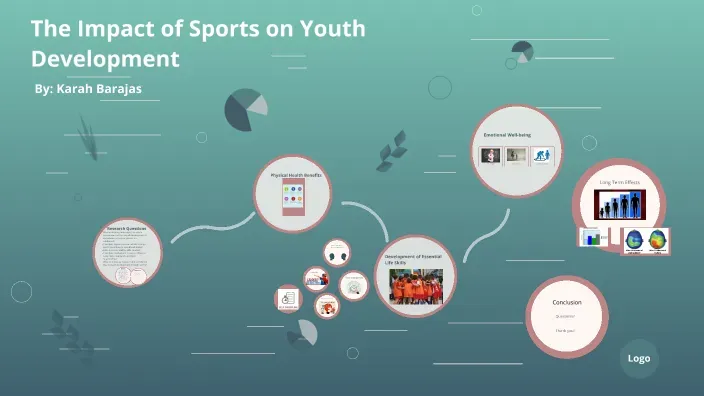
The impact of sports on youth development is profound, influencing not just physical health but also mental and social growth. Engaging in organized athletics offers young people invaluable experiences that promote teamwork and foster resilience, enhancing their overall development. Participation in youth sports benefits not only physical fitness but also crucial life skills such as discipline and leadership. Moreover, sports contribute positively to mental health, helping to reduce anxiety and build self-esteem in adolescents. Understanding these diverse benefits underscores the importance of incorporating sports into youth programs to shape healthier and more successful individuals.
Exploring the benefits of athletics in the lives of young people reveals a significant connection between physical activity and personal growth. The role of team-based competitions and outdoor recreational activities provides youth with a platform for developing social bonds and enhancing cognitive skills. Participation in these activities goes beyond mere entertainment; it nurtures essential qualities like collaboration, perseverance, and healthy coping mechanisms. Moreover, engaging in sports can foster a sense of belonging and inclusivity, which is critical for emotional development in adolescents. By prioritizing access and engagement in these activities, we can ensure a robust foundation for youth empowerment and growth.
The Multifaceted Benefits of Youth Sports
Youth sports offer a range of benefits that go far beyond physical fitness. Engaging in sports helps to build discipline and dedication as young athletes learn to adhere to practice schedules and game rules. These characteristics are not only crucial in athletics but also translate to better academic performance and life skills. By participating in sports, youth develop a mindset of perseverance, pushing through challenges and overcoming obstacles, which can lead to greater achievements in various aspects of their lives.
Moreover, youth sports encourage time management skills. Balancing schoolwork, practice sessions, and social life teaches young individuals to prioritize and allocate their time effectively. This ability to manage multiple responsibilities is a vital life skill that will serve them well into adulthood, influencing their future successes both in and out of professional environments.
The Impact of Sports on Youth Development
The impact of sports on youth development is profound and far-reaching. Engaging in regular sports activities helps young people develop essential life skills such as teamwork, communication, and leadership. As they interact with peers, they learn how to work collaboratively towards a common goal, negotiate differences, and support one another. These experiences lay the groundwork for healthy relationships and interactions in their adult lives, making them more adept at navigating social situations.
Additionally, sports participation fosters a sense of belonging. When youths are part of a team, they create connections that are critical for their emotional and social development. This support network can help mitigate feelings of isolation or anxiety, propelling them towards a healthier mental state. As they relish their achievements together, youths develop a strong sense of community, which reinforces their identity and self-worth.
Sports: A Catalyst for Mental Well-Being
Participating in sports has been shown to have tremendous benefits for mental health among youth. Regular physical activity produces endorphins—chemicals in the brain that act as natural painkillers and mood elevators—leading to lower levels of anxiety and stress. Engaged in the rhythm of sports training and competition, youth can effectively channel their emotions, leading to improved mental well-being.
Moreover, sports help young individuals build resilience. The challenges faced during competitions teach them how to cope with failure and setbacks, fostering mental toughness. When they learn to bounce back from disappointment, they also become more adaptable and optimistic, characteristics that are essential for achieving long-term goals.
Fostering Teamwork in Youth Sports
Teamwork is a fundamental lesson learned through participation in youth sports. On the field or court, young athletes quickly discover the importance of working together to achieve a common objective. This collaboration enhances their understanding of interpersonal dynamics and develops their ability to communicate effectively with peers. The bonds formed during these experiences can lead to lasting friendships that enrich their social lives.
In addition, teamwork in sports teaches valuable leadership skills. Within a team, players often rotate roles, allowing the opportunity for everyone to lead at different times. This shared responsibility cultivates an environment where youths learn to motivate and inspire others, equipping them with skills that are crucial for future collaborative settings, both in their personal and professional lives.
Building Resilience through Sports Participation
Sports serve as a training ground for resilience—an essential trait for personal and professional success. The nature of competitive sports involves a cycle of wins and losses, which teaches young athletes to deal with various outcomes. Learning to manage disappointment after a loss builds character and prepares them for life’s inevitable challenges.
Moreover, through ongoing practice and competition, youngsters develop perseverance, learning that consistent effort is often the key to achievement. This understanding can boost their confidence, encouraging them to take on challenges in other areas of their lives and paving the way for a resilient mindset that thrives in difficult situations.
Promoting Lifelong Healthy Habits through Sports
Engaging in sports during youth establishes the foundation for a commitment to a healthy lifestyle. Young athletes who experience the benefits of physical activity are more likely to continue staying active into adulthood. This sustained engagement reduces the risk of chronic diseases and promotes overall well-being for life.
Additionally, when children prioritize physical fitness in their formative years, they form positive habits that can lead to better dietary choices and mental health awareness. The awareness gained through sports participation can motivate them to value their health, making informed decisions that promote a balanced and healthy lifestyle throughout their lives.
The Role of Coaches in Youth Sports Development
Coaches represent a pivotal element in the development of young athletes. They not only teach the technical skills required for various sports but also instill values such as discipline, respect, and perseverance. An effective coach can significantly impact a young athlete’s life, offering guidance and mentorship that helps shape their character and work ethic.
Importantly, coaches also create a supportive environment that fosters personal growth. By emphasizing the importance of sportsmanship and enjoyment in sports, they help youth appreciate the journey rather than just the outcomes, which can enhance their love for the game and encourage long-term participation.
Impact of Youth Sports on Academic Achievement
Research suggests a positive correlation between youth sports participation and academic achievement. The skills gained through athletic activities, such as time management and discipline, are beneficial for academic success. Students who engage in sports are often better equipped to handle their studies and demonstrate improved focus and concentration in the classroom.
Moreover, the goal-setting practices learned in sports can translate directly to an academic context. Young athletes learn to set personal milestones, strive towards achievement, and evaluate their progress—skills that are invaluable for academic endeavors and can contribute to higher performance levels across the board.
Encouraging Diversity and Inclusion through Youth Sports
Youth sports serve as a powerful tool for promoting diversity and inclusion. When kids from different backgrounds come together to form teams, they gain exposure to diverse cultures and perspectives. This interaction fosters an environment of understanding and respect, teaching youngsters to appreciate differences and work collaboratively with others.
Furthermore, inclusive sports programs can help break down socioeconomic barriers, ensuring that every child has the opportunity to participate, regardless of their background. Encouraging diversity within sports teams enhances social skills and prepares youth to navigate and contribute to a multicultural society.
Frequently Asked Questions
What is the impact of sports on youth development?
The impact of sports on youth development is profound, encompassing physical fitness, mental health benefits, and social skills enhancement. Engaging in sports promotes healthy habits, boosts self-esteem, and fosters teamwork among young individuals.
How do youth sports benefits contribute to mental health?
Youth sports benefits extend to mental health by reducing anxiety and depression. Participation in sports helps young people develop resilience and discipline, which can improve focus on academic tasks and overall psychological well-being.
In what ways does teamwork in youth sports affect social skills?
Teamwork in youth sports is essential for social skills development. It teaches young athletes to cooperate, resolve conflicts, and build friendships, which are crucial for their personal growth and ability to navigate social environments.
Can development through sports improve academic performance in youth?
Yes, development through sports can improve academic performance in youth. The discipline and time management skills learned through balancing sports and studies often translate to better grades and enhanced concentration in academic settings.
What role does physical development play in the impact of sports on youth?
Physical development is a key aspect of the impact of sports on youth. Regular participation in sports enhances cardiovascular health, strengthens muscles, and improves motor skills, aiding in the overall physical well-being of young individuals.
How do coaches influence the impact of sports on youth development?
Coaches play a pivotal role in the impact of sports on youth development. They not only teach athletic skills but also emphasize personal growth, resilience, and sportsmanship, significantly influencing a young athlete’s experience and success.
Why is promoting participation in youth sports important for development?
Promoting participation in youth sports is crucial for development because it ensures that all children, regardless of background, have access to the benefits of physical activity, teamwork, and social engagement, fostering a well-rounded growth experience.
What are long-term benefits of sports participation in youth?
The long-term benefits of sports participation in youth include a commitment to a healthy lifestyle, improved career prospects through developed skills like teamwork and leadership, and a greater sense of community engagement throughout adulthood.
How do sports impact self-esteem and confidence in young athletes?
Sports impact self-esteem and confidence in young athletes by providing opportunities to set and achieve goals. Success in sports helps youths feel accomplished, encouraging them to tackle challenges in other life areas.
What are the effects of youth sports on physical health outcomes later in life?
Youth sports have positive effects on physical health outcomes later in life. Engaging in regular sports fosters habits that lead to reduced rates of chronic diseases, improved fitness, and overall better health as individuals age.
| Aspect | Key Points |
|---|---|
| Physical Development | Enhances cardiovascular health, strengthens muscles, improves flexibility, aids in motor skill development. |
| Mental Benefits | Promotes better mental health, reduces anxiety and depression, fosters discipline and focus. |
| Social Skills Development | Teaches teamwork, communication, and conflict resolution while exposing youth to diverse backgrounds. |
| Building Self-Esteem | Develops confidence through goal achievement in sports, translating to other life areas. |
| Foundation for Healthy Lifestyle | Encourages lifelong health and fitness habits, reducing the risk of chronic diseases. |
| Role of Coaches and Mentorship | Coaches facilitate personal growth, resilience, and a positive sporting environment. |
| Sports Participation Linked to Future Success | Develops skills beneficial for career advancement, such as discipline and leadership. |
| Encouraging Participation | Promoting access to sports for all youth, regardless of socio-economic status. |
Summary
The impact of sports on youth development is profound and multifaceted, shaping not only physical health but also mental well-being and social skills. As young people engage in sports, they build crucial attributes that lead to improved health outcomes, higher academic performance, and deeper interpersonal connections. Encouraging participation in sports fosters teamwork and resilience while instilling a sense of achievement and self-worth. By supporting youth engagement in athletics, we not only influence their development positively but also invest in a healthier, more active future generation.

