Listen to this article
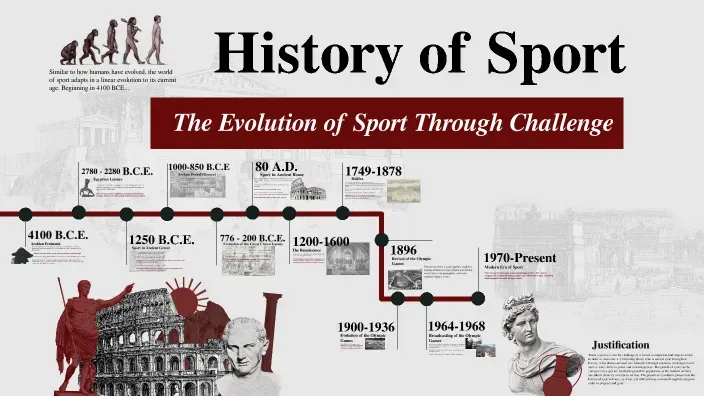
The history of sport is a fascinating journey that encapsulates the essence of human endeavor throughout the ages. Beginning with ancient games in civilizations like Greece and Rome, sports were not only a reflection of physical skill but also of cultural identity and societal values. As we delve into this captivating history, we uncover how the Olympic history shaped modern competitions, leading to the establishment of global sporting events that thrill millions worldwide. From the ritualistic nature of early athletic contests to the dynamic sports culture we experience today, the evolution of sport mirrors the progress of humanity itself. This blog will explore key milestones that have defined sports over the centuries and their lasting impact on society.
The evolution of athletics spans centuries, moving from primitive forms of competition to the structured spectacles we enjoy today. This narrative includes the transformation of ancient contests into the modern sports we recognize, highlighting how competitive activities have flourished within diverse cultural contexts. With a focus on organized events and global tournaments, this exploration will reveal the layers of significance that sports hold in our lives, intertwining social fabric and national pride. As we examine this topic, we will also consider the role of key historical developments, such as the establishment of international accolades and professional leagues, in shaping the current landscape of athletics.
The Rich History of Sport: From Ancient Games to Modern Marvels
The history of sport is a captivating tapestry woven with threads of competition, culture, and community. From the earliest recorded forms of physical contests in ancient Greece, where the Olympic Games epitomized athletic glory, to the elaborate ceremonies of modern championships, sport has always been a reflection of societal values and human potential. Ancient games featured not only physical prowess but also a deep connection to religious rituals and societal structure, demonstrating how integral sport has been to human civilization.
As we trace the evolution of sport through different eras, it becomes clear that each period brought unique interpretations and innovations. Ancient civilizations celebrated their valor through various athletic contests, while the transition into the Middle Ages saw sports adapting to new social norms. These historical shifts led to the development of organized sports that we recognize today, highlighting how historical context shapes sporting practices and community engagement in sports.
The Olympian Legacy: A Pillar of Sports Culture
The Olympic Games, which originated in ancient Greece, are not just a sporting event; they are the embodiment of competitive spirit and cultural unity. The revival of the Olympics in the late 19th century marked a pivotal moment in sports history, promoting international camaraderie and athletic excellence. The inaugural modern Olympics in 1896 redefined sporting events and established a framework that continues to influence the structure of global competitions.
This legacy extends beyond mere athletics; it has cultivated a rich sports culture encompassing values such as fairness, respect, and perseverance. Modern Olympic ceremonies blend traditions with contemporary elements, acting as a global stage for nations to showcase their best athletes. The impact of the Olympics resonates not only in sports but also in diplomacy and cultural exchange, reinforcing the notion that sports serve as a bridge connecting diverse backgrounds.
The Middle Ages: A Shift in Sport Dynamics
During the Middle Ages, the fabric of sports began to change, influenced predominantly by societal and religious shifts. As the Roman Empire declined, the focus on physical prowess waned, yet sports like jousting emerged, symbolizing the valor and chivalry associated with knightly culture. These competitions were not mere entertainment; they were rooted in social hierarchy and military training, illustrating how sports can reflect societal structures.
Other activities like archery surfaced as essential skills for personal defenses and hunting, with leagues and competitions slowly forming. The medieval period may have stifled some forms of recreation due to the rise of Christianity, but it also paved the way for later adaptations, leading to the foundational forms of sports we see in modern society. Thus, the evolution during these times is crucial in understanding where contemporary sports originate.
The Birth of Organized Sports in the 19th Century
The 19th century heralded a transformative era for sports, catalyzed by industrialization and an increasing urban population seeking structured entertainment. This period witnessed the formalization of rules and the establishment of governing bodies, fundamentally altering how sports were played and perceived. Institutions, clubs, and schools began to cultivate a sense of competitive spirit through organized events, moving beyond informal play.
The creation of organizations like the Football Association in 1863 exemplified this shift, bringing a standardized approach to popular games. Such developments laid the groundwork for the vibrant sports culture that continues to thrive globally. The standardization process encouraged wider participation and set the stage for the emergence of global competitions, culminating in massive events like the Olympic Games and the World Cup.
The Global Sports Phenomenon of the 20th Century
The 20th century witnessed an unprecedented globalization of sports, characterized by the rise of mass media and commercial interests that transformed sports into a significant aspect of cultural identity. Television, in particular, revolutionized the way audiences interacted with sports, enabling millions to experience events like the FIFA World Cup and the Super Bowl from their homes. This accessibility fundamentally changed how fans engaged with their favorite sports and athletes.
Moreover, this era marked the convergence of sports with commerce, as sponsorship and brand partnerships flourished. Icons like Michael Jordan transcended athletics, becoming global figures and influencing culture. Such shifts not only increased the visibility of various sports but also highlighted the growing sports culture as a crucial element of modern life, blending entertainment with athletic excellence.
Modern Championships: Celebrating Athletic Excellence
Modern championships serve as grand showcases of athletic prowess and are pivotal in defining contemporary sports culture. Events like the Olympic Games and the FIFA World Cup bring together athletes from diverse backgrounds, celebrating not only physical achievement but also a spirit of unity and competition among nations. The Olympic Games, in particular, symbolize the convergence of varied talents and cultures, showcasing the best of human capabilities on a global stage.
These championships do more than entertain; they inspire millions and foster national pride. The economic impacts of hosting such events can be profound, driving tourism and local business while also influencing the development of sports infrastructure. As we celebrate these victories, it becomes clear that modern championships are vital in shaping public perception of sports and their role in society.
The Role of Technology in the Evolution of Sport
Technology has become an integral part of sports, revolutionizing how athletes train, compete, and interact with fans. Innovations ranging from advanced analytics and wearables to virtual reality training can optimize performance and enhance the spectator experience. Such technological advancements not only push the boundaries of what athletes can achieve but also fundamentally alter how audiences engage with their favorite sports.
The integration of technology into training regimens has become commonplace, allowing athletes to analyze metrics and performance data to refine their skills. Moreover, technological advancements in broadcasting have transformed viewership, enabling fans to partake in immersive experiences that bring them closer to the action. As technology continues to evolve, its impact on sports culture and athlete performance will only increase, shaping the future of competition.
Inclusive Sports: Breaking Barriers and Building Communities
In recent years, there has been a notable shift toward inclusivity in sports, recognizing the importance of providing opportunities for all athletes, regardless of gender, ability, or background. This movement emphasizes the value of diverse participation and the inherent benefits of inclusivity, fostering environments where every athlete can excel and contribute to their sports culture. The promotion of women’s sports and adaptive athletics has become a significant focus, encouraging participation at all levels.
Organizations and communities are increasingly working to break down barriers that have historically excluded individuals from participating in sports. By championing inclusivity, these initiatives not only empower athletes but also enrich the community as a whole, fostering connections and understanding through shared sporting experiences. The growing recognition of diverse voices in sports is reshaping the landscape and inspiring future generations to pursue their passions.
Future Trends in Sports: Challenges and Opportunities
As the sports landscape evolves, several critical issues will shape the future of sport. From tackling challenges surrounding mental health for athletes to navigating the complexities of gender equality in sports, the ongoing conversation is essential for driving progress. Initiatives aimed at improving athlete wellbeing and creating equitable opportunities are gaining momentum, reflecting broader societal shifts toward inclusivity.
Additionally, the integration of technology will continue to play a prominent role, offering innovative solutions to emerging challenges. As sports face pressure for transparency and accountability, leveraging advancements in data analytics can enhance performance tracking and governance. The future of sport is poised to be shaped by these trends, ensuring that competition remains at the heart of athletic pursuits while addressing societal needs.
Frequently Asked Questions
What are the origins of the history of sport in ancient civilizations?
The history of sport traces back to ancient civilizations like Greece and Rome, where physical activities were often tied to religious ceremonies and community bonding, with events like the Olympic Games showcasing athletic prowess.
How did the ancient games influence the development of modern sports?
Ancient games set the foundational principles for modern sports, emphasizing competition, physical skill, and organized events, which would evolve into today’s structured championships.
What role did the Olympic history play in the evolution of international sport?
Olympic history marks a significant moment in sport’s evolution, as the revival of the Games in 1896 symbolized international unity and peace, inspiring the establishment of various global sports competitions.
What sports emerged during the Middle Ages and how did they reflect sport evolution?
During the Middle Ages, sports like jousting and archery gained popularity, reflecting a shift from ancient competitive practices to more organized and culturally significant activities.
How did the 19th century contribute to the establishment of modern championships?
The 19th century saw the birth of modern sports due to industrialization, leading to the formation of governing bodies and standardized rules, which laid the groundwork for today’s championships.
What impact did World Wars have on the history of sport?
World Wars temporarily shifted focus away from sports; however, they later emerged as crucial tools for rebuilding communities and nations, highlighting sport’s cultural significance.
How did television change the landscape of modern sports?
The advent of television revolutionized modern sports by transforming them into a commercial industry, enabling mass viewership and creating a cultural phenomenon around major sports events.
What are some key events that define modern championships in sports culture?
Key events like the Olympic Games, FIFA World Cup, and Super Bowl are defining moments in modern championships, showcasing athletic excellence and uniting diverse cultures through competition.
How is technology shaping the future of sports?
Technology is set to revolutionize the future of sports through innovations like virtual reality and data analytics, enhancing training, fan engagement, and the overall viewing experience.
What challenges does the history of sport face in today’s world?
Today’s sports culture faces challenges such as ensuring gender equality, addressing athlete mental health, and adapting to technological advancements, which will shape the evolution of sports in the future.
| Period | Key Features |
|---|---|
| Ancient Civilizations | Sports tied to warfare, culture, and community; Olympic Games as key event. |
| Middle Ages | Shifted focus to jousting and early forms of folk games like football. |
| 19th Century | Establishment of modern sports organizations; revival of the Olympic Games. |
| 20th Century | Rise of global sports phenomenon; commercialization and professionalization. |
| Modern Championships | Major events like Olympics and FIFA World Cup showcase global athletic competition. |
Summary
The history of sport illustrates humanity’s ongoing journey through time, showcasing how competitive human spirit has evolved. From ancient games rooted in civilization to modern championships that draw global audiences, the rich legacy of sports highlights significant cultural and social transitions. As we continue to engage with sports, whether as athletes or fans, we embrace this heritage, further enhancing our connection with the past while paving the way for future developments in the sport.