Listen to this article
When considering types of life insurance UK residents can choose from, it’s vital to understand the various options available to meet individual and family needs. The primary forms of coverage include term life insurance, which offers protection for a specific period; whole of life insurance, providing coverage for your entire lifetime; and family income benefit, designed to support beneficiaries with a regular income. Additionally, considering income protection insurance can be crucial as it safeguards your earnings in case of illness or injury. Navigating these UK life insurance policies can feel overwhelming; however, understanding their unique features can help you make informed, confident decisions for your financial security. Whether you seek affordable short-term protection or a long-lasting safety net, there’s a policy to fit your specific requirements.
In the landscape of personal finance, life assurance serves as a cornerstone for safeguarding loved ones against financial uncertainty. Various life assurance plans include contractual agreements that pay out funds upon death or after a predetermined timeframe. Policies such as coverage for a specified term or comprehensive lifetime assurance offer distinct advantages suited to different life stages. Moreover, ongoing income options can provide families peace of mind through predictable financial support during challenging times. Understanding these forms of protection—ranging from flexible income plans to lifelong security—ensures that individuals can prioritize their family’s financial well-being.
Understanding the Basics of Life Insurance
Life insurance serves as a fundamental safety net for families, providing financial security in times of distress. It is essentially a contractual agreement where an individual pays premiums to an insurance company in exchange for a payout upon their death or after a specified term. This assurance allows families to cover essential expenses such as mortgages, education costs, and daily living expenses, ensuring that financial burdens do not fall solely on surviving family members.
The core purpose of life insurance is to mitigate the financial risks associated with unexpected life events. By understanding the intricacies of various insurance products, such as term life insurance and whole of life insurance, individuals can tailor their policies to meet their family’s needs effectively. Whether one seeks coverage for a limited time or a lifetime, exploring these options is crucial for comprehensive financial planning.
Types of Life Insurance Available in the UK
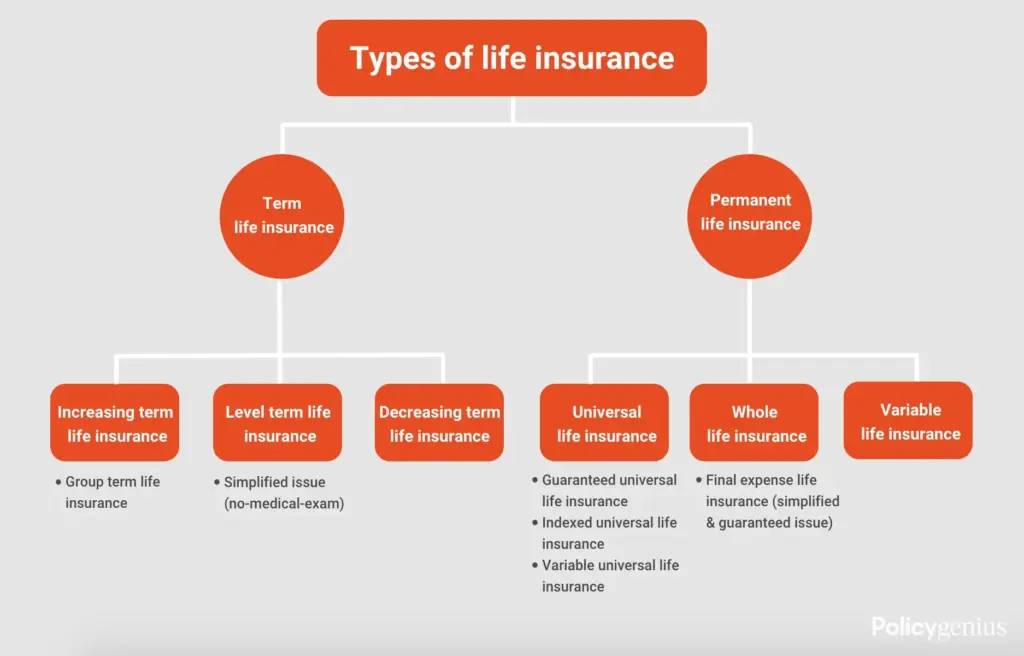
There are several types of life insurance policies available in the UK, each designed to cater to specific situations and family needs. The two main categories, term life insurance and whole of life insurance, differ significantly in terms of duration and benefits. Term life insurance offers a payout if the policyholder dies within a specified period, making it a popular choice for those looking for affordable coverage during crucial years of financial responsibility.
On the other hand, whole of life insurance provides lifelong protection, ensuring that beneficiaries receive a payout no matter when the policyholder passes away. Additionally, this policy can build a cash value over time, providing an investment aspect that can serve family needs both during the policyholder’s lifetime and after. Understanding these distinctions is vital for selecting the appropriate type of coverage.
Exploring Term Life Insurance
Term life insurance is favored for its affordability and straightforward structure. It allows individuals to secure financial coverage for a defined period – typically ranging from 10 to 30 years. This feature makes it an ideal option for parents who want to ensure their children are financially supported until they are able to stand on their own.
Moreover, the premiums for term policies are generally lower compared to whole of life insurance. This cost-effectiveness enables individuals to allocate their resources towards other investments while still providing ample coverage for their families. However, potential policyholders should also be aware of the limitations, such as the absence of cash value accumulation and the policy expiring without a payout if the term ends.
Whole of Life Insurance Explained
Whole of life insurance is characterized by its unique lifelong coverage, meaning it does not expire as long as premiums are paid. This aspect provides peace of mind, ensuring that beneficiaries will receive a monetary benefit regardless of when the insured individual passes. This reliability appeals particularly to those wishing to leave a lasting financial legacy for their loved ones.
In addition to consistent coverage, whole of life policies often include the ability to accumulate cash value over time. This cash value component can serve as a financial asset, allowing policyholders to borrow against it or withdraw funds while they are still alive. However, this feature comes with higher premiums, leading some to opt for term life insurance instead, despite the benefits of whole life policies.
Benefits of Family Income Benefit Policies
Family income benefit policies represent a tailored solution for families seeking financial support in the event of a policyholder’s death. Unlike traditional lump-sum term insurance payouts, this type of policy provides an ongoing income for a specific time. This can greatly assist families in managing their finances, ensuring that essential expenses, such as housing payments and everyday living costs, are continually met without the challenge of budgeting a large sum of money.
The structured income benefit can help mitigate the financial shock that often accompanies the loss of a loved one, as it focuses on sustaining the family’s standard of living over a set period. This flexibility is particularly beneficial for those with young dependents or ongoing financial commitments, making family income benefit policies an appealing choice when considering types of life insurance in the UK.
Understanding Income Protection Insurance
While income protection insurance is not classified as traditional life insurance, it plays a crucial role in financial security by ensuring that individuals can maintain their income during instances of illness or injury. This type of policy pays out a percentage of the policyholder’s earnings, providing essential financial support when they are unable to work. Thus, it’s a vital consideration for those looking to safeguard their families against the loss of income due to unforeseen circumstances.
Income protection is especially relevant in a world where job stability can be unpredictable. As such, many individuals opt for this coverage in tandem with life insurance policies, ensuring comprehensive protection for both their income and long-term life goals. Understanding the differences between these two insurance types empowers individuals to build a robust financial safety net that protects their immediate and future needs.
Frequently Asked Questions
What are the key differences between term life insurance and whole of life insurance in the UK?
Term life insurance provides coverage for a specific period, typically 10 to 30 years, and pays out only if the policyholder dies during that term. In contrast, whole of life insurance offers lifelong coverage and guarantees a payout upon death, regardless of when it occurs, often with a cash value component.
How does family income benefit insurance work compared to traditional life insurance?
Family income benefit is a type of term life insurance that provides a monthly income to beneficiaries instead of a lump sum payout. This ensures that financial obligations like mortgage payments are covered for a specified period after the policyholder’s death, making it easier for families to manage their finances.
Can you explain the advantages of income protection insurance in the UK?
Income protection insurance is designed to provide a portion of your salary if you are unable to work due to illness or injury. This insurance ensures that you can meet your financial obligations, such as rent or bills, during your recovery, providing peace of mind when facing unforeseen circumstances.
What should I consider when choosing between different types of life insurance UK offers?
When choosing a life insurance policy, consider factors such as your dependents, existing debts, future earnings needs, and any health conditions. Assess how long you need coverage, whether you prefer lower premiums with term life insurance or the lifelong benefits of whole of life insurance.
Is whole of life insurance worth the higher premiums compared to term life insurance?
Whole of life insurance provides lifelong coverage and builds cash value over time, which can be borrowed against or withdrawn. While it comes with higher premiums than term life insurance, it can be a valuable financial asset in estate planning, ensuring a guaranteed payout for your beneficiaries.
How can I determine the right amount of coverage for my UK life insurance policy?
To determine the right coverage amount, assess your family’s financial needs, including living expenses, debts such as mortgages, and future income requirements. Consider factors like the number of dependents and any existing savings or insurance policies to tailor the coverage accurately.
| Type of Life Insurance | Description | Advantages | Disadvantages |
|---|---|---|---|
| Term Life Insurance | Coverage for a specified term, usually 10-30 years. | – Affordable premiums – Flexible term options |
– No cash value – Coverage expires if policyholder survives term |
| Whole of Life Insurance | Coverage for the entire lifetime of the policyholder, with payouts guaranteed upon death. | – Perpetual coverage – Accumulates cash value |
– Higher premiums – Complexity in managing policies |
| Family Income Benefit | Provides a monthly income for a specified period instead of a lump sum. | – Easy budgeting for families – Ease of administration |
– Limited to a set period – Dependence on chosen income level |
| Income Protection Insurance | Covers a portion of your income if unable to work due to sickness or injury. | – Ensures ongoing income during recovery – Covers essential expenses |
– Not traditional life insurance – May have waiting periods |
Summary
The types of life insurance in the UK are essential for ensuring the financial security of your loved ones in the face of unexpected events. With options like term life insurance and whole of life insurance, each type offers unique benefits tailored to different financial goals and personal circumstances. Term life insurance is a cost-effective measure that provides temporary protection, ideal for families needing coverage until financial independence is achieved. Alternatively, whole of life insurance presents a lifelong solution with cash value accumulation, suitable for those seeking long-term security. Family income benefits offer a structured income support to dependents, while income protection insurance provides vital financial coverage during periods of illness. Ultimately, understanding these types of life insurance allows you to make informed decisions that best fit your situation and protect your family’s future.