
Listen to this article
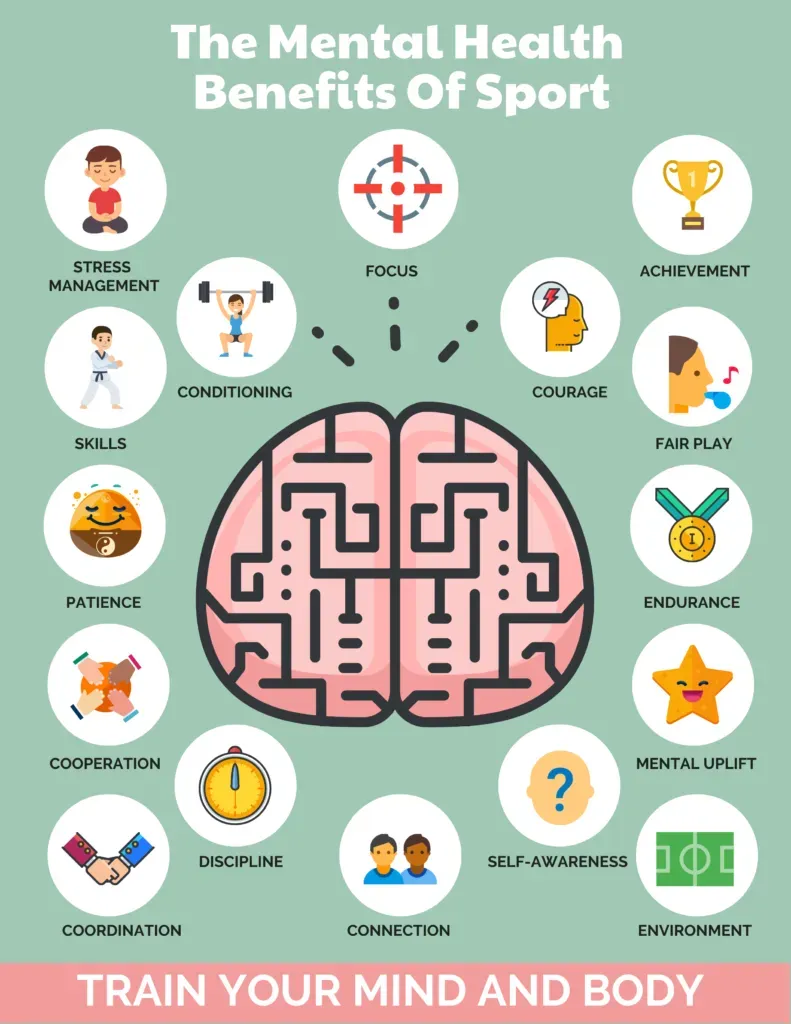
Sports and mental health are increasingly recognized as interconnected components essential for overall well-being. Engaging in physical activity through sports not only promotes fitness but significantly enhances mental well-being, making it a powerhouse for relieving stress and improving self-esteem. The rhythm of teamwork in group sports or the discipline found in individual sports nurtures resilience and opens doors for emotional growth. Numerous studies highlight the positive effects of team dynamics and personal challenges on mental health awareness, driving home the importance of physical activity benefits. As we foster a better understanding of how sports impact mental health, we can create supportive environments that champion both physical fitness and mental wellness.
The interplay between athletic pursuits and psychological wellness is a vital topic, revealing how active lifestyles forge pathways to resilience and emotional stability. Whether through collaborative team activities or solitary skills development, engaging in sports serves as a crucial outlet for managing emotional challenges and enhancing personal growth. The therapeutic effects of physical routines underscore the importance of consistently recognizing the nuances of mental health—from alleviating stress to building self-esteem. Individuals participating in various athletic disciplines reap the rewards not just physically, but also in terms of emotional clarity and social connectivity. Understanding the impact of physical engagement ensures we appreciate its role not only in fitness but also in promoting a balanced and healthy mind.
The Biological Benefits of Sports on Mental Health
Engaging in sports and physical activities triggers the production of endorphins, neurotransmitters in the brain responsible for feelings of happiness and euphoria. This biological mechanism not only enhances mood but also serves as a powerful antidote to stress, anxiety, and depression. For instance, studies show that regular participation in physical exercise can lead to clinically significant reductions in symptoms of these mental health challenges. By incorporating sports into daily routines, individuals not only reap physical fitness benefits but also create a buffer against the psychological stressors of life.
Additionally, regular sports participation leads to improved sleep patterns, which is vital for maintaining optimal mental well-being. Many mental health issues correlate with poor sleep quality; therefore, the sleep-inducing effects of physical activity are invaluable. Quality sleep helps restore mood and cognitive function, directly influencing mental health. Therefore, engaging in sports is a dual-benefit approach to improving both physical and mental health outcomes, illustrating the profound impact that exercise can have on our overall well-being.
Sports as an Effective Stress Reliever
Sports serve as an excellent distraction from daily stressors, allowing individuals to immerse themselves in the activity at hand fully. The focus required during sports, whether it is dribbling a basketball or setting up for a tennis serve, diverts attention away from worries, promoting mental clarity. This immersive experience can significantly decrease anxiety levels, as the engagement in physical activity works as a natural outlet for stress relief. Many athletes and non-athletes alike find that engaging in sports after a challenging day can rejuvenate their spirits and provide an emotional reset.
Moreover, the communal aspect of sports often enhances their stress-relieving benefits. Playing with others creates a supportive environment where individuals can share experiences, acknowledge struggles, and celebrate wins together. This camaraderie fosters a sense of belonging, which is crucial for mental health. As players engage in friendly competition or collaborate towards common goals, they develop deeper social connections that further catalyze mental well-being and resilience.
The Role of Team Sports in Fostering Mental Well-Being
Team sports are particularly effective at nurturing social connections, a vital aspect of mental health. Engaging with teammates cultivates a sense of community and shared purpose, significantly countering feelings of isolation and loneliness. Team dynamics encourage collaboration and communication, reinforcing the importance of social support. This interconnectedness is crucial, as strong relationships can serve as a buffer against mental health issues, enhancing overall emotional resilience.
Additionally, participation in team sports can aid in developing essential life skills such as teamwork, commitment, and conflict resolution. These experiences are not just about winning; they shape individuals’ ability to function well within social groups, contributing to higher self-esteem and better interpersonal relationships. The encouragement received from teammates can uplift individuals during tough times, further solidifying the positive impacts of team sports on mental health.
Individual Sports and the Journey of Self-Discovery
Engaging in individual sports such as swimming, running, or martial arts promotes personal growth and self-assessment. Unlike team sports where success is often shared, individual sports encourage participants to push their own limits and reflect on their performance. This journey of mastering skills and training techniques offers insights into personal strengths and weaknesses, enhancing self-awareness and self-confidence.
Moreover, the discipline required in individual sports fosters resilience, essential for coping with life’s challenges. Athletes learn to set personal goals and work diligently towards achieving them, which transcends into other areas of their lives. This process of self-improvement not only contributes to physical health but substantially boosts one’s mental well-being, as individuals gain a sense of accomplishment and develop healthier self-esteem.
The Impact of Sports on Self-Esteem
The psychological benefits of participating in sports are profound, particularly concerning self-esteem. Achieving goals in sports—whether mastering a new skill, winning a competition, or simply improving personal fitness—can provide a significant boost to self-worth. This sense of accomplishment reinforces positive self-perception, as individuals recognize their efforts and achievements in physical activity.
For children and adolescents, sports play a crucial role in identity formation and self-confidence development. Participation not only provides physical benefits but also allows young athletes to build resilience and learn life skills that contribute to higher self-esteem. The environment of encouragement and celebration within sports communities fosters a healthy self-image, which is essential for mental health and personal growth.
Mental Health Awareness in Sports Programs
With growing recognition of the link between physical activity and mental well-being, sports organizations are increasingly focusing on mental health education. Initiatives such as workshops, training, and support systems are being implemented at various levels of sports—from local clubs to professional leagues. These programs aim to equip athletes with the knowledge to manage their mental health effectively alongside their physical training.
Additionally, integrating mental health resources into sports programs cultivates a more holistic approach to athlete care. This encourages open dialogues about mental health, helping athletes to view psychological well-being as equally important as physical conditioning. Such efforts contribute to a culture that prioritizes mental health awareness, ultimately helping athletes manage the pressures faced in competitive environments.
Breaking the Stigma Surrounding Mental Health in Sports
Despite the clear connection between sports and mental health, stigma remains a significant barrier to open discussions within athletic communities. Many athletes feel compelled to portray strength and resilience, often at the expense of their mental health. This pressure can deter individuals from seeking help when needed, leading to unaddressed mental health challenges.
By fostering an environment that encourages openness and support, sports communities can dismantle these stigmas. Empowering athletes to share their struggles promotes a culture of understanding, where mental health issues are recognized as a normal aspect of the human experience. This shift is essential for normalizing mental health discussions, ensuring athletes receive the support they need while prioritizing their well-being.
The Synergy of Sports and Mental Health for a Healthier Community
Communities that embrace the synergy of sports and mental health tend to experience higher levels of overall well-being. By promoting engagement in physical activities, they create environments where individuals can connect socially, relieve stress, and develop healthy coping mechanisms. This collective approach enhances community ties, contributing to the overall mental health framework of the society.
Additionally, community programs that integrate sports with mental health resources can provide a supportive network for individuals confronting mental health challenges. These initiatives encourage participation in physical activities while simultaneously providing access to mental health education and support. By addressing both aspects together, communities can cultivate resilience and enhance the quality of life for their members.
Concluding Thoughts on Sports and Mental Health
Ultimately, the relationship between sports and mental health highlights the need for a comprehensive approach to well-being. Engaging in sports not only fosters physical fitness but also nurtures mental health through various means—stress relief, self-esteem enhancement, and community building. As individuals understand and appreciate the multifaceted benefits of sports, they become more likely to incorporate physical activity into their routines.
By promoting awareness of mental well-being alongside physical fitness, we can create a culture that values both aspects equally. Encouraging individuals to engage in sports for the dual purpose of physical and mental health can lead to a healthier, more fulfilled society. Whether through team efforts or individual pursuits, sport remains a powerful catalyst for empowerment and resilience in mental health.
Frequently Asked Questions
How does sports participation enhance mental health awareness?
Engaging in sports significantly enhances mental health awareness by promoting discussions around emotional well-being and encouraging athletes to prioritize their mental health alongside physical fitness. Through participation and community support, individuals become more informed about the importance of mental well-being.
What are the mental well-being benefits associated with team sports?
Team sports foster social connections and a sense of belonging, both essential for mental well-being. They provide emotional support, improve self-esteem, and teach valuable life skills like teamwork, discipline, and communication, which bolster emotional stability.
What role does physical activity play in stress relief?
Physical activity, especially sports, acts as a powerful stress reliever. Engaging in sports helps individuals focus intensely, distracting them from daily stressors and improving overall mental clarity, which significantly reduces feelings of overwhelm.
How do individual sports contribute to personal growth and mental health?
Individual sports promote self-discipline and perseverance, encouraging self-reflection and personal growth. This engagement builds resilience and mental fortitude, equipping participants to handle life’s challenges more effectively.
Can playing sports improve self-esteem?
Yes, participation in sports can greatly boost self-esteem. Achieving personal fitness goals or mastering new skills in sports leads to a heightened sense of accomplishment and improved self-image, particularly benefiting children and adolescents during their formative years.
What are the psychological effects of endorphin release during sports?
The release of endorphins during physical activity leads to mood elevation, reducing anxiety and depression symptoms. This biological response enhances emotional resilience, contributing positively to overall mental health.
How can sports help reduce social isolation and enhance mental health?
Sports provide opportunities for social interactions and community building, reducing social isolation. By joining teams, individuals develop bonds that offer emotional support, which is vital for maintaining good mental health.
What mental health resources are available within sports organizations?
Many sports organizations now offer mental health resources, including workshops and support systems focused on mental well-being. These initiatives aim to create a holistic approach that emphasizes the relationship between mental health and physical fitness.
Why is breaking the stigma around mental health important in sports?
Breaking the stigma surrounding mental health in sports is crucial as it fosters an environment where athletes feel safe to discuss their mental health struggles. This cultural shift leads to better understanding and support, ensuring comprehensive care for athletes.
What benefits does engaging in physical activity have on sleep quality?
Engaging in physical activity, including sports, enhances sleep quality, which is vital for mental health. Improved sleep helps mitigate issues like anxiety and depression, contributing to better overall mental well-being.
| Key Point | Details |
|---|---|
| Biological Connection | Physical activity releases endorphins, reduces stress and anxiety, and improves sleep quality. |
| Sports as a Stress Reliever | Engaging in sports helps individuals manage stress and improves mental clarity. |
| Team Sports and Social Connections | Team sports foster social connections, providing emotional support and enhancing self-esteem. |
| Individual Sports and Personal Growth | Individual sports encourage self-discipline, resilience, and personal growth. |
| Self-Esteem Boost | Participation in sports elevates self-esteem and fosters a positive self-image. |
| Mental Health Resources in Sports | Organizations are implementing mental health resources within sports training and education. |
| Breaking the Stigma | Creating open conversations about mental health in sports can reduce stigma and promote athlete care. |
Summary
Sports and mental health are intricately linked, with numerous studies showing that engaging in physical activities can significantly enhance emotional well-being. The body’s biological response to exercise, such as the release of endorphins, plays a vital role in diminishing stress and anxiety. Sports provide a dual benefit: they serve as a stress reliever while cultivating social connections, essential for robust mental health. Individual and team sports alike promote personal growth, raise self-esteem, and facilitate essential life skills. As society continues to recognize the profound impact of sports on mental health, fostering an environment that values discussions around mental well-being in athletic contexts remains crucial. By integrating sports into daily routines, individuals can unlock not only physical fitness but also reap the rewards of improved mental resilience.

