
Listen to this article
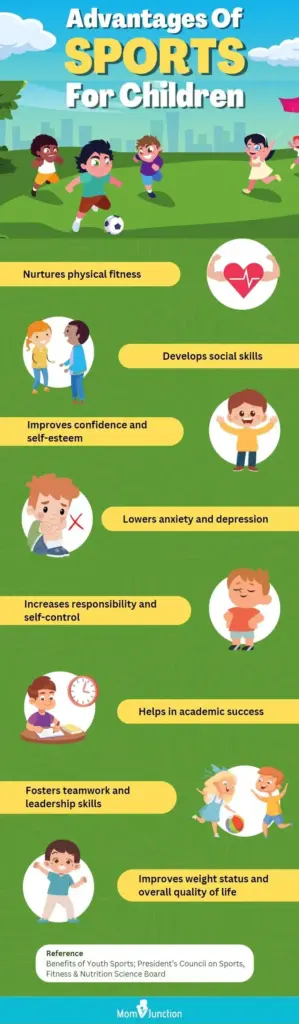
When it comes to the benefits of playing sports for kids, the advantages extend far beyond merely improving physical fitness. Engaging in sports nurtures children’s social skills, encouraging teamwork and cooperation in a fun and dynamic environment. Moreover, youth athletic programs promote self-confidence as children experience the thrill of accomplishments in their chosen sports. The health benefits of sports are numerous, from reducing the risk of obesity to enhancing mental health through the natural endorphins released during physical activity. By participating in children sports, young athletes cultivate a lifelong enthusiasm for physical activity that can lead to healthier habits as they grow.
The realm of youth athletics offers a plethora of advantages that can significantly enhance a child’s development. Participation in team-oriented activities not only promotes a child’s physical well-being but also fosters essential social and emotional skills. By engaging in youth sports, kids learn valuable lessons about cooperation, discipline, and the importance of pursuing goals. The impact of sports on a child’s confidence and mental health cannot be understated, with many young participants experiencing marked improvements in their self-esteem. Ultimately, encouraging active participation in physical activities through children’s sports sets the foundation for a healthier, more fulfilling lifestyle.
The Importance of Physical Activity for Kids
Physical activity is essential for children’s overall health and well-being. Engaging in sports provides children with the chance to be active and develop their physical capacities. Activities such as running, jumping, and playing games enhance cardiovascular fitness and muscular strength, which are crucial during the growth years. Moreover, this active engagement not only helps children maintain a healthy weight but also contributes to improved stamina and better sleep patterns, which are vital for their daily functioning.
Furthermore, physical activity is linked to cognitive development in children. Studies have shown that kids who are more physically active tend to perform better academically. The reason behind this connection is that exercise boosts blood flow to the brain, which can enhance concentration and cognitive function. Therefore, prioritizing physical activity for kids through sports can lead to not only healthier bodies but also sharper minds.
Frequently Asked Questions
What are the health benefits of sports for children?
The health benefits of sports for children include improved physical fitness, stronger immune systems, reduced risk of obesity, and lower chances of developing chronic diseases like diabetes and asthma. Regular physical activity through sports promotes a healthy lifestyle that can be maintained into adulthood.
How do youth sports benefit children’s social skills?
Youth sports benefit children’s social skills by providing opportunities for teamwork and communication. Participating in team sports teaches kids how to cooperate with others, build friendships, and navigate social interactions, enhancing their ability to work in groups.
In what ways can team sports for children boost self-confidence?
Team sports for children boost self-confidence by allowing them to achieve goals and improve in specific skills. Success in sports can lead to a sense of accomplishment that spills over into other areas of life, helping them face challenges with resilience.
What role does physical activity play in kids’ overall mental health?
Physical activity plays a crucial role in kids’ overall mental health by releasing endorphins that improve mood and reduce anxiety. Engaging in sports helps children manage their emotions and build social support networks, contributing to better mental well-being.
How can playing sports teach kids about discipline and time management?
Playing sports teaches kids about discipline and time management by requiring them to adhere to practice schedules and competition times. Balancing sports with other responsibilities helps children prioritize tasks and manage their time effectively.
What important life lessons do children learn from playing sports?
Children learn important life lessons from playing sports, such as resilience, the value of hard work, and goal setting. They experience winning and losing, which fosters emotional intelligence and teaches them how to handle various life situations.
How does engaging in sports promote a healthy lifestyle for children?
Engaging in sports promotes a healthy lifestyle for children by instilling a love for physical activity from a young age. This passion for sport is likely to continue into adulthood, reducing the risk of chronic diseases and encouraging lifelong fitness habits.
Why is participation in youth athletic programs beneficial for kids?
Participation in youth athletic programs is beneficial for kids because it fosters physical fitness, teaches teamwork, builds confidence, and enhances social connections. These programs provide a structured environment for kids to grow both physically and emotionally.
What impact do sports have on a child’s ability to cope with success and failure?
Sports significantly impact a child’s ability to cope with success and failure by providing real-life scenarios where they must manage winning and losing. These experiences help children build resilience and develop a balanced perspective on achievements and setbacks.
How can parents encourage their children to participate in sports?
Parents can encourage their children to participate in sports by providing support, attending games, choosing suitable athletic programs, and emphasizing the fun and social aspects of sports. By highlighting the benefits of physical activity, parents can instill a lifelong appreciation for sports.
| Benefit | Description |
|---|---|
| Physical Health Improvements | Engaging in sports promotes strong muscles, cardiovascular fitness, and flexibility, reduces obesity risk, and strengthens the immune system. |
| Enhances Social Skills | Team sports teach communication, teamwork, and foster friendships, which build social trust and respect. |
| Boosts Self-Confidence | Achievements in sports enhance self-esteem and instill a resilient mindset, benefiting academics and personal relationships. |
| Develops Discipline and Time Management Skills | Sports participation requires commitment, helping children learn to prioritize and manage their schedules effectively. |
| Improves Mental Health | Regular physical activity releases endorphins, reducing anxiety and depression, and provides social support through teams. |
| Teaches Life Lessons | Sports teach resilience, effort, and goal-setting, which apply to academics and personal growth beyond sports. |
| Promotes a Healthy Lifestyle | Early involvement in sports encourages lifelong physical activity, reducing chronic disease risk and enhancing quality of life. |
| Fosters Family and Community Bonds | Participating in sports strengthens family connections and community ties, promoting social interaction and support. |
Summary
The benefits of playing sports for kids are numerous and impactful. Engaging in sports not only improves physical health but also enhances social skills, boosts self-confidence, and fosters discipline. Children learn life lessons through sports that contribute to their mental well-being and lay the foundation for a healthy lifestyle. By promoting regular athletic activities, parents can help their children enjoy a myriad of positive effects that sports provide, setting them up for success and well-rounded personal development.

