Listen to this article
Low UK mortgage rates for buy-to-let investors are creating an exciting landscape for those looking to dive into the rental market. As interest rates remain at historic lows, property investment UK’s appeal is heightened, allowing landlords to maximize their returns while minimizing costs. With various mortgage deals tailored to suit different investment needs, now is an ideal moment to consider buy-to-let mortgages. Whether you’re a seasoned investor or just starting, understanding these favorable rates can significantly enhance cash flow and profitability. This post explores the current rates and how they can influence your buy-to-let investment strategy.
The trend of accessible mortgage options has revolutionized the housing market, particularly for individuals looking to engage in rental investments. With the prevalence of low mortgage rates in the UK, investors are increasingly drawn to the enticing prospects of buying property to rent. This dynamic shift has spawned a range of competitive financial products, specifically designed for those keen on leveraging real estate as a means of generating income. As property rental demand continues to rise, comprehending the implications of these favorable financial conditions proves essential for property investors seeking to optimize their portfolios.
The Appeal of Buy-to-Let Mortgages in Today’s Market
Buy-to-let mortgages have gained significant popularity among UK investors, especially in an economic landscape characterized by uncertainty. With property values fluctuating and rental demands evolving, these specific mortgage products cater to those aiming to rent their homes rather than occupy them. By offering a pathway for property investment, buy-to-let mortgages allow investors to capitalize on rental income while potentially benefiting from long-term property appreciation.
Given the current climate of low UK mortgage rates, investors are increasingly turning to buy-to-let options. With a mortgage tailored to consider anticipated rental income, investors find themselves in a strong position to negotiate better rates and terms. As competition among lenders intensifies, understanding the nuances of these mortgages can enhance an investor’s strategy, ensuring they maximize returns amid a volatile market.
Navigating the Types of Buy-to-Let Mortgages Available
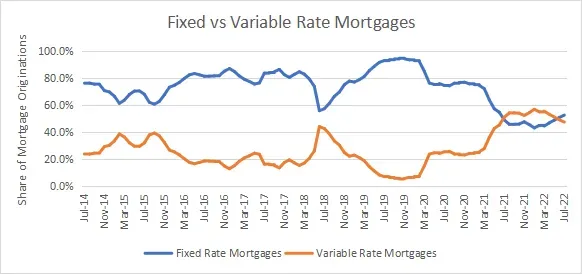
The UK market offers two primary types of buy-to-let mortgages: fixed-rate mortgages and variable-rate mortgages. Fixed-rate mortgages provide consistency, allowing landlords to budget accurately over a specified term while keeping mortgage payments stable despite fluctuations in interest rates. This predictability is especially appealing in uncertain financial periods, as it shields borrowers from sudden rate hikes.
On the other hand, variable-rate mortgages can fluctuate with changing interest rates, potentially reducing initial costs. However, they carry the risk of increasing payments down the line. Understanding these options and their respective benefits is crucial for buy-to-let investors, who must evaluate their risk tolerance and long-term financial goals while choosing the type that aligns with their investment strategy.
Current Trends in Low UK Mortgage Rates for Buy-to-Let Investors
In recent years, the UK has experienced an era of historically low mortgage rates, which has significantly influenced the buy-to-let landscape. The Bank of England’s efforts to stimulate economic growth have led to numerous lenders offering compelling rates, allowing investors to secure buy-to-let mortgages starting well below 3%. This presents an unparalleled opportunity for investors eager to optimize their returns.
With an increasing number of lenders vying for buy-to-let investors, navigating this landscape effectively can yield fruitful results. Investors should stay informed on current market trends to identify competitive mortgage deals that align with their financial objectives. By leveraging the knowledge of available rates, landlords can enhance their investment strategies and improve their overall profit margins.
Maximizing Investment Return with Low Mortgage Rates
The benefits of securing low mortgage rates for buy-to-let investments are multi-faceted. Reduced monthly payments translate into enhanced cash flow, enabling landlords to retain a higher portion of their rental income. This financial relief creates opportunities for reinvestment, property maintenance, or managing debt, thus further strengthening an investor’s portfolio.
Moreover, lower mortgage rates directly impact the profitability of rental properties. As costs decrease, the yield on investments increases, empowering investors to either expand their portfolio or pursue more lucrative rental markets. Understanding how these financial advantages work can empower buy-to-let investors to capitalize on the current favorable lending environment.
Effective Strategies for Securing Competitive Mortgage Deals
In light of the competitive mortgage landscape, investors seeking low buy-to-let mortgage rates must employ strategic measures. Improving one’s credit rating is paramount, as lenders favor applicants with higher scores. By ensuring timely bill payments and managing existing debt responsibly, landlords can enhance their finance profiles, positioning themselves to receive the best deals available.
Additionally, comparing various lender offers and utilizing online tools can uncover exclusive deals that might otherwise go unnoticed. Engaging a mortgage broker can provide investors with informed insights and access to rates that align with unique financial situations, ensuring potential investors navigate their buy-to-let journey with confidence.
The Future of Buy-to-Let Investments Amidst Low Rates
Looking ahead, the continuing trend of low mortgage rates presents a transformative opportunity for buy-to-let investors. Those who strategically approach their property investments can capitalize on positive market conditions, whether they are new entrants or seasoned veterans in the property landscape.
Moreover, as trends evolve, staying informed about economic shifts and mortgage products will be critical for investors. The ability to adapt and position oneself effectively within the market will determine long-term success and profitability in buy-to-let ventures.
Frequently Asked Questions
What are the benefits of low UK mortgage rates for buy-to-let investors?
Low UK mortgage rates provide multiple benefits for buy-to-let investors, including enhanced cash flow due to reduced mortgage repayments, increased profitability by retaining more rental income, and greater investment opportunities that allow for portfolio expansion. This favorable financial environment can significantly bolster investment strategies.
How can I find the best low UK mortgage rates for buy-to-let mortgages?
To find the best low UK mortgage rates for buy-to-let mortgages, consider improving your credit rating, comparing offers from different lenders using online tools or mortgage brokers, and possibly making a larger deposit. By doing your research and being well-prepared, you can secure competitive mortgage deals.
Are low UK mortgage rates only available for new buy-to-let investors?
No, low UK mortgage rates for buy-to-let investors are available for both new and existing investors. Whether you are entering the market for the first time or looking to expand your property portfolio, competitive rates exist that can enhance your investment returns.
What types of buy-to-let mortgages are available with low UK mortgage rates?
There are two main types of buy-to-let mortgages available with low UK mortgage rates: fixed-rate mortgages, which lock in your interest rate for a certain period, and variable-rate mortgages, where rates may fluctuate based on market conditions. Investors can choose the type that best fits their financial strategy.
How do low UK mortgage rates impact property investment in the UK?
Low UK mortgage rates positively impact property investment by reducing the cost of borrowing, which can lead to higher rental yields and increased cash flow for landlords. This encourages more investment in the UK buy-to-let market, stimulating demand and potentially driving property prices upwards.
What factors should I consider when applying for low UK mortgage rates as a buy-to-let investor?
When applying for low UK mortgage rates as a buy-to-let investor, consider factors such as your credit rating, the amount of your deposit, the expected rental income from the property, and your overall financial profile. Being informed about these elements can help you secure the best possible mortgage deal.
| Key Point | Details |
|---|---|
| What is a Buy-to-Let Mortgage? | A mortgage designed for purchasing rental properties, which assesses potential rental income. |
| Types of Mortgages | 1. Fixed-Rate: Locked interest rate for a term (2-5 years). 2. Variable-Rate: Fluctuating rates based on market conditions. |
| Current Mortgage Rates | Historically low rates under 3%, driven by Bank of England policies to stimulate growth. |
| Benefits of Low Rates | 1. Enhanced cash flow from lower repayments. 2. Increased profitability on rental income. 3. Opportunities for portfolio expansion. |
| Securing Low Rates | 1. Improve credit rating. 2. Compare lender offers. 3. Consider a larger deposit. 4. Prepare a reliable financial profile. |
Summary
Low UK mortgage rates for buy-to-let investors present a significant opportunity to enhance profitability and expand property portfolios. With the current competitive landscape showcasing rates below 3%, investors can enjoy improved cash flow and increased rental income. Understanding the types of mortgages available, along with strategies to secure the best rates, empowers investors to make informed decisions. By actively engaging in market research and maintaining a healthy credit profile, prospective landlords can capitalize on these favorable conditions, ultimately maximizing their investment potential. As the market evolves, staying informed will be crucial for navigating the buy-to-let sector effectively.