
Listen to this article
London’s parks are among the city’s most cherished treasures, providing vital green spaces amidst its bustling streets. From the expansive beauty of Hyde Park and the floral wonder of Regent’s Park to the regal charm of St. James’s Park and the rugged allure of Hampstead Heath, these parks champion nature in London. Each park serves as an oasis for outdoor activities, inviting locals and tourists alike to unwind, explore, and engage with the serene environment. These lush landscapes not only offer a backdrop for leisure but also play a significant ecological role in sustaining city wildlife. Discovering London’s parks is essential for anyone seeking to experience the vibrant outdoor lifestyle infused with rich history and tranquility.
The green spaces of London, often referred to as urban retreats, weave seamlessly into the fabric of the city’s culture and history. Parks like Hyde Park and Regent’s Park serve not only as beautiful recreational spots but also as vital ecosystems that enhance the natural environment. These outdoor settings encourage a connection with nature, making them perfect for various activities, from relaxing picnics to invigorating hikes. St. James’s Park and Hampstead Heath present unique experiences, offering visitors a royal atmosphere and breathtaking views. Exploring these natural havens provides not only a respite from the urban hustle but also insight into the intricate balance of nature within a thriving metropolis.
Discovering London’s Green Spaces
London’s green spaces serve as essential sanctuaries amidst the urban sprawl of this sprawling metropolis. Parks such as Hyde Park, Regent’s Park, and Hampstead Heath play a vital role in the mental and physical well-being of residents and visitors alike. These areas promote outdoor activities and foster a connection with nature, making them invaluable to the community. A visit to these parks not only offers a breath of fresh air but also encourages people to spend more time outdoors, alleviating the stress associated with city life.
In addition to their recreational benefits, these parks also cultivate biodiversity within London’s competitive landscape. Urban parks function as critical habitats for various plant and animal species, thereby enhancing the ecological fabric of the city. Whether it’s the lush rose gardens of Regent’s Park or the diverse wildlife spotted in St. James’s Park, each green space contributes to London’s commitment to preserving nature in an ever-evolving urban environment.
Hyde Park: A Breath of Fresh Air
Hyde Park is a centerpiece of London’s outdoor lifestyle, attracting millions with its scenic beauty and historical significance. Situated in the heart of the city, this park is an oasis where city-dwellers and tourists alike can unwind or partake in various recreational activities. The Serpentine, a tranquil lake in the park, offers engaging activities for visitors, such as boating during warmer months and skating when winter blankets the park in snow. These features make Hyde Park an accessible natural retreat, further promoting the allure of nature in London.
Moreover, Hyde Park’s historical narrative enriches the visitor experience. Originally established as a hunting ground in the 16th century, it has since transformed into a cultural hub where events, concerts, and public speeches take place. At Speaker’s Corner, individuals can voice their opinions freely, representing a cornerstone of London’s commitment to open expression. Thus, Hyde Park, with its combination of nature and history, epitomizes the dual role parks play in urban settings, merging leisure with cultural engagement.
Regent’s Park: A Floral Wonderland
Regent’s Park stands out as a flourishing paradise in London, celebrated for its stunning gardens, vibrant flora, and recreational options. One of its most cherished features, Queen Mary’s Gardens, is home to over 30,000 rose bushes that transform the park into a feast for the senses during blooming season. The meticulously maintained flowerbeds not only enhance the aesthetics of the park but also attract numerous wildlife species, making it an ideal spot for nature enthusiasts and photographers.
Beyond its natural beauty, Regent’s Park is a year-round venue for entertainment, hosting the famous Open Air Theatre. Here, visitors can indulge in captivating performances amid a backdrop of lush greenery. The synthesis of horticulture and the performing arts allows Regent’s Park to cater to diverse interests and encourages families to explore the outdoors while engaging in cultural activities, highlighting the park’s multifaceted appeal.
St. James’s Park: A Royal Retreat
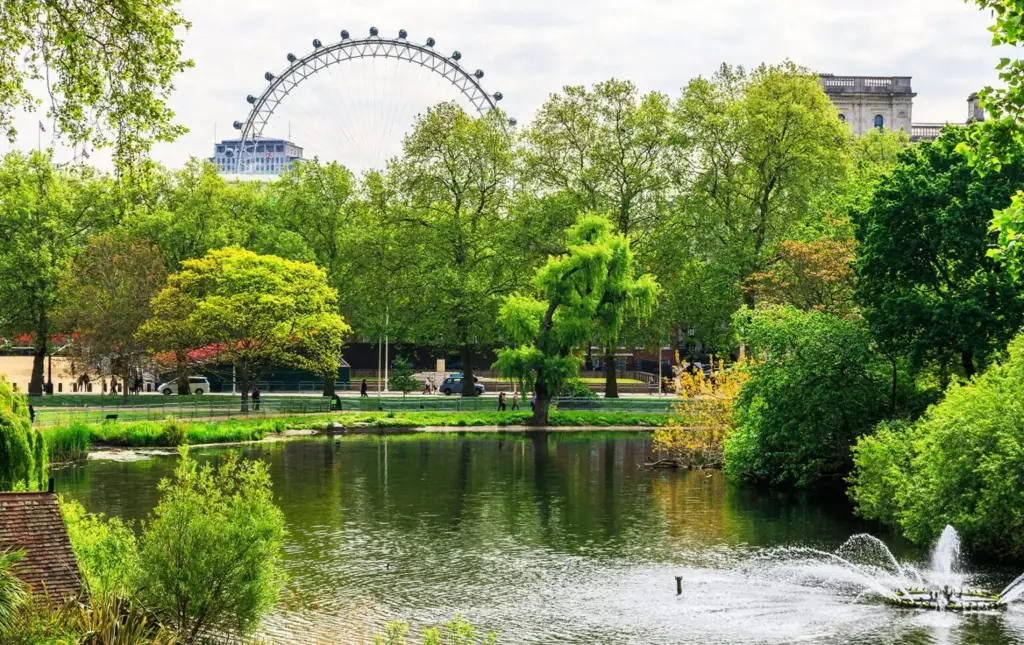
St. James’s Park, as the oldest Royal Park in London, offers visitors an enchanting experience steeped in history and elegance. Overlooking Buckingham Palace, this park serves as a picturesque backdrop for leisurely walks, allowing guests to soak in the royal ambiance. The lush landscapes, seasonal flower displays, and serene lake combine to create a stunning atmosphere that perfectly complements a day spent in the area. Birdwatching here is particularly rewarding, with various species, including the iconic pelicans, making their home among the park’s greenery.
Visitors to St. James’s Park can enjoy a leisurely stroll down The Mall, linking the park to the grandeur of Buckingham Palace. This ceremonial avenue serves as a celebration of royal traditions, especially during events such as Changing the Guard. Emphasizing both leisure and culture, St. James’s Park reflects London’s rich heritage while providing an essential space for relaxation, illustrating Parks’ significance in urban living.
Hampstead Heath: Embracing Nature’s Wild Side
Hampstead Heath stands as one of London’s most cherished natural escapes, providing a rugged and idyllic setting for outdoor enthusiasts. Unlike the manicured parks found throughout the city, Hampstead Heath boasts wildflower meadows and ancient woodlands, creating a more authentic connection to nature. Visitors can experience thrilling panoramic views of the London skyline from Parliament Hill, making it a must-visit location for those seeking both adventure and beauty in the city.
Additionally, Hampstead Heath is renowned for its unique swimming ponds, which offer an invigorating experience to swimmers looking to embrace nature. These natural swimming spots provide a refreshing alternative to standard public pools, further enhancing the park’s allure. By organizing various events, such as open-air concerts and yoga sessions, Hampstead Heath invites visitors to immerse themselves in London’s vibrant outdoor culture, promoting community and outdoor well-being.
Participating in London’s Outdoor Activities
Embracing outdoor activities in London is essential for residents and visitors seeking a balanced lifestyle. London’s parks provide ample opportunities for everything from jogging and cycling to yoga and picnics. This active engagement allows individuals to capitalize on the physical and mental health benefits associated with spending time in nature. Completing a run through Hyde Park or a yoga session in Regent’s Park can dramatically enhance one’s wellness routine, prominent within the city’s health-conscious community.
Moreover, many parks in London organize events that encourage outdoor participation, such as guided walks, fitness classes, and wildlife workshops. These activities not only promote physical fitness but also foster communal bonds among participants, making outdoor spaces vital to social cohesion in the city. The importance of such initiatives emphasizes how London’s parks contribute to healthy lifestyles as well as enriching communal interactions.
Connecting with Nature in London
Connecting with nature is crucial for urban dwellers, and London’s parks provide the perfect backdrop for this endeavor. Each park, whether it’s the lush greenery of St. James’s Park or the wild expanses of Hampstead Heath, is designed to draw people into an immersive natural experience. These green spaces are not solely meant for aesthetic enjoyment; they serve as interactive environments where individuals can explore wildlife, engage in gardening workshops, or simply unwind amidst calming landscapes.
Furthermore, educational initiatives in London’s parks aim to foster a greater appreciation for nature. By participating in tree planting activities or visiting nature trails, residents deepen their understanding of the ecological importance of these parks. Encouraging a connection with nature can rejuvenate the urban spirit and inspire greater care for the environment, demonstrating that even in a bustling metropolis like London, natural beauty can flourish.
Family Fun at London’s Parks
Families visiting London can find endless enjoyment in the city’s parks, which cater to all ages with an array of activities and amenities. From the children’s playgrounds in Hyde Park to the petting zoo in Regent’s Park, these green spaces are designed to engage and entertain. Parents can relax while their children explore safe, well-maintained spaces equipped for adventure and creativity. The natural settings also inspire children to learn about nature, promoting curiosity and appreciation for the environment.
In addition to playgrounds, many parks host family-oriented events such as storytelling sessions, seasonal festivals, and guided nature walks, making them perfect destinations for weekend outings. Creating memorable experiences in these vibrant spaces fosters familial bonds and creates lasting memories. Thus, London’s parks not only serve as recreational retreats but also as essential venues for family engagement and interaction.
The Historical Significance of London’s Parks
London’s parks are imbued with a rich historical narrative that adds to their allure and character. Many of these parks, including Hyde Park and St. James’s Park, have witnessed significant events in British history, from royal ceremonies to public protests. Understanding the historical significance of these green spaces enhances the visitor experience, providing context and depth to one’s exploration of the parks. Enthusiasts can delve into guided tours that shed light on the multifaceted legacies of London’s parks, unraveling stories interwoven with the city’s evolution.
Moreover, the conservation of these parks reflects London’s dedication to preserving its heritage. Many parks have been designated as historical sites, ensuring their legacy continues for future generations. By participating in preservation efforts or park initiatives, individuals can play a role in maintaining the charm and cultural importance of these spaces, exemplifying the communal effort to honor London’s storied past. Overall, the historical significance of London’s parks enriches their value, serving as both leisure destinations and landmarks of cultural importance.
Frequently Asked Questions
What are the key attractions in Hyde Park, London?
Hyde Park is one of London’s most beloved parks, featuring attractions like the Serpentine Lake, Speaker’s Corner, and the adjacent Kensington Gardens. Visitors can enjoy boating on the Serpentine, partake in free public speaking at Speaker’s Corner, and explore the beautiful gardens surrounding Kensington Palace.
How can I enjoy outdoor activities in Regent’s Park?
Regent’s Park offers a range of outdoor activities, from boating on the park’s tranquil lakes to enjoying a picnic surrounded by beautiful flower gardens. Don’t miss the Open Air Theatre for summertime performances, and the zoo for an engaging family outing.
What makes St. James’s Park a must-visit in London?
St. James’s Park is renowned for its stunning views of Buckingham Palace and its picturesque lake. The park also features diverse birdlife, including famous pelicans, and beautifully arranged flower beds that change with the seasons, making it a favorite for both tourists and locals.
Is Hampstead Heath suitable for families and pets?
Yes, Hampstead Heath is an excellent choice for families and pet owners. With expansive open spaces for picnicking and trails for walking dogs, plus natural swimming ponds and playgrounds, it offers a diverse outdoor experience for everyone.
What time of year is best to visit London’s parks?
The best time to visit London’s parks is during spring and summer when flowers bloom and outdoor events are plentiful. However, parks like Hampstead Heath also provide stunning autumn foliage, making them appealing year-round.
Are there any cultural events in London parks?
Yes, many parks in London host cultural events throughout the year, including concerts and art exhibitions. Locations like Regent’s Park and Hyde Park feature summer festivals and open-air theatre performances that attract visitors looking for rich cultural experiences.
How can I reach Hyde Park using public transport?
Hyde Park is easily accessible by public transport, with several underground stations nearby, including Lancaster Gate, Marble Arch, and Hyde Park Corner. Many London bus routes also stop close to the park, making it convenient for visitors.
What wildlife can I see in London’s parks?
London’s parks, such as St. James’s Park and Regent’s Park, are home to a variety of wildlife, including different bird species, squirrels, and even ducks on the lakes. Hampstead Heath is known for its biodiversity, featuring native plants and wildlife in its meadows.
Are there facilities for fitness and sports in London’s parks?
Indeed, many of London’s parks offer fantastic facilities for fitness and sports. Hyde Park has running paths, while Regent’s Park features tennis courts and a sports pitch, and Hampstead Heath provides open spaces for jogging and outdoor sports activities.
Can I host a picnic in one of London’s parks?
Absolutely! London’s parks are perfect for picnics. Hyde Park and Regent’s Park, in particular, have ample grassy areas where you can relax, enjoy a meal, and soak in the beautiful surroundings—it’s a great way to connect with nature in the city.
| Park Name | Key Features | Tips for Visiting |
|---|---|---|
| Hyde Park | The Serpentine, Speaker’s Corner, Kensington Gardens | Plan a picnic, take a guided walking tour, join events |
| Regent’s Park | Queen Mary’s Gardens, The Open Air Theatre, peaceful boating | Explore the gardens during blooming season, enjoy a performance, visit the Zoo |
| St. James’s Park | The Mall, unique birdlife, seasonal flower displays | Take photographs, join guided wildlife tours, relax on benches |
| Hampstead Heath | Parliament Hill, swimming ponds, wildflower meadows | Explore walking trails, attend local events, bring your dog |
Summary
London’s parks are not just beautiful green spaces but vital components of the urban ecosystem. They provide essential areas for recreation, relaxation, and connection to nature amidst the busy city life. Spanning from the historical allure of Hyde Park to the natural haven of Hampstead Heath, these parks showcase the diversity and charm of London’s landscape. By visiting these parks, you can immerse yourself in the serene beauty of nature while enjoying the rich history and culture that London has to offer.