
Listen to this article
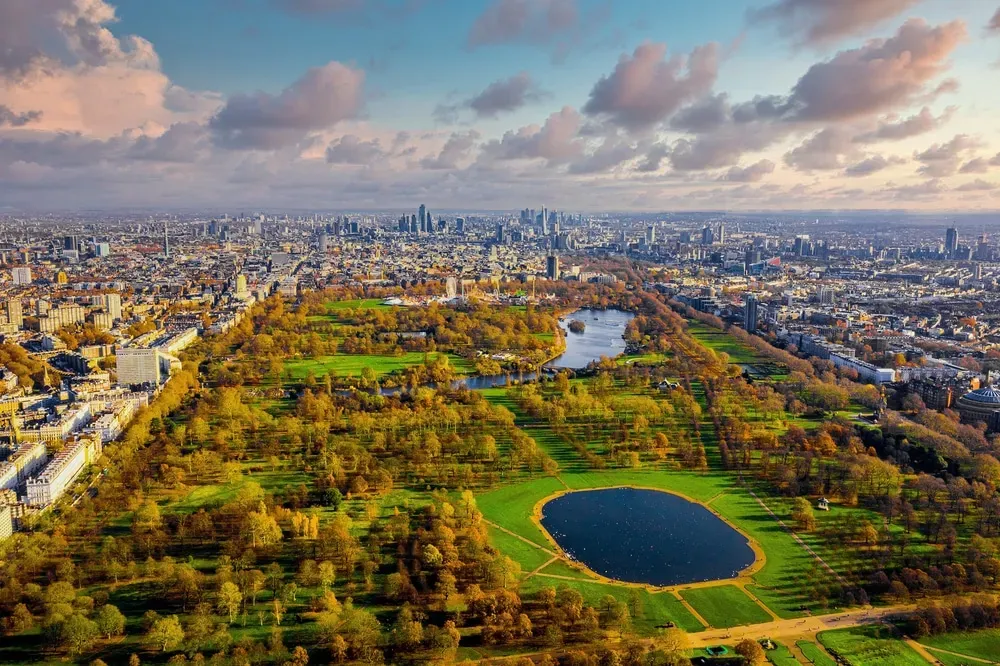
London’s parks are a cherished escape from the city’s hustle and bustle, offering residents and visitors alike a unique chance to unwind in nature. Among these urban green spaces, Hyde Park, Regent’s Park, St. James’s Park, Richmond Park, and Hampstead Heath stand out for their stunning landscapes and varied recreational opportunities. These lush oases are perfect for outdoor activities in London, whether it’s a leisurely stroll, a scenic bicycle ride, or a peaceful afternoon of picnicking surrounded by vibrant flora. Each park boasts its own distinctive charm—from the boating lakes of Hyde Park to the wildlife-rich expanses of Richmond Park. Discovering London’s parks not only revitalizes the spirit but also deepens the appreciation for the natural beauty that exists amid the urban landscape.
Exploring the greenery within London’s outdoor spaces reveals a tapestry of relaxation and recreation that’s hard to resist. The city’s extensive network of gardens and parklands provides an essential respite, where urban dwellers can engage with the charming flora and fauna around them. Whether you prefer the ornamental beauty of Regent’s Park or the raw wilderness of Hampstead Heath, you’ll find a range of nature-centric activities to enjoy. Each park offers a unique combination of cultural heritage and outdoor enjoyment, making them valuable to both locals and tourists seeking a tranquil environment in a bustling metropolis. Join us as we delve into what makes these natural havens so vital to London’s identity.
Exploring Hyde Park: Nature Awaits
Hyde Park is not just London’s gem; it serves as a sanctuary for both locals and tourists. As you stroll along the manicured paths, you might find a diverse crowd engaging in various outdoor activities in London, from jogging and cycling to vivacious picnics under the shade of ancient trees. The park’s sprawling landscapes provide ample space for leisure, making it a favorite destination among those seeking first-hand experiences of nature amidst a vibrant metropolis.
Moreover, the park’s historical significance adds layers to its charm. The presence of the Serpentine Lake invites you for a peaceful boat ride while offering stunning views of the surrounding greenery. The integration of art through installations like the Serpentine Gallery elevates Hyde Park beyond mere nature, making it a focal point for culture and creativity. This synthesis of nature and art provides visitors with a refreshing perspective on life in the city.
The Allure of Regent’s Park
Regent’s Park is a floral spectacle, especially during the blooming season. With its fragrant rose gardens and vibrant plant life, it transforms into an Eden for nature enthusiasts and photography lovers alike. Each season introduces fresh colors and scents, drawing visitors to the iconic Queen Mary’s Rose Garden, which boasts breathtaking views and a fragrant atmosphere. The joy of spending a day here is akin to walking through a living, breathing canvas, highlighting the beauty of nature in London.
This park also offers a plethora of outdoor activities, making it a perfect family destination. From the exciting performances at the Open Air Theatre to tranquil moments spent rowing on the lake, every corner of Regent’s Park invites exploration. It’s not just about beauty; it’s about experiencing a holistic environment that harmonizes leisure and nature. For families and friends looking to create lasting memories, this park stands as a premier choice in London.
St. James’s Park: A Historical Harmony
St. James’s Park stands out for its unique blend of rich history and vibrant nature. As one of London’s oldest royal parks, its well-maintained gardens and iconic views of Buckingham Palace make it a central attraction. Walking through the park feels like stepping into a historical narrative, where every flower bed and path tells a royal story. Observing pelicans and other wildlife throughout the park offers visitors a chance to connect with nature in the heart of the city.
The park’s iconic features, such as The Mall, provide picturesque settings for leisurely walks. Photographers flock to capture the seasonal flower displays, ensuring that every visit feels like a new experience. The tranquil atmosphere contrasts with the city’s hustle, offering a serene getaway that represents the essence of urban nature. St. James’s Park is truly a place where history meets the beauty of wildlife, making it an enriching stop during your exploration of London.
Richmond Park: A Wildlife Haven
Richmond Park is unlike any other park in London, celebrated for its natural landscapes and free-roaming deer. Spanning over 2,500 acres, it is the largest of the Royal Parks, offering expansive woodlands and vast meadows for outdoor activities. Nature lovers particularly appreciate its rustic charm, where walking, cycling, and horseback riding feel like deep immersion in the environment. The mere sight of deer grazing peacefully transforms the park into a vibrant wildlife sanctuary, making it an ideal retreat from urban life.
The park’s historic features, such as King Henry’s Mound, offer visitors a unique vantage point of London, where you can relish panoramic views that extend to St. Paul’s Cathedral. Nature in London thrives here, attracting wildlife enthusiasts and casual visitors alike, eager to observe the diverse ecosystems firsthand. Whether you’re seeking tranquility or adventure, Richmond Park serves as a natural escape that revitalizes the spirit.
Discovering Hampstead Heath: London’s Natural Wonderland
Hampstead Heath is a true hidden gem, showcasing a wild side of nature within London. This expansive park is a perfect blend of sprawling meadows, ancient woodlands, and scenic ponds, offering a slice of wilderness that attracts both locals and travelers. The park’s geography, including the iconic Parliament Hill, provides breathtaking views of the city’s skyline, allowing you to appreciate the contrast between natural beauty and urban architecture.
Beyond just views, Hampstead Heath encourages outdoor activities year-round. With designated swimming ponds that cater to adventurous souls, you can take a dip regardless of the season. Furthermore, the park hosts various trails perfect for leisurely walks or exercise. The combination of rich ecology and opportunities for activity sets Hampstead Heath apart as a destination where nature and recreation thrive together.
The Cultural Significance of London’s Parks
London’s parks are not merely green spaces; they are cultural landmarks that contribute significantly to the city’s identity. Each park reflects different aspects of London’s heritage, from the regal ambiance of St. James’s Park to the vibrant sociability of Hyde Park. They host a multitude of events ranging from art exhibitions to music festivals, making them central hubs for cultural engagement. Events like the annual ‘Hyde Park Winter Wonderland’ and ‘Regent’s Park Open Air Theatre’ showcase how parks serve as venues for artistic expression and community gathering.
The cultural diversity exhibited in these parks mirrors London’s cosmopolitan essence. People from varied backgrounds converge in these spaces to celebrate festivals, partake in sports, or enjoy picnics. This unity within diversity makes parks approachable and inclusive, offering everyone a chance to share experiences. Consequently, London’s parks play a crucial role in cultivating community bonds and celebrating the vibrant mosaic that is the city’s populace.
Outdoor Activities in London’s Parks
Outdoor activities in London’s parks are endless, providing outlets for recreation and relaxation alike. From the exhilarating outdoor theater performances in Regent’s Park to boating in Hyde Park, each park offers unique opportunities for visitors to engage with the environment. Families often gather for picnics, while others seek solitude for reading or meditating among the greenery. The versatility of these parks ensures that every visitor finds an activity aligning with their preferences.
Moreover, organized events and recreational activities promote fitness and wellbeing, appealing to a wide demographic. The parks feature jogging paths, cycling trails, and various sport facilities, encouraging a healthy lifestyle amid urban living. Engaging in these outdoor activities fosters social connections, as likeminded individuals gather, thus enhancing the public’s appreciation for nature and wellness. Ultimately, London’s parks serve as a vital resource for promoting active lifestyles in conjunction with leisure.
Seasonal Changes in London’s Parks
The beauty of London’s parks transforms with the seasons, each offering a distinct experience that’s worth exploring. In spring, the parks burst into life with vibrant blooms, drawing visitors intrigued by the colors and fragrances. The renowned cherry blossoms in St. James’s Park and the endless blooming roses in Regent’s Park create picturesque scenes that attract photographers and nature lovers alike. As summer arrives, the parks buzz with energy, becoming outdoor playgrounds for festivals and family gatherings.
Autumn brings a palette of warm hues, painting the parks in spectacular colors. The falling leaves create a magical atmosphere for leisurely walks or contemplative sits on benches. Winter, on the other hand, reveals a serene beauty as frost covers the trees and tranquil ponds freeze over. Seasonal changes in London’s parks reflect the natural cycle of life, offering unique experiences throughout the year that enrich the city’s landscape and invite exploration at every turn.
Why Visit London’s Parks?
Visiting London’s parks is an essential part of experiencing the city’s charm and vibrancy. They provide a necessary respite from the hustle and bustle of urban life, allowing visitors to recharge and reconnect with nature. The inviting green spaces, rich history, and plethora of activities available make each park a captivating destination. As you wander through Hyde Park or picnic in Richmond Park, the tranquility invites reflection and rejuvenation.
Furthermore, parks are portals to a communal experience where diversity is celebrated. Visitors have the chance to encounter street performers, partake in outdoor yoga classes, or simply enjoy the calm of a morning walk. By embracing the parks, you make an active choice to engage with the city’s scenic beauty and cultural richness. In essence, visiting London’s parks is an adventure that enhances your understanding and appreciation of what London truly represents.
Frequently Asked Questions
What are the best outdoor activities in London’s parks?
London’s parks, such as Hyde Park and Regent’s Park, offer a wide array of outdoor activities. You can enjoy boating on the Serpentine Lake in Hyde Park, picnicking in the blooming Queen Mary’s Rose Garden at Regent’s Park, or cycling and walking through the scenic trails of Richmond Park.
How do I get to Hyde Park from central London?
Hyde Park is easily accessible by public transport. You can take the Tube to Lancaster Gate or Hyde Park Corner stations. Alternatively, various bus routes lead directly to the park, making it a convenient destination for both locals and tourists.
What unique features can I find at St. James’s Park?
St. James’s Park is famous for its beautiful flower beds, stunning views of Buckingham Palace, and resident pelicans. This historic park also features The Mall, which is perfect for leisurely strolls while enjoying the vibrant flower displays.
Is Richmond Park suitable for family outings?
Yes, Richmond Park is ideal for family outings. Its large open spaces are perfect for picnics, and children can enjoy spotting deer or exploring nature trails. The park’s vast expanse allows for plenty of activities such as biking, walking, and even horseback riding.
What is the best time to visit Regent’s Park?
The best time to visit Regent’s Park is during spring and summer when the rose garden is in full bloom. The vibrant colors and fragrances make it a picturesque spot for a day out, and the Open Air Theatre also hosts performances during these seasons.
Can I go swimming at Hampstead Heath?
Yes, Hampstead Heath features several swimming ponds that are open year-round. These unique ponds offer a refreshing swimming experience, especially during warm weather, and are popular among locals looking to connect with nature.
What wildlife can you see in London’s parks?
London’s parks, particularly Richmond Park and St. James’s Park, are home to diverse wildlife. You can spot deer in Richmond Park, as well as an array of birds, including pelicans and swans in St. James’s Park, making them perfect for nature lovers.
Are there events held in London’s parks?
Yes, many of London’s parks host a variety of events throughout the year, including concerts in Hyde Park, live performances at the Regent’s Park Open Air Theatre, and seasonal festivals. Check the individual park’s website for the latest event information.
What should I bring for a day out in London’s parks?
When visiting London’s parks, it’s recommended to bring a picnic blanket, snacks or lunch, sunscreen, a reusable water bottle, and comfortable footwear for walking or cycling. Don’t forget your camera to capture the beautiful scenery!
Is it safe to explore London’s parks at night?
While some London parks are safe to explore during the day, it is advisable to check park hours and exercise caution when visiting after dark. Always stay on well-lit paths and avoid isolated areas for your safety.
| Park Name | Key Features | Activities |
|---|---|---|
| Hyde Park | Speaker’s Corner, The Serpentine Gallery | Boating, Horseback Riding, Strolling |
| Regent’s Park | Queen Mary’s Rose Garden, Floral Displays | Open Air Theatre, Boating |
| St. James’s Park | Views of Buckingham Palace, Wildlife | Walking along The Mall, Flower Photography |
| Richmond Park | King Henry’s Mound, Deer Population | Walking, Cycling, Horseback Riding |
| Hampstead Heath | Parliament Hill, Swimming Ponds | Swimming, Nature Walks |
Summary
London’s parks are a vital part of the city’s charm and allure, providing a unique combination of natural beauty and cultural engagement. Each park presents its own distinct features—from the historic and lively atmosphere of Hyde Park to the floral paradise of Regent’s Park, and the wildlife spectacles at St. James’s Park. Richmond Park offers a rustic retreat with natural habitats, while Hampstead Heath brings a touch of wilderness to the urban environment. Visiting these green spaces allows individuals to escape the demands of city life and reconnect with nature. In conclusion, exploring London’s parks not only enhances urban living but also enriches our understanding of the city’s heritage and fosters a sense of community.