Listen to this article
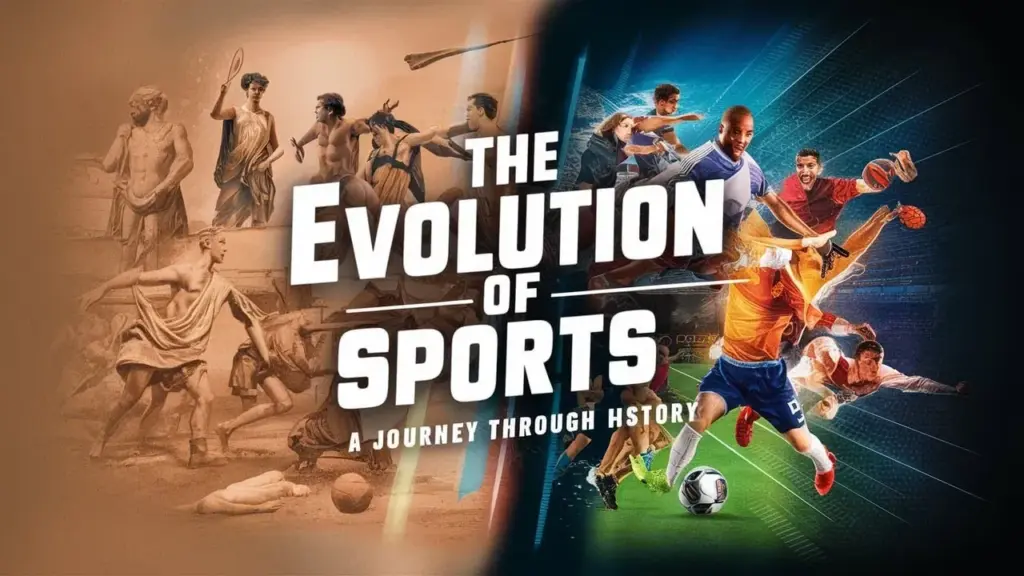
The Evolution of Sport is a fascinating journey that mirrors the changing dynamics of human society. Over centuries, sports have transitioned from elemental tribal competitions to highly organized and commercialized international spectacles, reflecting not only our competitiveness but also our societal values. The rich history of sports chronicles the influence of sports on culture, technology, and health, showcasing its role as a unifying force across diverse communities. As advancements in technology reshape how we engage with sports, they also enhance the health benefits of sports participation, making it accessible to a broader audience. In this exploration, we will unravel the significant milestones in the evolution of sport and their profound implications for society today.
The progression of athletic activities throughout history, often referred to as the transformation of physical competition, is a vital aspect of societal development. From primitive contests designed for entertainment and ritualistic purposes to structured events that draw millions annually, the journey of physical pursuits has significantly highlighted the interconnectedness of people and culture. This phenomenon showcases the profound impact of competitive games on our communities, reflecting social nuances while also fostering health through active participation. As sports have evolved, so have the implications of advanced technology on training methods and spectator experiences, offering new insights into how these activities can enhance societal well-being. This analysis will delve into various facets of athletic evolution, emphasizing its crucial interplay with societal progress.
The Historical Evolution of Sports
The historical evolution of sports can be traced back to ancient civilizations where physical contests were not just games but also ceremonial events that held cultural significance. The ancient Greeks celebrated athletic prowess through the Olympic Games, which started in 776 BC, establishing a legacy of competition that is still revered in modernity. Over time, as various cultures embraced different forms of physical competitions, the portrayal of sports began to shift. Events like gladiatorial combat of the Roman era reveal that sports could embody violence, showcasing the dual nature of sporting events as both a source of entertainment and a reflection of societal values.
Through the Middle Ages, sports underwent a transformation as they became more formalized, with tournaments like jousting serving as both entertainment and a means to display martial skills. These early competitions were often linked to the aristocracy, emphasizing social status. By the late 19th century, the founding of the modern Olympic Games marked a pivotal shift that not only revived ancient traditions but significantly influenced the way sports were organized and globally perceived. This transition towards structured competitions set the stage for standardized rules and the creation of governing bodies, ultimately influencing the global sports landscape we recognize today.
Frequently Asked Questions
What is the significance of the evolution of sport in shaping modern society?
The evolution of sport mirrors societal changes, reflecting cultural values and dynamics. It influences social cohesion, promotes health, and showcases progress in areas like gender equality and technology in sports.
How has the technology in sports influenced athletic performance over the years?
Technology in sports has significantly enhanced athletic performance through innovations like advanced equipment, wearable fitness trackers, and data analytics. These tools help optimize training, improve safety, and break new athletic records.
What are the health benefits of sports as highlighted in the evolution of sport?
The evolution of sport underscores its health benefits, including improved physical fitness, mental well-being, and reduced risk of chronic diseases. Engaging in sports fosters an active lifestyle and builds essential life skills.
How did sports history contribute to changes in gender roles and equality?
Sports history showcases significant milestones, like the inclusion of women in competitive events, which have transformed gender roles. The evolution of sport has empowered women through platforms like Title IX, promoting equality and participation.
In what ways does the influence of sports extend beyond the playing field?
The influence of sports extends beyond the playing field by serving as a platform for social justice, political expression, and community engagement. Iconic athletes use their visibility to advocate for societal changes, impacting social and political discussions.
What role do mega sporting events play in the economic impact of sports?
Mega sporting events like the Olympics and FIFA World Cup significantly impact economies by boosting tourism, creating jobs, and increasing urban development. However, they also pose challenges like community displacement and financial strain on host cities.
How has the evolution of sports viewing changed with advancements in technology?
The evolution of sports viewing has transformed dramatically due to technology, with television and the internet enabling global live streaming and fan engagement through social media. This has significantly increased sports accessibility and interaction.
What impact does the evolution of sport have on youth and education?
The evolution of sport impacts youth and education by promoting physical education as an essential component of a well-rounded education, enhancing student health, fostering teamwork, and encouraging personal development through sports participation.
How do emerging trends like esports relate to the evolution of sport?
Emerging trends like esports reflect the evolution of sport by redefining athleticism and competition. As esports gain legitimacy and popularity, they illustrate how traditional notions of sports are adapting to include new forms of competition.
How can society ensure that the evolution of sport remains responsible and sustainable?
To ensure that the evolution of sport remains responsible and sustainable, organizations can integrate social advocacy and environmental sustainability into their practices, ensuring that sports continue to foster inclusivity and address current societal issues.
| Topic | Key Points |
|---|---|
| Historical Context | Sports originated in ancient times for worship and competition, evolving with significant events like the Olympics. |
| Technological Influence | Advancements in broadcasting and the internet have transformed viewership and athlete training. |
| Social Reflection | Sports mirror society’s values and can impact social change, including gender equality. |
| Economic Impact | The sports industry generates billions, influencing economies through events like the World Cup. |
| Health and Well-being | Participation in sports improves physical and mental health and fosters personal development. |
| Future Trends | Emerging trends like esports are reshaping sports, incorporating social advocacy and sustainability. |
Summary
The evolution of sport illustrates its profound impact on society today. From its ancient origins as a form of competition and worship to its current role as a catalyst for social change and economic prosperity, sports have continually shaped and reflected societal values. Advances in technology have transformed how we consume and participate in sports, creating new opportunities for fan engagement and athlete development. Furthermore, pivotal movements in gender equality and social justice have found expression within sports, highlighting its capacity to influence public discourse. As the landscape of sport continues to evolve with trends like esports and increased responsibility towards sustainability, its importance in shaping our social fabric only grows, ensuring its relevance in modern society.