
Listen to this article
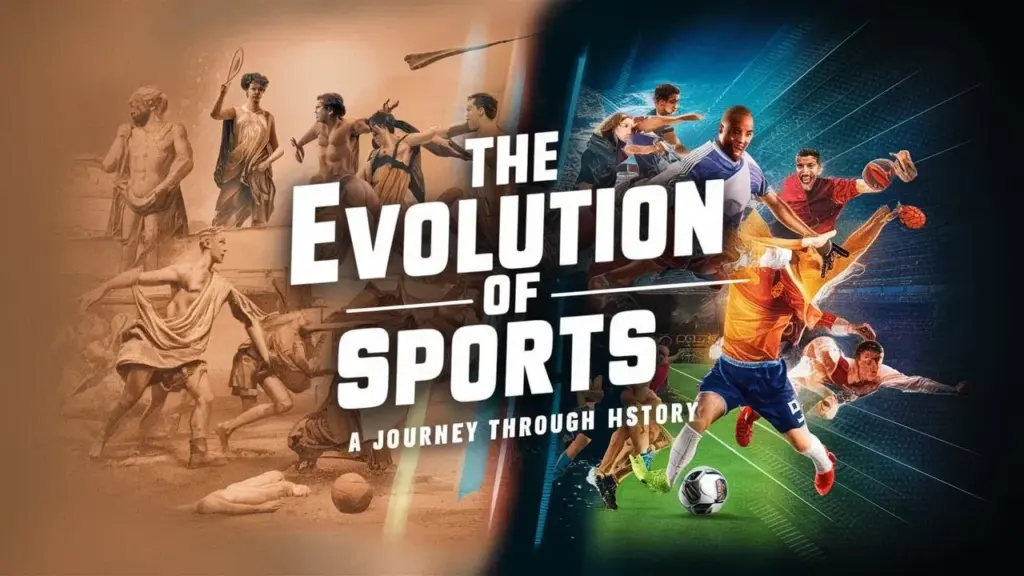
The evolution of sport is a compelling narrative that has unfolded over millennia, intertwining with the very fabric of human civilization. From the ancient sports of Greece and Rome, where athletic prowess was celebrated in events like the Olympic Games, to the professional sports culture we witness today, the journey is rich and diverse. As sports have developed, they have reflected societal values and advancements in technology, profoundly transforming how we engage with physical competition. Whether it’s the rise of inclusive sports allowing participation from diverse backgrounds or the increasing influence of media on professional athletics, the evolution of sport continues to shape our world. Join us as we dive deep into this fascinating history, tracing the origins and significant milestones that have defined sports across different eras.
The progression of athletics throughout history serves as a captivating window into our collective human experience. Spanning from primitive competitions in ancient civilizations to the formalized leagues and global tournaments of contemporary times, this exploration highlights the significant milestones that have come to define our sporting endeavors. With roots embedded in early games and rituals, modern athletic practices now encompass a vast array of disciplines, showcasing the profound evolution of the games we love. This narrative invites a closer examination of how sports culture has been transformed by societal shifts, advancements in sports technology, and the ongoing quest for inclusivity in all facets of competition. As we navigate through time, we uncover not only the changing nature of sports but also the enduring spirit of competition and collaboration that binds us together.
The Historical Significance of Ancient Sports
Ancient sports played a vital role in shaping early civilizations, reflecting cultural values and social hierarchies. The earliest forms of sports, such as running and wrestling, served not merely as entertainment but as a means of exhibiting physical prowess and societal strength. Tribes engaged in competitions to resolve conflicts and forge alliances, demonstrating that sports were an integral part of social dynamics long before they became organized entities. For instance, the Olympic Games in Ancient Greece were not just athletic pursuits; they embodied the competitive spirit and unity among rival city-states.
Moreover, sports in ancient times often intertwined with religious and spiritual rituals. The Greeks, for example, dedicated their athletic festivals to Zeus, linking physical excellence with divine favor. In Rome, gladiatorial games provided not only entertainment but also a means for the Roman populace to vicariously experience valor and bravery. Understanding these ancient sports offers critical insights into the evolution of our modern appreciation for sports, as they laid foundational principles that still resonate today.
Emergence of Team Sports in Historical Context
The rise of team sports in the medieval period marks a significant evolution in the history of sports. From the chaotic, loosely organized competitions of the past, more structured forms began taking shape, particularly with games like football (soccer) emerging in 12th-century England. Early versions of football allowed villages and towns to engage in spirited rivalry, fostering community ties while laying the groundwork for what would eventually become a global phenomenon. The formalization of these games into recognized rules and structures was a pivotal moment in sports history, leading to organized leagues and competitions.
This organization of sports facilitated the development of sports culture as we know it today. Enthusiastic fan bases emerged, with towns rallying around their teams. This community involvement fostered a sense of belonging and identity, making sports an essential part of social interaction. Over the centuries, the popularity of team sports continued to grow, setting the stage for the professional leagues we see today, which are now characterized by extensive media coverage and a strong commercial aspect.
The Birth of Modern Sports in the 19th Century
The 19th century is often regarded as the birth of modern sports, characterized by the establishment of standardized rules and the formation of governing bodies. This era saw significant events like the founding of the Football Association in 1863, which aimed to unify the various forms of football played in England. The codification of rules enabled fair play, transparency, and organization which attracted more participants and spectators alike. In addition to football, other sports such as cricket and tennis began to formalize their regulations, transporting the world of sports into a new, structured realm.
Moreover, the rise of professional sports during this era transformed games from mere pastime activities into lucrative enterprises. Athletes started to earn a living through endorsements and salaries, which contributed to the commercialization of sports. This shift not only boosted spectator interest but also laid the groundwork for the sporting industry as we know it today, making sports a vital component of global culture and economy.
The Revitalization of the Olympic Games
The revival of the Olympic Games in 1896 marked a crucial moment in the evolution of sport, transcending national boundaries and promoting ideals of peace and unity through athletic competition. The modern Olympics brought together athletes from various nations, allowing them to showcase their talents on a global stage. These Games not only celebrated athletic excellence but also aimed at fostering international relationships, reflecting a shift in sports culture towards more global representation and cooperation.
Moreover, the introduction of new sports in the Olympic roster contributed to the diversification of athletic participation. Over time, the Olympics have adapted to include events that reflect not only traditional sports but also contemporary ones, promoting inclusivity. The Olympics stand as a testament to how sport can bridge cultural divides, pushing towards a future where diverse talents are celebrated and recognized, ultimately enhancing the spirit of the Games.
Technology’s Transformative Impact on Sports
As sports entered the 20th century, technological advancements began to reshape how competitions were conducted and viewed. The introduction of broadcasting technologies, such as radio and television, revolutionized the viewing experience, allowing fans across the globe to enjoy live competitions. This accessibility not only boosted spectator engagement but also greatly expanded the reach of major leagues, contributing to their international popularity. Sports figures transformed into household names, increasing the commercialization of their talents through endorsements and sponsorships.
Furthermore, the internet has continued to amplify this transformation in more recent years. The growth of social media platforms enables athletes to connect with their fan base directly, fostering personal engagement and a sense of community. Additionally, technology has enhanced performance analysis, allowing coaches and athletes to utilize data-driven insights to perfect their skills and strategies. This amalgamation of technology and sports signifies a new era of performance and fan engagement that continuously shapes modern athletic experiences.
Inclusivity in Modern Sports
Today’s sports landscape actively embraces inclusivity, recognizing the importance of representation across genders, ethnicities, and abilities. With initiatives like the Special Olympics and the Paralympics, sports organizations are fostering environments where individuals with disabilities can compete alongside, and against, able-bodied athletes. These movements not only challenge societal norms but also inspire a broader understanding of what sports can represent—fostering unity and acceptance within diverse communities.
Moreover, the push for inclusivity extends into leadership within sports organizations. Diverse representation at managerial levels promotes innovative policies that resonate with a wider audience, ensuring that the ethos of inclusivity flows from the grassroots to professional sports. As society values diversity more, the sporting world recognizes its role in advocating for inclusive practices, creating a richer experience for all athletes and spectators alike.
Environmental Responsibility in Sports
The growing awareness of environmental issues has prompted the sports industry to take steps towards sustainability and ecological responsibility. Major sporting events have begun incorporating green initiatives, such as reducing carbon footprints and minimizing waste. From eco-friendly venues to renewable energy sources, organizations are increasingly recognizing that their operations can have a significant impact on the environment. This trend not only helps preserve the planet but also engages fans who are increasingly concerned about sustainability.
Furthermore, some leagues are implementing programs that encourage fans to participate in environmental initiatives, fostering a sense of shared responsibility. By leading by example and promoting green practices, the sports industry can effectively harness its influence to create a positive movement towards sustainability. This imperative not only enhances the sporting experience but also contributes towards a healthier planet for future generations of athletes and fans.
Cultural Reflections Through Sports
Sports have long served as a mirror reflecting societal changes and cultural dynamics. From ancient civilisations to modern times, various sporting events have encapsulated the prevailing values, conflicts, and aspirations of their respective eras. For instance, the way ancient gladiators were celebrated in Rome speaks volumes about the society’s admiration for strength and valor, while contemporary sports often highlight themes of unity, diversity, and inclusivity, showcasing how far we’ve come in societal progress.
Moreover, sports foster cultural exchanges and promote understanding among different nationalities. International sporting events, like the FIFA World Cup or the Olympics, not only showcase athletic prowess but also bring together people from all walks of life, fostering camaraderie and peace. Thus, by examining the cultural narratives woven into sports, we can gain valuable insights into our shared human experiences, bridging divides and celebrating our collective achievements.
The Future of Sports: Expectations and Challenges
Looking ahead, the future of sports presents a blend of opportunities and challenges. For instance, advancements in technology have the potential to further enhance athlete performance, while new methodologies in training and analytics continue to emerge. However, these innovations must be balanced with ethical considerations, such as ensuring fair play and preventing technological disparities that could undermine competition among athletes.
Additionally, as sports organizations strive to broaden their inclusivity efforts, they must navigate the complexities of cultural sensitivities and societal expectations. Addressing concerns such as mental health among athletes and the impact of commercialization on grassroots sports will also be crucial. Ultimately, as we embrace the evolution of sport into the future, it will be essential to remain committed to the core values of fair play, community engagement, and celebration of human excellence.
Frequently Asked Questions
What is the significance of the Olympic Games in the evolution of sport?
The Olympic Games, first held in 776 B.C. in ancient Greece, are significant in the evolution of sport as they represented a unifying event that showcased athletic excellence, competition, and cultural values. The modern revival of the Olympics in 1896 marked the formalization of international sporting competition, integrating diverse sports and promoting global unity.
How did ancient sports influence the modern sports culture we see today?
Ancient sports, such as those practiced in Greece and Rome, laid the foundation for modern sports culture by establishing the importance of physical prowess and competitive spirit. Their structured competitions and celebrations contributed to the contemporary appreciation for athletics and the development of organized sports.
What role did sports technology play in the evolution of modern sports?
Sports technology has significantly shaped the evolution of modern sports by enhancing performance analysis, training methods, and fan engagement. Innovations such as wearable devices, video analysis, and advanced broadcasting have transformed how athletes train and how fans experience sporting events.
How has the rise of professional sports impacted the evolution of sport?
The rise of professional sports in the late 19th century revolutionized the evolution of sport by introducing financial incentives for athletes, leading to increased competition, spectator interest, and commercialization. This shift established sports as a major entertainment industry and influenced the development of global sports leagues.
In what ways have the Olympic Games evolved over time?
The Olympic Games have evolved by expanding to include a broader range of sports, increasing global participation, and adapting to societal values, such as inclusivity and diversity. The introduction of events for women and athletes with disabilities reflects the changing landscape of sports over time.
What are some key changes in sports culture from ancient to modern times?
Key changes in sports culture from ancient to modern times include the formalization of rules, the rise of team sports, increased spectator involvement, and the commercialization of athletics. Today’s sports culture is characterized by a global audience, media coverage, and a focus on inclusivity.
How did the medieval period influence the evolution of sport?
The medieval period influenced the evolution of sport through the popularity of tournaments and the development of early team sports, such as football (soccer). While there was a decline in organized sports during the Dark Ages, these competitions laid the groundwork for structured athletic events in later centuries.
What are the implications of inclusive sports in the evolution of sport?
The implications of inclusive sports in the evolution of sport are profound, as they promote accessibility and representation for all individuals, regardless of ability or background. Initiatives like the Special Olympics advocate for equity in sports, enabling diverse participation and celebrating athleticism across the spectrum.
How has globalization affected the evolution of sport?
Globalization has significantly affected the evolution of sport by facilitating the cross-cultural exchange of sports practices, ideas, and athletes. This has led to the growth of international competitions, increased diversity in sporting events, and a shared global fanbase that transcends geographical boundaries.
What is the future of sport in terms of technology and inclusivity?
The future of sport is likely to be shaped by advancements in technology that enhance athletic performance and fan engagement, alongside a continued commitment to inclusivity. Future trends may include augmented reality experiences, more adaptive sports opportunities, and broader representation within sports leadership.
| Era/Period | Key Developments | Notable Events/Examples |
|---|---|---|
| Ancient Times | Origins of sports, showcasing strength and skill | Olympic Games (776 B.C.), Gladiatorial games in Rome |
Summary
The evolution of sport reflects not only a timeline of human competition but also significant cultural and societal shifts over centuries. From ancient origins where sport was a matter of local pride and tribe strength, through the structured competitions of the Middle Ages, to the formalized realms of modern sports governed by rules and professional organizations, each era has shaped today’s diverse sporting landscape. With advancements in technology and growing awareness of inclusivity, the evolution of sport is an ongoing journey, deeply intertwined with society’s values. In the future, sport will likely continue to grow in ways that foster global connection and cultural celebration, inspiring future generations.

