
Listen to this article
The UK state pension changes are set to significantly impact millions of individuals preparing for retirement. With the state pension age gradually increasing, it becomes crucial for future retirees to understand their pension eligibility criteria and how it might influence their financial planning. As the government deliberates over state pension increases, it’s essential for citizens to stay informed about adjustments that could affect their financial well-being. Inflation remains a pressing concern, as it can erode the purchasing power of pension benefits, making it vital for individuals to consider their long-term financial strategies. Seeking financial advice for pensions has never been more relevant, ensuring that everyone is adaptable and prepared for these important shifts.
As we look at the modifications within the pension system in the UK, it’s important to grasp the broader implications of upcoming retirement policies. The adjustments concerning retirement funding, slated to affect the future state of pensions, play a pivotal role in individual financial readiness as one approaches their senior years. As age thresholds for receiving pension benefits shift, knowing how long one needs to contribute to secure full benefits becomes increasingly pertinent. Coupled with the potential for substantial hikes in pension payouts, understanding these legislative changes can assist in effective pension planning. Ensuring that citizens are aware of their options, including seeking professional financial guidance, is essential for navigating these adjustments successfully.
Upcoming Changes to the UK State Pension Age
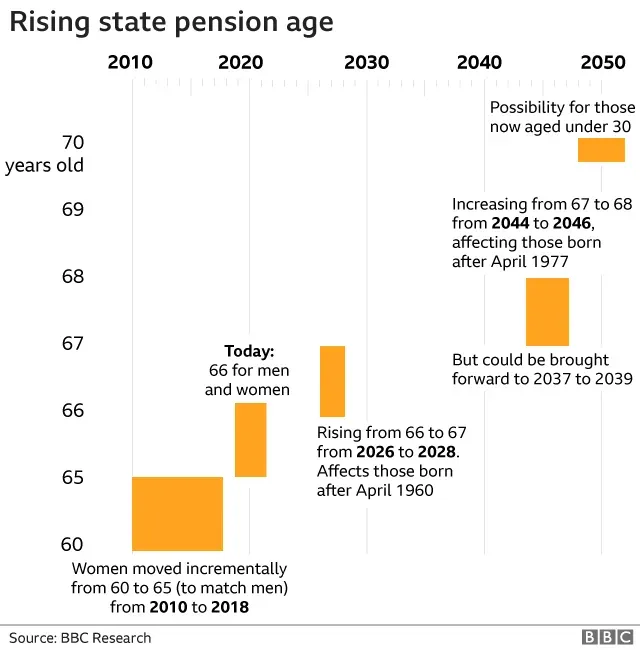
One of the most significant transformations in the UK pension system is the scheduled increase in the state pension age. From 2028, the state pension age is set to rise from 66 to 67, followed by an increase to 68 by 2037. This change is primarily a response to the increasing life expectancies in the UK, which require the pension system to adjust accordingly. A higher state pension age means that individuals will need to wait longer to receive their pension benefits, potentially impacting their retirement planning strategies.
For many nearing retirement, this raises critical questions about their financial readiness. As the age limit increases, those expecting to rely solely on their state pension might need to reassess their evaluations. More proactive planning becomes necessary, and incorporating additional savings options, such as private pensions or investment accounts, can ease the transition into retirement. Understanding how your state pension age affects your overall pension eligibility is vital for ensuring you can meet your financial needs.
Stricter Eligibility Requirements for State Pensions
As the state pension age rises, the eligibility criteria for receiving full benefits will likely become stricter. Currently, individuals need to have made 35 qualifying years of National Insurance contributions to receive the full state pension amount. However, this requirement could change, further complicating the pension landscape and leaving some individuals at risk of receiving a reduced income during retirement.
It’s crucial for future retirees to monitor these evolving eligibility criteria. This may necessitate closer scrutiny of individual contribution records and proactive measures to ensure that you meet the necessary thresholds. Financial advice from pension specialists can provide clarity on how to fulfill these requirements, and whether additional savings or boosts to your National Insurance contributions may be necessary to secure a comfortable retirement.
Impact of State Pension Increases on Financial Planning
Every April, the UK state pension typically increases in accordance with inflation, tied to a mechanism known as the “triple lock.” However, the recent discourse around potential reforms to this system could drastically affect future payouts. In a climate where inflation rates are unpredictable, retirees need to anticipate how these changes will influence their financial profiles. If the state pension increase is moderated or changed, individuals may find themselves facing a purchasing power that is less than they expected.
Adjusting your financial planning to accommodate these possible alterations in state pension increases is essential. Factors such as rising living costs and inflation should be incorporated into your overall retirement strategy. Exploring alternative income streams, engaging in personal pension contributions, and considering annuities are vital steps in safeguarding your financial future against potentially disappointing state pensions.
Understanding the Effects of Inflation on State Pensions
Inflation continues to pose a pressing concern for those relying on the state pension as a primary source of income. As prices rise, the value of fixed pension payments may decline, leaving individuals to grapple with increased living costs without a corresponding increase in income. Understanding how inflation impacts pension payouts is vital for maintenance of living standards during retirement, as the purchasing power of savings diminishes over time.
To mitigate these risks, retirees need to adopt a strategic approach to financial planning. Consulting with financial advisors can help you explore protective measures, such as inflation-linked annuities or investment options that keep pace with inflation trends. It is essential to proactively incorporate considerations for inflation into your retirement budget, ensuring that you maintain your desired lifestyle amidst rising costs.
Navigating Financial Advice for Pension Planning
Given the complexities introduced by the upcoming changes in the UK state pension system, seeking professional financial advice is more important than ever. A qualified financial advisor can help individuals navigate the intricacies of pension planning, ensuring that personal circumstances are effectively balanced with evolving state policies. This expertise is indispensable for developing personalized savings strategies and obtaining insights on how best to utilize governmental resources.
Moreover, obtaining tailored financial advice offers a clearer understanding of available options. Each person’s financial situation is unique, so guidance can help identify the most advantageous path based on individual needs and retirement goals. Regular consultations can aid in adapting to any changes in policy while keeping your pension plan robust against the financial uncertainties that accompany retirement.
Alternative Routes to Secure Retirement Income
With anticipated shifts in the state pension system influencing traditional retirement paradigms, exploring alternative income sources becomes increasingly essential. Private pensions, investment portfolios, or real estate assets can provide additional security beyond the standard state pension. By diversifying retirement savings, individuals can reduce dependency on a potentially volatile state pension system.
It is vital to start considering these alternative routes early in one’s career. Whether it means contributing to a workplace pension scheme, setting up your personal pension, or investing in property, the earlier you seek these alternatives, the better positioned you will be to alleviate the financial pressure of solely relying on government benefits. Engaging with financial planning experts can also help you understand these options and implement them effectively into your retirement strategy.
Frequently Asked Questions
What are the upcoming changes to the UK state pension age?
The UK state pension age is set to increase gradually from 66 to 67 by 2028, and to 68 by 2037. This change reflects the increased life expectancy and aims to ensure the sustainability of the state pension system.
How will the state pension eligibility requirements change?
Eligibility for the UK state pension may become stricter, potentially increasing the number of qualifying years of National Insurance contributions needed to receive the full pension. Currently, you need 35 qualifying years, but this requirement could change in the future.
Will there be new rates for the UK state pension in the coming years?
Yes, the UK state pension is typically increased each April in line with inflation. The increases are based on the higher of the Consumer Prices Index (CPI), average earnings growth, or a guaranteed minimum increase of 2.5%. Discussions on changes to this ‘triple lock’ mechanism are ongoing.
How does rising inflation affect the state pension benefits?
Rising inflation can severely impact the purchasing power of the state pension, as it may reduce the real value of the payments received. It’s crucial for pensioners to assess the effects of inflation on their finances and adjust their retirement planning accordingly.
When can we expect announcements about UK state pension changes?
The UK government typically announces updates regarding the state pension during the Autumn Statement each November. Staying informed about these announcements is vital for understanding how changes will affect your pension.
Why should I seek financial advice regarding UK state pension changes?
Given the complexities and potential changes in the state pension system, professional financial advice is essential. A financial advisor can provide personalized strategies to help navigate pension planning and ensure sufficient income for retirement.
| Key Point | Details |
|---|---|
| Increase in the State Pension Age | The state pension age will rise from 66 to 67 by 2028 and to 68 by 2037 to reflect increased life expectancies. |
| Changes to Eligibility | Eligibility for the full state pension may require more years of National Insurance contributions, potentially increasing from the current 35 years. |
| New Rates for State Pension | State pension increases will continue to be in line with inflation based on CPI, earnings growth, or a minimum increase of 2.5%, but may face changes. |
| Impact of Inflation | Rising inflation may reduce the purchasing power of pensions, affecting those reliant on these funds. |
| Autumn Statement Announcements | Annual updates regarding pensions are typically made public during the UK’s Autumn Statement in November. |
Summary
UK State Pension Changes are crucial for ensuring individuals effectively prepare for retirement. The gradual increase in age eligibility, potential adjustment in contribution requirements, and inflation impacts are significant factors that can influence financial stability during retirement. Understanding these changes is essential for developing a robust retirement plan, as many Britons rely on state pensions for their financial wellbeing in later years. Preparing early and seeking appropriate financial guidance can mitigate the risks associated with these upcoming reforms.