
Listen to this article
As winter approaches, conducting essential winter car checks becomes imperative for every driver. The AA has emphasized the importance of these checks, especially with fluctuating temperatures and the likelihood of hazardous driving conditions during the colder months. Ensuring your vehicle is prepared not only involves inspecting the battery and wipers but also performing a thorough tyre tread depth check, which is critical for maintaining grip on snowy or icy roads. By following AA winter car advice, you can mitigate the risks associated with winter driving and maintain optimal car maintenance for winter. Remember, simple tests, such as using a 20p coin to measure tyre tread, can provide crucial insights into your vehicle’s readiness for the challenges ahead.
As the colder months set in, it’s crucial to understand the importance of conducting car winter checks to ensure safety on the roads. From assessing battery performance to checking the condition of your tyres, these pre-winter assessments are vital for a smooth driving experience. Winter driving tips suggest that vigilance is necessary, especially regarding tread depth and adequate tyre pressure, as snow and ice can create perilous conditions. Following automotive advice from professionals, including how to prepare your vehicle for winter, can mean the difference between a safe journey and an avoidable accident. Get ahead this season by familiarizing yourself with essential vehicle inspections to enhance your winter travel experience.
Essential Winter Car Checks for Safe Driving
As winter approaches, ensuring your vehicle is in optimal condition is paramount for safe driving. The AA emphasizes essential winter car checks that every motorist should carry out, including a thorough examination of your car battery, tyre tread, and windscreen wipers. Cold weather significantly impacts battery efficiency, leading to unexpected failures. Therefore, testing the battery’s voltage can help prevent being stranded due to a dead battery on a freezing morning.
Tyre maintenance is critical during winter months, particularly checking the tread depth. A practical tip from the AA includes using a 20p coin: simply insert it into the tyre tread grooves. If the outer edge of the coin is visible, it indicates that your tread depth is below the legal limit of 1.6mm, meaning it is time for a replacement. Regular checks on your tyre pressure are just as vital since cold temperatures can cause significant drops, affecting grip and handling on slippery roads.
Practical Tips for Winter Driving
This winter, equipping yourself with the right knowledge can significantly enhance your driving experience. Alongside essential car checks, motorists should be aware of key winter driving tips such as maintaining a safe distance from the vehicle in front and reducing speed in adverse weather conditions. When roads are slick or covered in ice and snow, being mindful of your speed and braking can be crucial. Drivers should begin to slow down well in advance of traffic lights and stop signs to avoid skidding.
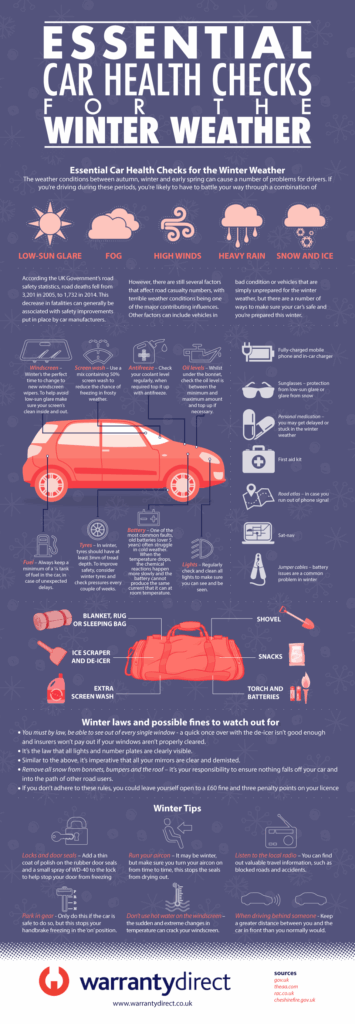
In addition to regular checks and maintenance, keeping an emergency kit in your car is also recommended. This kit should include items such as blankets, snacks, a torch, and a mobile charger. Having these supplies can provide comfort and safety if you find yourself stranded due to harsh winter conditions. It’s equally important to remain calm and assess whether your journey is necessary if the roads appear treacherous. Staying informed about weather forecasts can aid in planning safer travel routes.
Checking Tyre Tread Depth for Winter Safety
Tyres are one of the most critical components of your vehicle, especially during the winter months when road conditions are less predictable. Checking tyre tread depth is essential to ensure that your vehicle has sufficient grip to navigate icy and slippery roads. The AA recommends using a 20p coin for this purpose, providing a straightforward way for drivers to assess their tyre condition. If the tread depth is found to be insufficient, it is imperative to replace the tyres as the consequences of driving on worn-out tyres can be dire, leading to loss of control during critical moments.
Besides checking tread depth, regular tyre pressure checks cannot be overlooked. As the temperature drops, tyre pressure tends to decrease, affecting vehicle performance and safety. Maintaining the recommended pressure not only improves fuel efficiency but also enhances grip, which is essential when approaching icy corners or sudden braking scenarios. Additionally, consider switching to winter-grade tyres if you live in an area with severe winter weather; these tyres are designed to perform better in cold temperatures and provide necessary traction on snow and ice.
Importance of Car Maintenance for Winter
Car maintenance is just as crucial as making essential checks, and it should be a top priority as winter rolls in. Regular servicing not only identifies potential issues before they escalate but also ensures that elements such as your heater, battery, and brakes are all working optimally. Maintaining your car in good condition through regular inspections will ultimately enhance its performance and lifespan, particularly in harsh weather conditions.
As temperatures plummet, vulnerable components of your vehicle, such as the cooling system, can become problematic if not properly maintained. Change the engine coolant as recommended, ensuring it has the correct antifreeze concentration to prevent freezing. The AA also suggests that using winter-grade screen wash can help prevent your wipers from freezing, improving visibility during winter storms. Keeping your vehicle in peak condition is essential not only for your safety but also for your peace of mind.
Emergency Preparedness for Winter Travel
No matter how well-prepared you believe you are, winter can still throw unexpected challenges your way. Having an emergency kit in your vehicle is a proactive step towards ensuring your safety. This kit should include indispensable items such as a first-aid kit, warm clothing, food supplies, and a flashlight. Preparing for emergencies can make a significant difference should you find yourself stuck in inclement weather, especially during long journeys when assistance may take time to arrive.
Moreover, it’s wise to keep a charged power bank for your phone, along with any necessary emergency phone numbers. If you feel overwhelmed by poor weather conditions, don’t hesitate to pull over safely and wait until visibility improves. Keeping the engine running may help keep you warm, but ensure that the exhaust pipe is clear to avoid carbon monoxide buildup. Staying aware and prepared can turn what could be a dangerous situation into a manageable one.
Staying Up-to-Date with AA Winter Car Advice
The AA frequently shares valuable winter driving advice through various platforms, making it easier for motorists to stay informed. Following their guidance can help you understand the specific checks needed for your vehicle during winter months. From tyre checks to battery assessments, the AA’s recommendations are instrumental in promoting safer driving during harsh weather presented by snow and ice.
Furthermore, the AA’s comprehensive advice extends to using the right products, like winter-grade screen wash, which helps maintain visibility, and understanding the significance of winter servicing. Engaging with reputable automotive organizations ensures you don’t miss out on essential updates, tips, or recalls that could affect your vehicle’s performance in winter. Staying educated and proactive is key to navigating winter roads safely and efficiently.
The Role of Tyre Tread in Winter Performance
Tyre tread depth plays a pivotal role in maintaining vehicle stability during winter, particularly on slick surfaces. Following the AA’s advice on checking tread depth using a 20p coin can help you keep your tyres in good condition. Having sufficient tread not only aids in grip during adverse conditions but also impacts the overall safety of your driving experience. Frequent assessments can prevent accidents that may occur due to loss of traction.
Moreover, it’s essential to consider the type of tyres you’re using. Winter tyres are specifically designed to improve traction within snowy or icy conditions, boasting deeper grooves and softer rubber compounds. Transitioning to winter tyres as the colder months approach can make a significant difference in handling and stopping distances, critical factors in maintaining control during winter driving.
Understanding the Risks of Driving with Worn Tyres
Driving with worn tyres not only compromises your safety but can also lead to legal consequences. The legal minimum tread depth in the UK is 1.6mm, and each tyre below this threshold can incur substantial fines and penalty points. As winter introduces various challenges, it is crucial for drivers to ensure their tyres meet or exceed this legal depth to avoid putting themselves and others at risk on the roads.
In addition to fines, the consequences of driving on worn tyres can include increased stopping distances and reduced handling capabilities. These factors can amplify the chances of accidents during winter when road conditions are less forgiving. Regularly inspecting and replacing tyres that are close to the legal limit not only protects your driving license but ultimately safeguards your life and those of other road users.
Final Thoughts on Winter Preparedness for Drivers
As winter approaches, being proactive about vehicle maintenance and checks can significantly improve your driving safety and experience. Make time to carry out essential winter car checks, which include examining your battery, checking tyre tread depth, and ensuring that you have an emergency kit prepared. Being prepared can alleviate potential stress during the frigid months when driving becomes unpredictable.
Incorporating advice from automotive organizations like the AA can be instrumental. They provide practical tips and checklists that are tailored to safeguard your journey. This winter, prioritize your vehicle maintenance routine, stay connected with reliable advice, and remember to adjust your driving habits to match the icy roads. By staying informed and prepared, you can navigate winter roads confidently and safely.
Frequently Asked Questions
What essential winter car checks should motorists perform before driving in winter conditions?
Before heading out in winter conditions, motorists should conduct several essential winter car checks. Key checks include evaluating the car battery, assessing tyre tread depth, and ensuring optimum tyre pressure. A simple method for checking tyre tread depth is to use a 20p coin; if the outer edge is visible when inserted into the tyre grooves, the tread is below the legal minimum of 1.6mm, indicating it needs professional inspection. Additionally, maintaining a full tank of fuel and checking the levels of anti-freeze and screen wash can significantly improve safety during winter driving.
How can I check my tyre tread depth as part of essential winter car checks?
To check your tyre tread depth as part of essential winter car checks, you can use a 20p coin. Insert the coin into the main grooves of your tyre. If the outer edge of the coin is visible, your tread depth is below the legal requirement of 1.6mm, which may require immediate professional attention. It’s advisable to check tread depth in multiple locations on each tyre for accuracy. Proper tread depth is crucial for maintaining grip and handling, especially in winter driving conditions.
What are the top winter driving tips regarding car maintenance for winter?
Essential winter driving tips for car maintenance include routinely checking your battery’s charge, ensuring that your tyres have adequate tread depth and pressure, and using winter-grade screen wash to prevent freezing. Additionally, keep an emergency kit in your vehicle that includes blankets, snacks, a torch, and a mobile charger for safety in case you become stranded. Regular checks and preparation can significantly enhance your driving experience during winter and help prevent hazardous situations.
Why is it important to check tyre tread depth as part of winter car checks?
Checking tyre tread depth is essential during winter car checks because adequate tread depth improves your vehicle’s grip on icy or snowy roads, enhances braking effectiveness, and helps with water drainage to avoid aquaplaning. The legal minimum tread depth in the UK is 1.6mm; however, many experts suggest replacing tyres before reaching this limit. Insufficient tyre tread can lead to dangerous driving conditions, especially in winter weather.
What should I do if my car battery is weak during winter car checks?
If you discover that your car battery is weak during your essential winter car checks, it’s advisable to recharge or replace the battery promptly. Cold temperatures can drain battery power significantly, which could leave you stranded in freezing conditions. Regularly testing your battery’s charge are important winter driving tips to ensure your vehicle is reliable during the colder months.
How can I prepare my vehicle for winter driving according to AA winter car advice?
According to AA winter car advice, preparing your vehicle for winter driving involves conducting a series of essential checks. Ensure your battery is fully charged, measure tyre tread depth using a 20p coin, verify that tyre pressure is appropriate for cold conditions, and use winter-grade screen wash to avoid freezing. Additionally, pack an emergency kit containing a blanket, snacks, and a torch in your car to stay safe should you encounter unexpected weather or breakdowns.
What are the risks of driving with worn tyres in winter conditions?
Driving with worn tyres in winter conditions poses significant risks, including reduced grip, poor braking performance, and increased likelihood of aquaplaning. The legal penalties for having bald tyres in the UK can be severe—up to £2,500 and three points on your licence per tyre. As part of essential winter car checks, inspect your tyres regularly and adhere to recommendations for replacing them before they reach the legal depth limit.
| Key Point | Description |
|---|---|
| The Essential Checks | Drivers should perform important checks before winter journeys, including testing the car battery and tyre tread depth. |
| Battery Check | Low temperatures can drain the battery; ensure it’s fully operational. |
| Tyre Tread Depth Test | Use a 20p coin to check; if the coin’s outer edge is visible, the tread is below the legal limit of 1.6mm. |
| Legal Implications | Driving with tread below 1.6mm could result in hefty fines and points on your license. |
| Additional Tips | Use winter grade screen wash and prepare an emergency kit with essentials for severe weather. |
Summary
Essential winter car checks are crucial for safe driving during the colder months. As highlighted by the AA, checking your battery and tyre tread depth can make all the difference in maintaining vehicle safety and performance. By being proactive with these checks, you can significantly reduce the risk of accidents and ensure a safer journey in unpredictable winter conditions.